
Features
Denis Villeneuve is a good director, but is he good for Bond?
The director of the latest installment of Bond was announced. Denis Villeneuve thus steps into largely uncharted territory. Time will tell how he navigates it.

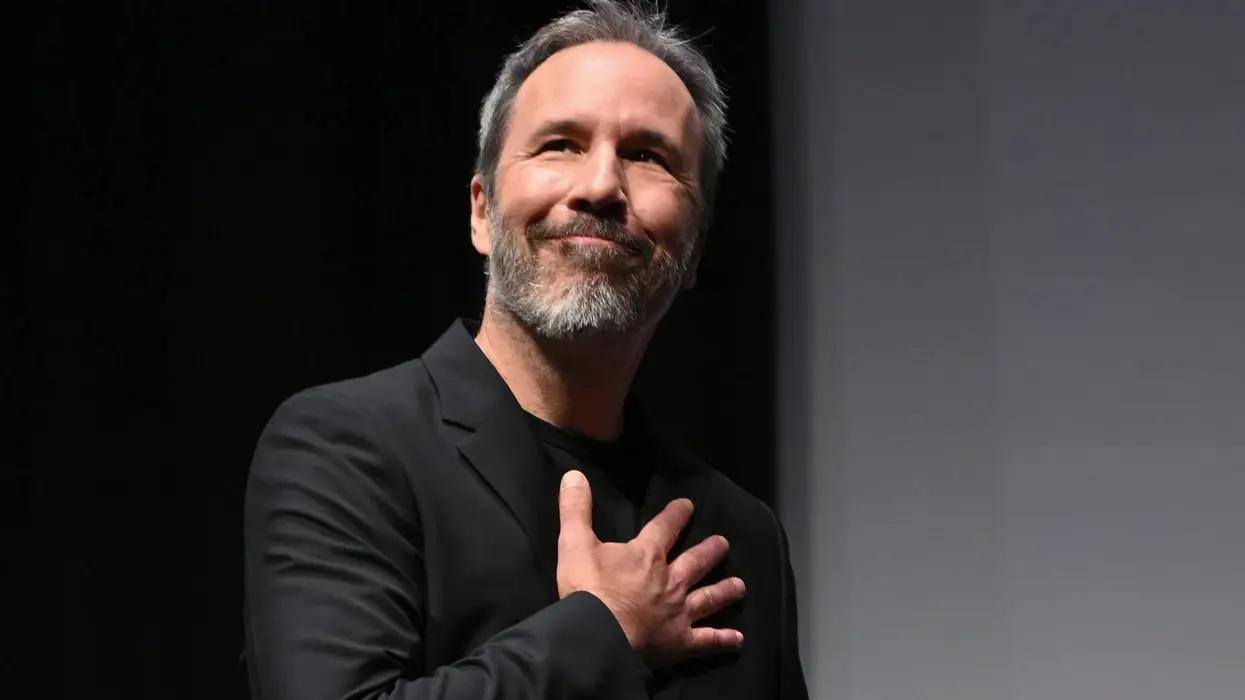
A few days ago, cheerful news spread around the world: the director of the latest installment of Bond was announced. A special installment, as it once again restarts the series. A new actor, a new director, a new creative producer, a new… beginning. The choice fell on Denis Villeneuve. Among fans of the franchise, this decision sparked a genuine wave of enthusiasm: finally, Bond would be handled by a man with vision, the author of some of the greatest modern blockbusters. Logic suggests the Canadian should be a perfect match. Theoretically, he has everything needed to make a great Bond film: experience working with big stars, a rich résumé, and strong internal motivation (as he claims, he grew up on Bond films).
And while many signs indicate that we may indeed be getting the most interesting Bond in years, I personally approach this decision with some reservation. There are, as is usually the case, a few reasons. The first I already mentioned in the context of Dune: Part Two, which clearly proved that Villeneuve is not, to paraphrase a classic, an action film director. He is a creator who celebrates space, an aesthete, relentlessly and unconditionally devoted to the visual layer of cinema. Suffice it to say, the best parts of both Dune films are those in which seemingly nothing happens.
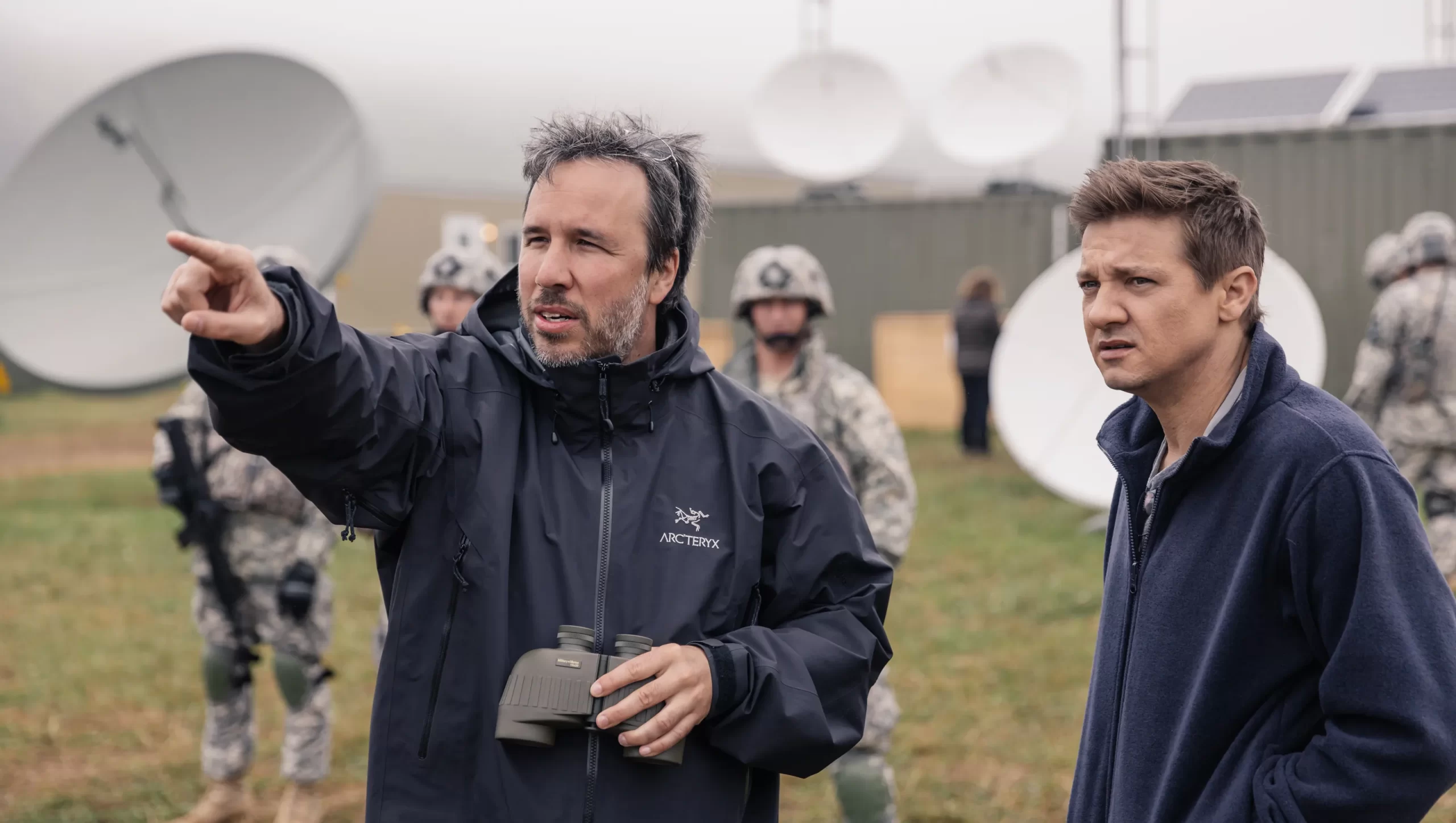 Scenes where Greig Fraser’s camera shows us wide shots, slowly panning across monumental sets imitating the Atreides stronghold or the palace on Arrakis. In both Dune and Blade Runner 2049, Villeneuve delays moving the plot forward as long as he can. The deepest recesses of the fictional world interest him more than a well-executed chase or fistfight.
This approach is, of course, worthy of respect — perhaps even praise — but is it well suited to the context of James Bond? The second reason is linked to Villeneuve’s attitude toward screenwriting — one that is, to put it mildly, ambivalent. While promoting Dune: Part Two, Villeneuve casually stated in an interview that in his view, modern films contain too much dialogue; that television has irreversibly contaminated cinema with it. Summing up, the Canadian concluded that people don’t remember films for their well-written dialogues, but for powerful images. In other words, he placed directing above the script, visuals above content. Yet Agent 007 requires a solid screenwriting foundation — just compare Skyfall and Spectre, the best and worst Bond films starring Daniel Craig. The same director (Sam Mendes), the same actor, equally polished visuals handled respectively by Roger Deakins and Hoyte Van Hoytema. What makes the difference? The first boasts a strong, well-constructed narrative, while the second feels like a series of loosely connected episodes. The deciding factor turns out to be the script — that collection of stage directions and dialogue Villeneuve, well, does not hold in high regard. My final concern regards the highly uncertain position in which the franchise now finds itself. It’s still unclear in which direction Amazon will want to take Bond.
Will the exploitation of 007 remain limited to a single film every few years, or will we soon be flooded with serialized spin-offs set in the Bond universe? What about final cut rights? 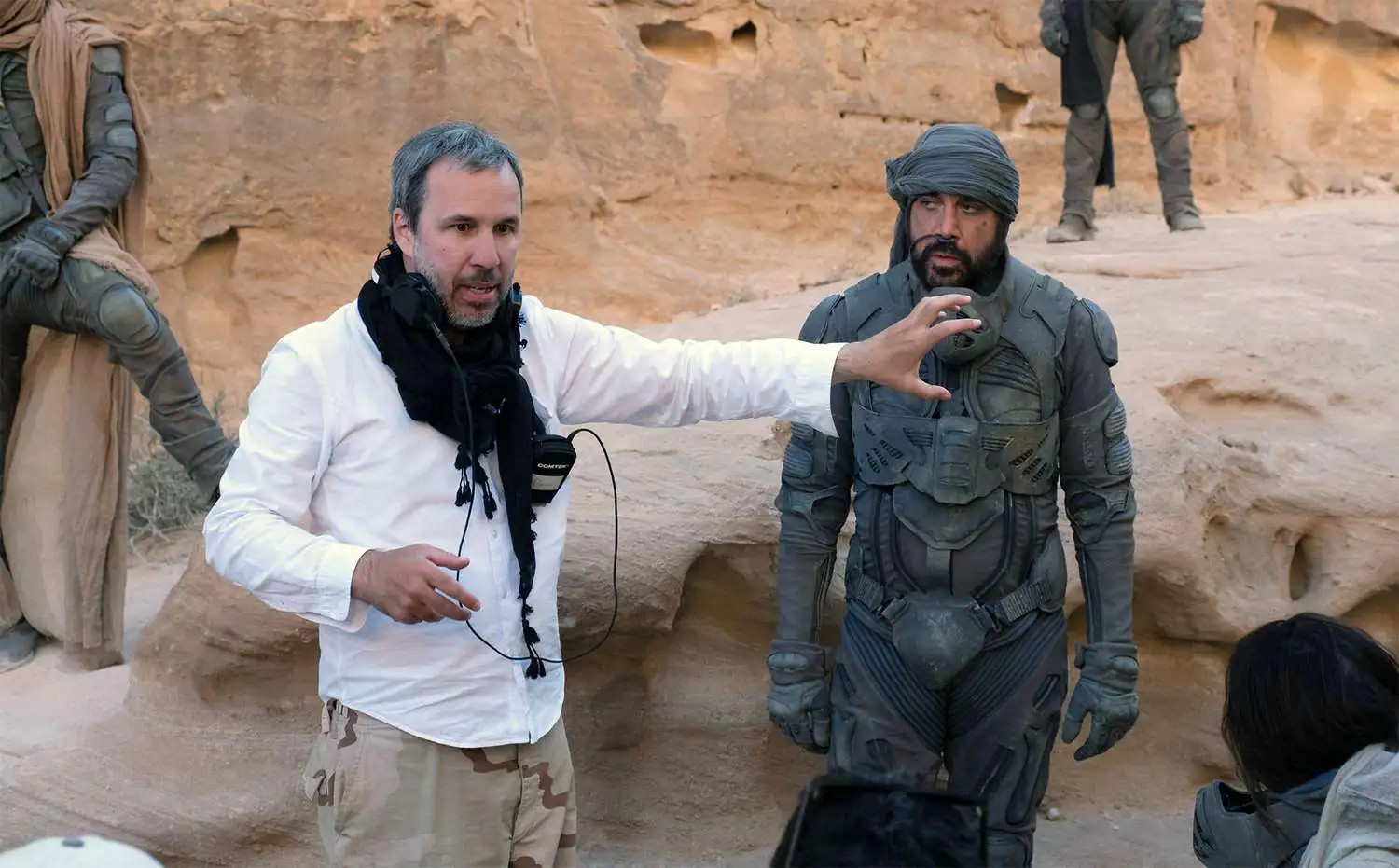 Until now, creative producers Barbara Broccoli and Michael G. Wilson ruled with a fairly firm hand, denying directors that particular privilege — one of the reasons Danny Boyle parted ways with the project, and why Christopher Nolan, who places high value on his creative independence, dropped out of the running.
Denis Villeneuve thus steps into largely uncharted territory. Time will tell how he navigates it. Of course, all of my speculation and musings are, for now, nothing more than flashy fortune-telling. I, unfortunately, do not possess the gift of prophecy: I don’t know what kind of Bond Villeneuve will ultimately deliver. Will he retain the serious tone of his recent films? Or maybe, as a declared fan of the series, he will want to return to its roots and create something that doesn’t lack a sense of humor? (When asked about his favorite Bond installments, the Canadian named Skyfall and Casino Royale — which might be a clue.
) We’ll know more once the official casting is announced. Though frankly speaking, the new frontrunners are not exactly dazzling (aside from Harris Dickinson, I don’t see anyone truly compelling). Still, I hope — both for your sake and mine — that all of my concerns prove unfounded: may the new Bond film be, quite simply, the best it can be.

