Horror Movies
THE BRIDE! – The Art of Stitching
Though this be madness, yet there is a method in’t, namely that this monster isn’t as bad as they paint him.

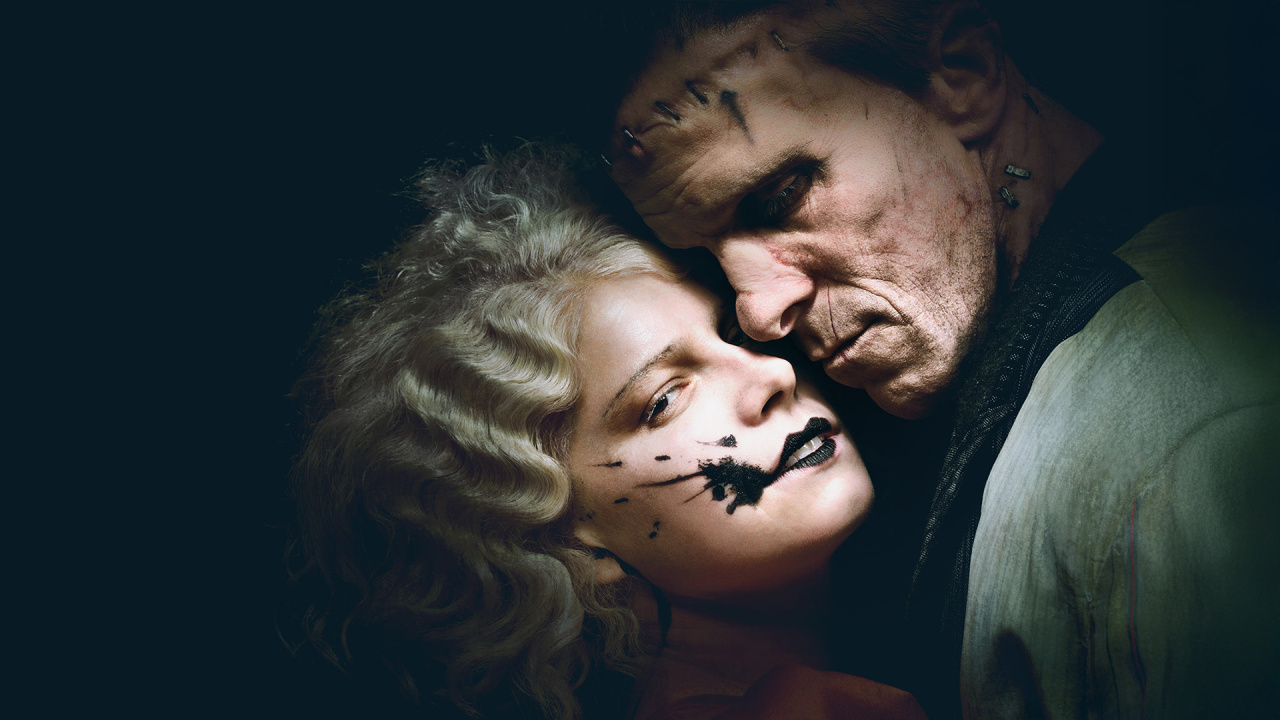
The famous novel about Frankenstein’s monster was written by 19-year-old Mary Shelley and had an enormous impact on literature, cinema, and pop culture. Last year, we had another attempt at faithfully transferring Frankenstein; or, The Modern Prometheus to the screen – it was made by Guillermo del Toro, and the film was produced for Netflix. The Bride!
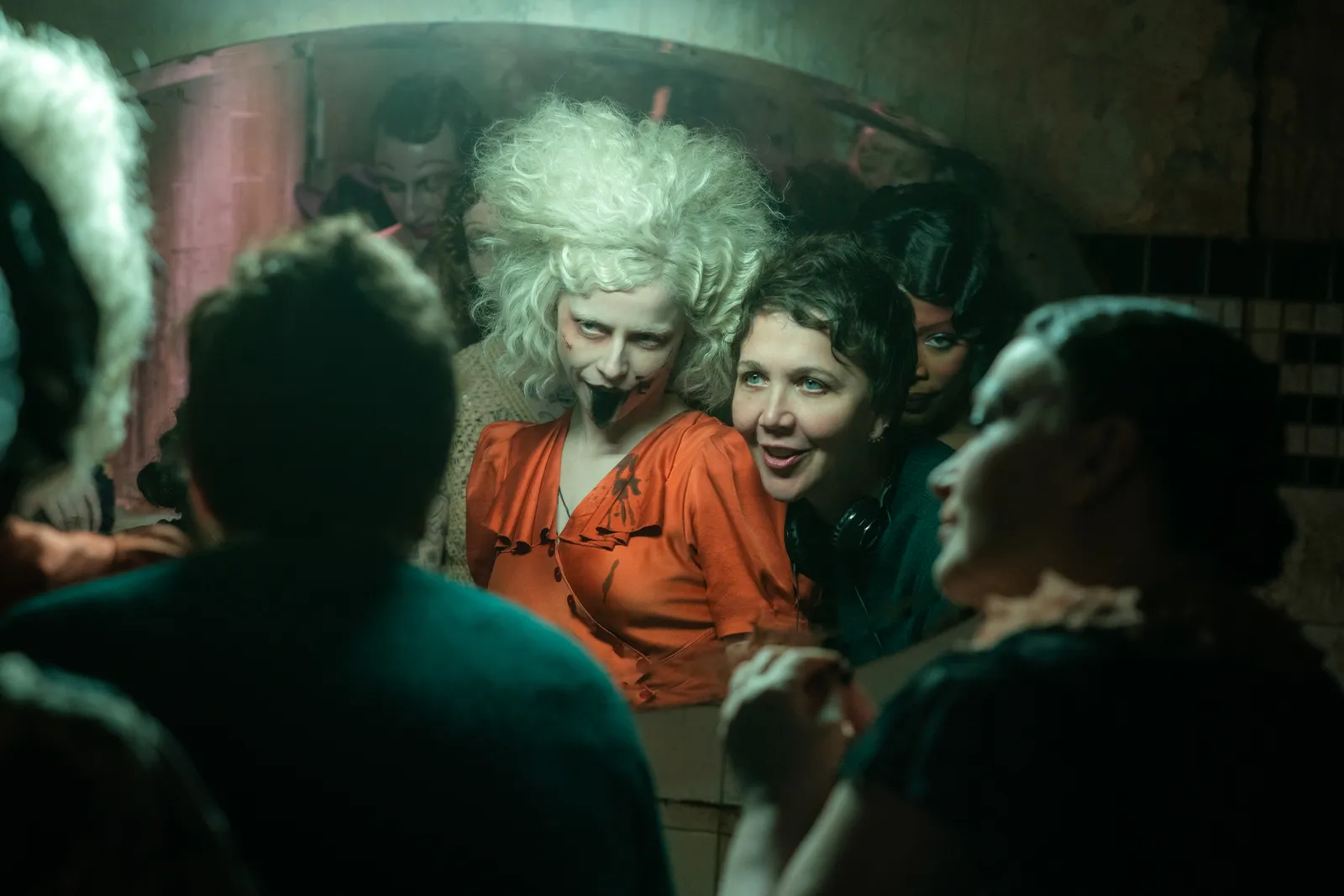
As a lover of the literary original, I watched both that film and the latest variation on the theme on the day of their premiere, with high expectations but also justified concerns. In this duel, The Bride! directed by Maggie Gyllenhaal knocks out its rival. Instead of yet another classic adaptation, we have an original work, full of wild energy and visual creativity.
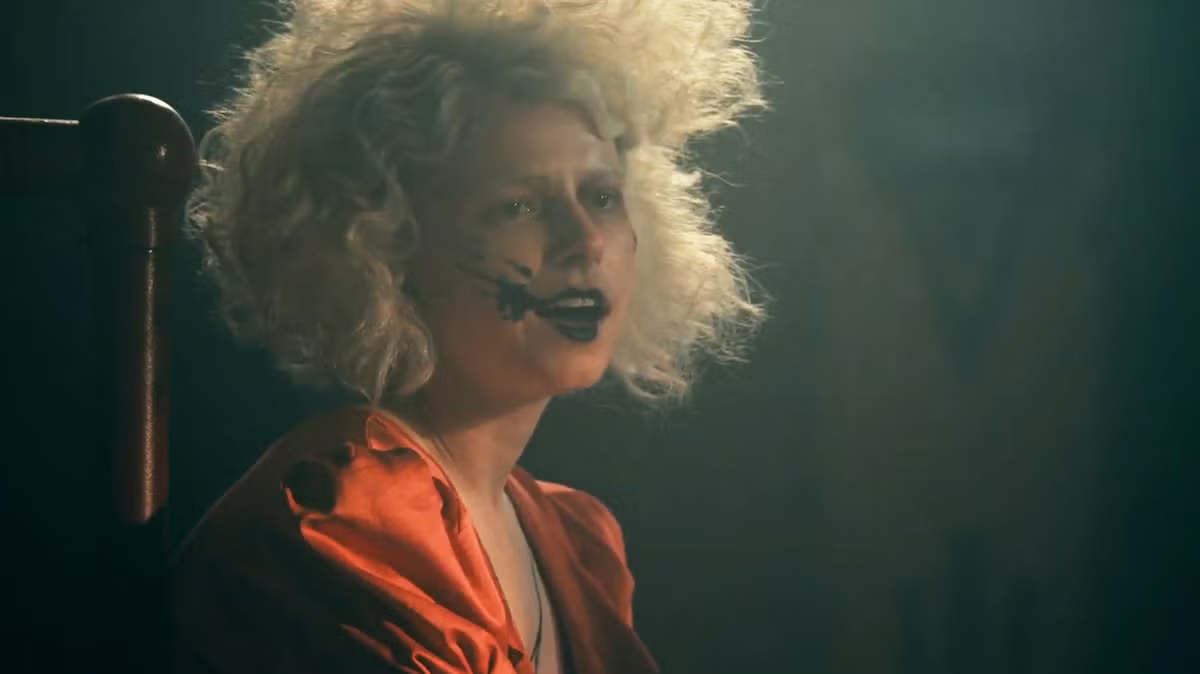
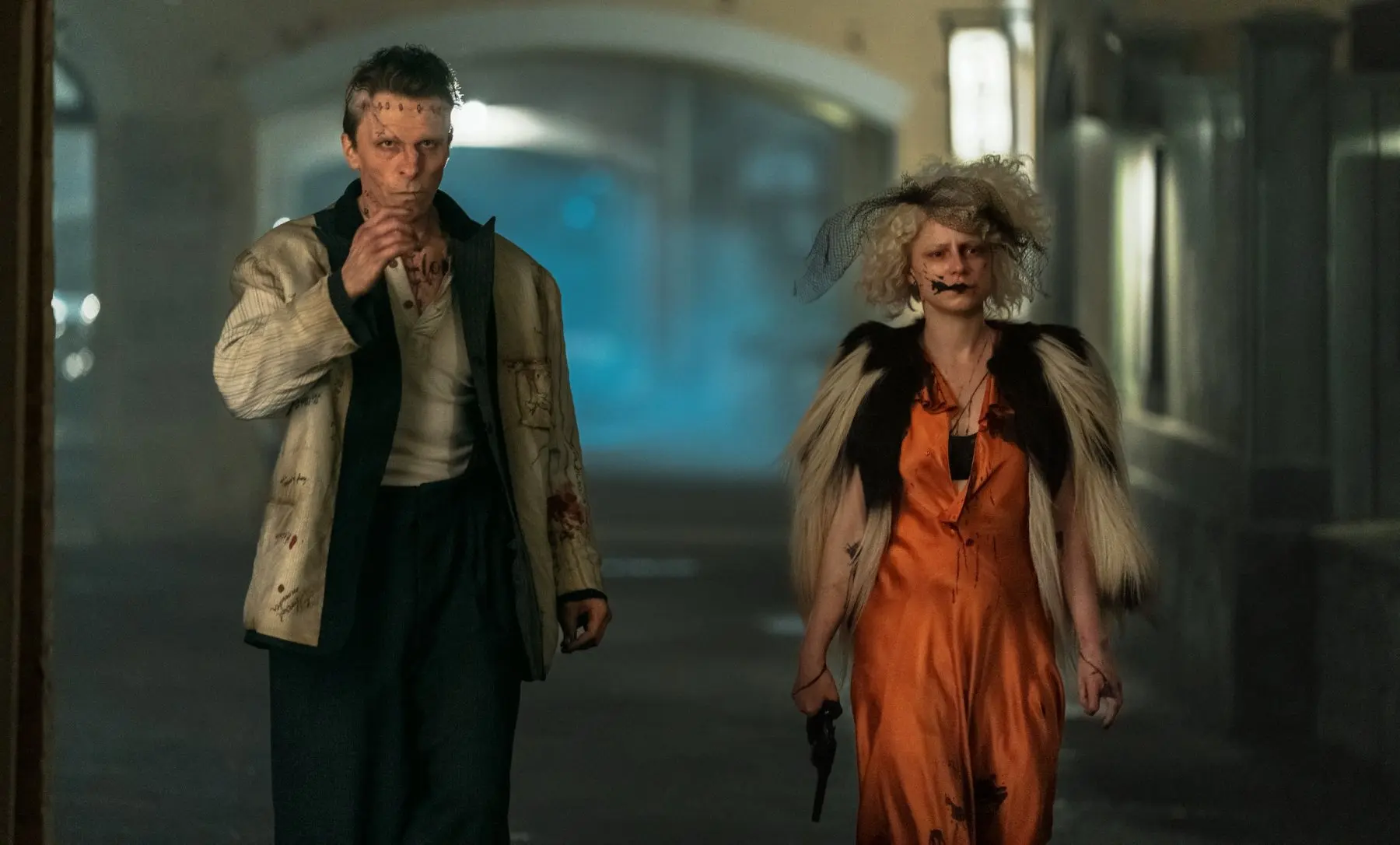
The movie features elements of dark comedy, tragic romance, gangster action film of the Great Depression era, and a charming tribute to Hollywood cinema of the 1930s. Most importantly, this seemingly risky combination works surprisingly well. Jessie Buckley and Christian Bale have created a crazy, disturbing, and funny duo of oddballs, between whom a peculiar relationship develops – both romantic and grotesque.
Thanks to them, even the director’s most extravagant ideas don’t seem like empty stylization, but rather make up an emotional story about two beings searching for their place in the world. The irony of the situation is striking – the world around the characters is monstrous, unjust, and full of violence, which does not prevent it from indignantly rejecting those who look like monsters.
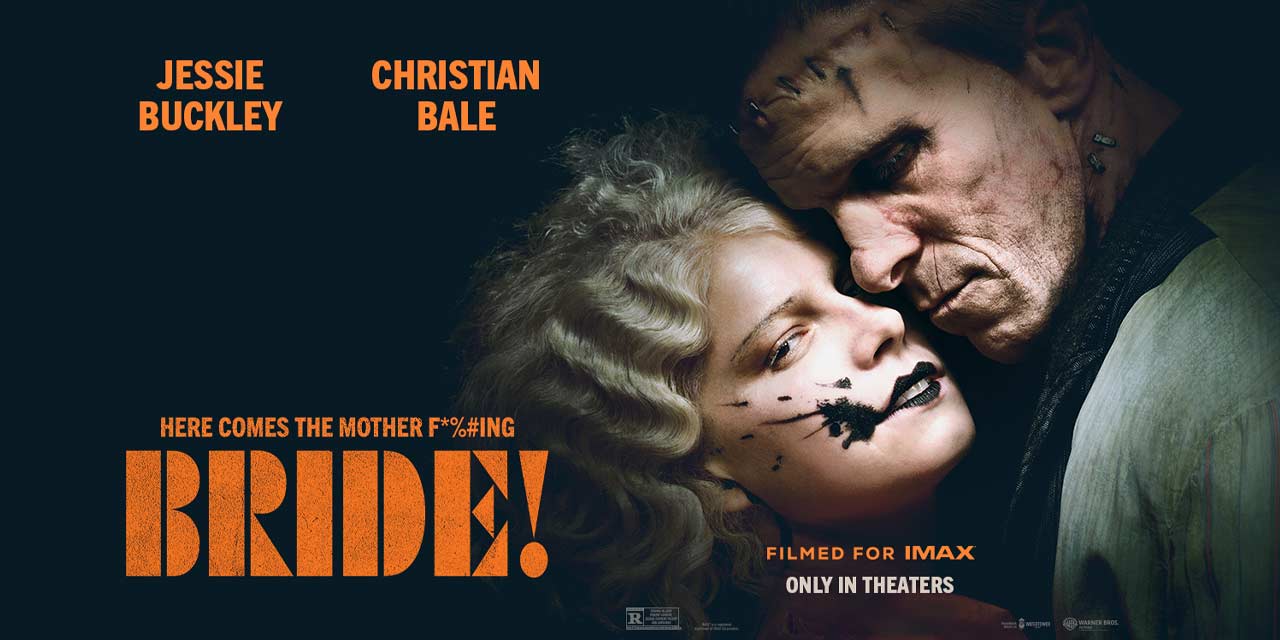
The main plot line is not particularly original – the motif of the characters fleeing after committing murder in the heat of passion is rather typical of action cinema. However, setting this story in the universe created by Mary Shelley opens up a new field of interpretation, transferring classic patterns and iconic characters into a completely different culture. The Bride! thus follows in the tradition of works that do not so much adapt Shelley’s novel as creatively rework it.
I would like to mention here the excellent and rather underrated Frankenstein series (1957-1974) produced by Hammer Studios, with the excellent Peter Cushing in the lead role. These movies also used motifs from the novel as a starting point for completely new stories (I particularly recommend Frankenstein Created Woman and Frankenstein Must Be Destroyed).
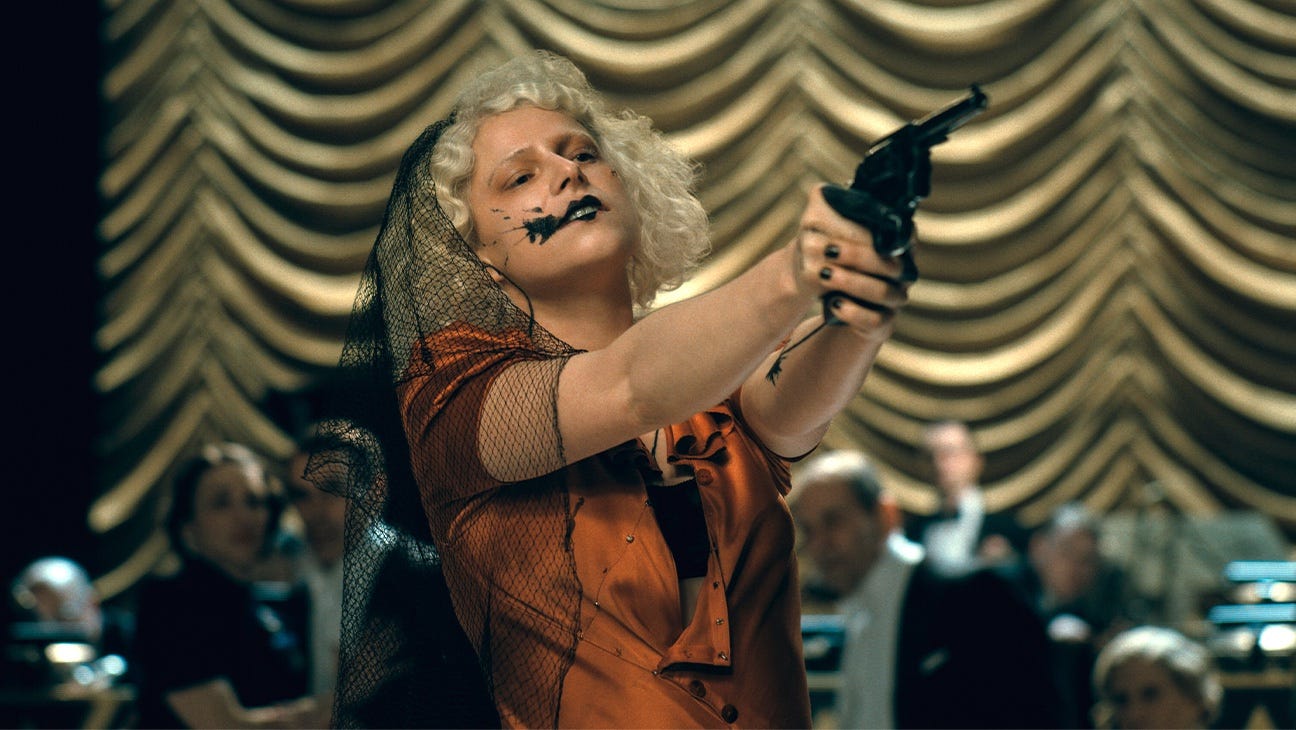
Critics generally give this film a rather cool reception, pointing to its inconsistency and chaos. However, instead of chaos, I see a natural transfer of motifs from one era and culture to another. In the novel, the monster learns about the world through books, which shape his sensitivity and morality. In the film reinterpretation, cinema takes over this function – the fact that the monster becomes a sensitive film buff is entirely consistent with his character as described in the original. In both cases, we are dealing with a being who learns humanity through culture.
The same is true of the social background – in the early 19th century, art and literature were dominated by Romanticism, a movement characterized by rebellion against rigid social rules and a fascination with heroes on the margins of society. The film transfers this motif to the reality of the 1930s, where gangsters often became outsiders. Making the monster and his fiancée characters like Bonnie and Clyde is therefore justified.
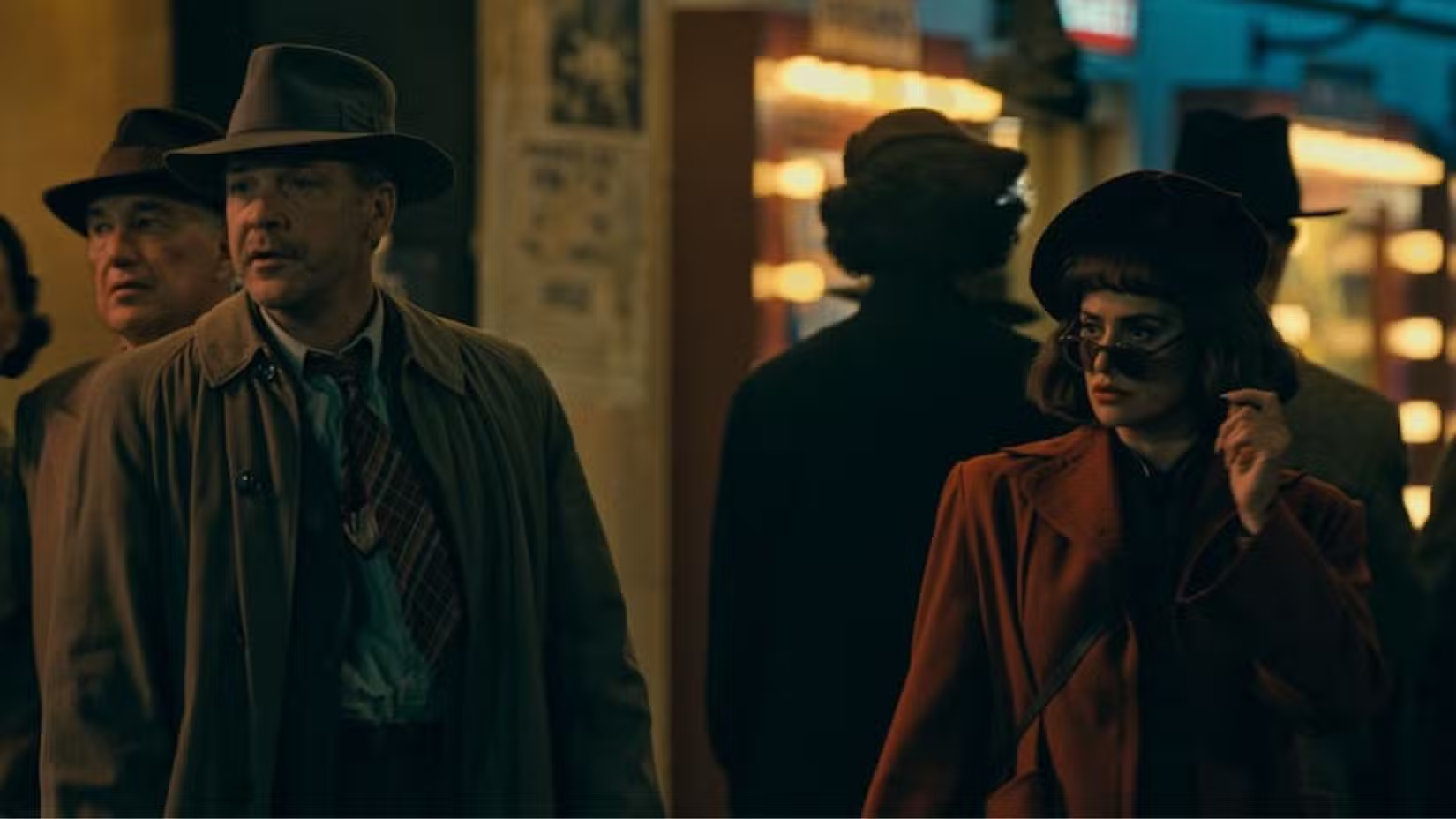
The same is true of the feminist theme. In Mary Shelley’s novel, the scientist destroys the monster’s fiancée before she even has a chance to speak – the female character is literally deprived of the possibility of existence and expression. A hundred years later, women were becoming increasingly active in the public sphere, pursuing careers in science and medicine, and winning Nobel Prizes.
That’s why the miracle of creation, modeled on Dr. Frankenstein, is performed by the character played by Annette Bening. What’s more, cinema inspired by reality already showed women solving criminal mysteries in the 1930s, the best example of which is Myrna Loy in The Thin Man (1934) – it’s no coincidence that the character played by Penélope Cruz is called Myrna Malloy.
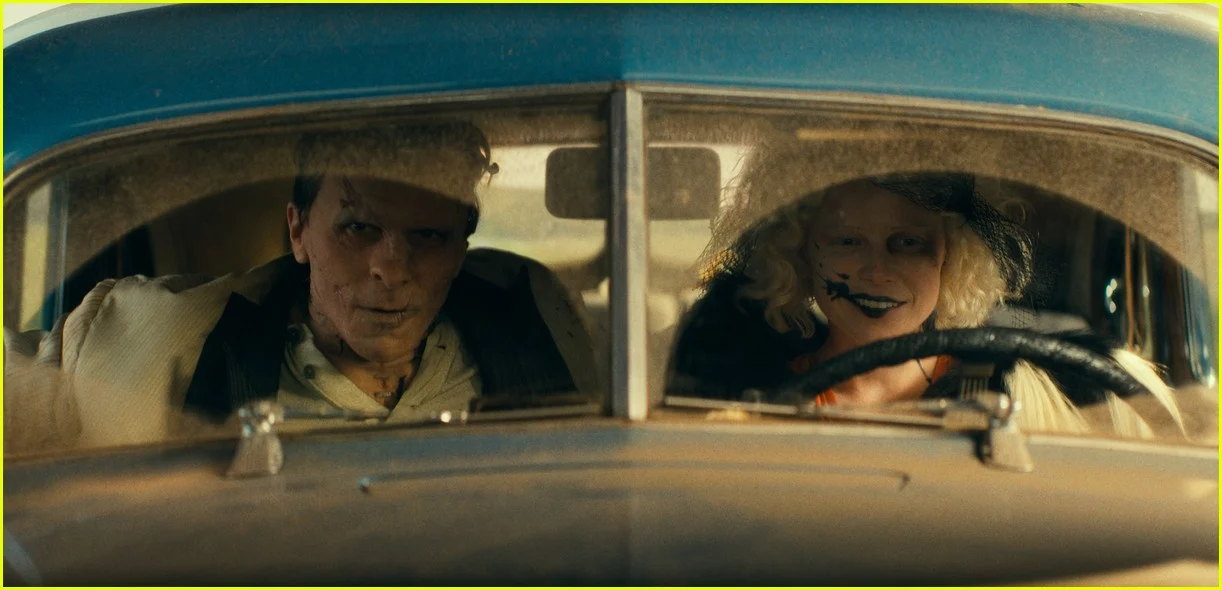
Still on the subject of feminism, at one point the title character becomes the inspiration for a women’s rebellion, but this rebellion quickly spirals out of control, leading to violence and moral chaos. It is a rather ambiguous, perfidious reflection on the power and consequences of rebellion – instead of beneficial changes, it more often leads to destruction and condemnation.
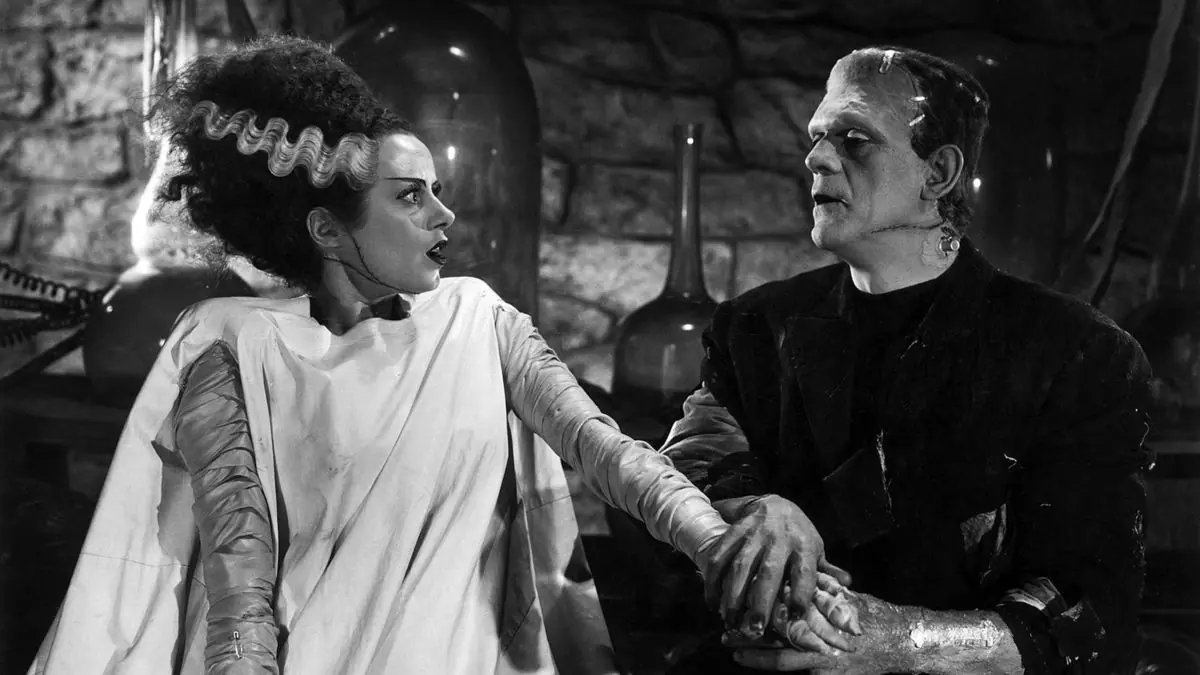
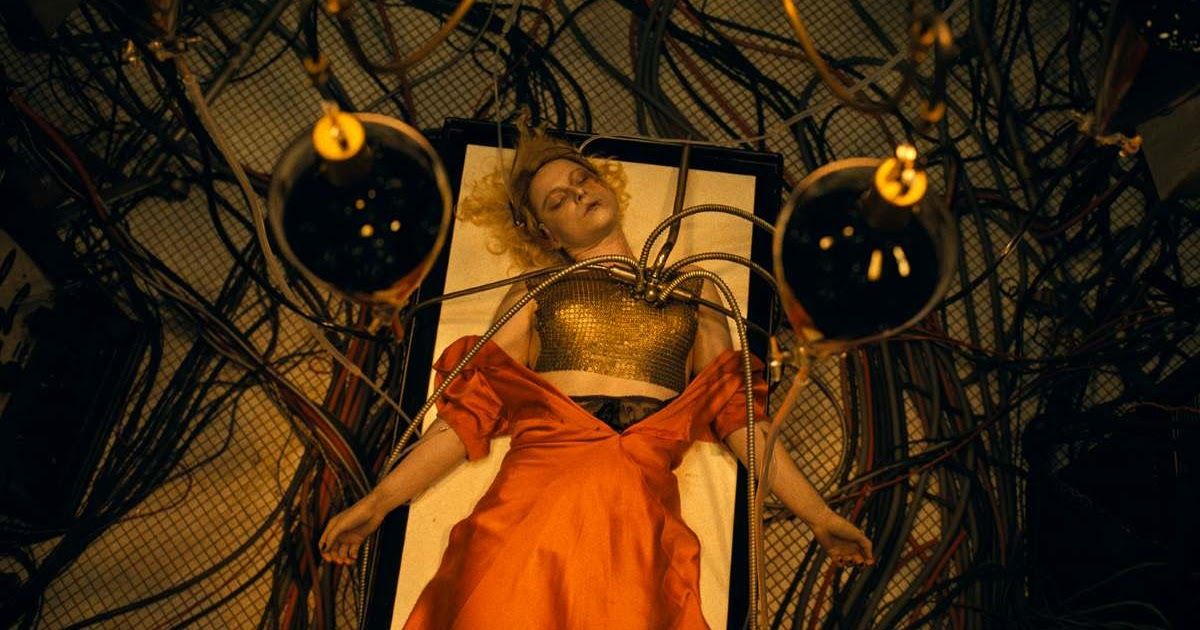
While it’s certainly not a perfect work, it has a lot to offer. The budget was $80 million, which is a staggering amount for a film with such an original character and an unusual genre structure. However, you can see the production value in the extravagant visuals and the impressive set design, styled after America during the Great Depression (or rather the New Deal – the period between the Depression and economic recovery). At the same time, these funds helped bring to life a wild imagination – not only Maggie Gyllenhaal’s, but also that of readers familiar with Mary Shelley’s novel and viewers raised on classic 1930s horror films, such as The Bride of Frankenstein (1935).
Another issue is that with such a budget, there is little chance that the production costs will be easily recouped in the traditional cinema model. It’s no coincidence, then, that Guillermo del Toro’s Frankenstein went straight to Netflix, where the financing strategy is completely different. It’s not about profits from one specific title, but about attracting new subscribers, building prestige, and expanding the catalog.
It’s easy to say that the work in question is awkwardly stitched together like Frankenstein’s monster, but does such an opinion have to work against the film? Does a film have to follow a single classic narrative path, because if it strays from the course, accusations suddenly arise that the author is lost in his vision and doesn’t know what the film is actually supposed to be? In this case, the apparent mess seems entirely intentional – justified by the plot, visually consistent, and symbolically obvious.
Maggie Gyllenhaal has proven time and again that she is an excellent actress, and recently she has also been trying her hand at screenwriting and directing. I see enormous potential, solid craftsmanship, and creative courage here. Her next projects are certainly worth waiting for.
For now, The Bride! is in theaters, and I highly recommend this unconventional production. Although I realize that it will not be to everyone’s taste.