
Review
ZULU. A staple of British television schedules

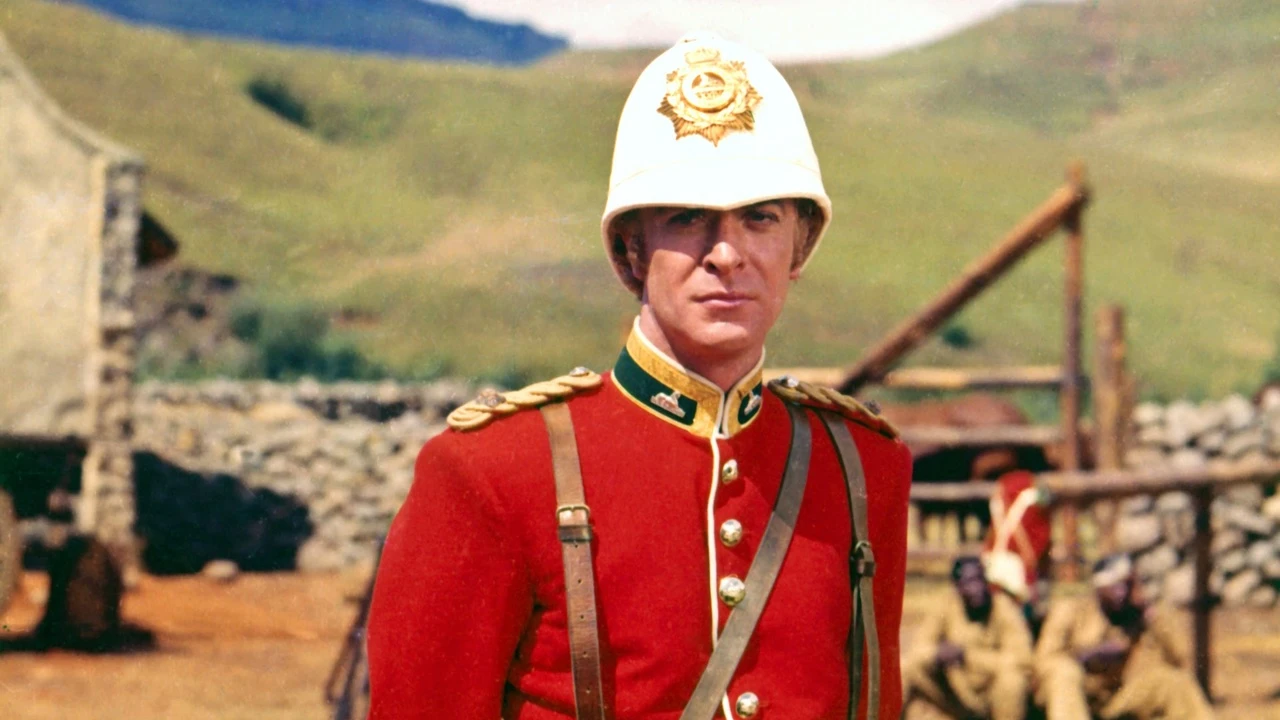
Zulu – one of the most popular productions in the history of British cinema – portrays a dramatic episode of the Anglo-Zulu War, paying tribute to both sides of this nineteenth-century conflict.
January 1879, South Africa. The Anglo-Zulu War is underway. The Empire suffers a crushing defeat at the Battle of Isandlwana, where nearly 20,000 Zulus easily overcome a British force ten times smaller. As the battle ends, some Zulu warriors – now armed with rifles seized on the battlefield – march toward Rorke’s Drift, a fortified mission station that serves as both supply depot and field hospital. Soon, a bloody assault begins: 4,000 Zulus against 150 imperial soldiers, many of them sick or wounded.
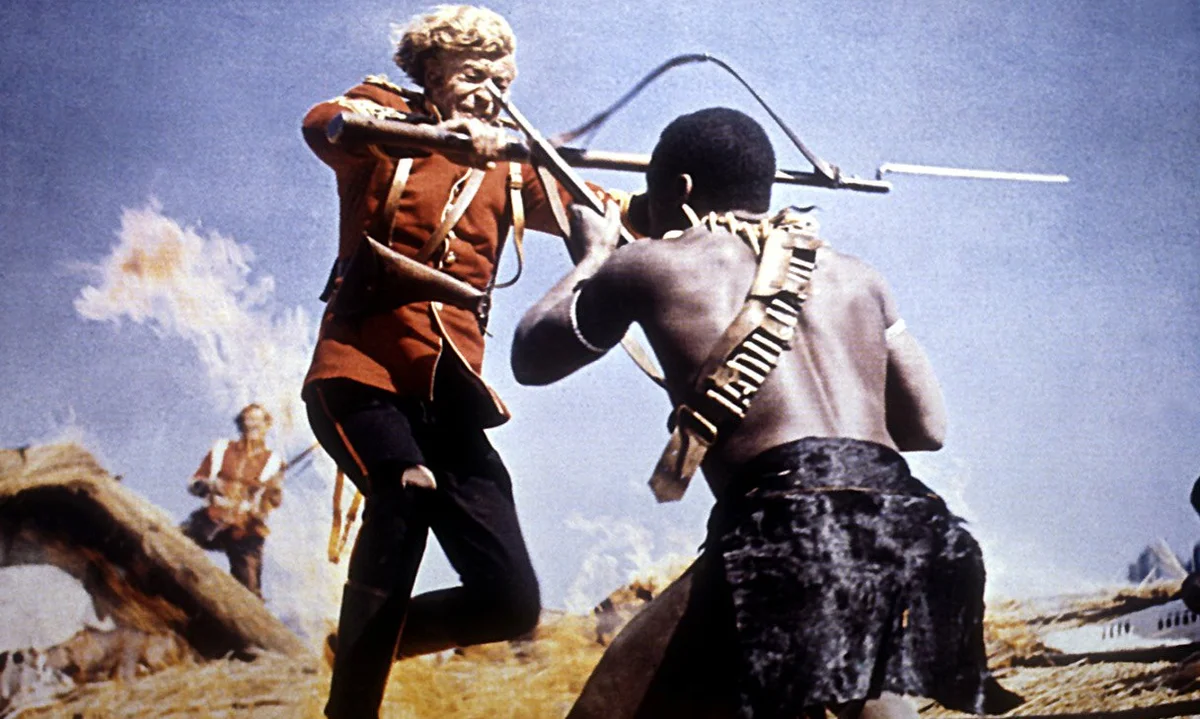
The British company is commanded by two lieutenants: the arrogant dandy Gonville Bromhead and the resourceful veteran John Chard. The struggle rages all day and all night; dozens fall on both sides. Yet thanks to clever strategy, the British successfully repel the Zulu attack.
The Anglo-Zulu War lasted only six months, from January to July 1879, but still claimed nearly 9,000 lives. The conflict ended with the Zulus’ defeat, the collapse of their dominance in the region, and ultimately the fall of the Zulu kingdom. First reduced to a protectorate, it was finally annexed by the British Empire in 1887. The Battle of Rorke’s Drift, fought on 22 January 1879, became one of the most triumphant moments for the British.
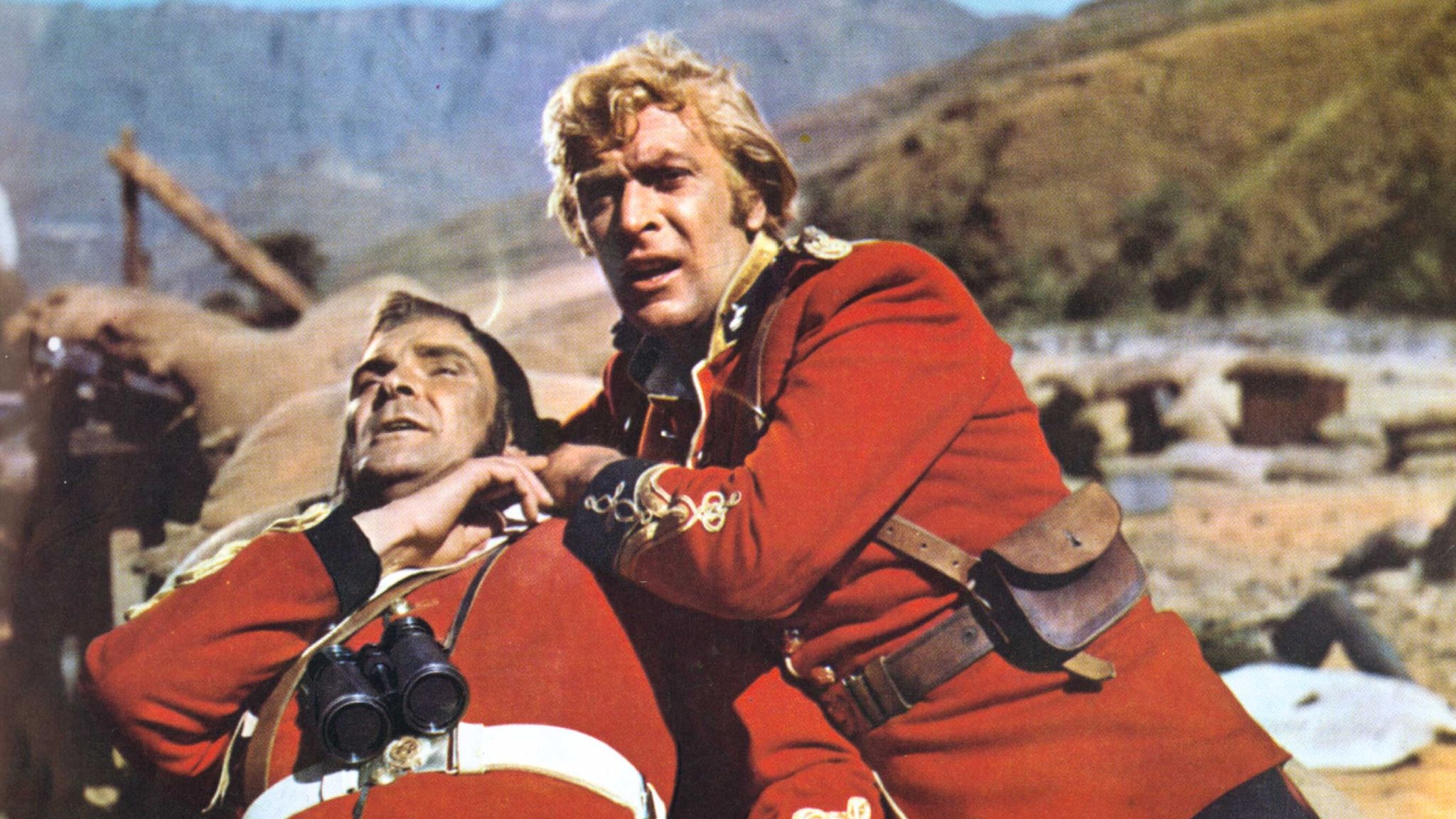
The heroic defense of the mission, where civilians and wounded were also stationed, deeply resonated among British troops, boosting morale. Eleven participants received the Victoria Cross, Britain’s highest award for valor. “The defense of Rorke’s Drift is immortal,” declared Queen Victoria.
Zulu is not a strictly faithful historical reconstruction of the battle. While the main premises match the actual course of events, some details were entirely the invention of director Cy Endfield and co-writer John Prebble. Certain real figures were portrayed very inaccurately – most notably Private Henry Hook, a model soldier and teetotaler who, in the film, appears as a drunk and a rebel.

His daughters were so outraged by the false depiction that they left the London premiere in protest and later launched a campaign to restore their father’s honor. In reality, it was Corporal William Allen who struggled with alcohol, though the film shows him as a model serviceman.Questions were also raised about the film’s message – whether it was racist or anti-imperialist. Mangosuthu Buthelezi, who played King Cetshwayo and later became a minister in Nelson Mandela’s government, defended Endfield’s work: “There is a deep respect that develops between the fighting armies, the nobility of King Cetshwayo’s warriors as they salute their enemy.
At the time of the film’s release, this required a very different mindset from the average viewer.” Audiences, however, had no doubts: released on the 85th anniversary of the battle, the film became one of the biggest box-office hits in British cinema history. This epic production, featuring a brilliant performance by Michael Caine, remains a staple of British television schedules to this day – for local audiences, Zulu is what The Deluge is for Poles.

