
Review
A DISCOVERY OF WITCHES (S:3): A Perfect Ending to an Imperfect Series

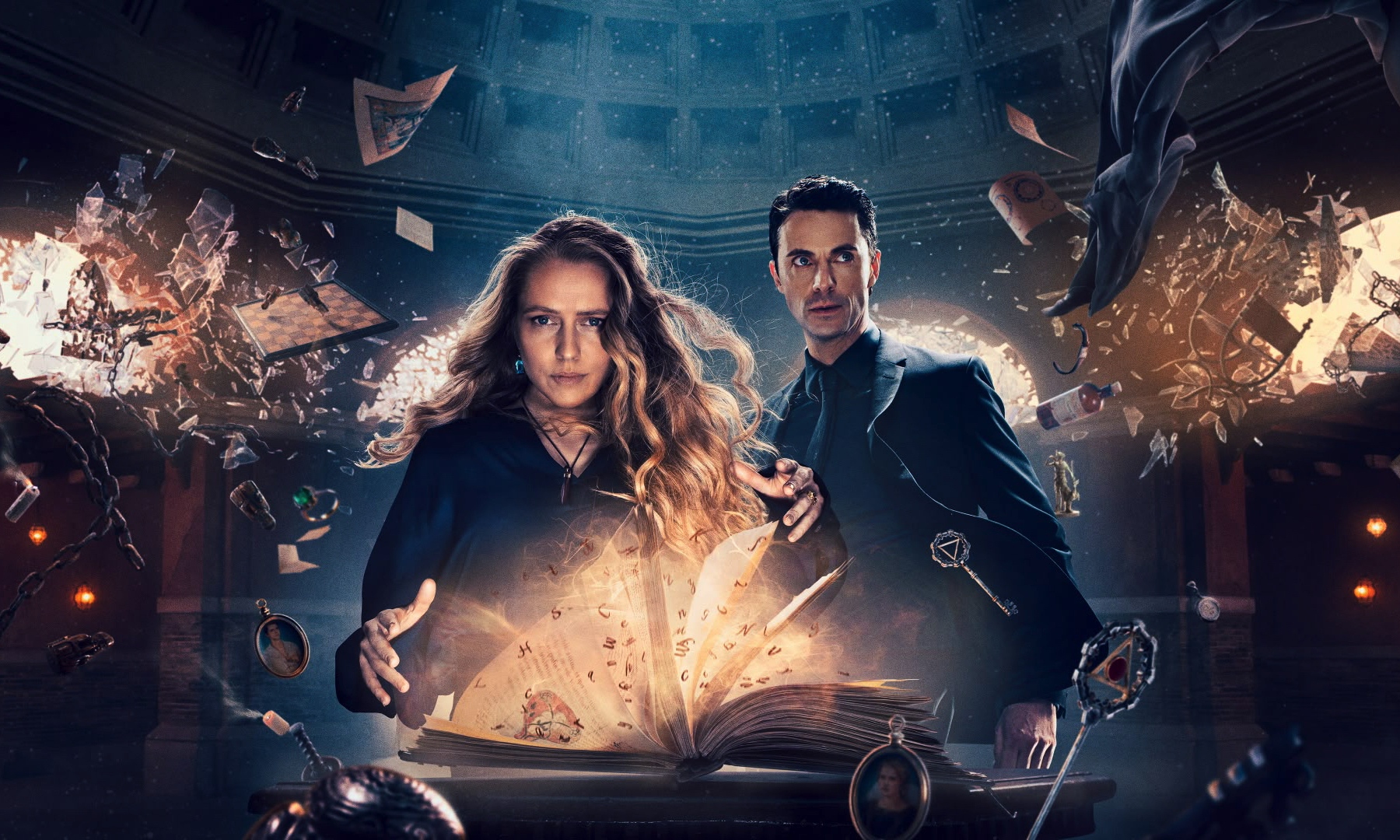
The second season of A Discovery of Witches, the adaptation of Deborah Harkness’s All Souls series disappointed me practically from the first to the last episode. First and foremost, the continuation of the adventures of the protagonists, the witch Diana and the vampire Matthew, was simply boring. Fortunately, in the final season, the creators return to the right track. It is still a typical television guilty pleasure, but the whole thing is incredibly enjoyable to watch, and the viewer keeps holding their head, unable to believe what has just happened on the small screen. So is it a successful continuation?
If you do not focus on plot holes and script shortcomings, I assure you that these few episodes of the new season will provide you with a lot of fun. If you expect a grand and epic finale, the creators may disappoint your expectations. But I realize that they wanted to show how powerful a witch Diana has become, and that no enemy—whether vampire or witch—can stand in her way. I liked this approach, which also aligns with the book, so I will not complain that the final episode does not show a spectacular battle between the protagonists and the antagonists, but focuses solely on the main character.
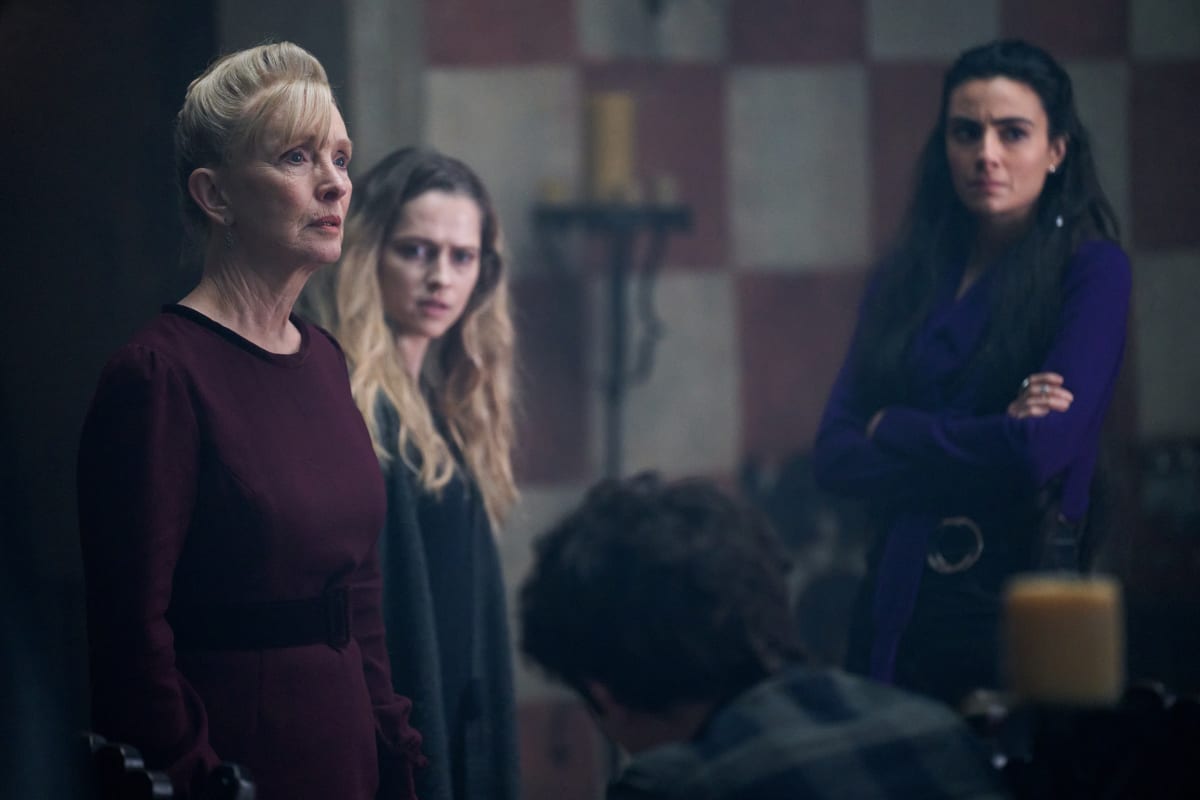
The acting side was so-so, which, however, did not interfere with my overall perception of the work. It is visible that some of the cast slightly lower their performance so as not to stand out too much from their colleagues on set. This can be seen, for example, in scenes featuring such fantastic and talented actors as Matthew Goode, Alex Kingston, or Owen Teale, while the very young Teresa Palmer does not even come close to them. Does this negatively affect the series itself? I do not think so, because the The All Souls series is not watched for the acting alone. Of course, it would be nice if the production stood out in this regard, but the decline in form of some performers is absolutely understandable.
Fortunately, in the final season, so much happens so quickly—over the course of only seven episodes—that it is difficult to catch your breath in the flurry of events. New characters appear, new storylines, new possibilities. Whereas in the previous season I complained about a lack of action and too many episodes, here a better distribution over time would have been useful. It would have helped to slow down the pace of the series, which rushes forward without even a moment of respite. This is both a flaw and a merit—I find it hard to decide which predominates in this case. One must remember, however, that this is a series created for a specific audience, so it should not be surprising that some storylines were treated lightly.
Game of Thrones fans have nothing to look for here, as we only get a few shots of massacred bodies to emphasize how evil the villain is. Meanwhile, those who love His Dark Materials may be somewhat disappointed that an epic journey written across three books is condensed into literally a few final episodes. I like that the third season answers the questions that appeared over the course of the previous two, closing virtually all storylines. The only disappointment—for me at least—was the shallow finale, which could not have been more saccharine. I imagine, however, that this is exactly what the fans expected.
As I said, I could nitpick at various shortcomings and flaws, but the production provides so much unrestrained joy from watching that this time I will not play Mr. Grumpy. The story itself could have been more developed and spectacular, but it seems to have been concluded somewhat hastily. If you enjoyed the first season, you will also be satisfied with the last one. If you expect a deeper characterization of the characters, dilemmas worthy of Hamlet, or conflicts on the scale of the twenty-first century, you may be disappointed. Of course, issues of grief, anger, and love appear, but they are presented rather superficially.
I do, however, like that the creators address LGBTQ+ storylines and normalize same-sex relationships, while also normalizing relationships between the species present in the series. They present this not only as a matter of feelings but also as a key factor for our continued survival. And yes, I know some will say “no,” because how could a white woman have children with a mysterious newcomer from the Far East? But are we really so prejudiced against other nations that a fantasy series has to explain to us, bluntly, that there is nothing wrong with that? It is perhaps a somewhat controversial topic, but I believe it remains relevant.
I also like the family storyline. Not just the family of the main characters, but all families that appeared either in previous seasons or only in the third. Showing all possible family animosities fits very well into contemporary times. It is hundreds of years of lies, of course motivated by the good of the family, an attempt to keep up with the times, and reflection on what is better: acting according to family demands or according to feelings. It seems to me that the series captures the spirit of the times perfectly, showing the current problems of many of us, without falling into excessive banality or focusing solely on “racism.” Family scenes among the de Clermonts are a real feast, and verbal sparring between the brothers gives the contemporary viewer plenty to think about.
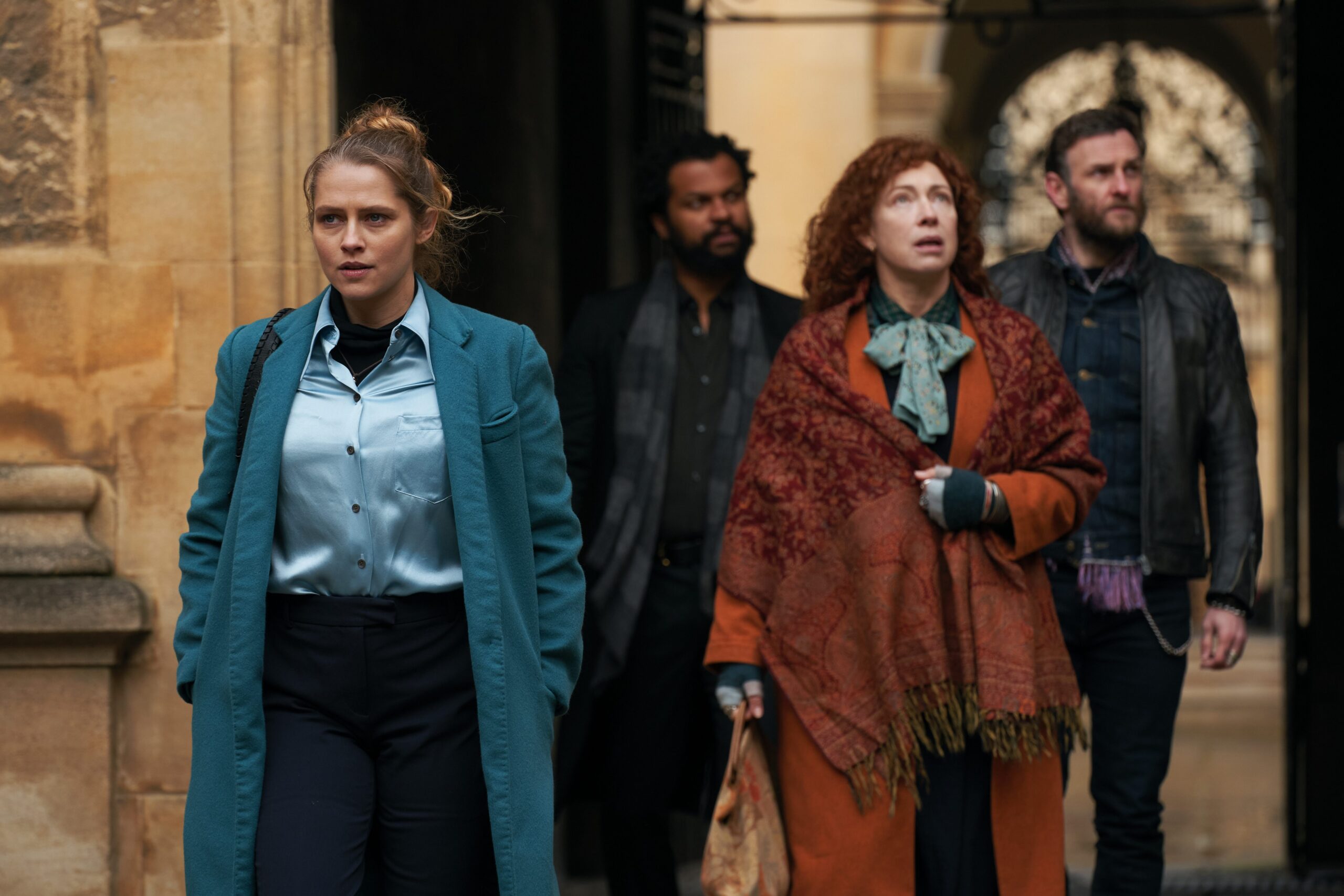
In my view, the third season of A Discovery of Witches remains a casual television production to watch in your free time. If you do not expect fireworks, epic battles, or major conflicts, the whole thing is surprisingly enjoyable. I will admit that I had a really excellent time. If you are looking for light fantasy about witches, this is an ideal choice for you. I do not intend to focus on the flaws, as the creators did not hide that they are not making a series on the level of, for example, Succession. Besides, in pandemic times, one must be grateful that, despite everything, series are being made that you can binge in one sitting with popcorn and good company without having to overexert your gray matter.


Looking back at DEAD SNOW: A Blizzard of Nazi Gore Fun

DEAD SUSHI: Exotic, Spicy, and Wildly Entertaining

Revisiting ALICE, SWEET ALICE: Dread and Religious Symbolism

PUPPET MASTER: LITTLEST REICH – Achtung! It’s Good!
