
Review
TRON: ARES. True pleasure and pure eye candy
Since this franchise has already died and been resurrected twice, perhaps another Tron will eventually emerge.

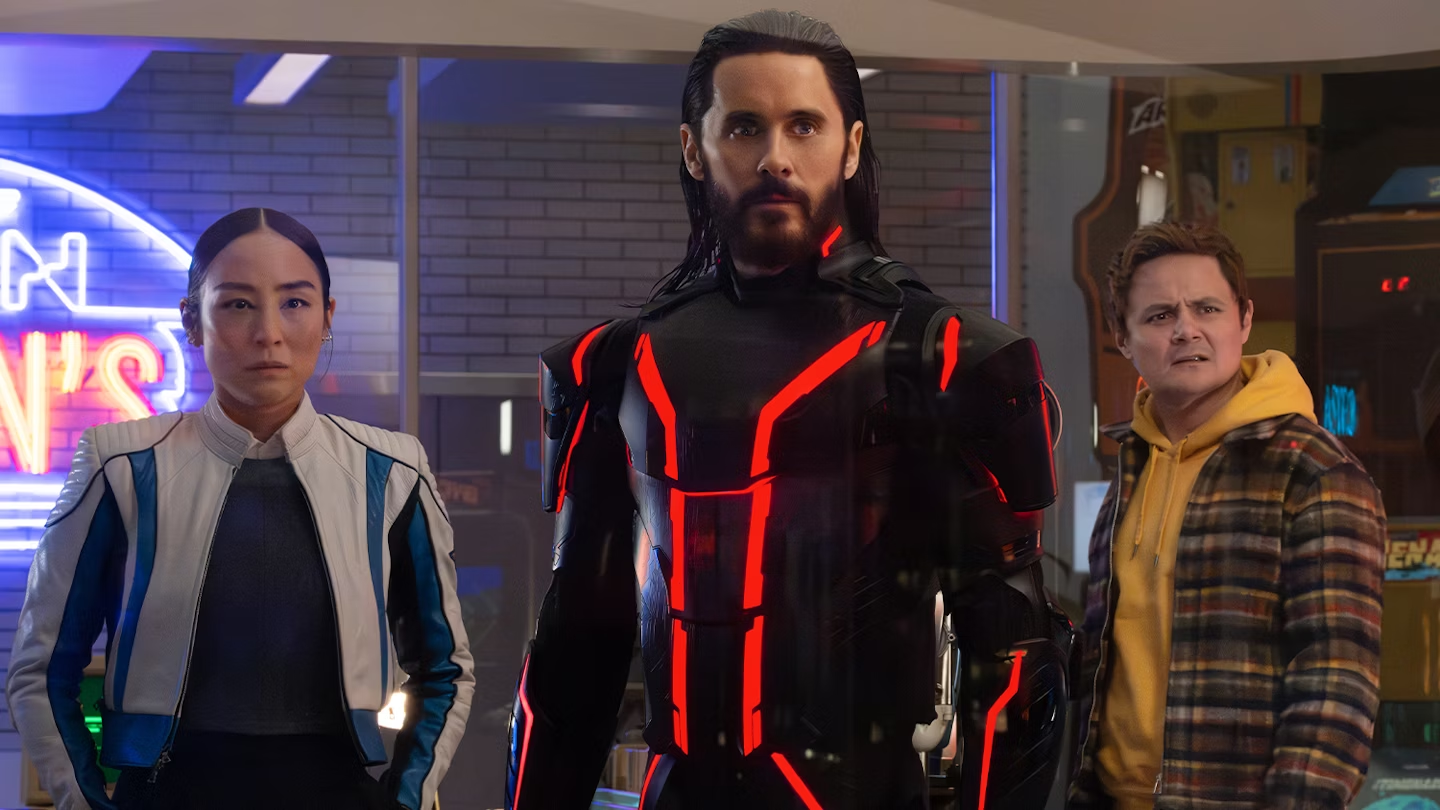
The Tron series, which currently consists of three films and several spin-off products (video games, a TV series, a comic), is one of the most unique pop culture franchises—both in terms of theme and visual style, as well as its peculiar approach to releasing sequels. It debuted in 1982, then spent twenty-eight years on the shelf before being revived in 2010 by Joseph Kosinski, only to be frozen again. Viewers have had to wait fifteen years for the third installment of the trilogy, titled Tron: Ares.
The long gap between installments means that the “third” film isn’t a direct continuation of its predecessor. Viewers—apart from the franchise’s most devoted fans—barely remember the story of Legacy, not to mention the original. To bring audiences up to speed, the film opens with news footage summarizing the key past events. Julian Dillinger (Evan Peters), the grandson of the first film’s antagonist, now heads a corporation on the verge of a breakthrough: developing technology that allows digital entities to cross over into the “real” world.
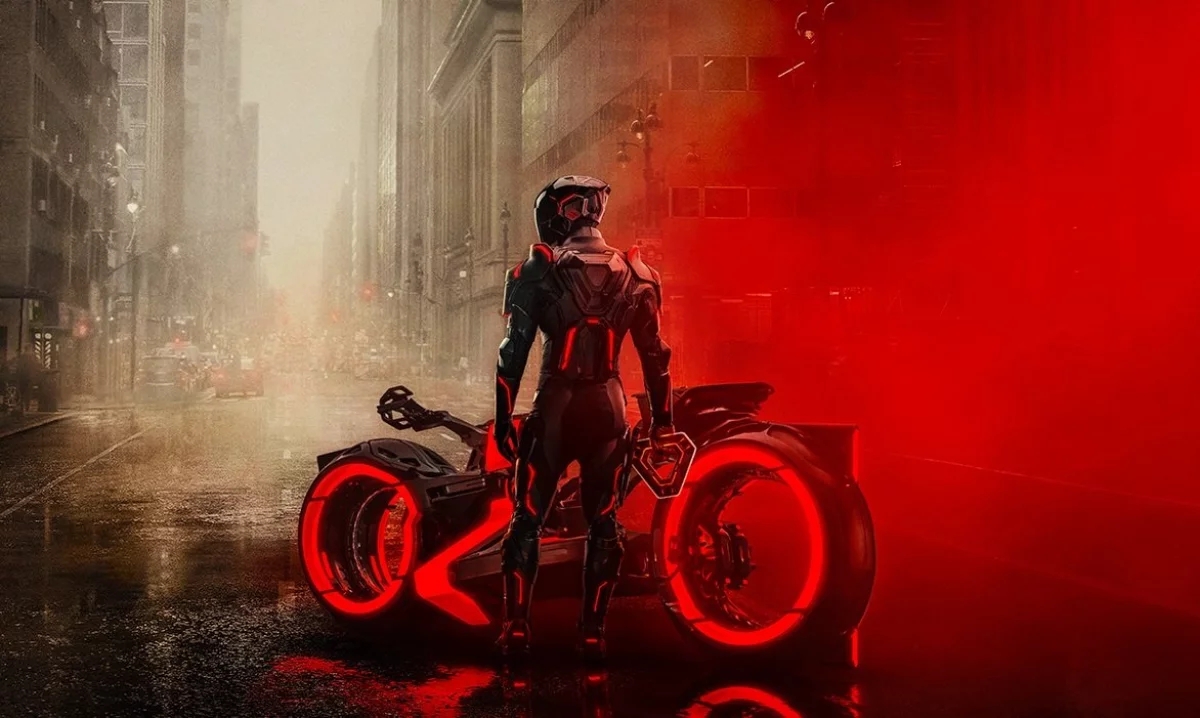
Dillinger plans to use it to create the perfect soldier for the military—Ares (Jared Leto). The problem is that these teleported entities are unstable, making their practical use in warfare uncertain. However, a rival company—Encom, known from the previous films—has found a solution. Dillinger will stop at nothing to get his hands on his competitor’s patent.
The third Tron was born out of struggle. The second installment earned a respectable $410 million, but due to its enormous budget and marketing costs, it wasn’t the hit Disney had hoped for. Even so, Kosinski had planned a direct sequel, with Garrett Hedlund and Olivia Wilde returning to their roles. The project, then called Tr3n, never received the green light from Disney executives, and repeated script rewrites delayed production. Finally, in 2015, the failure of Tomorrowland and Disney’s acquisition of the Star Wars franchise halted all work on the continuation.

Kosinski moved on to other projects, and the film—now renamed Tron: Ascension—was taken over by Joachim Rønning, known for directing Pirates of the Caribbean: Dead Men Tell No Tales. The original script was scrapped and replaced with a new one centered around Ares, an advanced artificial intelligence and digital being who enters our world. Jared Leto was cast in the lead role. As both actor and producer, Leto reportedly pushed hard for the film’s realization, and according to industry rumors, it was largely thanks to his persistence that the project was made at all.
Storytelling has never been the Tron series’ strongest suit, and the latest installment continues that tradition. The first Tron, made using the time-consuming “backlit animation” technique, was a technological milestone, but its story was no more remarkable than other fantasy or sci-fi titles of the era. The second film also offered a simple plot but delivered a rich audiovisual experience and still holds up well today. The third installment, too, has plenty to admire visually. Unlike its predecessors, most of the film takes place in the “real” world (a decision made to help control the budget), into which elements from the Grid begin to appear.
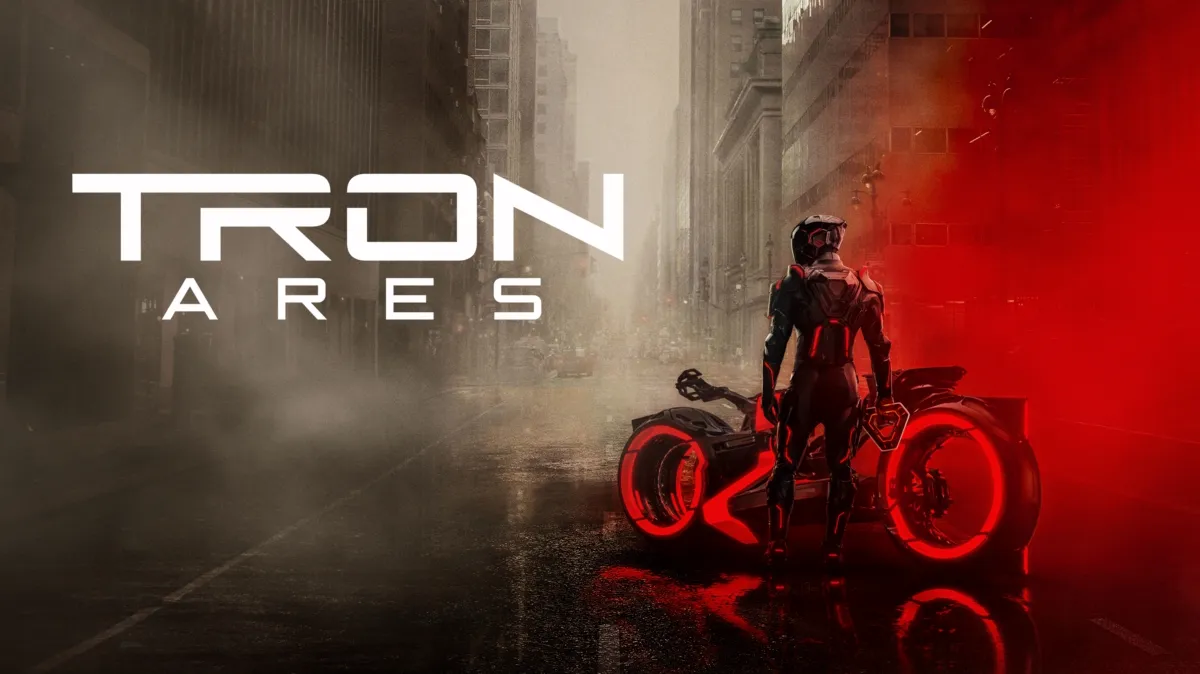
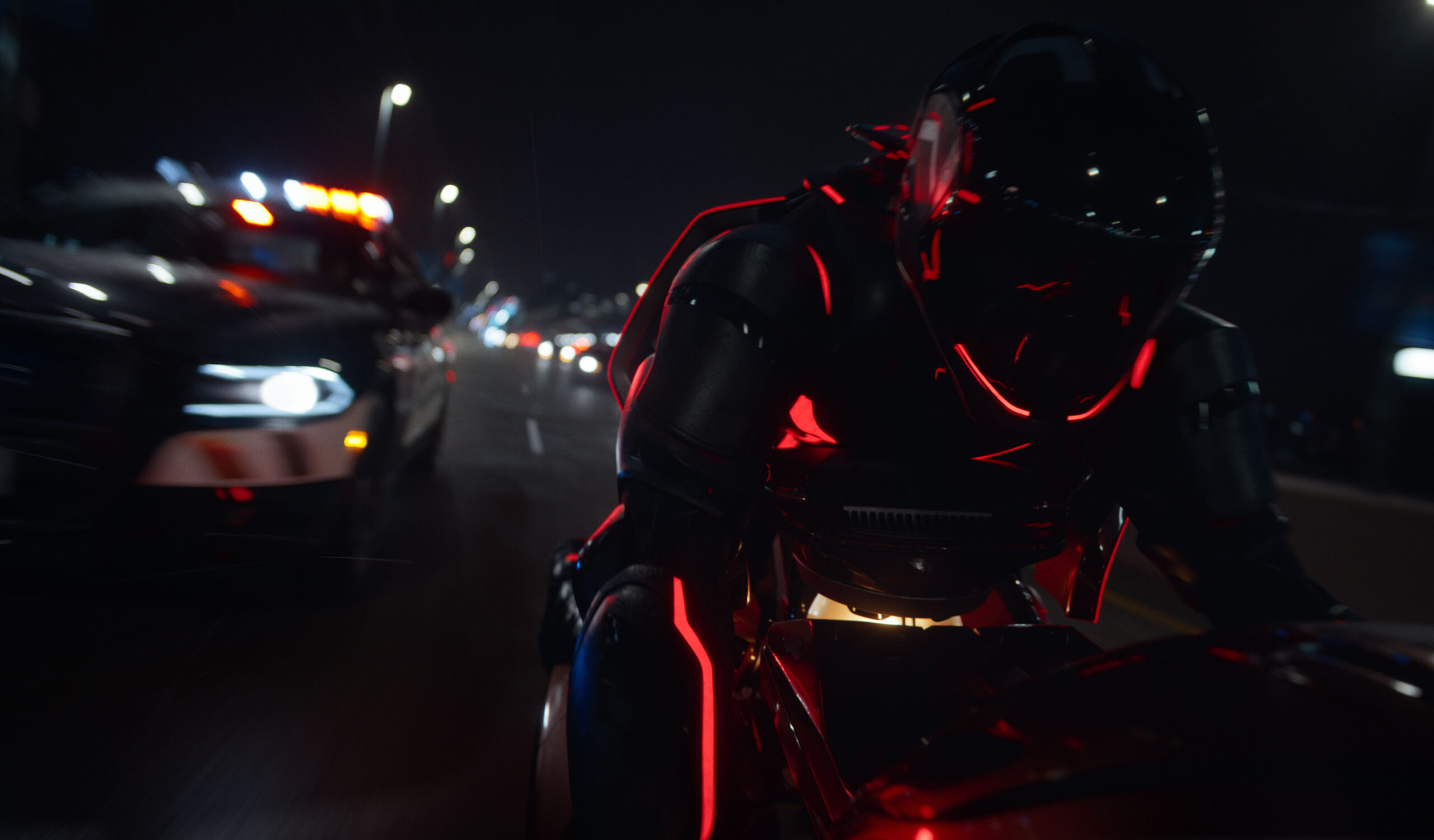
This collision of realms feels like a logical extension of Joseph Kosinski’s ending in Tron: Legacy. Unfortunately, Sam Flynn and Quorra—the protagonists of the previous film—are only briefly mentioned. The sequences depicting digital entities using technology from the Grid in the real world—such as light cycle chases through modern city streets accompanied by music from Nine Inch Nails—look fantastic and stand out as the strongest parts of Tron: Ares.
The biggest issue, however, lies in the screenplay. Simplicity isn’t the problem—it’s the structure. For nearly half the film, it’s unclear who the main character actually is: Ares, Encom’s CEO Eve (Greta Lee), or the villain Julian Dillinger? Three storylines intertwine, yet none receive enough focus, leaving the whole narrative unfocused. There are also some inconsistencies with previous films—for instance, where did these two rival corporations come from, when Tron: Legacy never mentioned them? Gillian Anderson, playing Dillinger’s mother and his moral compass, is given little to do, and her character could easily have been cut without affecting the story.
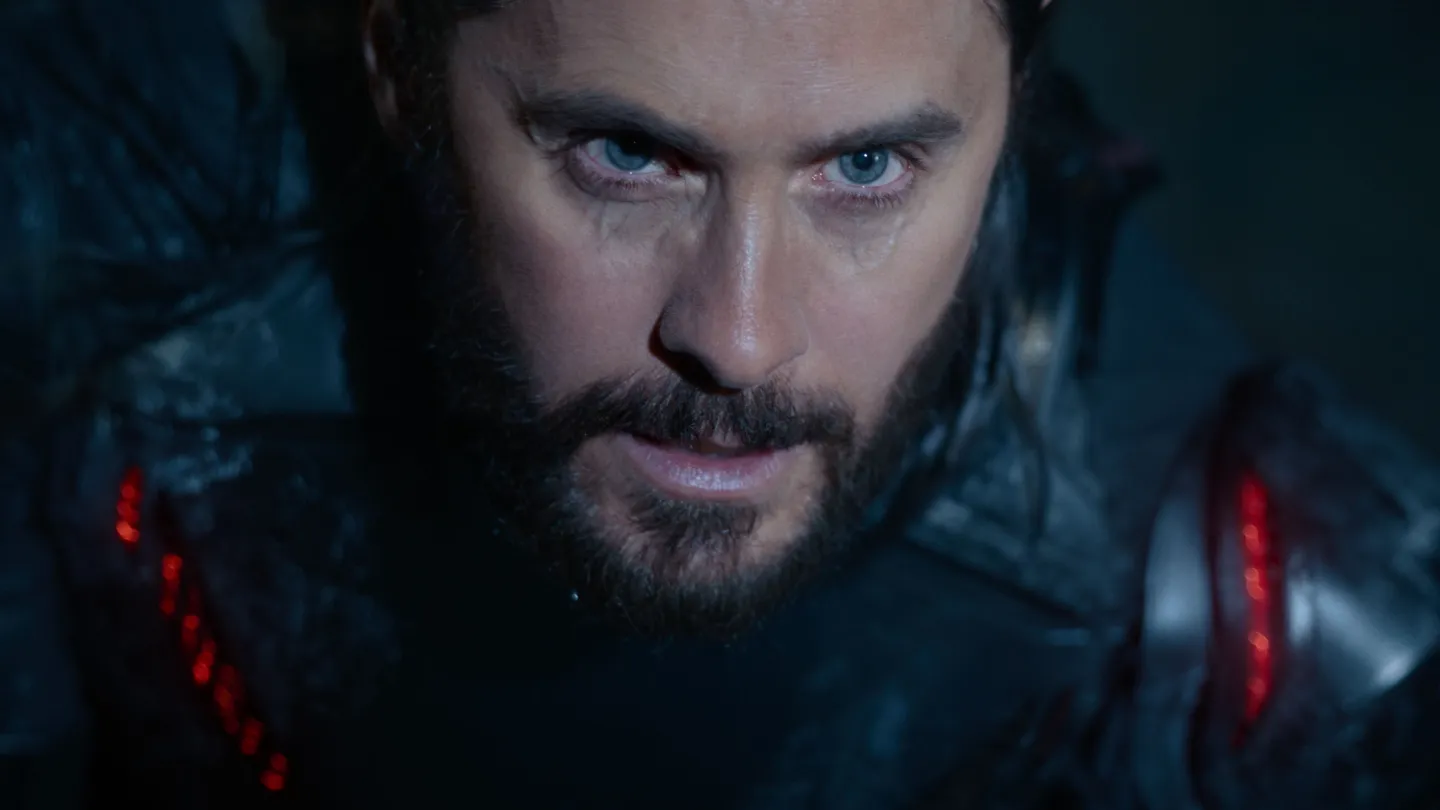
There’s also a sense of missed opportunity in the film’s philosophical dimension. The concept of transferring digital beings into the physical world begs for deeper exploration, as does Ares’s journey toward self-awareness and discovery of our reality. While Tron: Ares was clearly conceived as a light blockbuster, such themes would have been both fascinating and highly relevant today. Had the screenplay delved into them more deeply, we might have gotten something with the thematic weight of Blade Runner.
The filmmakers couldn’t resist numerous references and self-references. There are playful nods to cinematic classics—one antagonist, Athena (Jodie Turner-Smith), strongly recalls the Terminator, particularly Robert Patrick’s portrayal from the second film in Cameron’s series—as well as plenty of Easter eggs for fans of earlier Tron entries. For example, a recycling company called Dumont references a character from the original Tron, and an orange tree alludes to the first object ever teleported in that film.
There’s a fantastic sequence set in an old version of the Grid, which directly evokes the 1982 movie with its visual style, familiar locations and vehicles, and even parts of the original soundtrack. It’s also delightful to see Kevin Flynn (Jeff Bridges) return—the writers found a clever way to bring him back, and though his role is small, it carries significant narrative weight.
The ending hints at another sequel, but given the disappointing box office results, it’s unlikely to happen anytime soon. Still, since this franchise has already died and been resurrected twice, perhaps another Tron will eventually emerge. Personally, I’ve always enjoyed this world and its characters. Despite some questionable story decisions—especially regarding Kevin Flynn’s fate—I would gladly watch future installments. At the very least, the visual experience remains a true pleasure and pure eye candy.

