
Review
THE LITTLE PRINCE. Timeless Quality [REVIEW]
The Little Prince is filled with interesting personalities—flesh-and-blood characters whose imagination crosses many boundaries.

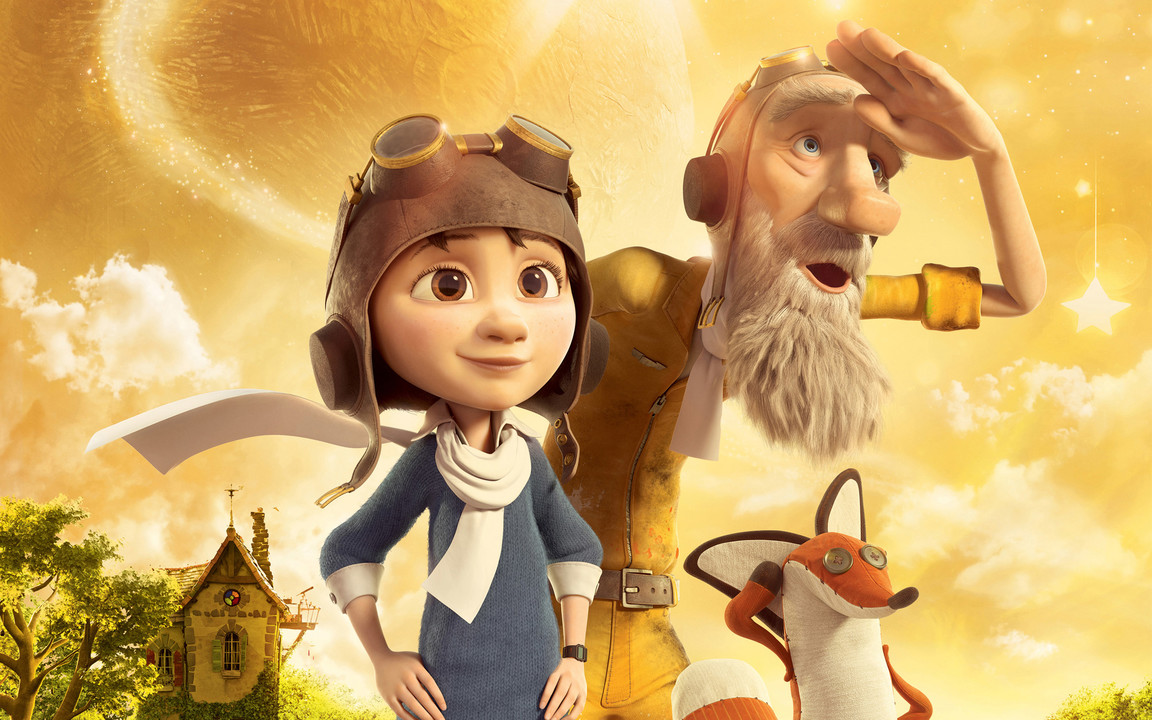
In 2015, The Little Prince returned to cinemas. Don’t expect, however, a traditional adaptation aiming mainly to faithfully recreate the magical atmosphere of Antoine de Saint-Exupéry’s book—an attempt to set its illustrations into motion. Mark Osborne (director of Kung Fu Panda) and screenwriter Irena Brignull (author of the wonderful The Boxtrolls) reached far beyond the source text. As a result, the film’s main character is not the titular boy but a young girl (MacKenzie Foy) who moves with her single mother into a terraced house in an unspecified location.
It’s also difficult to be certain what period The Little Prince is set in. It could be the 1950s, it could be the present day. Osborne’s animation treats time freely, allowing each viewer to place the characters within any context of the 20th century. But doesn’t the book itself have the same timeless quality?

Next door, in a tall wooden house, lives the old Aviator (Jeff Bridges). He’s an eccentric, a weirdo, a dreamer. His rooms are crammed with junk, various inventions, relics from the past. It’s no surprise that the girl befriends him. In return, he begins telling her the story of the Little Prince he once met many years before. He writes down parts of the story on pieces of paper and gives them to her. The Aviator is, in a sense, Saint-Exupéry’s alter ego. The filmmakers imagine who he might have become had he not tragically died during World War II. As is well known, many legends and theories surround his death. The Little Prince adds a few of its own words to that narrative, further strengthening the myth of the author.
For the Aviator has been searching for the Little Prince for years, watching the stars through his telescope and building an airplane in his backyard. The girl, meanwhile, lives with an overprotective mother who wants to control every minute of her life. She has placed on her daughter’s bedroom wall a board with a precise schedule for the entire year, convinced this will guarantee her professional success. The Little Prince is filled with interesting personalities—flesh-and-blood characters whose imagination crosses many boundaries. Osborne’s film perfectly captures not only the spirit of the book but also that sense of wonder that, in the collective imagination, surrounds Saint-Exupéry’s work.
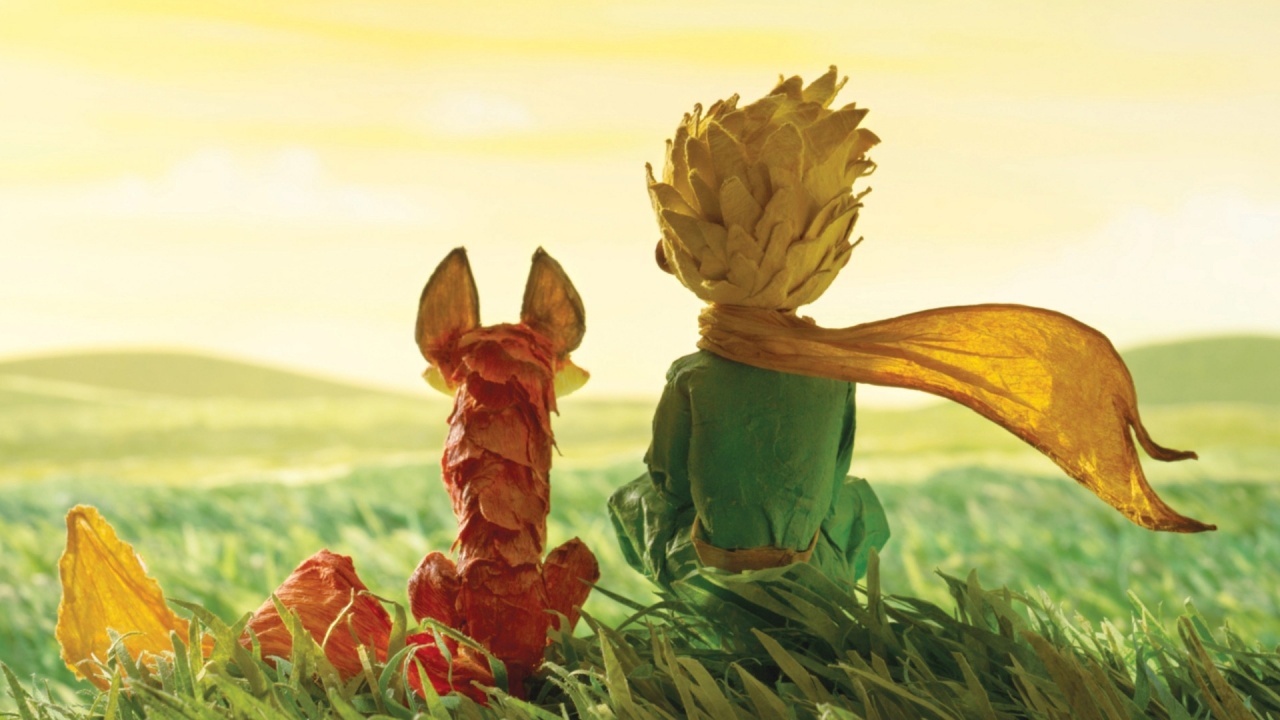
The director achieves this in part by weaving in sequences made using stop-motion animation. These scenes recreate the charming simplicity of the illustrations from the original Little Prince. The larger computer-animated sections are also executed with enormous taste and sensitivity—something even Disney or DreamWorks wouldn’t be ashamed of. Osborne’s animation is steeped in nostalgia and mystery, a genuine sense of magic so rarely present in contemporary family cinema. It has been extracted from the pages of the book in pure, crystalline form.
It is also immensely valuable that the filmmakers chose to interpret Saint-Exupéry’s work rather than merely retell it. The entire final act of the film is an expanded, inspiring reading of the book’s metaphorical parables—an interpretation of its ideas and a translation of its symbols into real life. Thanks to this section, Osborne closes his film in a brilliant way, encouraging viewers to return to the French writer’s fable. It’s a screenwriting triumph. To me, The Little Prince is a fulfilled vision of what animation can be—crafted with a delicate, sensitive hand, genuinely wise, ambitious in execution, and engaging in its substance.

The film also has an intergenerational resonance. It shows what the relationship between people born decades apart should look like. Such is the bond between the girl and the life-worn Aviator. Osborne convincingly connects these two characters and also—perhaps above all—offers his own personal tribute to Saint-Exupéry, who, for young readers today, is already that grandfatherly figure. A grandfather inviting them to climb into the airplane he built and fly toward the stars.


Looking back at DEAD SNOW: A Blizzard of Nazi Gore Fun

DEAD SUSHI: Exotic, Spicy, and Wildly Entertaining

Revisiting ALICE, SWEET ALICE: Dread and Religious Symbolism

PUPPET MASTER: LITTLEST REICH – Achtung! It’s Good!
