
Review
Revisiting YOUTH: Humour, Melancholy and Nostalgia
Youth is full of warmth and humour, but it does not lack melancholy and nostalgia either.

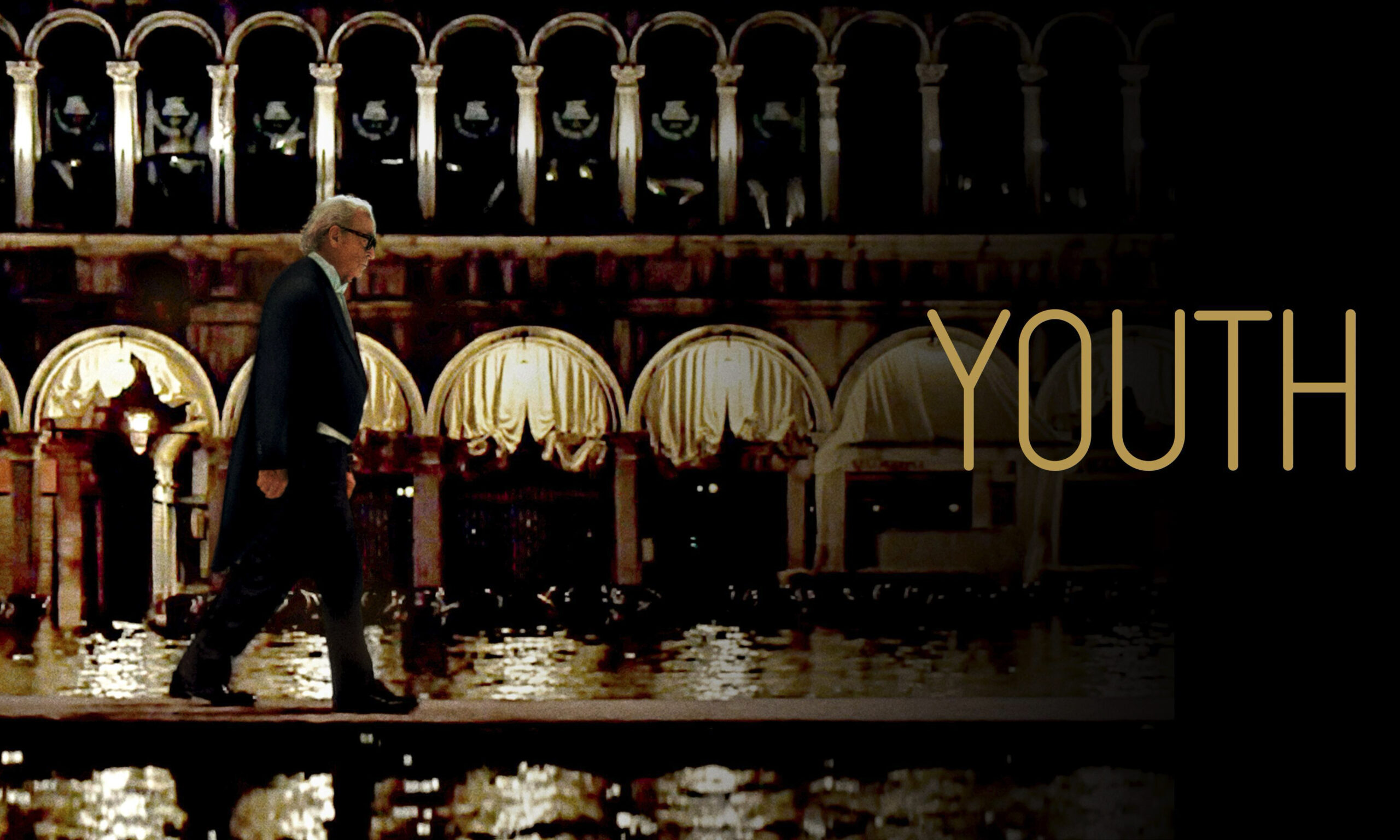
At the moment of the lights dimming before Youth by Paolo Sorrentino, I was full of worries. Partly because big names had disappointed me more than once this year. Another matter that cost me sleep, however, was the fact that the Italian’s film was made in English, with an international cast. We all know that Western producers often manage to ruin the work of even the best director.
After watching the trailer and reading the description of Youth, I had the impression that Sorrentino might simply create a simplified translation of The Great Beauty into a cinematic language understandable to the American audience. Hence this cast, hence the decision to leave Italy. When the lights in the Lumière auditorium in Cannes began to rise again, I knew all my fears had been unfounded. Youth is not a copy of The Great Beauty, although it matches the melancholic tale of the autumn of Jep Gambardella’s life.

During the press conference Sorrentino said that, when writing the script, he had not drawn on the prose of Thomas Mann, though there was probably more coquettishness than truth in that statement. Some of the film’s footage was shot in Davos, the Swiss town that once became the stage for the events of The Magic Mountain. Mann’s characters stayed in a mountain sanatorium for the upper classes. In the shadow of the soaring peaks, time began to be felt as something material yet difficult to define. Present, but impossible to grasp or describe. The second one is Death in Venice, which tells the story of an Italian journey of a composer standing at the threshold of death.
Another of Mann’s texts also dealt with time and memories, being a spiritual predecessor of The Magic Mountain, which was initially intended as an ironic commentary on that story. The thematic epicentre of Death in Venice was, what a coincidence, youth. The author contrasted it with old age, trembling with fear at its ephemeral nature. Just like Paolo Sorrentino, who contemplates, reflects, moves, but also amuses, because time cannot be stopped, we can only laugh in its face.

Sorrentino’s protagonists are staying in an Alpine sanatorium for the upper classes. One of them is a retired, world-famous composer (Michael Caine), the other an acclaimed director (Harvey Keitel). Besides them, the facility houses a well-known actor preparing for his role (Paul Dano), a football player strikingly resembling Diego Maradona, Caine’s daughter (Rachel Weisz), suffering after separating from her husband, the winner of the Miss Universe pageant, and a whole menagerie of anonymous and eccentric characters. Caine and Keitel are friends of similar age, though their attitudes toward their old age differ.
The composer does not want to hear about further work, stubbornly rejecting subsequent invitations to perform a concert for Queen Elizabeth. Keitel, despite working with a bunch of hipsters, tries to believe that his upcoming film will be, as he puts it, a cinematic testament, a monument crowning years of successful artistic work. Contact with the problems of the younger world (Caine’s daughter’s troubles caused by Keitel’s son) and the appearance of Miss Universe, which is a shock of a physical nature, prompt them to take another look at the situation they have found themselves in.

When death is already lurking behind the doorframe, we begin to see how fleeting life is. The intellectual pleasure drawn from the screening of Youth naturally goes hand in hand with admiration for its visual side. The cinematography is by Luca Bigazzi, the same man who enchanted the streets of Rome in The Great Beauty. The shots depicting life in the Swiss sanatorium could essentially function as independent works of art. Their compositional mastery is not, however, an empty form meant to transform a script desert into an Amazon forest.
Bigazzi’s images, despite their vividness, are merely a complement to the story; thanks to them the emotional states of the characters become even more perceptible, their intellectual dilemmas more understandable. Together with David Lang’s music (his pieces also appeared on the soundtrack to Sorrentino’s previous film), they form simply an integral element of a perfect film, one that will undoubtedly be remembered for years.

In Youth the cast does not disappoint either. Caine delivers his best role in many years, his relationship with his daughter is flawless, as is the on-screen chemistry between him and Keitel. The film relies largely on the collision of their characters and their views on life, which is why it is pleasing that, as a duo, they work really well. In episodic roles Dano and Fonda also manage well.
The protagonists of Youth, however, are Hollywood old-timers who, with sorrow but also admiration, gaze at the body of a young model, reminisce about their childhood years, and without embarrassment count how many drops of urine landed in their toilet bowl today. Because life is not only big words; sometimes it boils down simply to physiology.

Youth is full of warmth and humour, but it does not lack melancholy and nostalgia either. In response to one of the press questions, Michael Caine, who had been joking throughout the entire press conference, solemnly declared that he must stop his answer, because he is about to fall apart. Before that statement he said that Sorrentino’s film is about what we begin to appreciate only when we lose it and realise that we will never be able to regain it. The understanding visible in Keitel’s and Fonda’s eyes is clear confirmation that Sorrentino has succeeded. Once again.

