Horror Movies
Revisiting RAW: As If Aronofsky Had Made Cannibal Holocaust
Nothing in Raw will frighten you, but on the other hand it is incomparably better than yet another compilation of pathetic jump scares.

Theodor Adorno once wrote that the avant-garde is monstrously old-fashioned, and it is hard to disagree with this when observing current trends in horror cinema. The Babadook, Get Out, The Witch – these are just a few examples from recent years that have changed the face of the genre. Thanks to them, horror is no longer merely exciting entertainment, but one of the last bastions of artistic and screenwriting freedom. Raw.
There is, however, another side of the coin—arthouse has now become so popular that it has transformed from an alternative into yet another dominant formula and often poses a challenge to its creators. In almost every case (including the three mentioned above), we are dealing with feature-length debuts, and attempts to clear ever-higher bars have yet to come. Is this a trend that may grow tiresome? If it continues to be grounded in stories unlike any that came before, everything suggests that it will not, and Raw is a very good example of this.

The strength of this kind of horror lies not only in direction reminiscent of the achievements of European masters from the 1950s and 1960s, or in a shocking twist, but also in the topicality of the subject matter embedded in the very foundations of the screenplay. In It Follows, the viewer confronts promiscuity; in Get Out, racism (or perhaps even more so its caricature reflected in the mirror of political correctness); in The Babadook, depression; in The Transfiguration, alienation.
Raw may appear much less serious in this lineup, and if the plot description is reduced to the absolute minimum—namely, the story of a vegetarian who, as a result of so-called hazing, is forced to eat meat and consequently turns into a predatory cannibal—one might get the impression that Julia Ducournau created a comedy-horror on the level of Troma Studios or Japanese oddities that traumatize viewers raised on Western cinema.
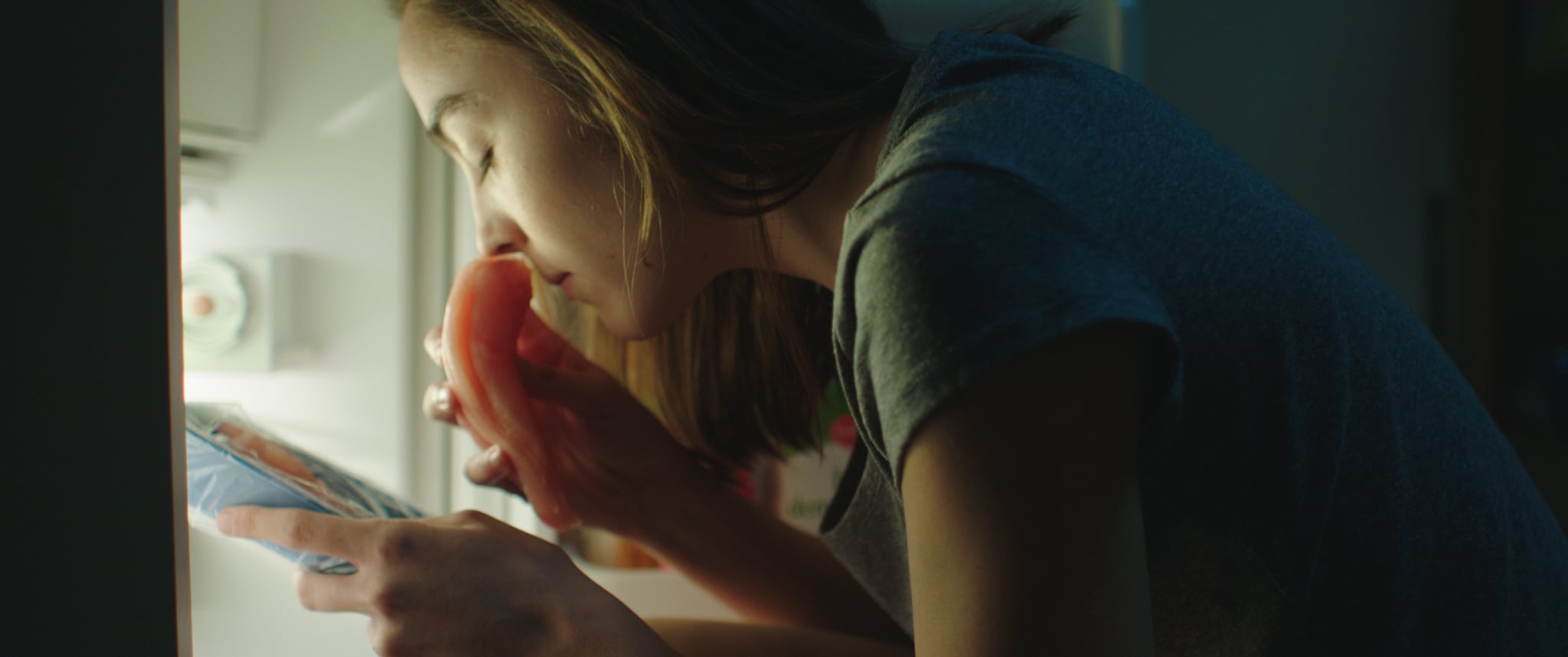
Nothing could be further from the truth; Raw is a body horror in which, however, the disease of the soul is more important than the devastation of the body. If Darren Aronofsky had made Cannibal Holocaust, we would probably have received something akin to Raw. An emotional coming-of-age story and a turbulent awakening of hormonal desire directed in an unusual way, though intertwined with sexual fantasies.
Justine exhibits behavior typical of drug addicts or chronically infatuated people. She is driven by primal fascination, but each subsequent encounter with the object of desire brings increasingly weaker sensations. The brain enters a state of deep freeze, and as a result the reward system largely loses its ability to respond to new stimuli.
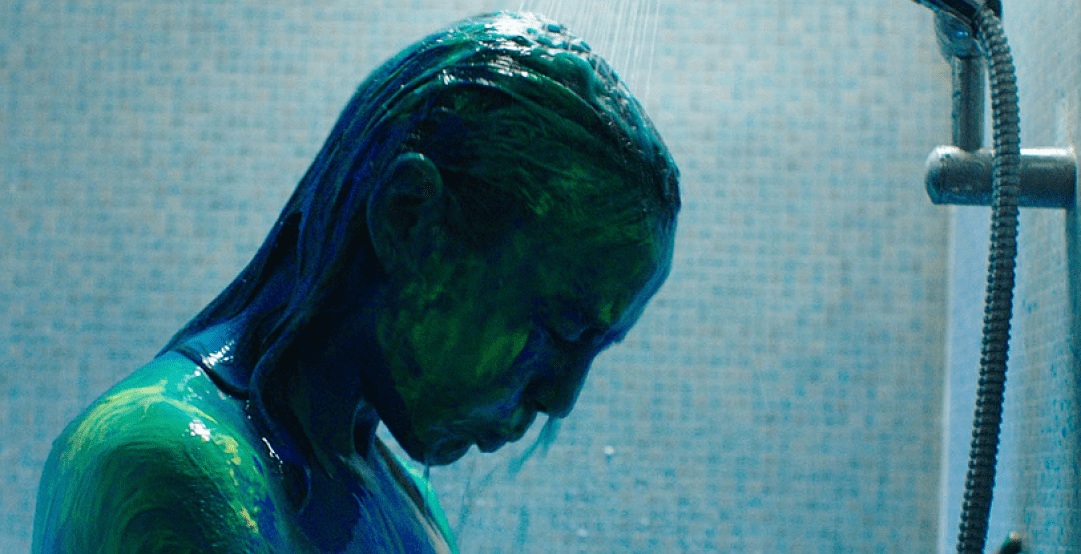
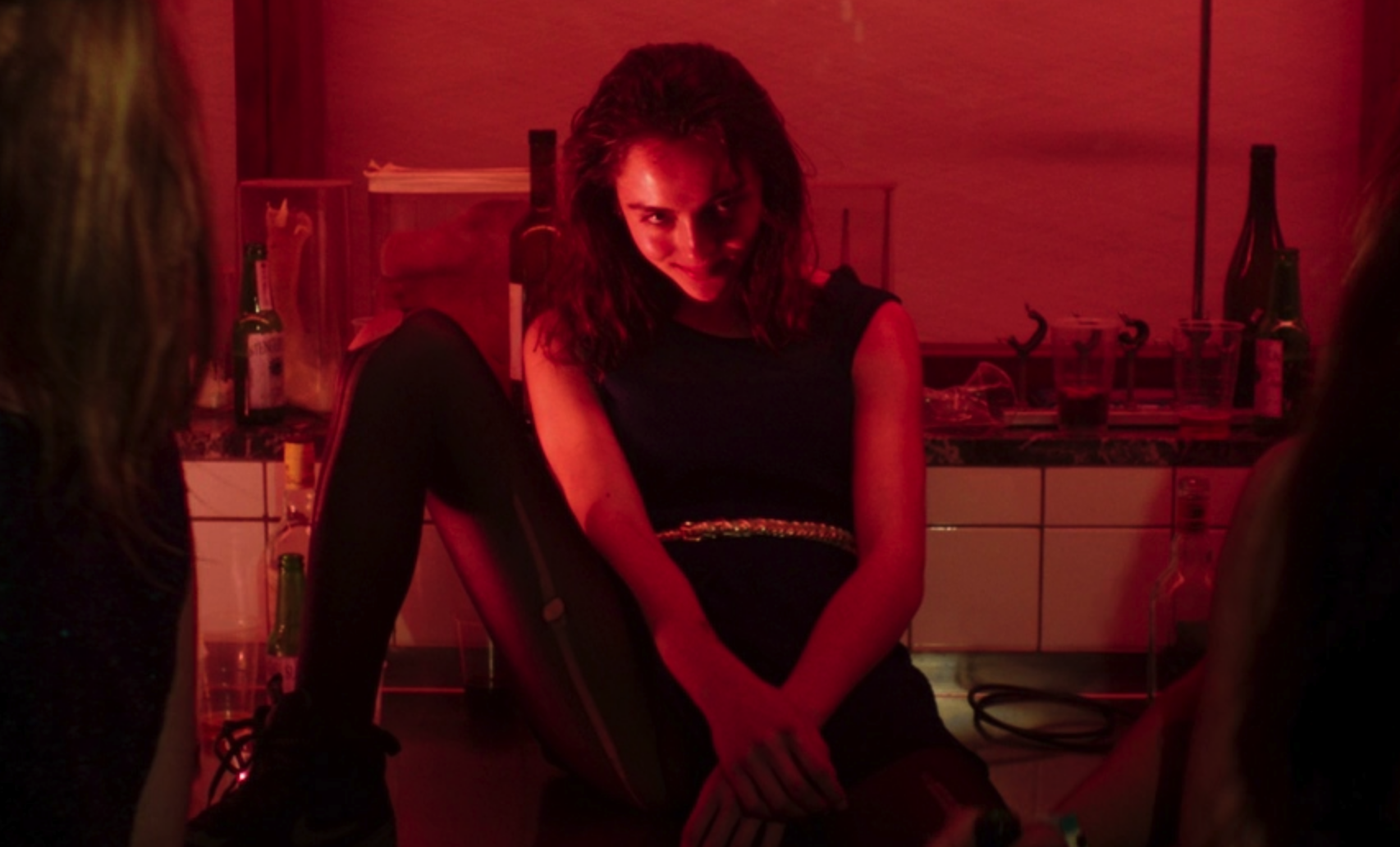
The consequences are easy to predict—Justine needs more, faster, stronger, which draws the attention of her peers living in the surrounding dormitories. There is a great deal of metaphor and finesse here, but the most important ingredient is not missing—bloody, uncompromising gore scenes.
There are not many of them—creators of arthouse horror are always aware that anticipation and mystery evoke greater fear than a crime or a criminal shown on screen—nevertheless, the realism of the execution impresses every single time.
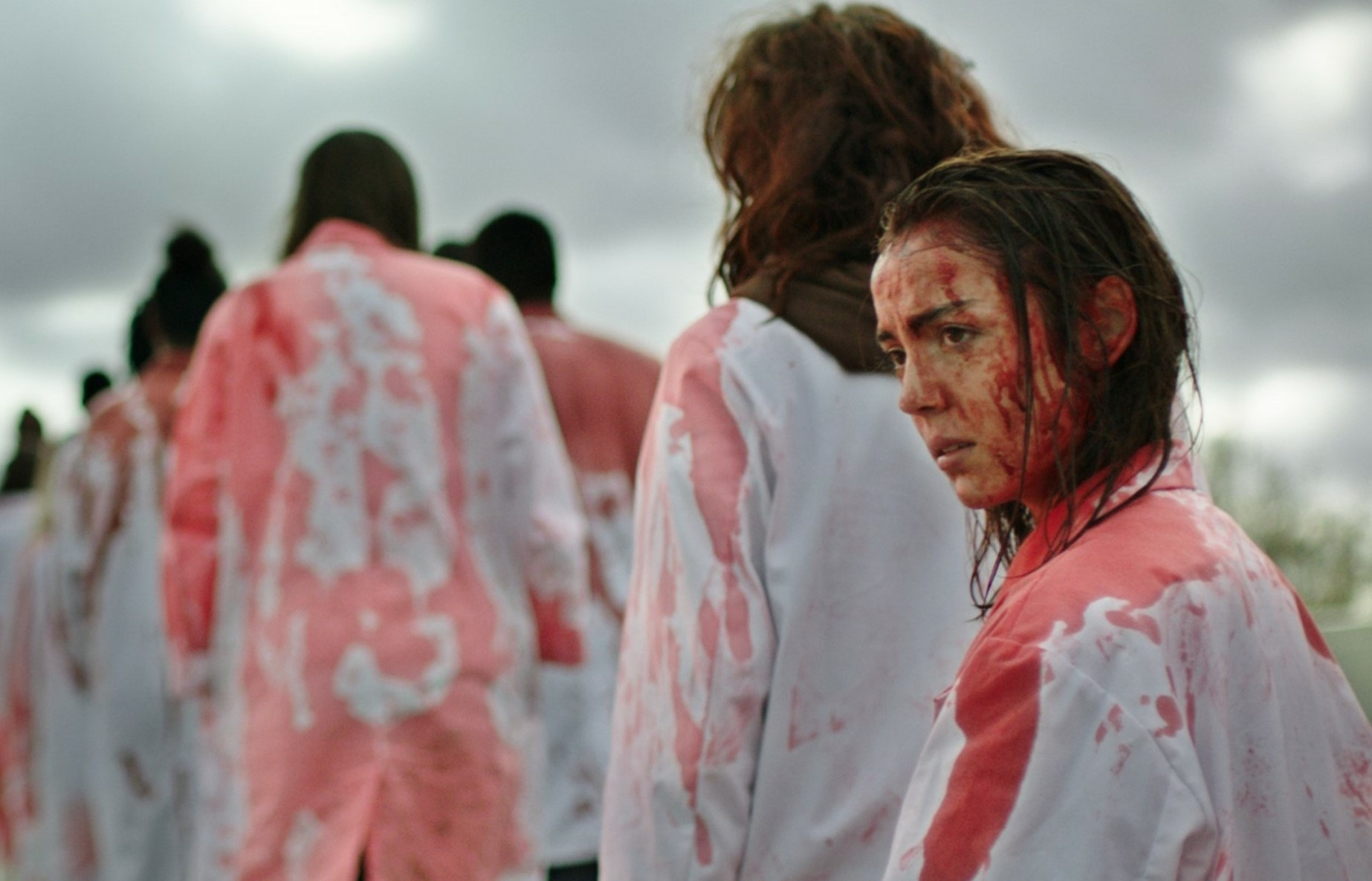
Apparently, during some screenings people left the cinema halls, unable to endure the sight of bodies being torn apart and chewed. Unless these were screenings intended for primary school students, it is difficult to believe these reports.
Ducournau certainly wanted to shock and provoke, but it is hard to make an impression on a contemporary viewer comparable to the one The Exorcist made in 1973.
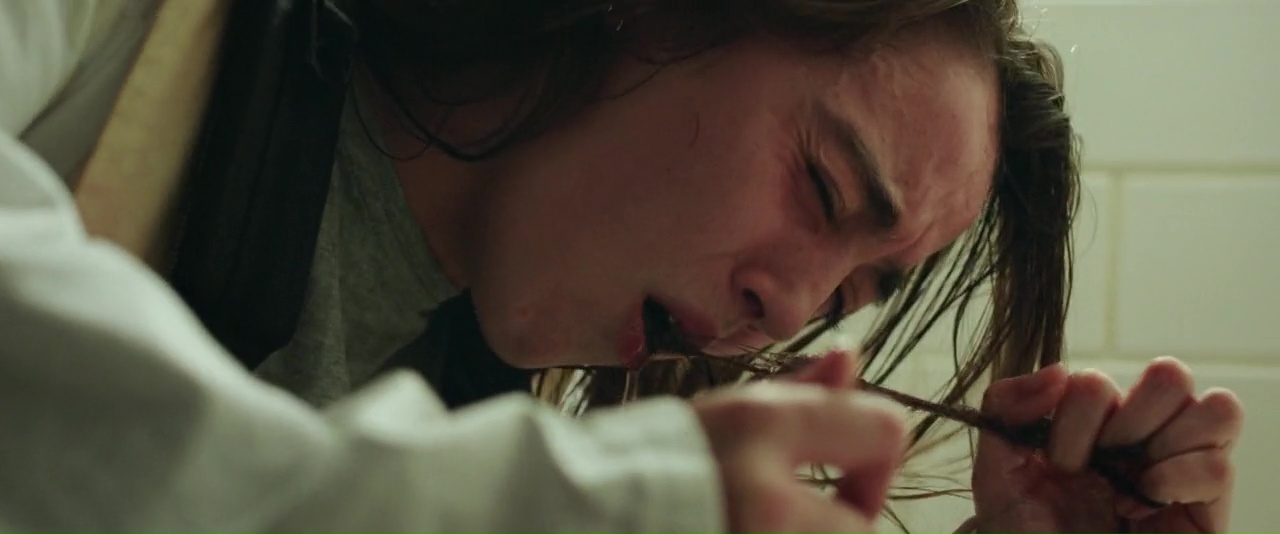
The uncritical praise and a kind of hype that arose around Raw are somewhat exaggerated, and the most serious charge is the lack of an appropriate atmosphere that would allow one to think of this film as a horror; it is closer to a psychological drama in the spirit of Roman Polanski’s Repulsion.
Nothing here will frighten you, but on the other hand it is incomparably better than yet another compilation of pathetic jump scares. It is worth watching the debut of the French director, but it is not worth expecting a revolution from it.