
Review
BREATHE. Pleasant, Competent, Restrained Film
Breathe portrays a man who nearly buckled under the weight of illness, but ultimately endured — though it is Diane who emerges as the film’s true protagonist.


Viewed today, Breathe feels like a film of moderate virtues: pleasant, competent, restrained. The story of Robin Cavendish, a British tea merchant struck by polio, always seemed like ideal material for a polished directorial debut — and that is exactly what Andy Serkis delivered. The actor who made film history through motion-capture performances (most famously as Gollum in The Lord of the Rings and Caesar in the modern Planet of the Apes trilogy) chose to begin his directing career with a film that moves the audience emotionally, but rarely unsettles or challenges it.
Robin Cavendish (Andrew Garfield) is introduced as a young, strong man for whom life appears to fall neatly into place. After military service, he co-founds a tea trading company with a friend, allowing him to travel to far-flung corners of the world, and winning the heart of the woman he desires takes him only a matter of minutes. After marrying Diane (Claire Foy, then riding high on the success of The Crown), Cavendish plans another business trip — this time to Kenya.

Defying the conventions of the era, the newlyweds decide to travel to Nairobi together and remain there for over a year. It is in Africa that Diane becomes pregnant, and the Cavendishes begin preparing for their return to the UK. Then illness strikes. Contracted through airborne transmission, polio paralyzes the 28-year-old Robin from the neck down, depriving him not only of movement but also of the ability to breathe unaided. Cavendish becomes what doctors refer to as a “respirator patient,” entirely dependent on mechanical ventilation. Though he is given only a few months to live, Robin ultimately survives for more than thirty years, managing not to miss almost any significant moment in his family’s life.
That longevity, however, tells only half the story. The other half is Robin’s profound desire to die, present from the moment he hears his diagnosis. Confined to a hospital bed on the eve of his first child’s birth, he sinks into a despair that makes depression seem almost mild by comparison. Unable to hold his son, unable to reciprocate the warmth of his devoted wife, Cavendish gradually withdraws inward until he can barely whisper the words: let me die. With no hope of recovery or even meaningful improvement, death appears to him as the only form of release.
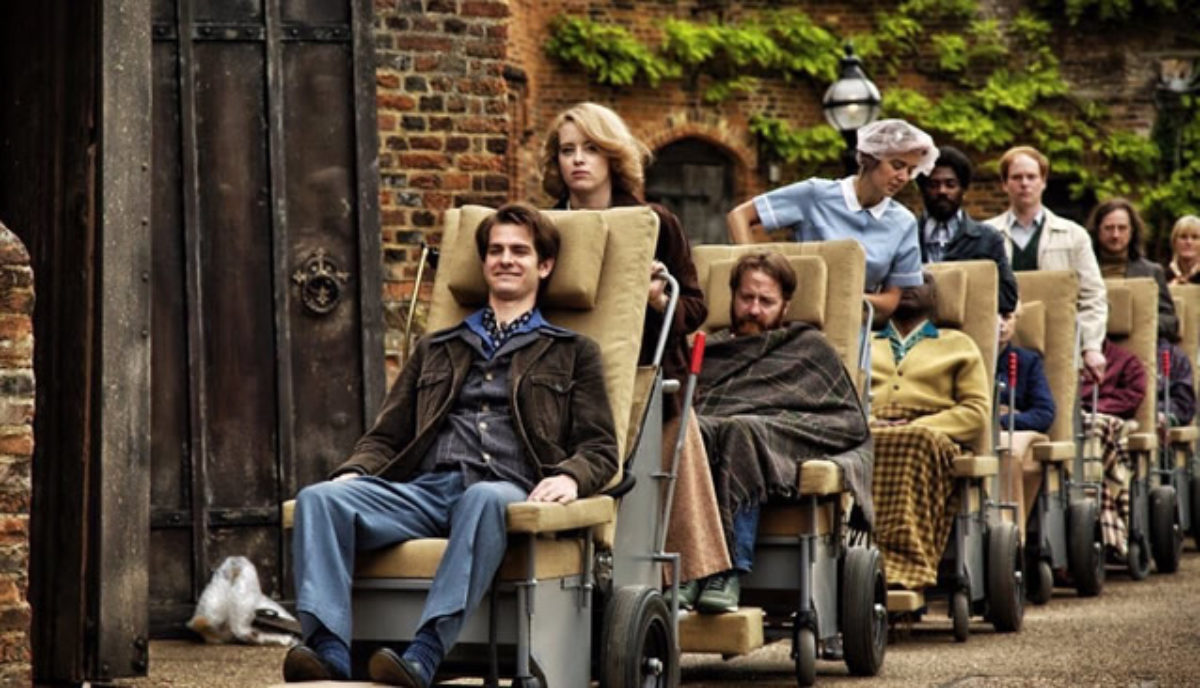
The doctors’ prognosis is merciless: Robin will not live long enough to see his son grow up. Hoping to spare himself and others further suffering, he asks to be disconnected from the machines keeping him alive. This proves impossible for two reasons: hospital regulations, and Diane Cavendish. Refusing to accept any of her husband’s arguments, she devotes herself entirely to his care — not through pity, but by doing everything in her power to ensure he remains a full participant in family and social life.
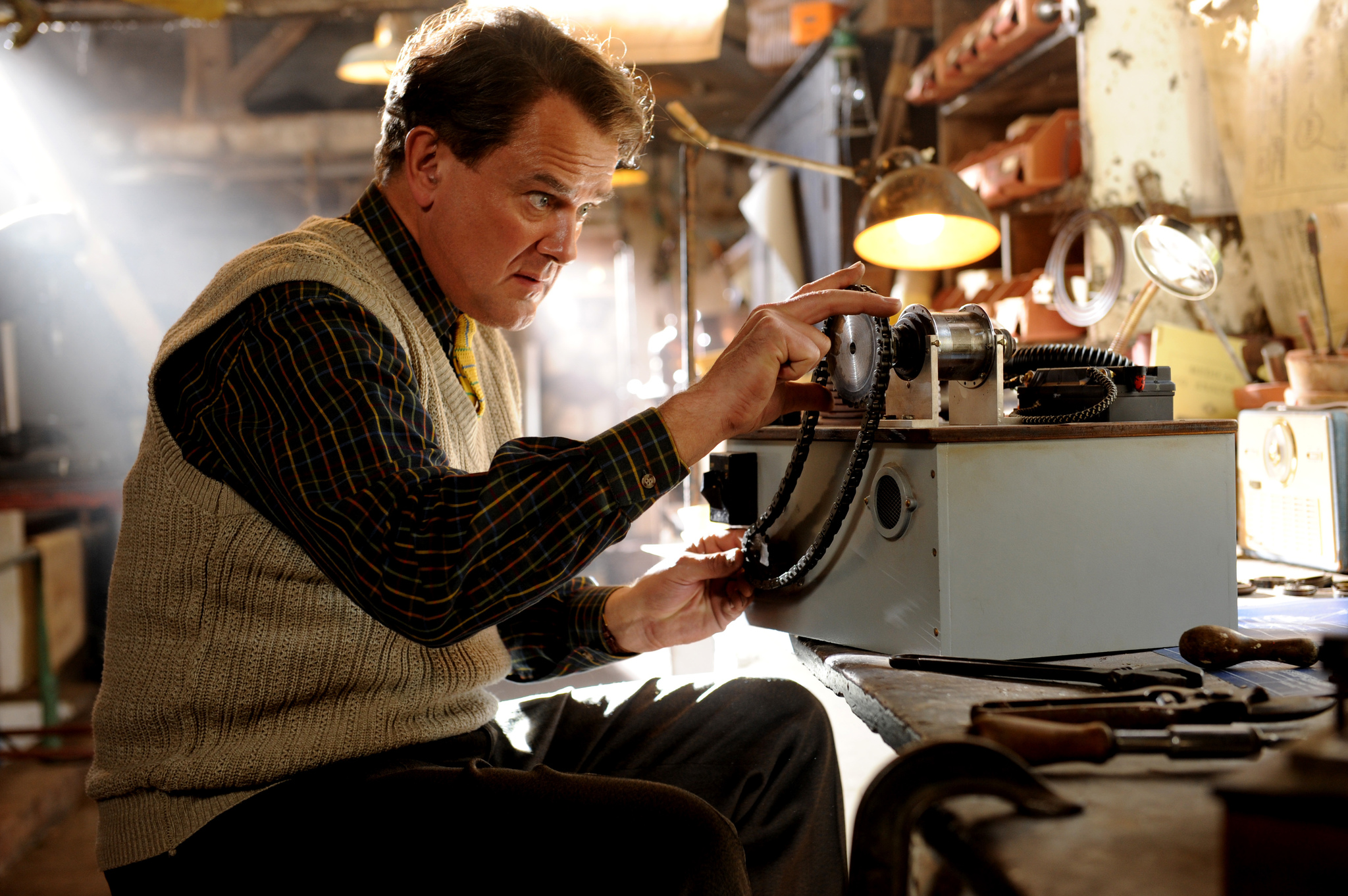
There is undeniable pleasure in watching Robin’s small victories: his illegal transfer from hospital to home, or the moment when a friendly engineer designs — based on Cavendish’s own ideas — a battery-powered wheelchair that allows respirator-dependent patients to move freely while remaining alive. Despite his condition, and thanks to the tireless efforts of those around him, Robin gradually regains his will to live and becomes an advocate for the rights of severely disabled patients worldwide. Breathe portrays a man who nearly buckled under the weight of illness, but ultimately endured — though it is Diane who emerges as the film’s true protagonist, imbued by Claire Foy with remarkable strength and quiet nobility.
Serkis’s film, which can be described as a blend of The Theory of Everything (2014) and The Sea Inside (2004), is undeniably uplifting and inspirational, yet painfully simplified. Despite its nearly two-hour runtime, there is little room for human frailty, particularly in Diane’s case. Breathe is constructed to celebrate the greatness of its protagonists rather than acknowledge their ordinariness. While few would question the courage or resilience of the Cavendishes after the credits roll, many viewers may wish the film had been less of a tribute and more of a lived-in biography. That reverent tone likely stems from the involvement of producer Jonathan Cavendish, Robin’s son.
In retrospect, Breathe feels like the perfect winter film — its warmth and gentle optimism capable of comforting viewers on even the coldest evenings. What it ultimately lacks is a distinctive voice that would set it apart from countless similar biographical dramas. Still, as a debut, it accomplishes its goal: a technically assured film with strong performances and elegant cinematography, confirming that Serkis possesses a solid command of the medium. Visionary ambition, perhaps wisely, was left for another time.

