Review
PENNY DREADFUL: CITY OF ANGELS – Nazis in LA
Penny Dreadful: City of Angels has scenes worth appreciating the creators for the technical aspects, but one would like to receive a more coherent story.

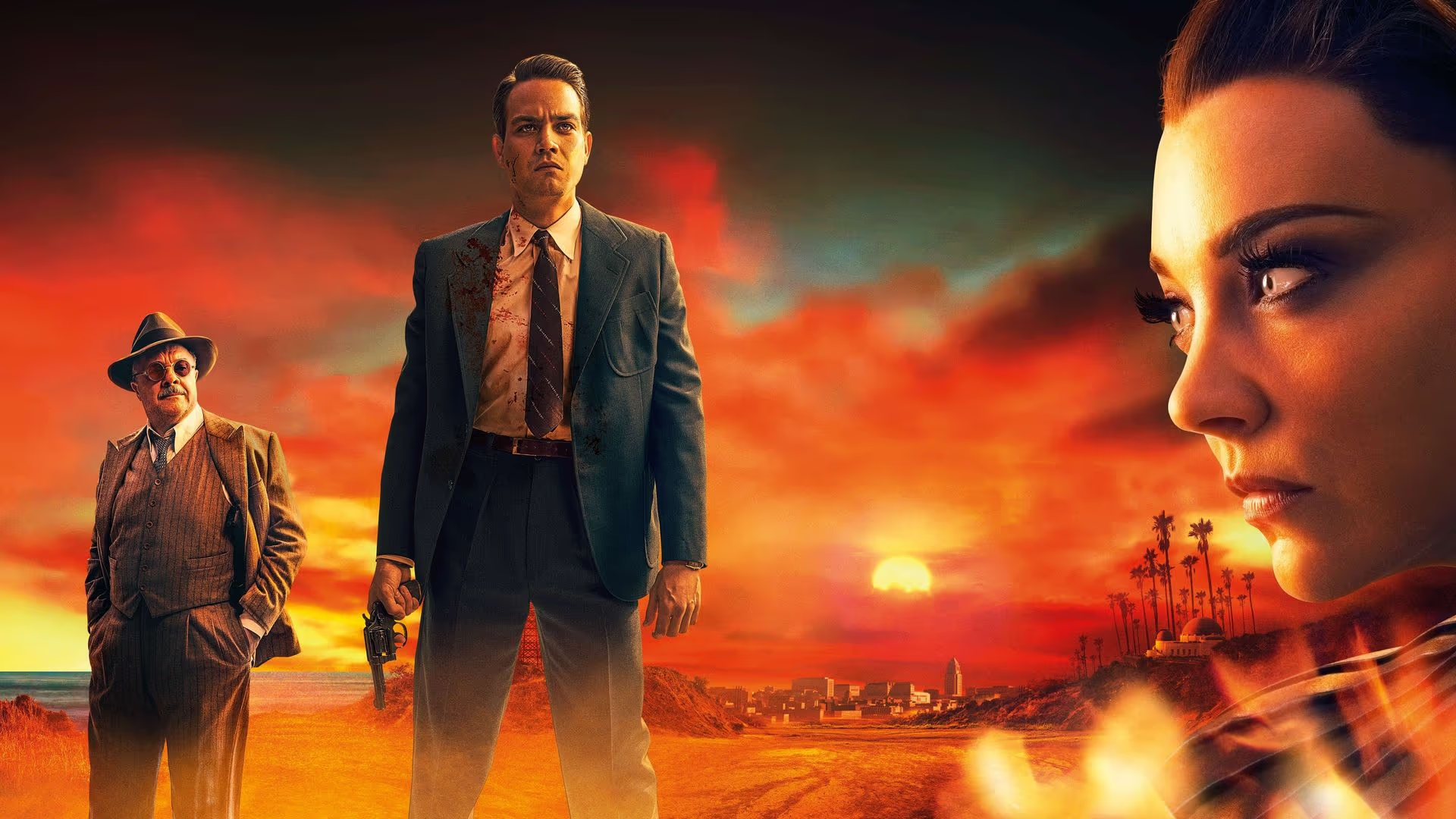
Few people expected that after the rather quick end of the broadcast of Penny Dreadful, the series would return to the schedule of Showtime. Surprisingly, however, this did happen, but with a slight correction – instead of Victorian England, creator John Logan decided to show viewers Los Angeles just before World War II. The plot of the series Penny Dreadful: City of Angels oscillates around the last peaceful moments before the outbreak of a global conflict.
And yet the statement peaceful moments is decidedly an exaggeration, as the depicted world is far from a place one would want to function in. Los Angeles is a city full of corrupt politician-hypocrites, racist-minded residents, as well as religiously inspired preachers who at all costs try to proclaim the Word of God to everyone.
If that were not enough, through the streets of the American city walks the personification of death Santa Muerte (played by Lorenza Izzo, nonetheless positively disposed towards believers) and her demonic sister (Natalie Dormer), who will stop at nothing to bring chaos and destruction.

The action develops on multiple levels. The screenwriters focus on a novice policeman Tiago (Daniel Zovatto), whose Latino blood is not accepted by his colleagues, with the exception of his Jewish partner.
At the same time, there is a thread of a German immigrant (Rory Kinnear), who keeps Nazi banners in his storage room. Crime mixes with melodrama, social drama with supernatural elements, and all this takes place in a city heated red hot not only because of the sun. It takes just a spark for riots to break out on racial and class grounds. Los Angeles is a melting pot of different cultures, whose representatives are unable to communicate with each other in any way.
Unfortunately, the high number of issues raised does not go hand in hand with quality. At times there is a great lack of clarity about what this series is essentially supposed to be.
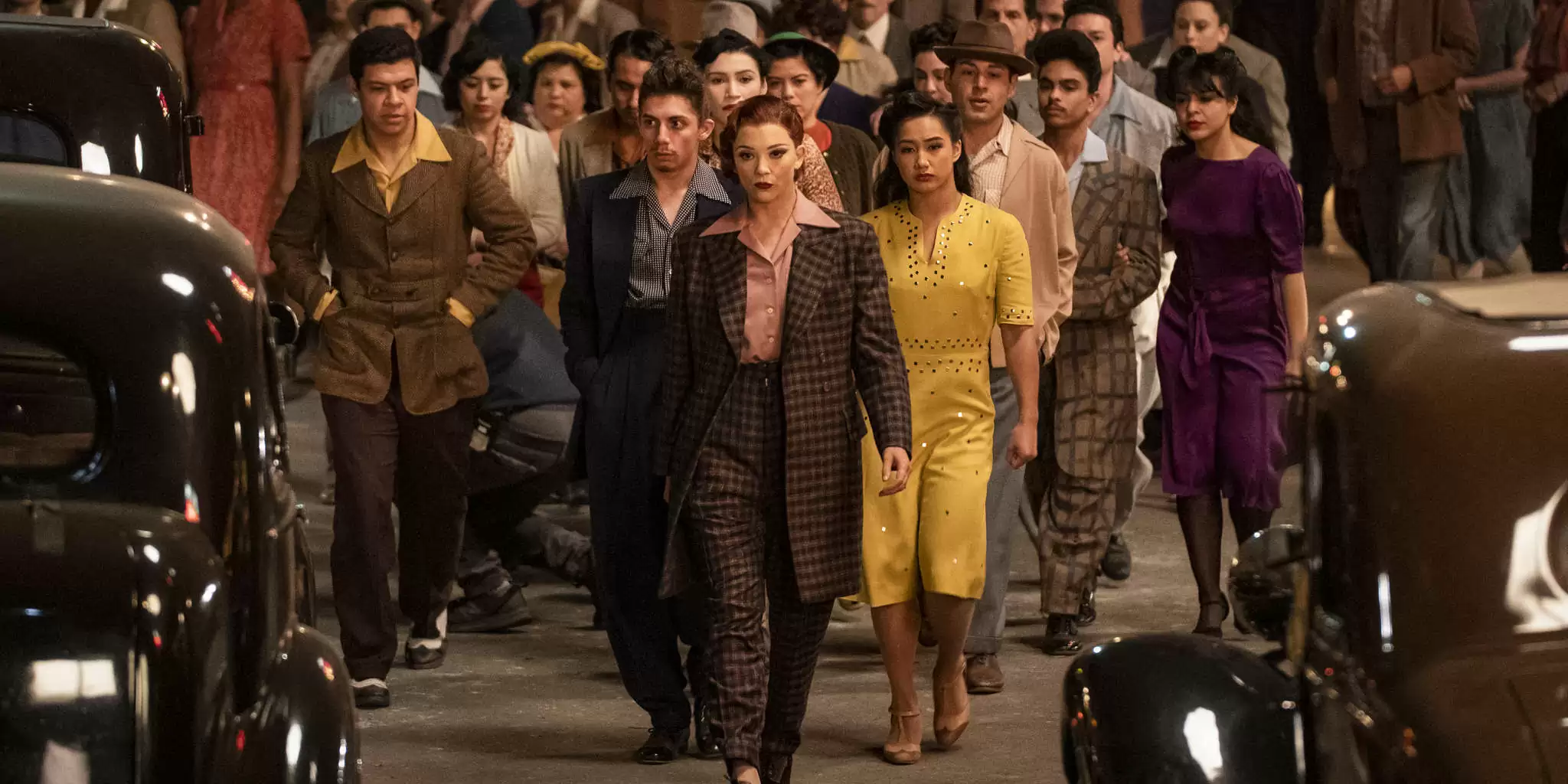
Although the aforementioned racial threads come to the fore, too often the plot strays off course. This creates the feeling that the creators wanted to present all the knowledge they had acquired about those times during their research, which did not serve the whole well. Some of these elements are worth appreciating – for example, the presentation of the pachuco counterculture, that is, people of Mexican descent born in the USA, dressing in a characteristic way in opposition to the assimilation policy of the authorities – nevertheless the action was diluted by such insertions too often to keep up the tension.

This is best seen in the example of the murder of four people, from which the proper action of the series begins. The entourage and context point to Latinos as the perpetrators. The crime scene is like a theatrical stage, on which the dead actors have been meticulously arranged. However, as the minutes go by, the investigation fades into the background.
The pair of main detectives supposedly search for the perpetrators, but in the meantime they become involved in so many different endeavors that in the end the revelation of the perpetrator’s identity is completely meaningless. This story had no impact on the entirety of the season, which had already drifted in a completely different direction. Once again, this time a bit clumsily, murder was used as bait, so that viewers would keep waiting in front of their screens to discover who was responsible.
The metaphysical addition also fits into the whole like a flower to a sheepskin coat. A few appearances of the character played by Dormer supposedly tie completely different characters and their threads together, but nevertheless it seems that in the final analysis this device – inserting demons into the real world – proved misguided.
For if one were to analyze the motivations of the protagonists, it might turn out that many of them would have acted better if not for the temptations whispered into their ears. The thing is, this removes part of the responsibility from the people committing evil. In this context, their behaviors often do not result from impulses or greed, but from the presence of unclean forces.
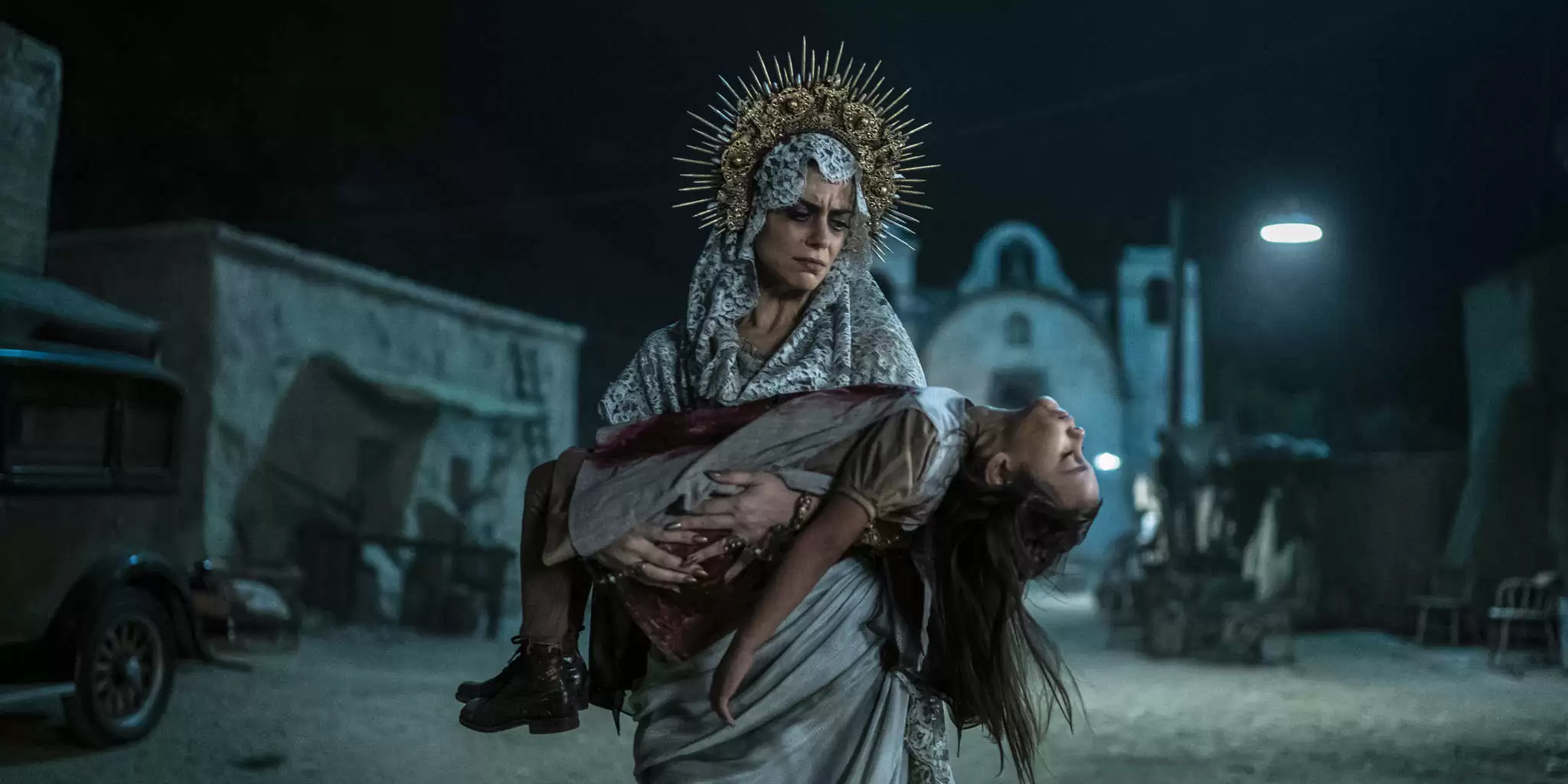
Stripping villains of free will and making them merely puppets in the hands of a demon was probably not the intention of the creators, who, as can at least be inferred from the pre-release announcements, rather wanted to show an unknown episode from the history of the City of Angels, when the Nazis were not unequivocally criticized, and racism was a common phenomenon.
Penny Dreadful: City of Angels has scenes worth remembering, but it also consists of elements one would like to forget as quickly as possible. Worst of all, it is all watched coolly, without emotional engagement, without an insistent need to learn the further adventures of the observed characters. It is worth appreciating the creators for the technical aspects, but one would like to receive a more coherent story instead of a sprawling attempt to totally present the entire reality before the outbreak of World War II.