
Review
CLOUD. In the Hell of Capitalism [REVIEW]
Cloud is an absurd work, full of surprising plot twists and somewhat unserious side threads, led by the protagonist’s assistant.

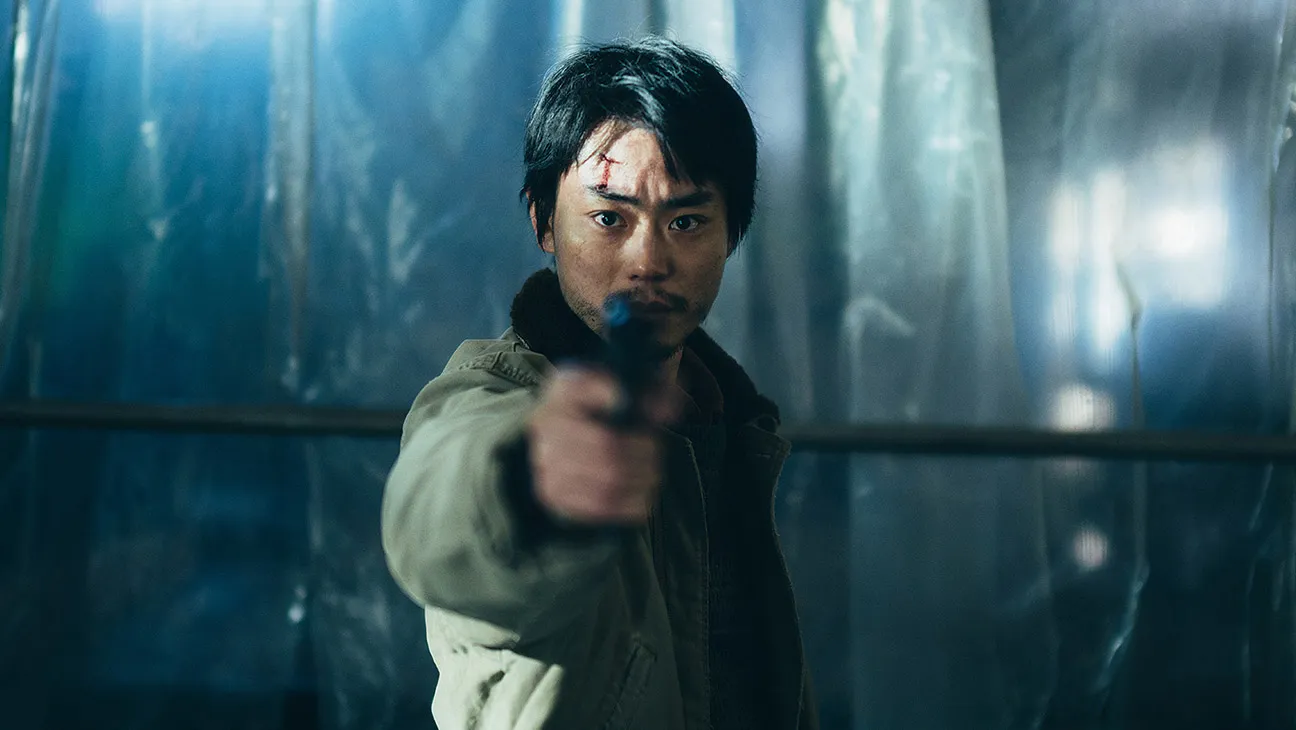
A man stares intently at his computer screen. The “miracle therapeutic devices” he put up for auction disappear in the blink of an eye—one, two, three. Moments later, the long-awaited red “sold out” label appears on every tile. Yoshii smiles to himself—each sale brings him a profit of several hundred thousand yen. He follows the oldest rule of capitalism: buy cheap, sell expensive. His knack for business allows him, as a reseller, to build his own small online empire. The quality and originality of the products play only a supporting role. The only thing that matters is the money he can make off customers who are either exceptionally inattentive or exceptionally desperate. This cynical approach ensures quick earnings, but it also comes with consequences—and those are exactly what seem to interest the director of Cloud the most.
Kiyoshi Kurosawa gained international fame as a horror filmmaker, shooting two ironclad classics of Japanese horror at the turn of the century: Cure and Pulse. Unlike Hideo Nakata, for instance, Kurosawa never limited himself to a single genre. Over the years, he has tried his hand at many different fields, making thrillers (Serpent’s Path), dramas (Tokyo Sonata), historical films (Wife of a Spy), and even science fiction (Before We Vanish). Cloud is the best proof of his directorial flexibility—it begins like a black comedy, evolves into a home-invasion-style thriller, and ends as extremely realistic action cinema, complete with an almost hour-long shootout sequence in an abandoned warehouse.
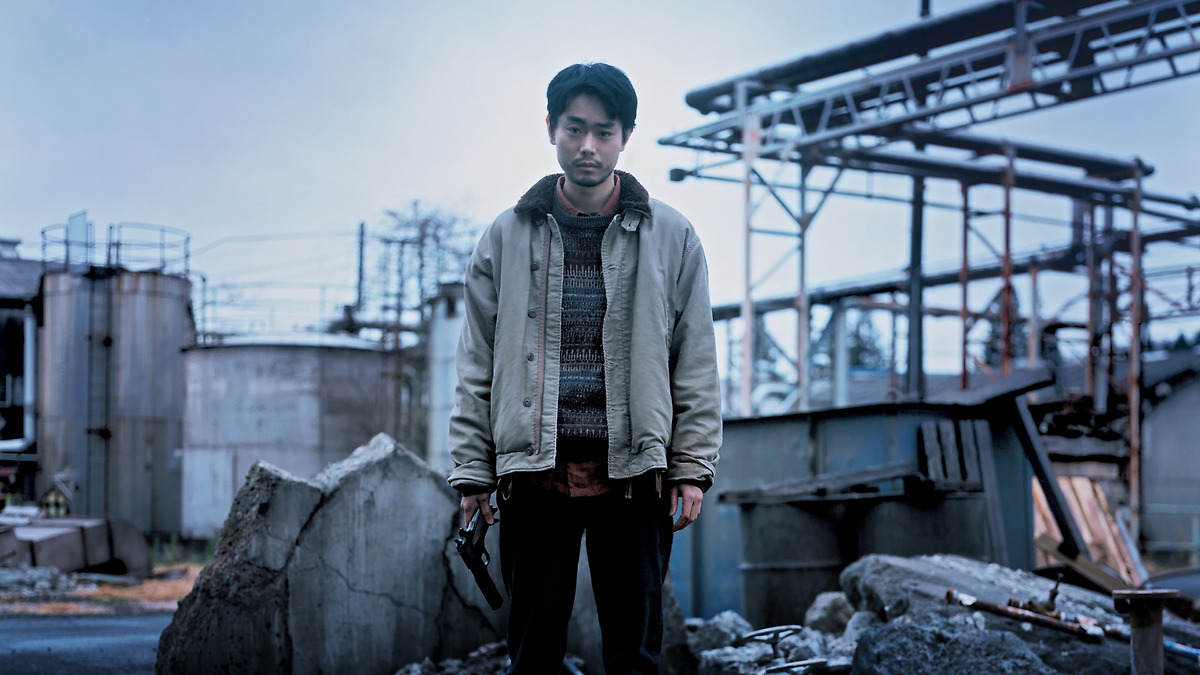
It’s hard not to respect Kurosawa for his continuous genre swerves, especially since he manages to execute them relatively seamlessly, carrying us smoothly through Yoshii’s tangled fate. The director even finds room for his beloved horror cinema. From the very beginning, he infuses the film with a sense of unease, introducing elements characteristic of the genre into its staging. Yoshii is thus tormented by late-night doorbells and objects smashing his windows, by vague dark figures and improvised traps set for him on his way home. When the protagonist—following genre conventions—steps outside to investigate, the camera slowly turns around his head and our eyes scan the space in panic, searching for danger.
In moments like these, Kurosawa is in his element. He builds a sense of dread, pushes the viewer to the edge of their seat, and then refuses to let the tension dissipate with a jump scare. He often doesn’t show anything explicitly terrifying—so while watching his films, we don’t fear anything concrete, nothing material that could be named and brought under perceptual control. As Stanisław Lem aptly noted in The Mask: “He who sees is no longer as frightened as the one who must live with mere conjecture.” The fear Kurosawa evokes is precisely this kind of conjectural fear: existential, unrelenting, impossible to neatly catalog or subdue. The method he has been using regularly since Cure still proves shockingly effective—and not only in horror, though it appears there in its purest and most powerful form.
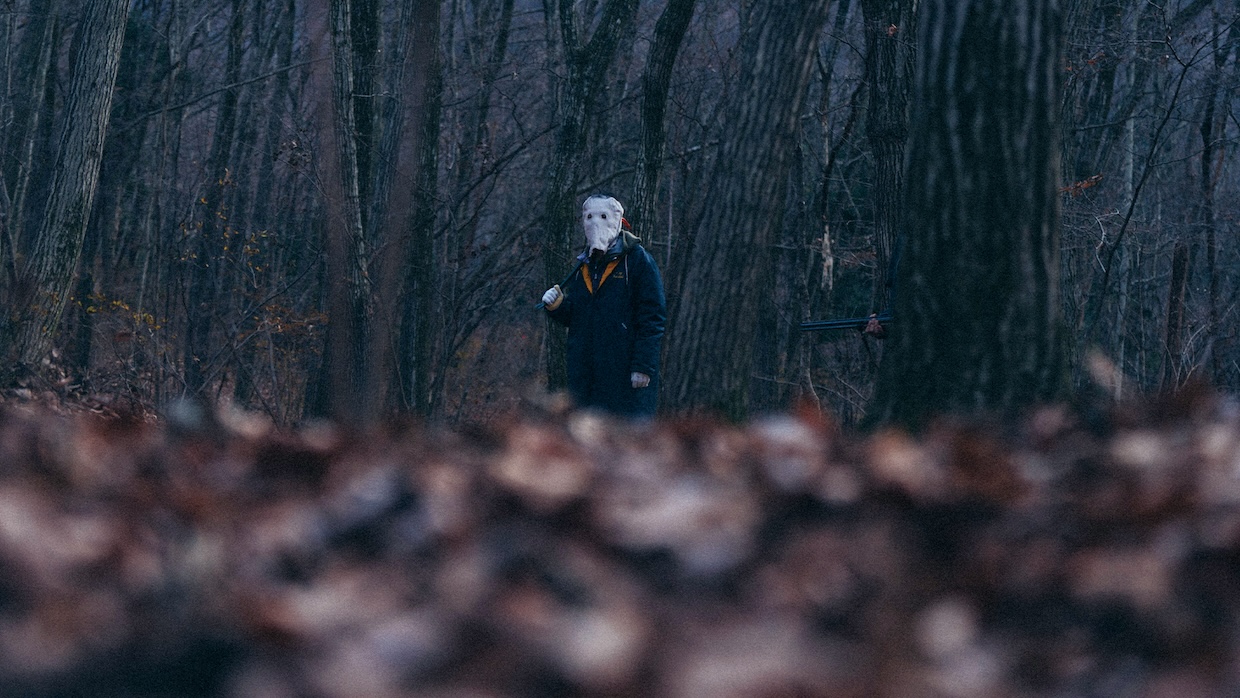
When the tension becomes unbearable, Kurosawa defuses it with humor. Cloud is an absurd work, full of surprising plot twists and somewhat unserious side threads, led by the protagonist’s assistant—a local Yakuza member functioning as a kind of deus ex machina. The Japanese director mixes various modes together, yet he does so with a confident hand, maintaining stylistic coherence throughout. Although some may view it as an empty exercise in genre hybridization or simply a two-hour oddity, Cloud is not devoid of meaningful content. It is a violence-pulsing tale of crime and punishment. Of the hellscape of modern capitalism and the individuals trying to function within it. And finally: of hollowed-out relationships built on the one value which, though it does not bring happiness, can provide a convincing illusion of it. How much is a life worth when it is devoted to chasing that illusion? That is the question Kurosawa poses in the film’s finale.

