
Review
LITTLE EVIL: A Satanic Horror with a Sense of Humor


Combining horror and comedy is an exceptionally difficult art. Creators of horror comedies have to work with two opposing forces that evoke entirely different emotions in the viewer — fear and joy. As we know, Sam Raimi and Peter Jackson are among those filmmakers who managed to build a dialogue between these contrasting genres, merging them into one. But does Eli Craig, the creator of Little Evil, also belong to that group?
His beginnings were promising. Eli Craig is the director of Tucker and Dale vs Evil, a well-received horror comedy from 2010 that enjoys cult status in many circles. How did it earn that reputation? Tucker and Dale vs Evil is a witty and spirited pastiche of all kinds of slashers, pointing out both the sins and the strengths of this popular branch of horror cinema. His second film, Little Evil, produced by Netflix, was intended to serve a similar function — but this time, its playful commentary was aimed at the satanic horror subgenre.
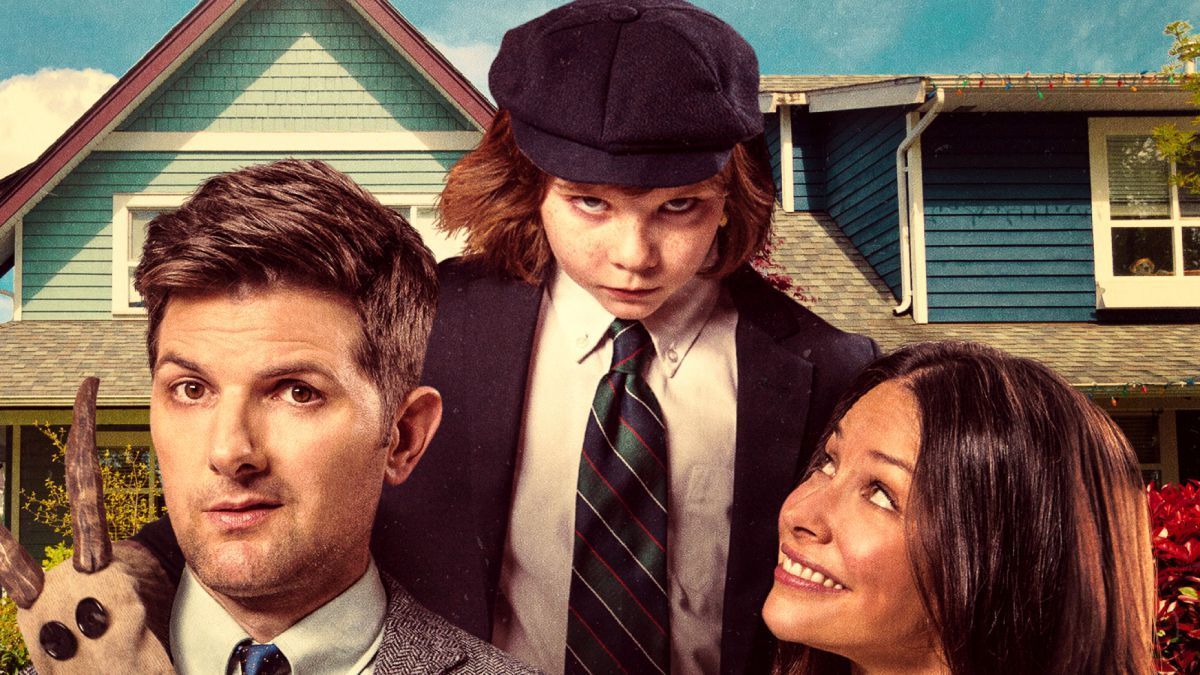
I can’t say Craig succeeded this time. He made a textbook mistake that plagues many other genre-parodying comedies: the fear of taking that one extra step beyond the familiar. Little Evil lacks both boldness and a distinctive voice, even though the story itself shows clear potential to playfully juggle with horror conventions through humor.
We meet a classic everyman, Gary (Adam Scott), who finds himself with an extraordinary woman — Samantha (Evangeline Lilly). Wanting to win the favor of his newlywed wife, he decides to bond with his stepson, Lucas. The problem is that the boy not only treats his stepfather with open hostility but also behaves rather strangely for a six-year-old. Gary eventually begins to suspect that Lucas is… the Antichrist.

This could have been a real rollercoaster. A paranoid protagonist being pushed to the brink by a small boy who, at every opportunity, hides behind his mother’s skirt — these are situations ripe for absurdity. But Craig chooses to tell the story in an exceptionally safe, even overly serious way, shying away from leaning fully into either outright horror or sharp humor. The biggest problem with Little Evil is that it fails to deliver on either front.
Technical competence, including strong casting (Craig even brought in his own mother, Sally Field), doesn’t make up for that. And the mechanical checklist of references to horror classics (including The Shining, Poltergeist, and of course The Omen) serves only as a wink to fans without adding narrative weight. Surprisingly, instead of gleefully playing with convention, the film merely invited me to… sympathize with the plight of stepfathers.
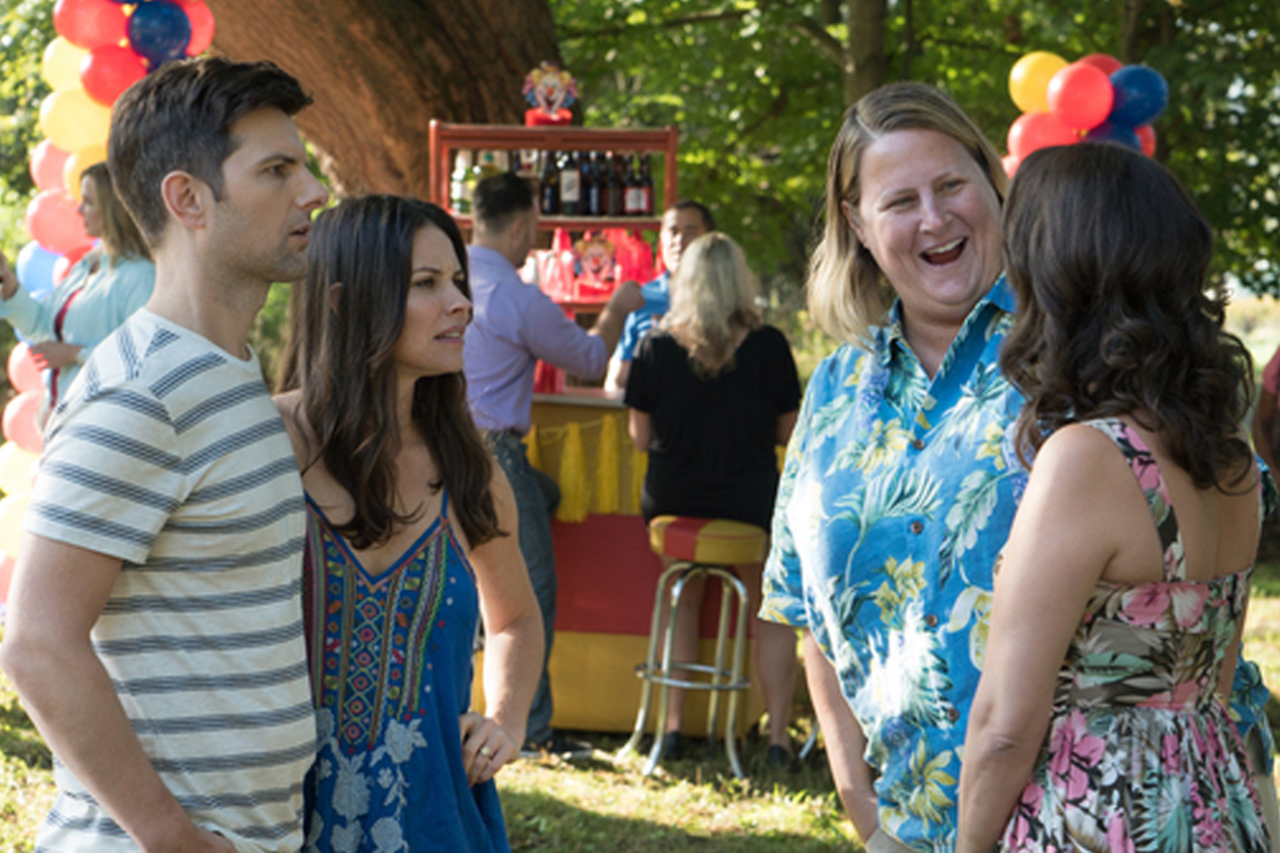
There’s one scene that subtly, though unfortunately, encapsulates the film. In a recent interview, the director admitted it was one of the most difficult scenes to shoot. It’s the moment when the protagonist’s wife finally opens up about her past, shedding light on the previously obscured moment of Lucas’s conception. Samantha twists and turns, carefully choosing euphemisms to avoid telling her husband outright that she was raped by satanic cultists.
Surprisingly, for the director, the most difficult part of this scene was… setting the right lighting to match the mood. But to me, the true challenge of this moment was something else entirely — it was a chance to go big, to embrace the provocative absurdity. And once again, Craig didn’t take it. The protagonist, though indirectly, shrugs off a blasphemous revelation, leaving the audience with the same sense of indifference.


Looking back at DEAD SNOW: A Blizzard of Nazi Gore Fun

DEAD SUSHI: Exotic, Spicy, and Wildly Entertaining

Revisiting ALICE, SWEET ALICE: Dread and Religious Symbolism

PUPPET MASTER: LITTLEST REICH – Achtung! It’s Good!
