
Review
LAST NIGHT. An intimate science fiction about the end of the world
Last Night is one of the least spectacular yet simultaneously best films about the apocalypse. The film’s story begins six hours before the end of the world.

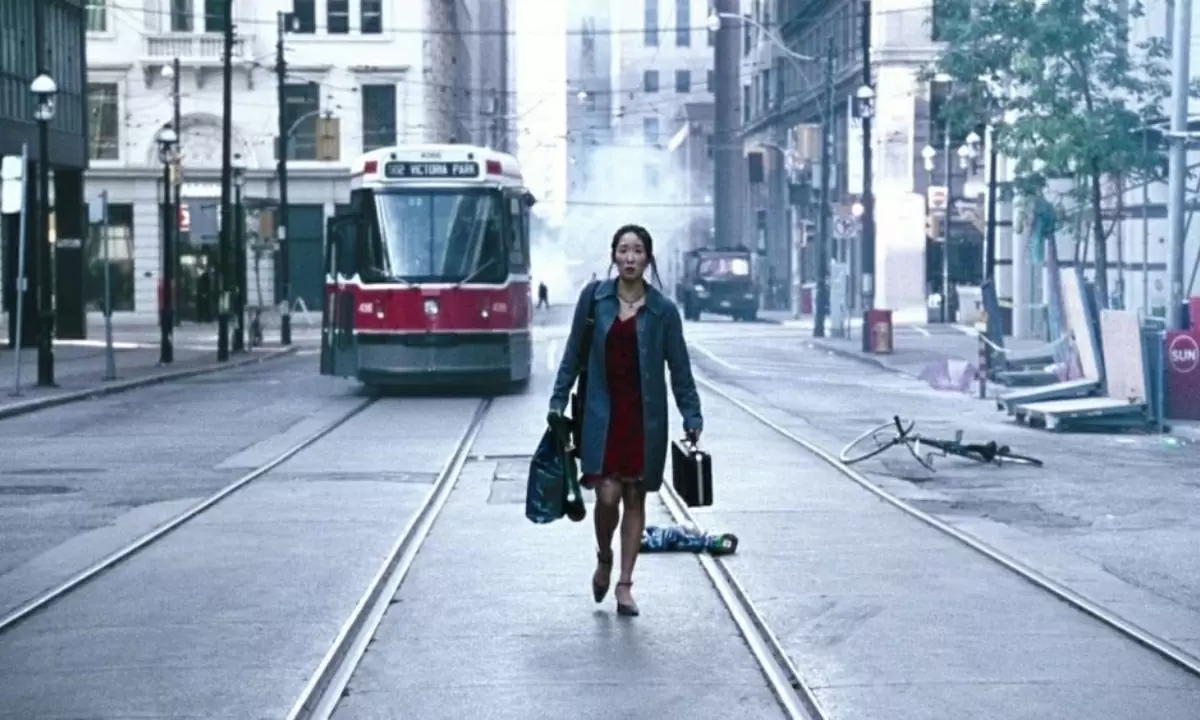
Last Night is one of the least spectacular yet simultaneously best films about the apocalypse. The film’s story begins six hours before the end of the world, scheduled to occur precisely at midnight. The apocalypse had been announced several months earlier, sparking mass panic and riots. Over time, however, people grew accustomed to the idea of inevitable doom and began trying to take care of matters important to them. Patrick attends a family dinner in a Christmas-like spirit, though he plans to spend his final hours alone. His sister Jennifer and her fiancé head to a big farewell party, while Sandra, lost in the city, cannot get in touch with her husband Duncan, with whom she has made a certain pact.
Meanwhile, Duncan—an employee at a gas company—calls clients to thank them for their cooperation. Patrick also has a friend named Craig, who intends to end his life while fulfilling his deepest sexual fantasies, and there is Donna, a shy office clerk. The fates of all these characters unexpectedly intersect.
Last Night was created as part of the international film series 2000 vu par… (“Year 2000 Seen By…”) initiated by Caroline Benjo and Carole Scotta of the French studio Haut et Court in 1998. The project aimed to produce films about the turn of the millennium from the perspectives of ten different countries: the United States (The Book of Life by Hal Hartley), Spain (La primera noche de mi vida by Miguel Albaladejo), France (Les sanguinaires by Laurent Cantet), Germany (Das Frankfurter Kreuz by Romuald Karmakar), Belgium (Le mur by Alain Berliner), Hungary (Tomasz and Juli by Ildikó Enyedi), Mali (Life on Earth by Abderrahmane Sissako), Taiwan (The Hole by Tsai Ming-liang), Brazil (Midnight by Walter Salles and Daniela Thomas), and Canada, represented by Last Night by Don McKellar.
The feature debuting director and lead actor, playing Patrick, based his screenplay on conversations with friends about how they would behave in the face of the world’s end.
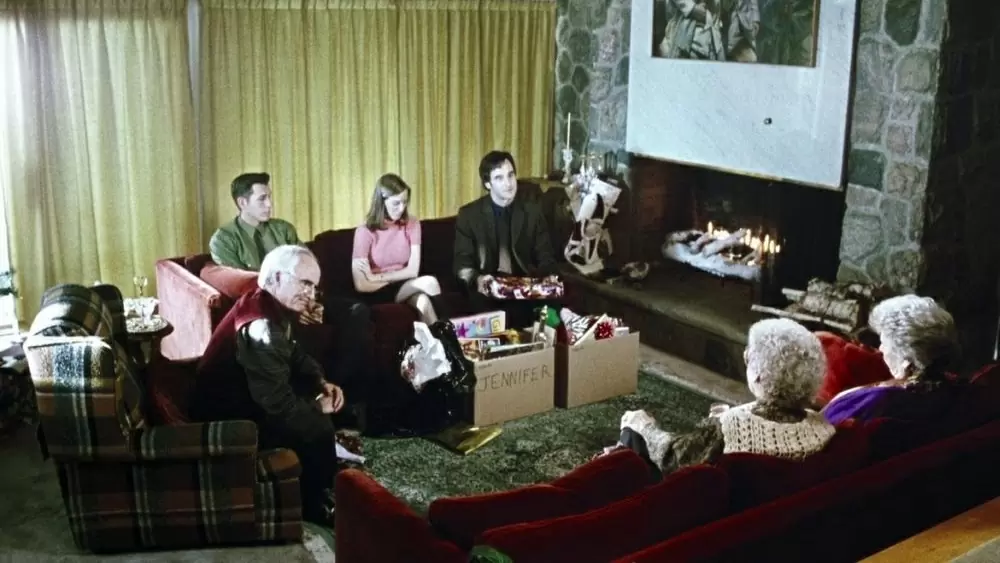
The result is an intimate science-fiction dramedy, in which—according to the genre definitions proposed by Robert A. Heinlein and Isaac Asimov—the science-fiction element is only the starting point: a “what if…?” scenario and the speculation on how ordinary people would react to catastrophe. Everything else—the characters’ behaviors—is entirely realistic. Unlike two high-profile disaster films from the same year, Deep Impact by Mimi Leder and Armageddon by Michael Bay, there are no spectacular sequences of destruction, no sensory-overloading special effects distracting from plot holes and clichés. Instead, the film focuses fully on characters placed in an ultimate situation, grappling with unfinished business, personal traumas, and inevitable death. In this respect, Last Night is almost a precursor to Lars von Trier’s Melancholia (2011).
A brilliant choice was to avoid explaining the exact causes and nature of the end of the world, allowing viewers to project their own fears onto the scenario.
Apart from looted stores, empty streets, and acts of lawlessness, the only sign of the approaching apocalypse is the absence of night, suggesting a cosmic-scale disaster (asteroid impact, collision with a rogue planet, gamma-ray burst, planetary motion disruption, solar anomalies, etc.). This approach further highlights the intimate and humanistic nature of Last Night—a film that, more than any other, evokes lines from Czesław Miłosz’s Song of the End of the World.

