Review
LA LA LAND Revisited. The Search for Wonder
La La Land stands as a film driven by one of the most fundamental impulses behind our engagement with art: the search for wonder.

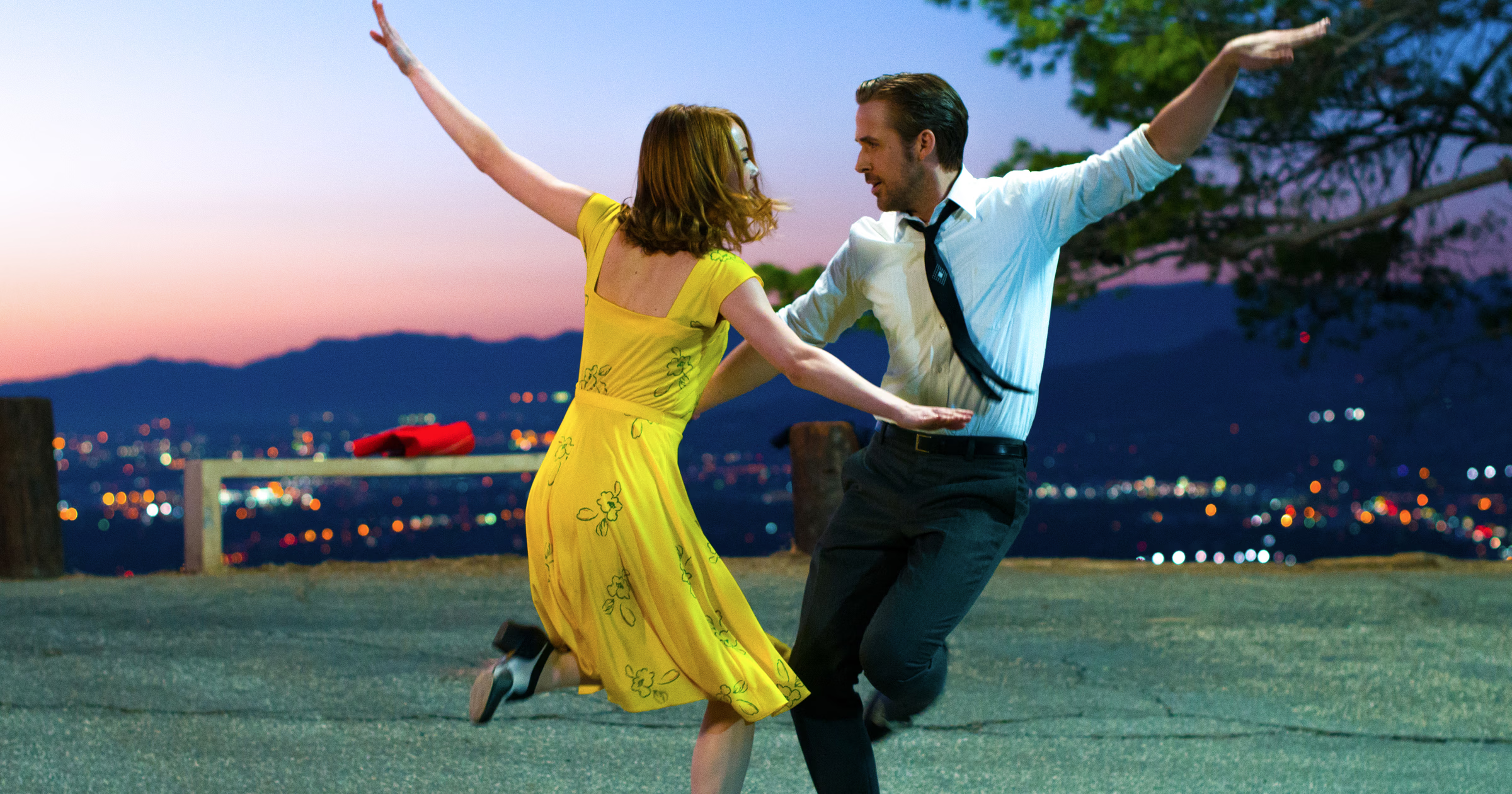
Some people go to the movies for substance, in search of a great story and what we like to call food for thought. Others look to moving images for sheer rapture—to be overwhelmed by beauty, to lose themselves in a reality drawn from dreams and reverie. For representatives of this latter group, Damien Chazelle’s La La Land has long remained a truly ecstatic cinematic experience. Looking back from today’s perspective, it is clear that with this film—the follow-up to Whiplash—Chazelle delivered a lavish tribute to classic Hollywood musicals and the romantic spirit embedded within them.
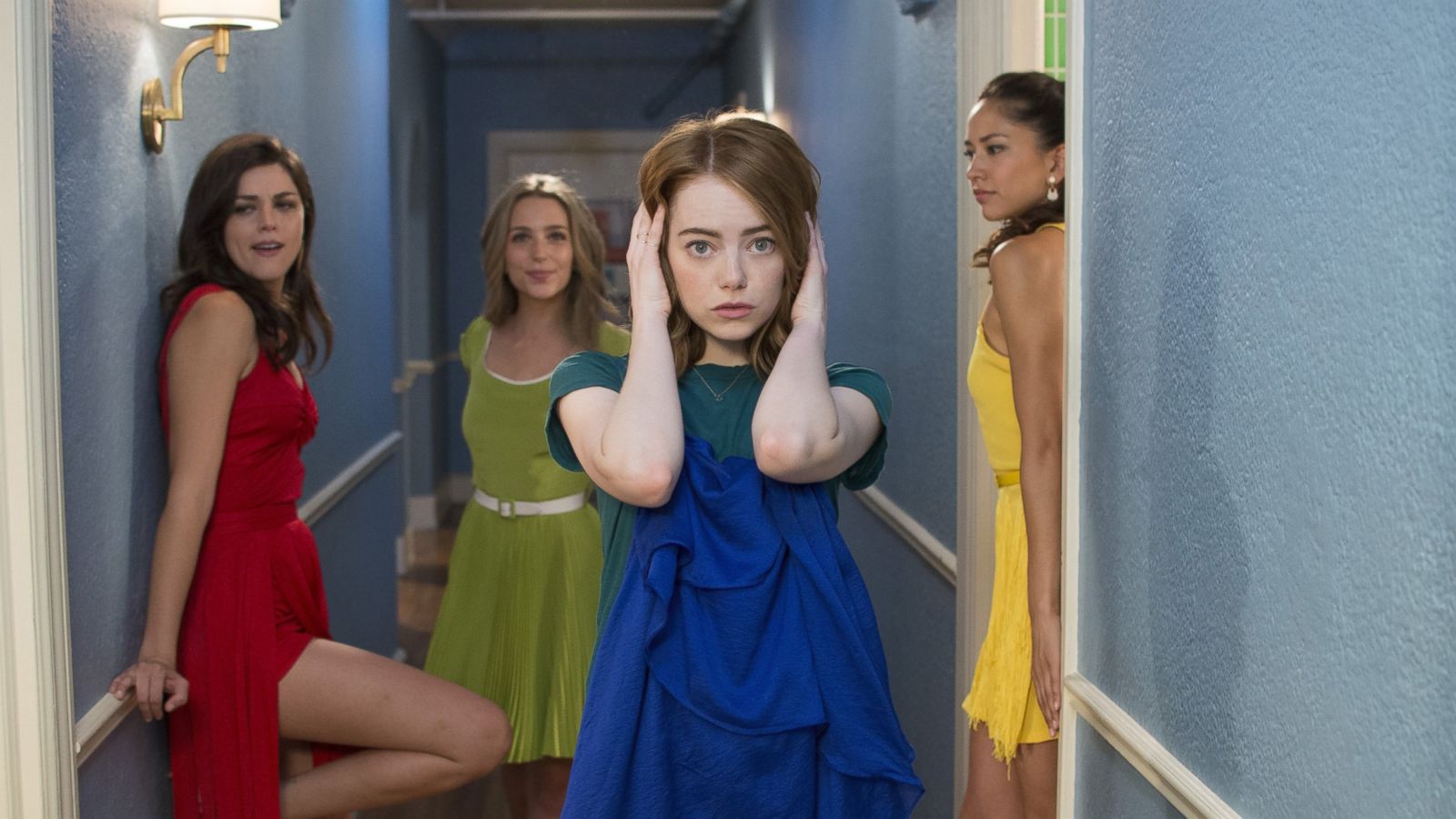
From its now-iconic opening sequence, La La Land leaves no doubt about its intentions. Chazelle invites the viewer on a journey propelled by exuberant rhythm, meticulously choreographed movement, and an explosion of color. What follows only deepens that impression: the musical numbers are not only sung and danced with remarkable precision, but—true to the genre—are seamlessly woven into the narrative, enhancing rather than interrupting the story.
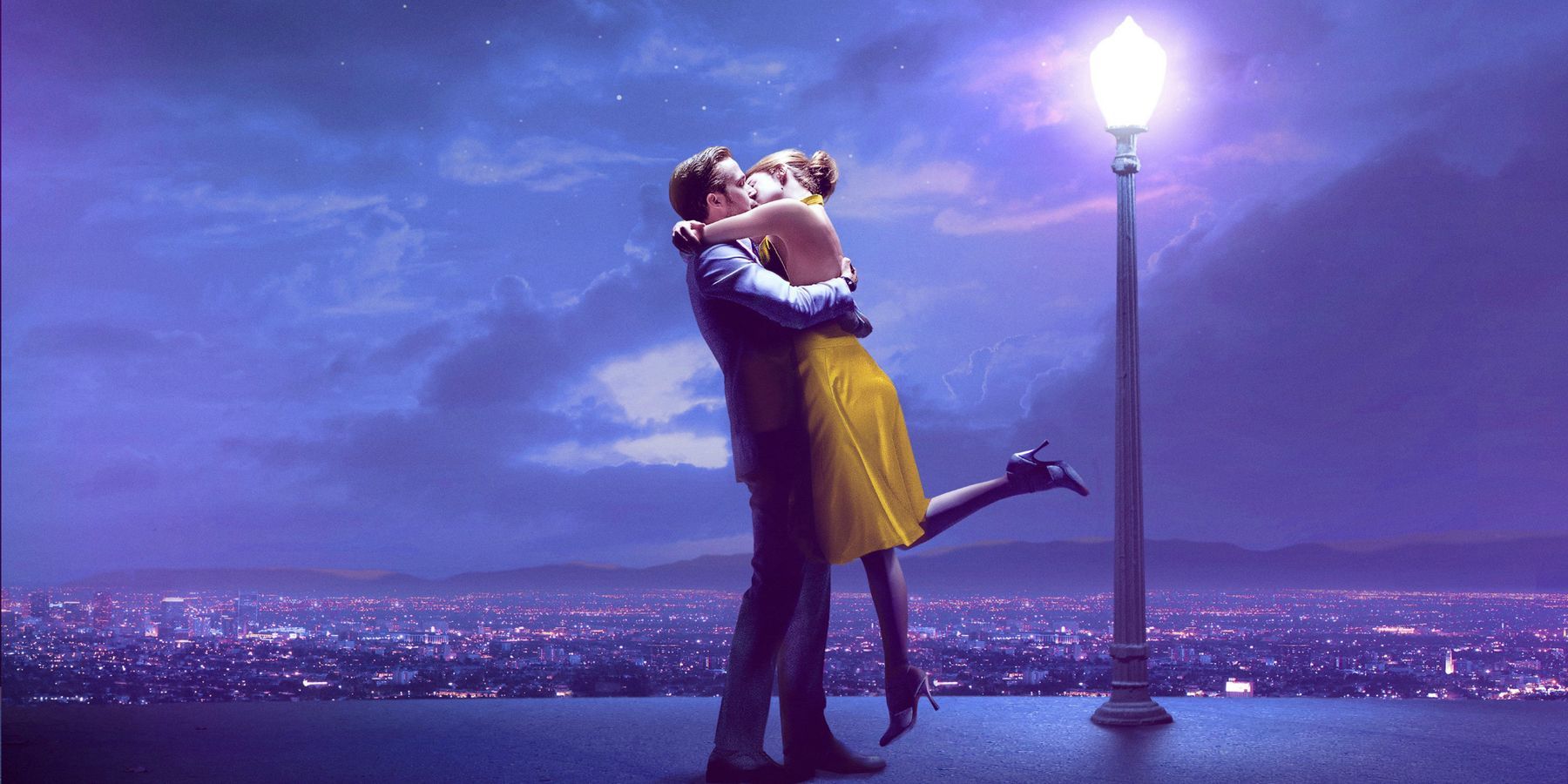
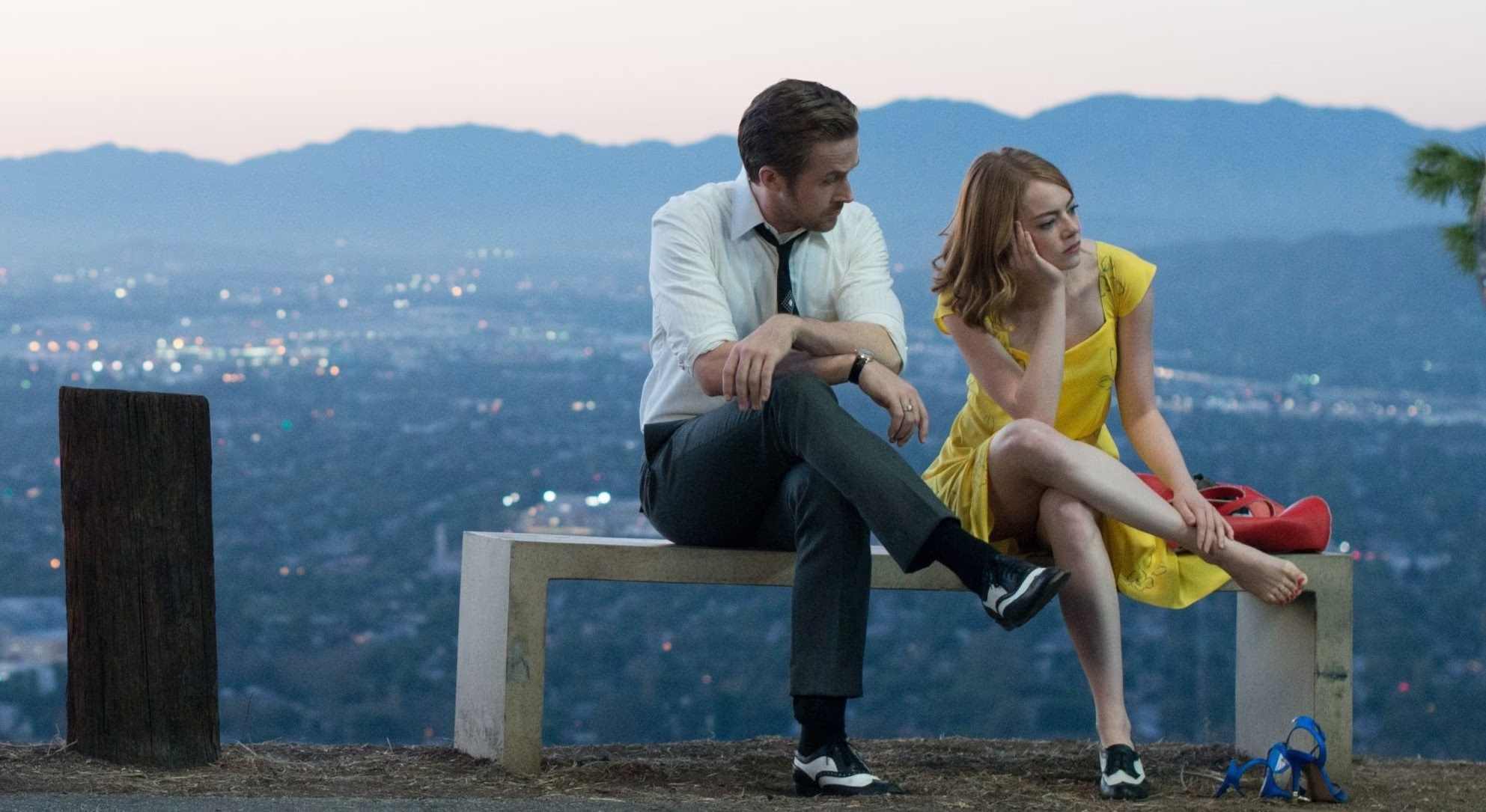
The premise itself is disarmingly simple. A waitress and aspiring actress (Emma Stone) and an unfulfilled jazz pianist (Ryan Gosling) cross paths several times in Hollywood, initially sparking irritation rather than affection. As time passes and shared moments accumulate, their mutual perception softens, giving way to intimacy. They become an exceptionally happy couple, supporting each other in their pursuit of success in the City of Dreams. And just when it seems they might bask in romantic bliss indefinitely, the greatest enemy of a successful relationship appears: success itself.
To reveal more would be unnecessary. Anyone familiar with classic American musicals and melodramas can already anticipate the direction the story takes.
Even years later, the film’s dynamically told narrative may not feel revolutionary, but it undeniably does its job—it fully absorbs the viewer. That immersive power was evident from the very beginning, when La La Land premiered to euphoric reactions, quickly establishing itself as a crowd-pleaser with enormous emotional reach. Its spectacle was never merely technical; it was visceral, designed to be felt as much as seen.
Chazelle—still astonishingly young at the time—proved himself not only a confident director but also a gifted screenwriter. Making inspired use of Justin Hurwitz’s music and Mandy Moore’s choreography (definitely not the pop singer), he crafted a film so infectious it seemed to plaster a grin across the viewer’s face—one that lingered long after the credits rolled. Though La La Land leans more toward melodrama than comedy, its balance between emotion and humor is impeccable. Gosling once again demonstrated that self-aware comedy suits him better than the traditional matinee-idol persona.
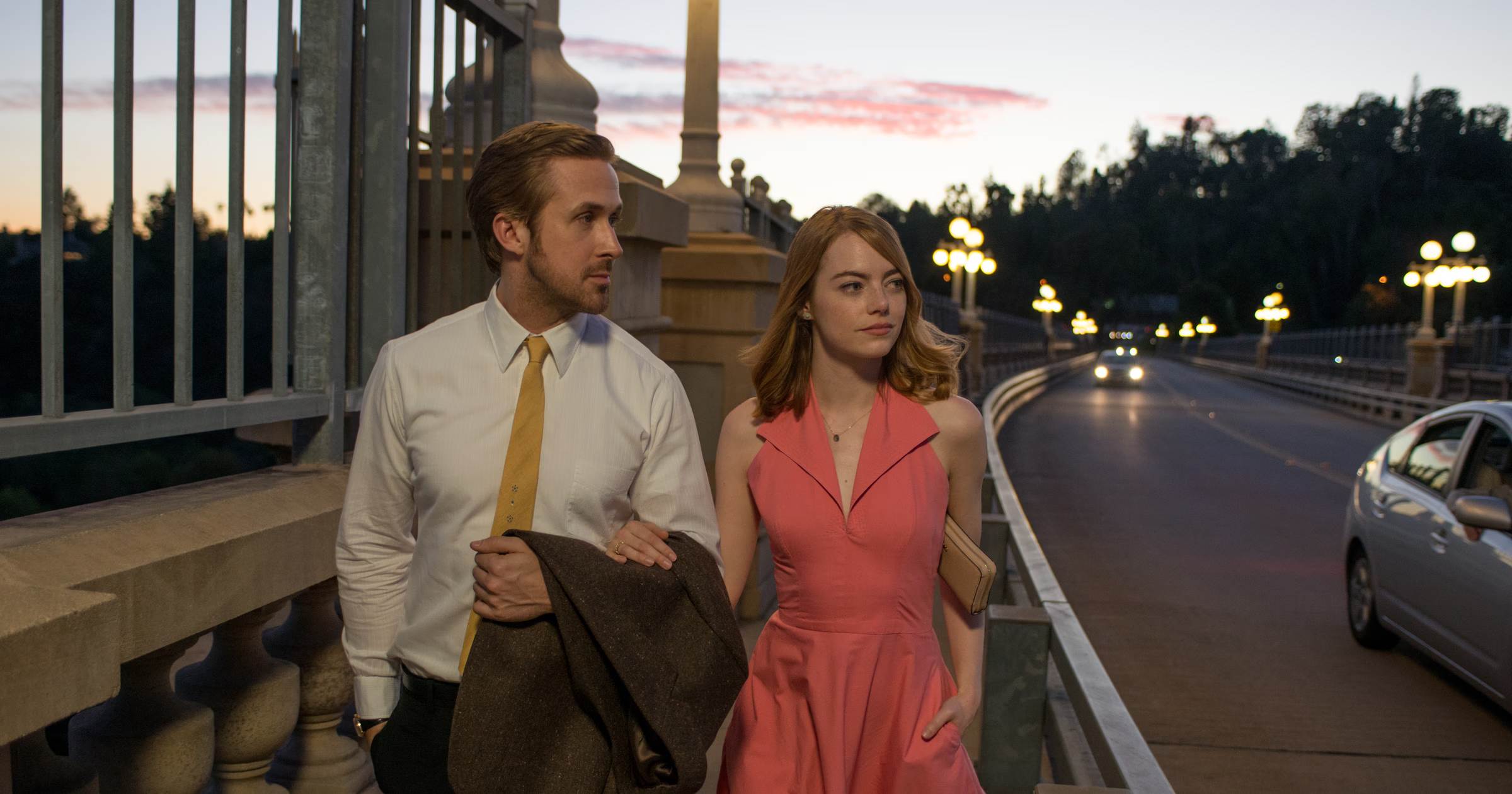
Emma Stone, meanwhile, stood entirely in a league of her own. Her performance—rightly awarded at Venice—silenced the dwindling ranks of her skeptics. With effortless charisma and emotional openness, she confirmed what the film itself so boldly suggested: that she was, and remains, one of the brightest stars in the constellation of modern Hollywood. It is rare to encounter a film so meticulously executed on every level—from concept and direction to screenplay, choreography, music, production design, costumes, editing, cinematography, and acting. La La Land offered something for everyone: devotees of musicals, fans of romantic comedies, and lovers of melodrama could each find their own point of entry.
All of the genre elements assembled by Chazelle—once again proving that in his cinema music is as vital as image—combined to form a work that flirted openly with greatness. Seen in retrospect, La La Land stands as a film driven by one of the most fundamental impulses behind our engagement with art: the search for wonder. And for many viewers, that sense of wonder remains undiminished, even years later.