
Review
KNOWING. Science fiction with one jaw-dropping sequence
What did the trailer for Knowing promise us? It was supposed to be intriguing, intense, and visually stunning—and to some extent, it is.

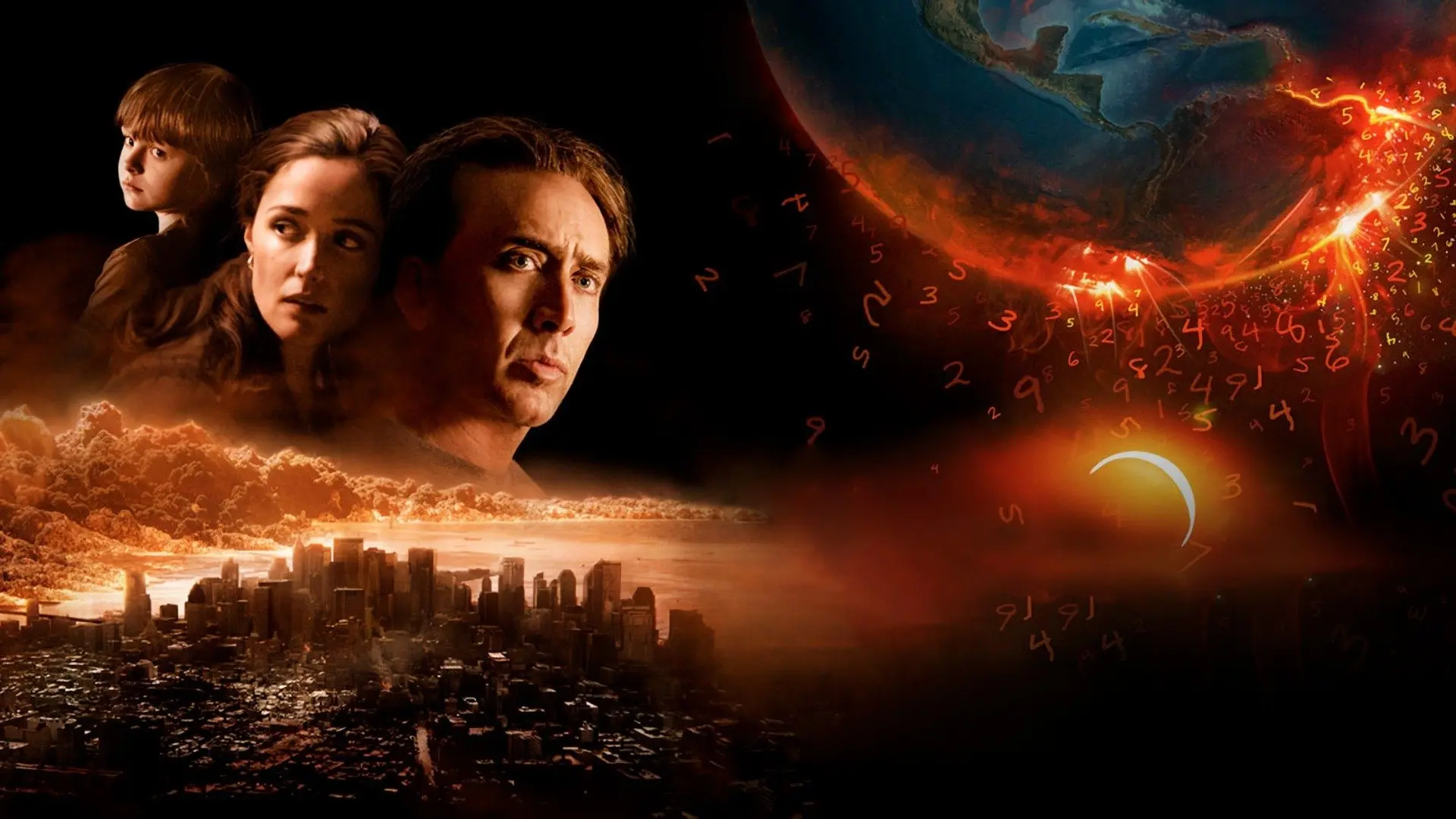
Nothing delights a cinephile more than destruction on screen. It doesn’t matter whether it’s Godzilla’s giant paw crushing Tokyo’s buildings, a meteor wiping out all life on Earth, or enormous bugs crawling through the streets of New York—the smile on the face of a fan of cinematic destruction never fades. So when word spread that the next film in the “let’s watch the end of the world together” genre would be directed by the cult filmmaker behind Dark City and The Crow, that smile only grew wider.
What did the trailer for Knowing promise us? It was supposed to be intriguing, intense, and visually stunning—and to some extent, it is. But to achieve its full potential, Alex Proyas could easily have cut a third of the film. Only about thirty minutes of his latest feature are watchable without triggering a yawn. This review could also be summed up in the following words: another lonely father, another gifted child, another disaster seen through the eyes of a small group of characters, another botched ending, another mediocre film. 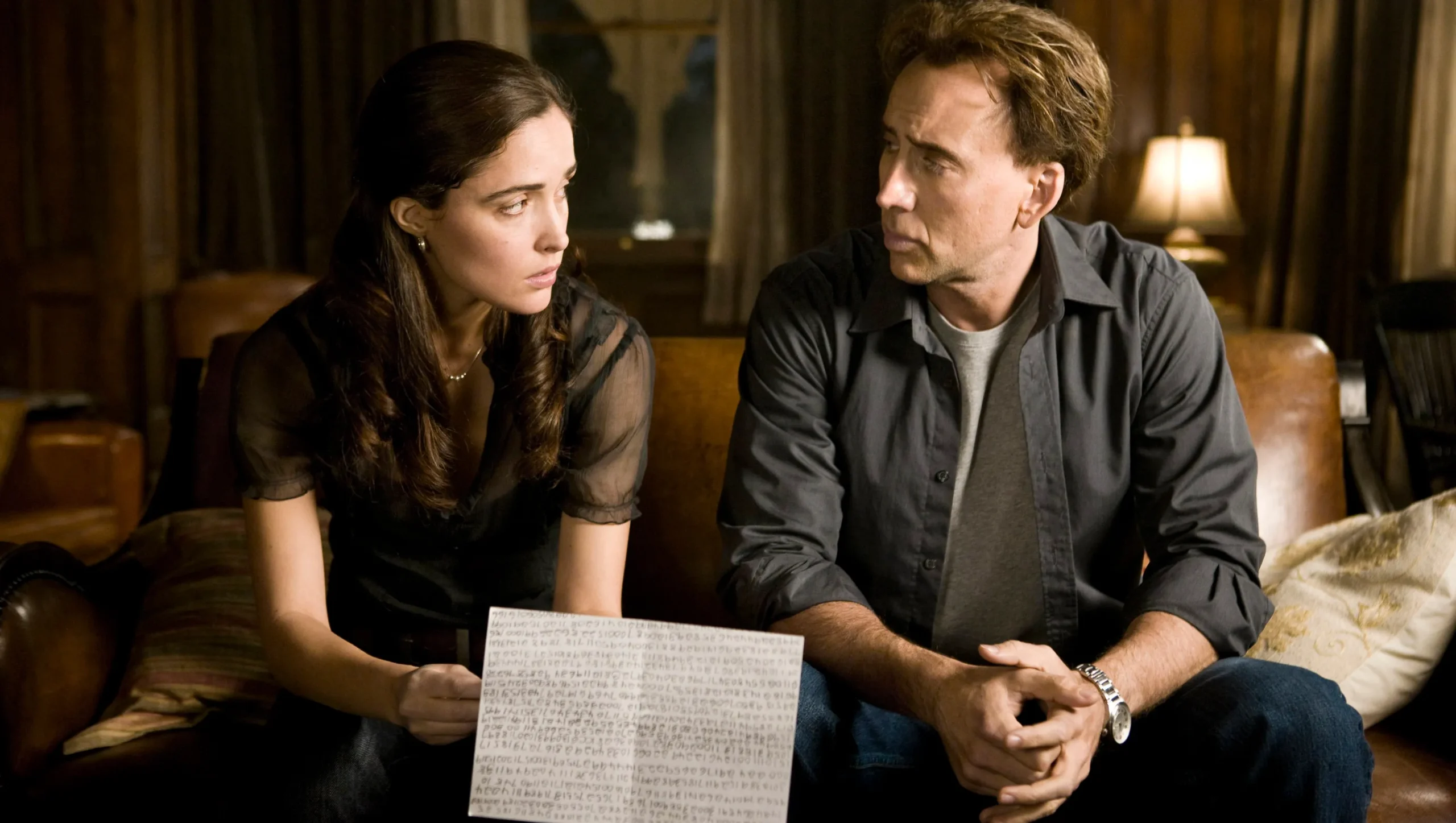
His father, John Koestler, a university professor, accidentally leaves a coffee mug ring on the page and starts deciphering the numbers. It turns out to be a list of every major catastrophe that has occurred on Earth in the past thirty years. According to John’s calculations, three of the predicted disasters have yet to happen. 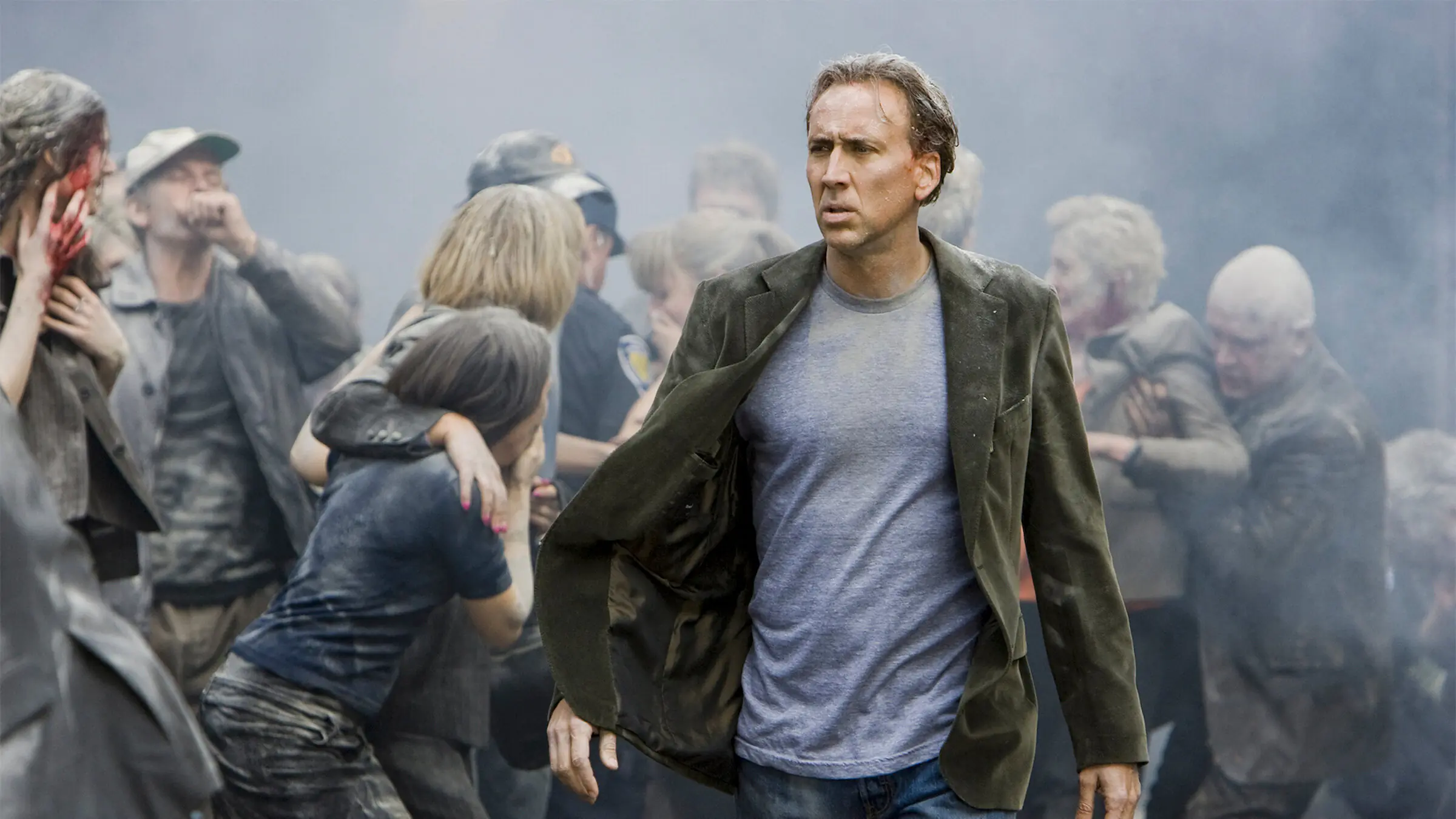 Although Proyas’s film doesn’t strictly follow the formula set by The Day After Tomorrow, Dante’s Peak, and many other disaster flicks—where a solitary hero saves himself, his family, and sometimes the neighbor’s dog—it’s hardly a paragon of originality.
It’s not every day you can literally put words into the actors’ mouths, but the dialogue in Knowing is pure cliché, designed solely to push the plot forward or explain what’s currently happening on screen. If the sound in the theater cut out for a moment, few viewers would even notice, having heard these lines in hundreds of other films. Another sin committed by the I, Robot director is the occasionally vanishing intelligence of Nicolas Cage’s character. Sure, we viewers always know more than the protagonist because the camera shows us everything, unrestricted by time or place. John Koestler, confined to his onscreen reality, can’t possibly know what we do. Still, the inability of an astrophysics professor to connect obvious dots and draw simple conclusions can be baffling.
Proyas occasionally reminds us of John’s growing atheism, which is brought up every fifteen minutes or so, but this theme remains undeveloped. The filmmaker seems afraid to delve deeper into character psychology or the existential questions often tackled by science fiction.  But let’s leave psychological realism aside and focus on why we came to the theater in the first place: fire, collapsing buildings, screaming women, exploding fuel tanks—whatever it takes to give our eardrums a Dolby Surround concert.
And to be fair, Proyas absolutely nails this part. The plane crash in Knowing makes you instinctively grip your seat, a cold shiver running down your spine. Subway cars flipping and smashing through concrete pillars—and people—are a spectacle worth remembering. But appetite grows with indulgence. Although these sequences capture the raw essence of cinema, the rest of the movie feels like filler, a slog we must endure before being rewarded with another beautifully crafted disaster. Yes, cinephiles are a strange breed indeed. It’s hard to talk about the remaining minutes of Knowing without spoiling its—admittedly unsurprising—plot twists. I’ll just say this: it’s been a long time since we’ve seen such a cringeworthy ending in cinema.
Sure, there’s blood, sweat, and tears, but also fluttering butterflies and fragrant flowers. Proyas needlessly gave in to the same pressure that likely once got to Emmerich and others: the pressure to tack on a forced, saccharine happy ending. While we’re spared the sight of an American flag waving triumphantly over the rubble of the Empire State Building as families embrace in slow motion, the director still goes out of his way to make sure we don’t leave the theater unsettled or thinking too deeply about the fragility of our world. After all, someone is always watching over us.


Looking back at DEAD SNOW: A Blizzard of Nazi Gore Fun

DEAD SUSHI: Exotic, Spicy, and Wildly Entertaining

Revisiting ALICE, SWEET ALICE: Dread and Religious Symbolism

PUPPET MASTER: LITTLEST REICH – Achtung! It’s Good!
