
Review
JUDY. When There’s Nothing Over the Rainbow
I wanted to see Judy because of Renée Zellweger, who at first seemed like a somewhat surprising choice—but, as it turned out, a surprisingly spot-on one

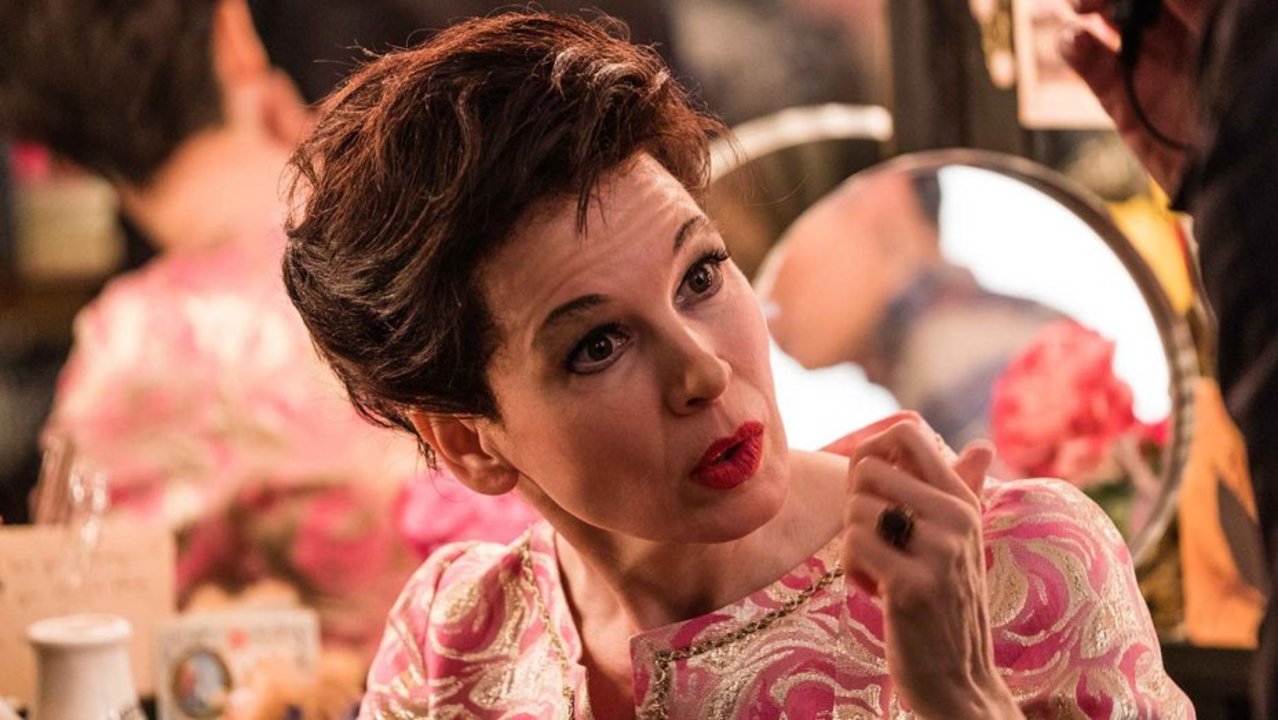
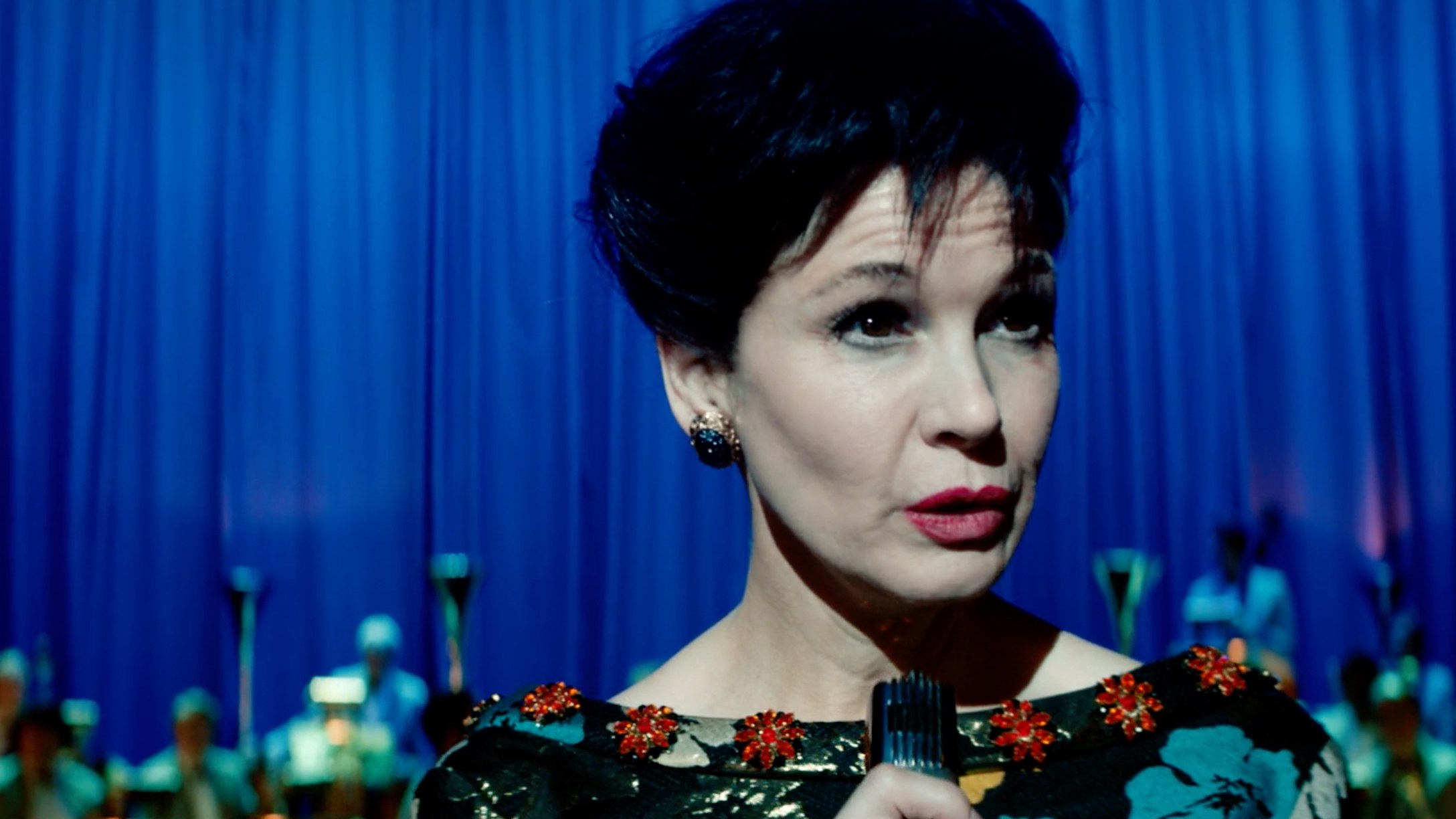
When I watched the trailer for Rupert Goold’s Judy , I knew I had to see the film. Not because I’m an exceptional fan of the incomparable Judy Garland, nor because the biopic itself looked particularly compelling. I wanted to see Judy because of Renée Zellweger, who at first seemed like a somewhat surprising choice—but, as it turned out, a surprisingly spot-on one—for the role of the legendary actress and singer. And as expected, her performance is the biggest, if not the only, strength of this biographical drama.
Goold’s film shouldn’t really be viewed as a standard biopic—it focuses primarily on the final period of Garland’s career and life, when her glory days in cinema were long gone and only stage performances kept her going. Interestingly, in the late 1960s, just when her fame seemed completely extinguished, help came from London audiences, who flocked to her concerts. While in the U.S. Judy struggled to fill even small venues, her shows in England were sold out for weeks.
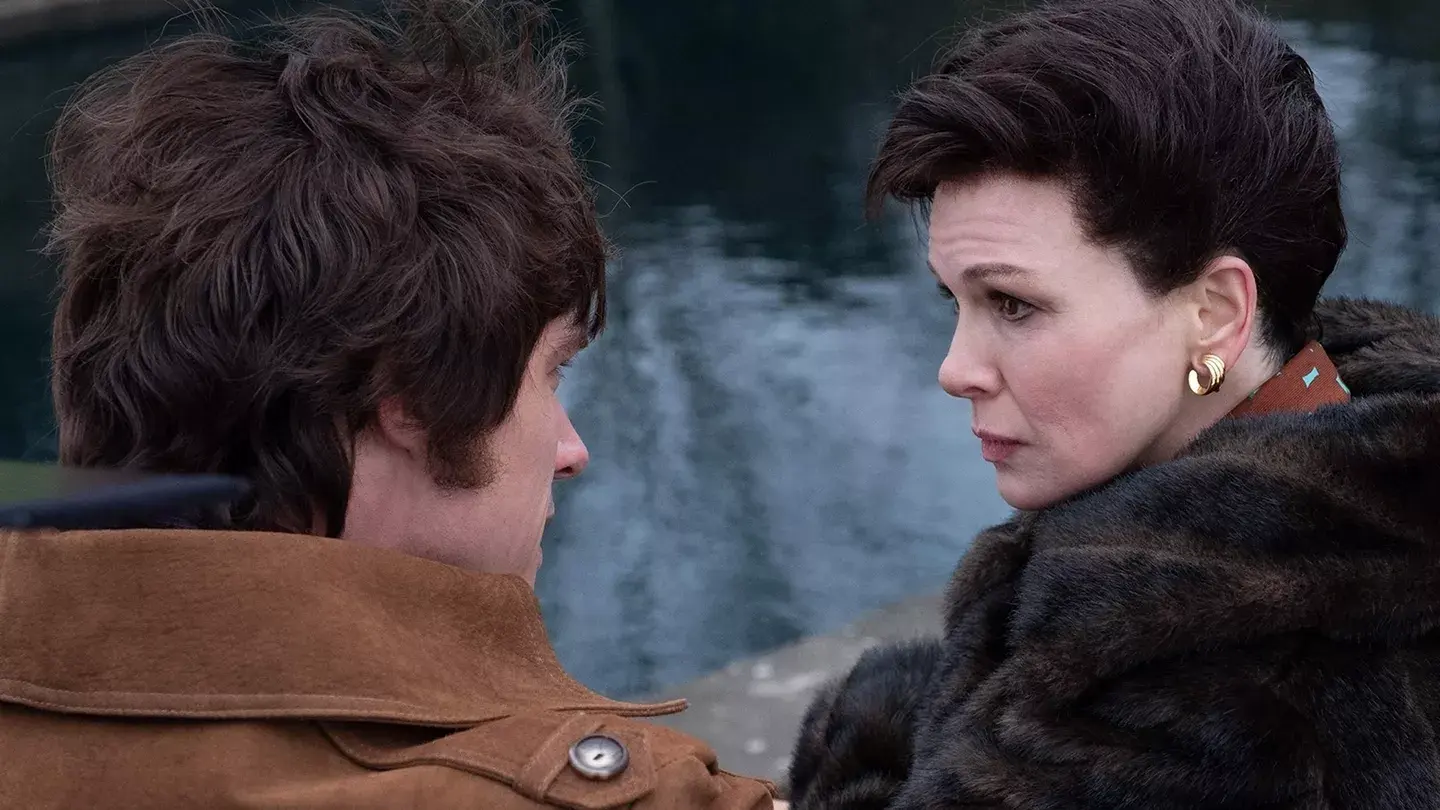
But moderate stage success couldn’t make Garland happy. Because of her dire financial situation, she had to stay in London without her children, she had just gone through her fourth divorce, and—true to long-standing habit—she was abusing alcohol and medication. London became Judy’s final stop; she died there on June 22, 1969, at only 47.
Rupert Goold’s film focuses mostly on this period but doesn’t avoid flashbacks. We see especially the early stages of Garland’s career, when Louis B. Mayer himself, the co-founder of the legendary MGM, took her under his wing. Born Frances Gumm in Grand Rapids, Minnesota, she didn’t naturally fit the mold of a film star, so Mayer made sure that Frances transformed into Judy. The few flashbacks in Goold’s film (with the lovely Darci Shaw playing young Garland) show the cruelty that girls aspiring to stardom—especially those lacking natural ease and confidence—had to endure back then (and perhaps still do today?).
Teenage Judy rebelled against the brutal regimen, trying in vain to enforce the terms written in her contract. She had to follow a draconian diet and submit to being pumped full of various pills: stimulants, sleeping aids, weight-loss drugs… In Judy, we watch the end of Garland’s career while realizing that she had been doomed from the very beginning.
It will surprise no one that Renée Zellweger is excellent as Judy Garland—she’s an actress of remarkable skill, something she has proven many times. Dorothy from The Wizard of Oz (1939) had her quirks—a distinctive way of speaking caused by an imperfect bite among them—but she likely wasn’t an extremely demanding character to portray, all the more so because there is extensive footage documenting Garland’s mannerisms and presence.
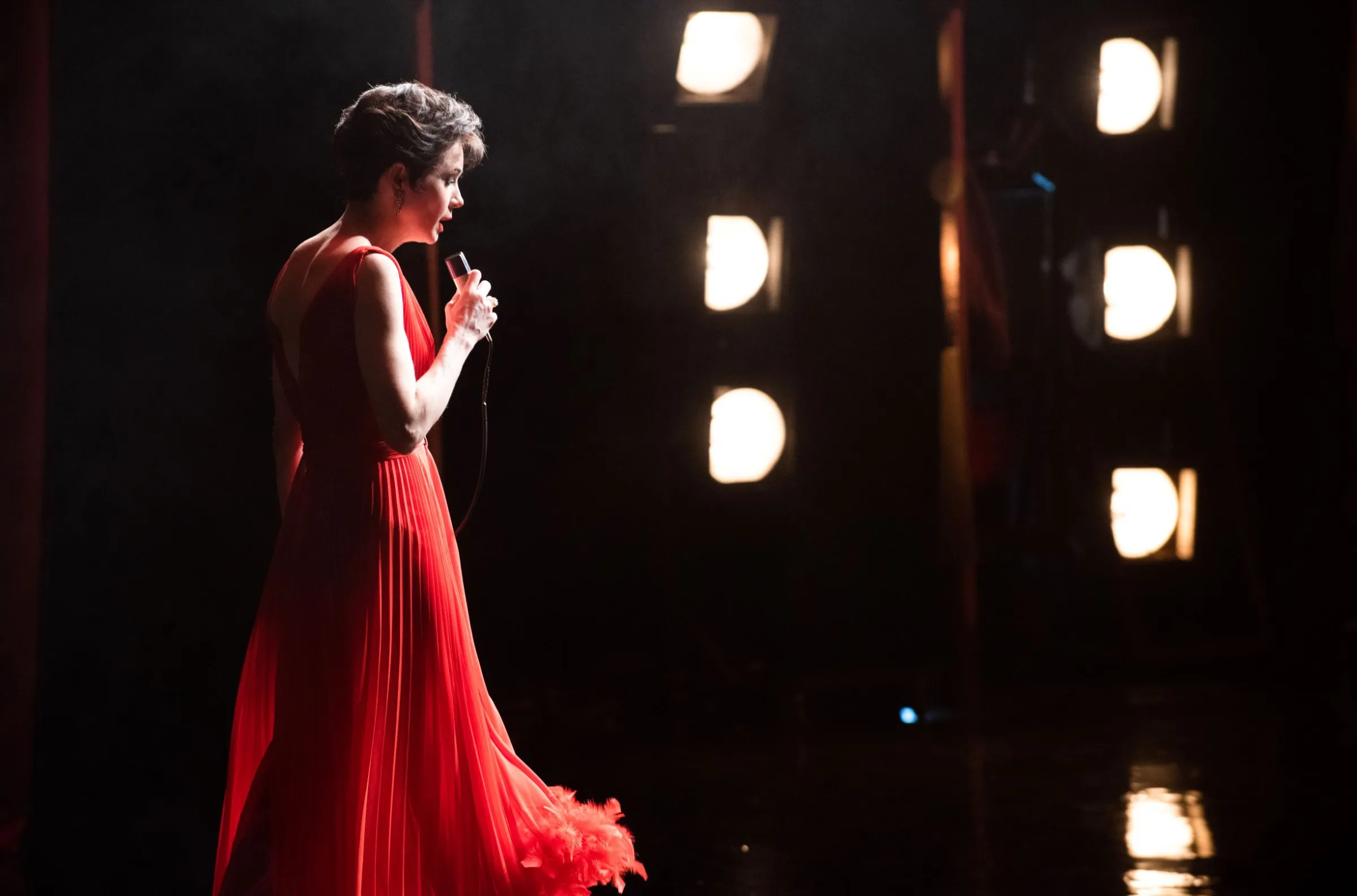
Even so, Zellweger brilliantly captured that peculiar blend of strength and fragility, charm and degradation, feverish ambition and self-destructive tendencies… Judy was a person full of contradictions: madly in love with her children but unable to make compromises for them; devoted to her work but careless toward herself and her employers. Much like Laurel and Hardy in Stan & Ollie, Garland hoped to revive her fading career in England—and for a brief moment she did. Over several weeks she sold out a sizable venue, though her brilliant concerts alternated with complete disasters.
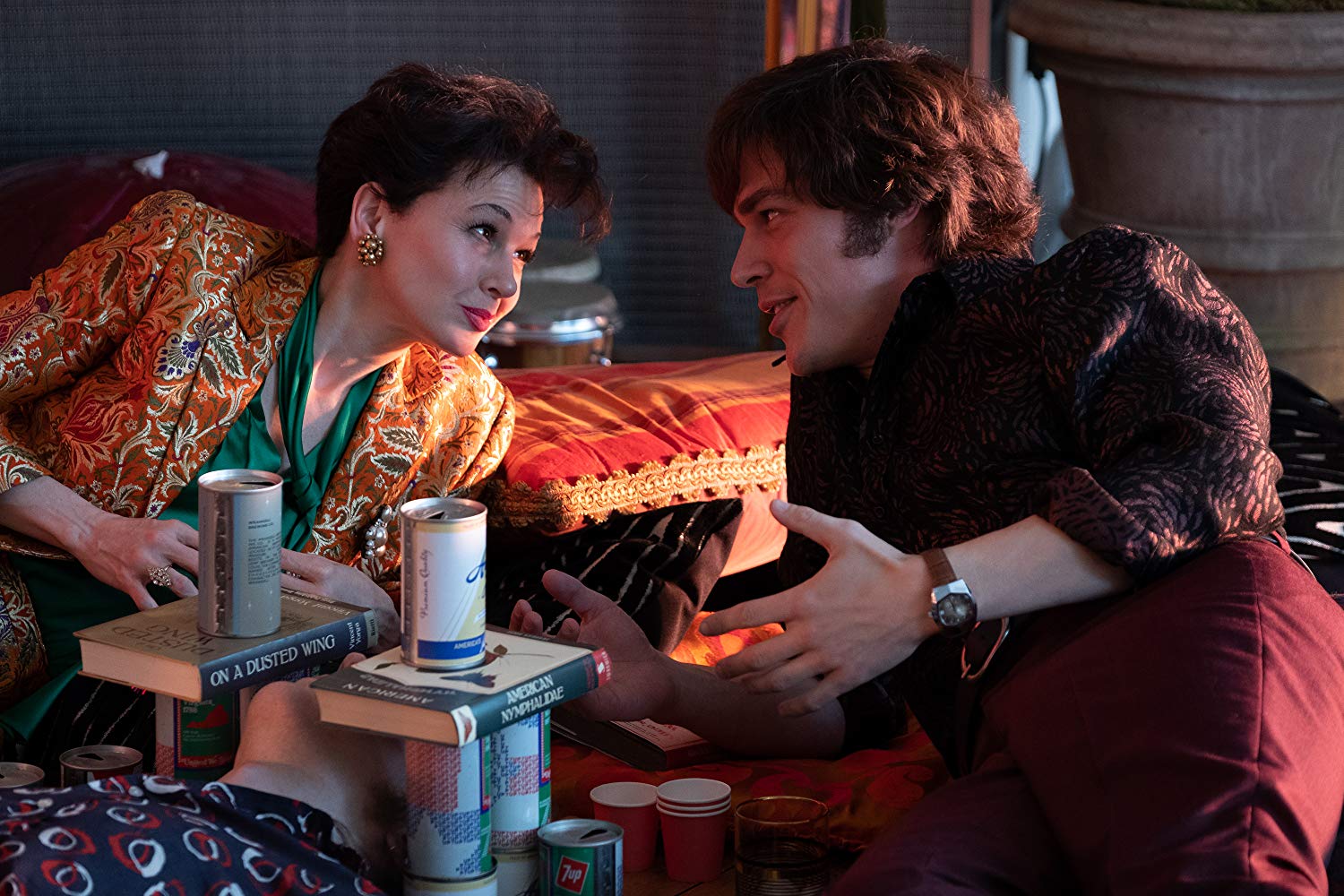
A similar pattern can be observed in Goold’s film itself. It has strong moments (such as when Garland forms a touching friendship with two accidental fans), but it often falls back on biographical cliché. As a result, the only thing that truly lingers in memory is Zellweger’s performance—and even that may not be enough.
Mining the lives of famous stars has long been routine in the film industry—every year brings several such biopics, with dozens more celebrity stories waiting to be adapted. Films like Judy make one question the value of this trend. These formulaic biographies tend to interest mostly fans, and they often don’t draw a large enough audience to justify their production. So perhaps instead of watching yet another average biographical drama, we should simply revisit the work of the icons these films are about?

