
Review
GOLDMAN V SILVERMAN. Safdie Brothers in a Nutshell
Goldman v Silverman is a short movie that can be watched online, shot by the Safdie brothers during the production of Uncut Gems.

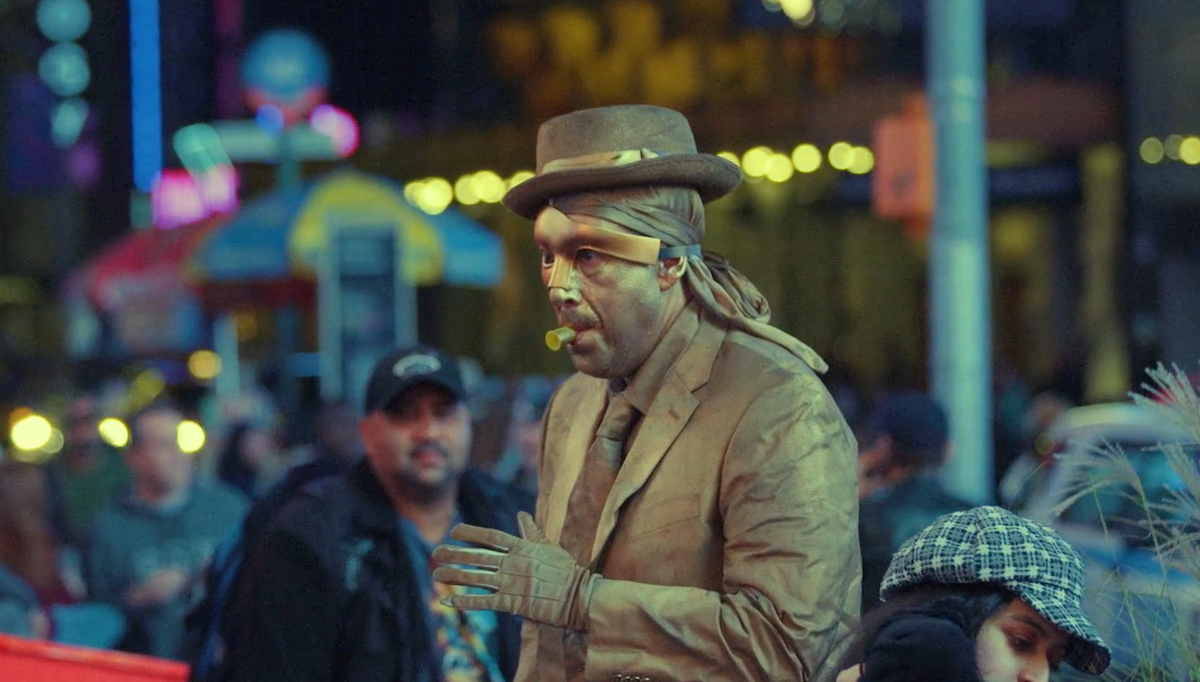
Goldman v Silverman is a short movie by Safdie Brothers that can be watched online, shot during the production of Uncut Gems, once again starring Adam Sandler in the lead role.
The film runs for about six minutes, and its plot is disarmingly simple: two street performers get into a scuffle over territory on New York’s Times Square. The first (Adam Sandler) is completely covered in gold spray paint; the second (Benny Safdie), likewise, in silver. The conflict—reminiscent of the robot duel from EuroTrip—comes to a surprisingly quick end when Goldman resorts to violence and, using the gold spray, mercilessly deals with his fellow performer.
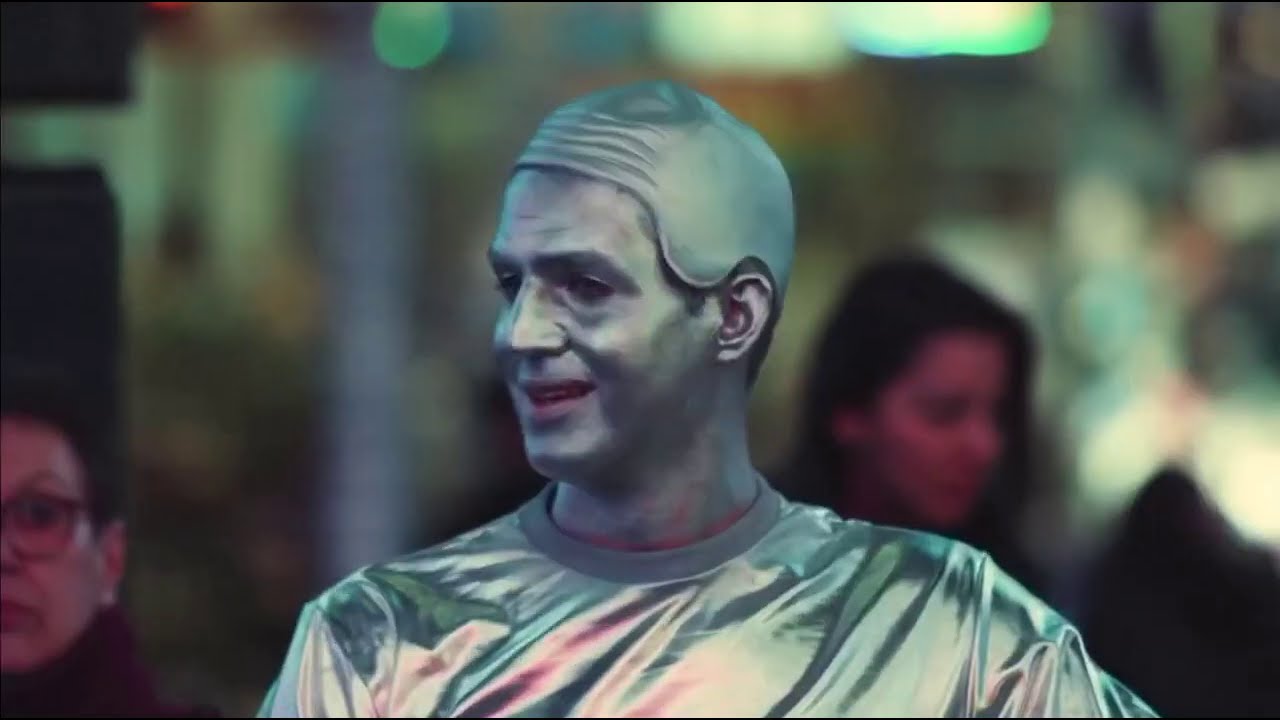
Over the course of six minutes, the Safdie brothers explore what is likely their favorite subject: strained interpersonal relationships. Using the example of street performers, they illustrate how dangerously easy it is for conflicts to erupt. After all, the entire situation begins quite innocently—with a silly joke by Silverman, who mocks Goldman in front of a small crowd gathered around. Goldman can’t let it go and responds to the provocation, thereby escalating the conflict. Before our eyes, a kind of snowball forms that, by the end, must be destroyed in a spectacular fashion, giving rise to an exceptionally unpleasant situation that casts a shadow over the rest of both artists’ day.
The same mechanism—only on a much larger, feature-length scale—was presented by the creators of Uncut Gems less than two years ago in the excellent Good Time. Verbal violence breeds physical violence—there is no other option in the Safdie brothers’ films.
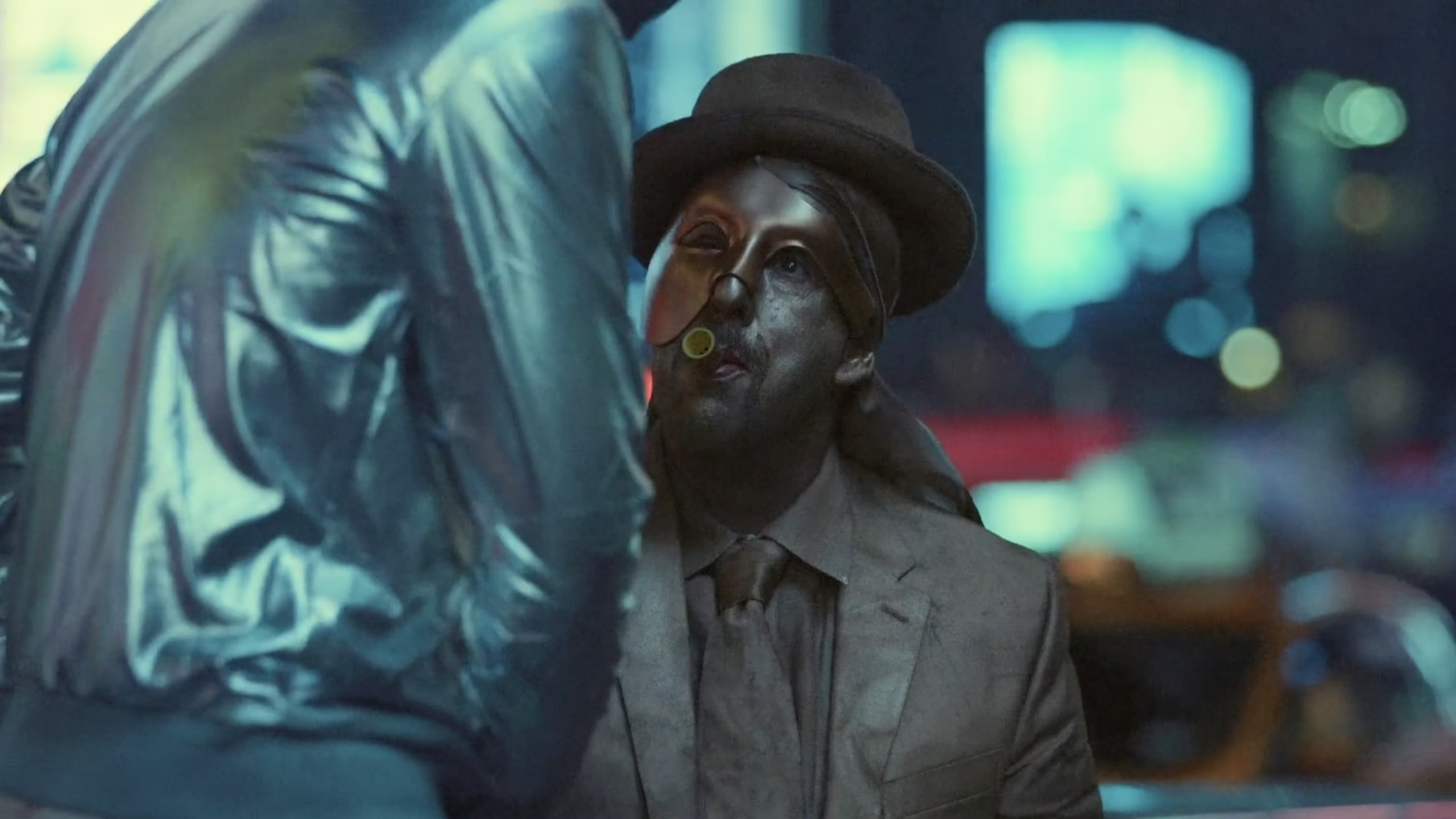
The short was made in the familiar poetics of the Safdie brothers’ cinema. Handheld shots dominate, placing the form within the realm of documentary filmmaking in the vein of direct cinema, while simultaneously lending the image a desired dynamism that complements the narrative conflict. The same effect is reinforced by sharp editing that doesn’t allow the viewer to anchor themselves in a single shot, changing as quickly as the tense situation on screen. There are few contemporary films that can compete with the Safdie brothers’ work in terms of intensity—achieved through extraordinarily simple yet remarkably effective means.
Interestingly, the directing duo shot their short not in a studio but in a natural setting—on the real Times Square. For this reason, it’s worth watching Goldman v Silverman at least twice. During the first viewing, focus on the story; during the second, pay attention to what’s visible in the background. With careful viewing, one can easily notice the bewilderment of the people gathered around—some believe they’ve stumbled into a real conflict and aren’t quite sure how to react, while others, aware of the staging, watch the filmmaking process with curiosity. A few even pull out their phones and begin documenting the events.
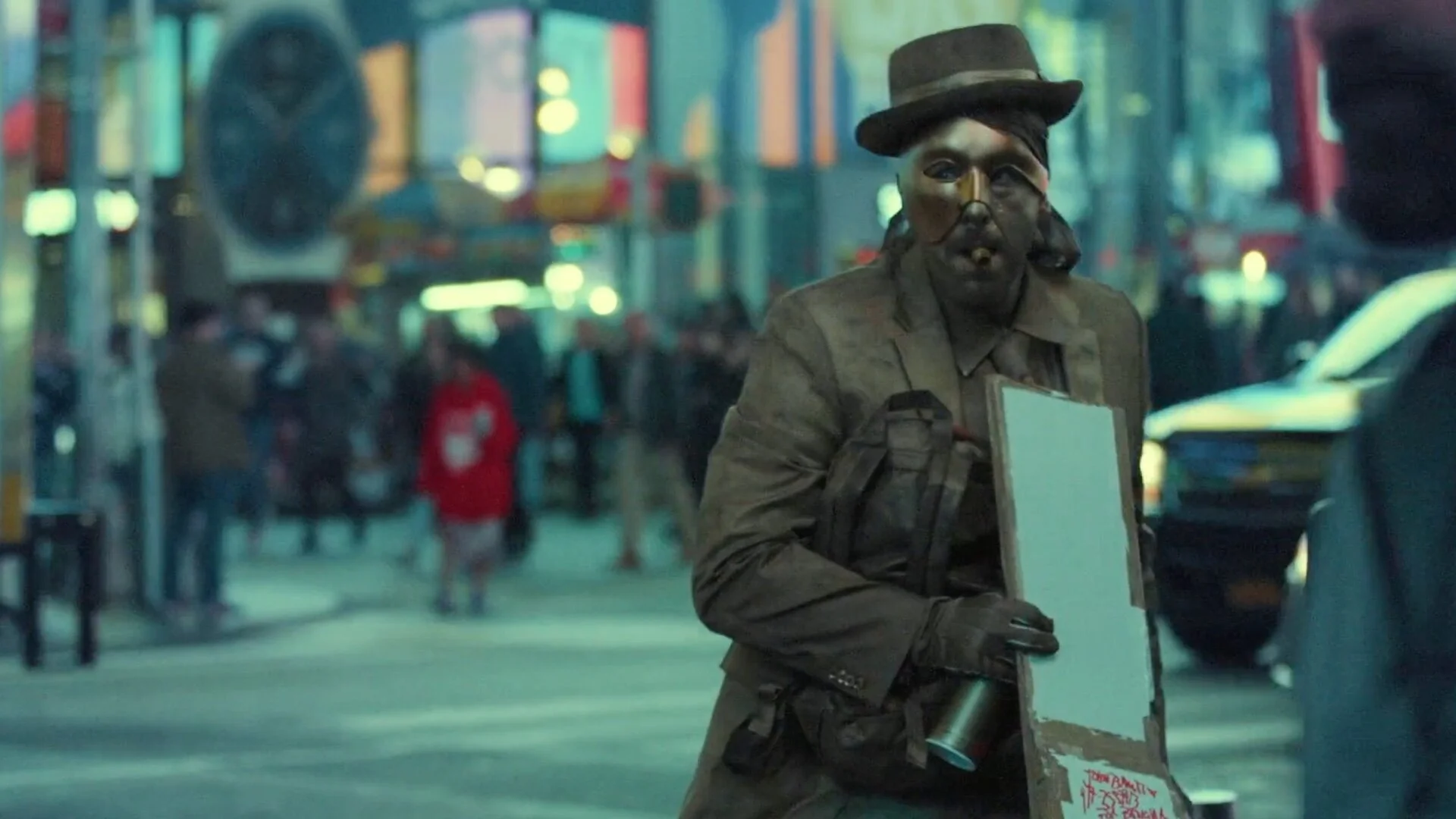
Goldman v Silverman is a kind of condensation of the Safdie brothers’ style. If you haven’t seen any films by the creators of Good Time yet, starting your journey with their cinema with this short film is an excellent idea—it will quickly make you aware of what to expect from the feature-length works signed by Josh and Benny, both formally and narratively.
The film can be watched legally and for free.

