
Review
GENERA+ION: A Zoomer Fantasy About Life Without Consequences
If creators keep serving viewers such fairy tales as Genera+ion, we will never come to understand who the members of the first digital era generation truly are.

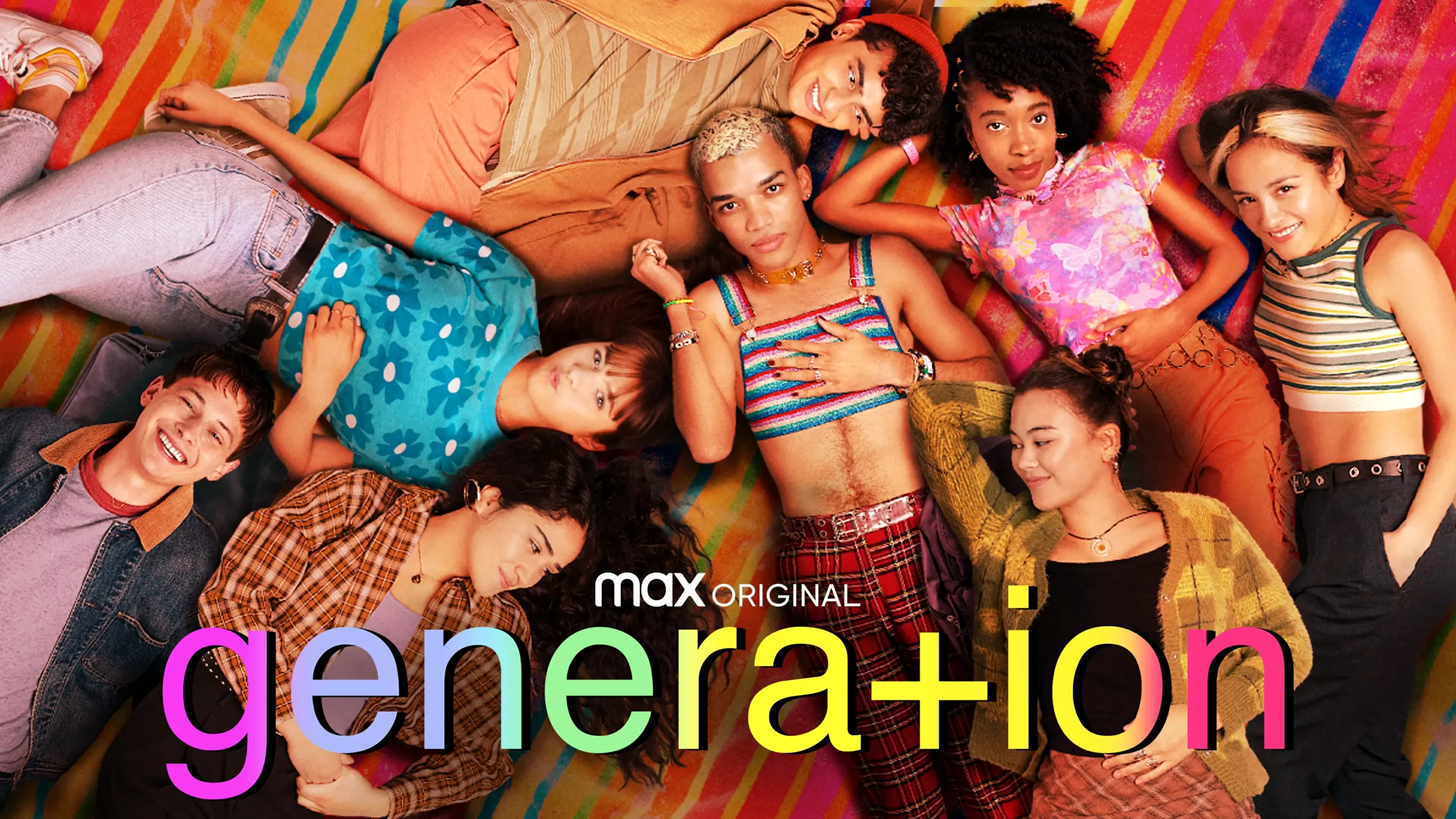
Another series about teenagers and another disappointment – if creators keep serving viewers such fairy tales as Genera+ion, then through art we will never come to understand who the members of the first generation raised entirely in the digital era truly are.
I am 28 years old, I do not yet consider myself a mental boomer, and yet I watched subsequent episodes of the series produced by HBO Max and written by the daughter–father duo Zelda and Daniel Barnz with a mix of embarrassment and dread. Embarrassment, because it has been a long time since I have dealt with a story told in such a chaotic way, until a certain point deprived of the most important dramaturgical elements – tension, conflict of values, clearly portrayed protagonists.
Dread, because surely many people, after watching the whole thing, will sincerely believe that it is possible to live like the presented characters, with impunity and carefreeness, with the sense that one can literally do anything without suffering any consequences.

In the world presented in Generation, every young character is colorful, positively disposed toward reality, and greedily wants to live to the point of exhaustion – which in the dialect of the series means mostly parties, sex, and superficially solving during debates the most important problems of the world, with intolerance and the climate crisis at the forefront.
If there is school, then only breaks where one can show off, as well as extracurricular activities during which one can create safe bubbles and nod in agreement during conversations on important topics.
If there is home, then it is obligatorily with tyrannically strict parents – unless they are a gay couple, in which case the child blossoms in an aura of love, granting themselves the right to make homophobic jokes as part of the package. In the world of Genera+ion, the sun scorches skin caressed by cooler gusts of wind, nights glitter with neon lights, poverty does not exist, peers with different views have gone extinct, there is only fun and the pursuit of discovering one’s own identity.
Or there is a battle to be fought with the math teacher, who does not understand complaints about why non-binary people were not included in the word problem concerning the people present in the classroom.

I already mentioned in the text dealing with the future of pop culture how deeply disappointed I am with the constantly taken-up theme of identity within productions about and aimed at young adults entering the more serious period of life. It is no different in the case of Genera+ion – issues of a sexual nature are the most important. Goals, ambitions, dreams, other types of dilemmas (even financial ones) have been completely pushed beyond the margins of the story. There is only the question of whether a given character wants to get closer to a boy or a girl, or perhaps unnecessarily wants to define themselves at all. The characters’ traits are reduced to matters of the heart and the bedroom.
It sometimes happens that siblings want to sleep with the same boy, and a student pines for a new teacher. Vulgarity mixes with physical delicacy, dialogues straight out of porn films with the discovery of sexual needs and the fragility of the first time. It is truly surprising that within a single title there are elements so glaringly mismatched. Some characters are treated indulgently – I am thinking of Chester (Justice Smith) and Greta (Haley Sanchez) – while others, like Arianna (Nathanya Alexander) and Nathan (Uly Schlesinger), are made into debauched idiots. Sexual orientation and skin color define everyone, the rest is silence.
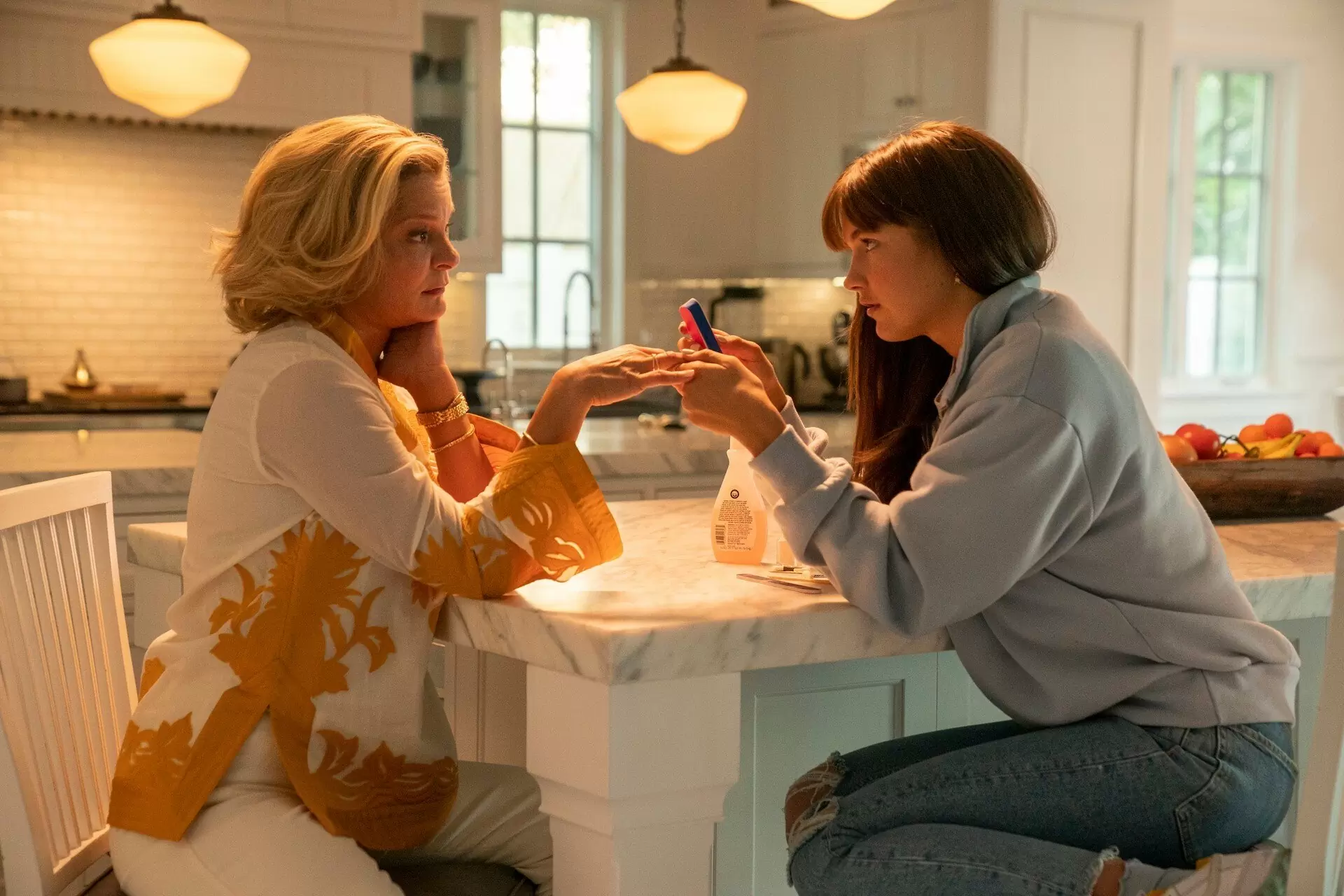
Without identity issues, there is no HBO series. The station responsible for promoting titles populated by wildly complicated personalities opts to promote a production completely devoid of even a trace of hesitation, nuance, ambiguity. Genera+ion cannot be treated as a funhouse mirror held up to the faces of zoomers, especially since the writers’ sympathy for the characters is palpable.
Slippery personalities may appear on screen, ones you should not trust, but by virtue of their age and views they are presented in a better light than the people of the older generation, lost for many reasons in the modern, fluid reality of the third decade of the 21st century.
The writers have no mercy for boomers, at every turn finding their mental unfitness for the dynamic changes occurring within American society. The Barnz family, with the grace of a bulldozer, tells a story about a world almost no one knows, but that does not stop many – especially American – reviewers from writing about Genera+ion as a true portrait of teenagers. Well, perhaps if I lived in California, hung out with friends of exactly the same views, and my parents were able to provide paid education right after raising me in a multi-story, richly furnished house, I might be tempted to form similar theses about the HBO series.
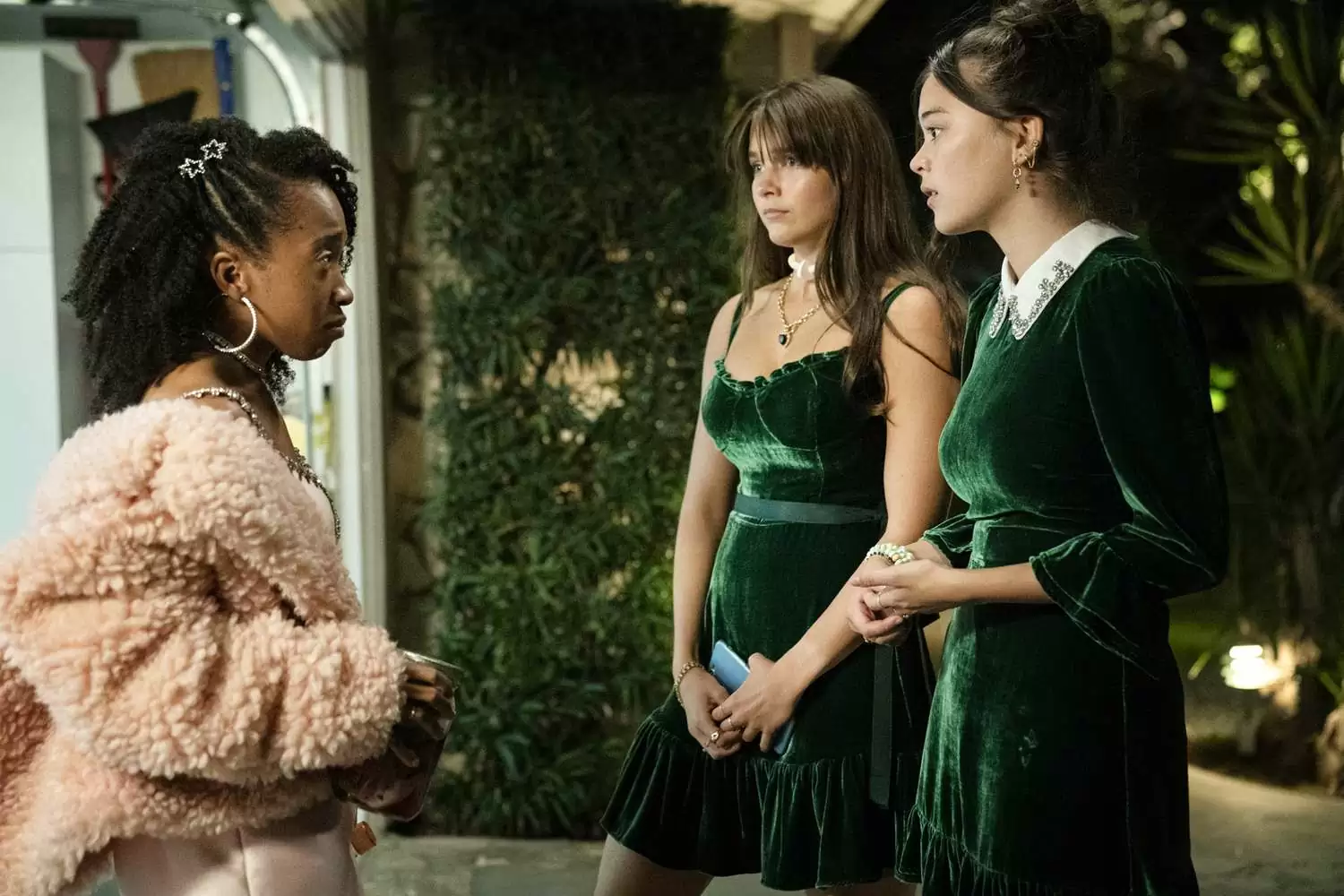
As it happens, however, the postcard drawn for the streaming platform is far from the reality of the vast majority of representatives of this generation. It is not a true portrait but a fabricated fantasy meant to stroke quivering emotions, pulling minds away from gray everyday life and transporting them into a land of eternal and infinite possibilities. Pop-cultural escapism for teenagers par excellence.
As an exemplification of the above statement, let the plotline running from the first to the last episode serve. It turns out that one of the teenage girls does not notice that she is pregnant. She just lives her life, has fun, until suddenly in a shopping mall she feels nauseous and labor begins in the restroom. The whole group of friends gathers, they manage to deliver the baby without complications, and then the freshly minted mother, not feeling the pains of labor in the slightest, finds an appropriate place to abandon the child.
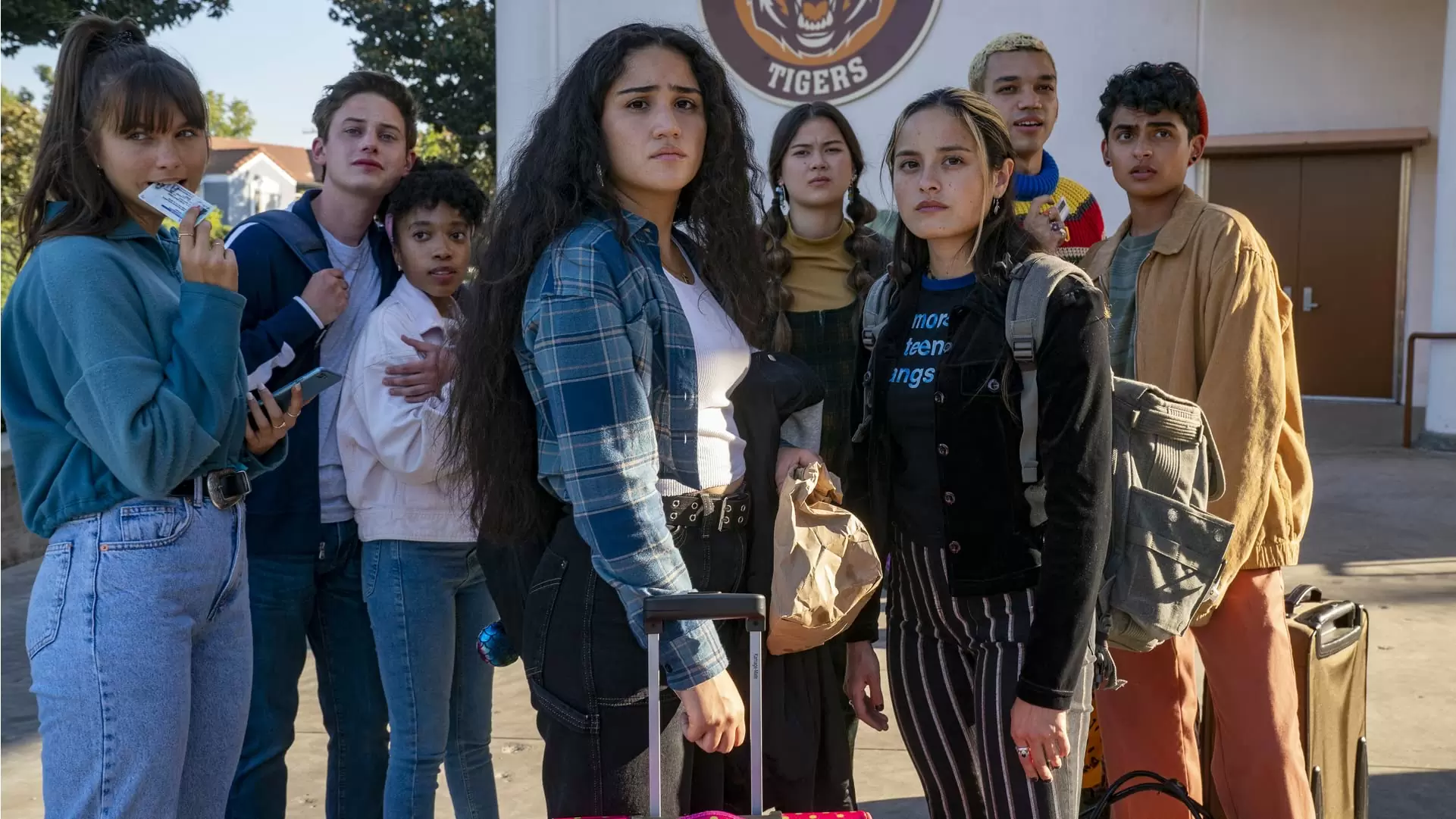
The way the subject is presented is downright revolting – more important than the thread of leaving the child (because the mother is not ready and wants to keep living a little longer) are the love dilemmas of the characters. It is they to whom the camera devotes more time during the car ride, watching their sad faces staring into smartphone screens, not the girl who is about to dispose of the unnecessary human burden. The sad soundtrack corresponds to their romantic tragedies and unappeased longing for affection, not to the situation of the child who is about to end up on a stranger’s doorstep. Already on the example of this one plotline (though many more can be found), it is strikingly clear how the writers glorify the immaturity of the characters.
Of course, if the Barnzes had not been so firmly on the side of the teenagers presented, it would have been possible to squeeze from the chosen theme – fear of responsibility – a truly moving drama. This Faustian bite, manifesting in the need to live here and now at all costs, could have been presented both humorously and more seriously. Such an attempt was even made – in episode five, Gays and Confused. It begins with information about school being closed due to wildfires raging in nearby forests, then there is an opportunity to follow a night car ride of three friends, ending with a photo session by the pool.
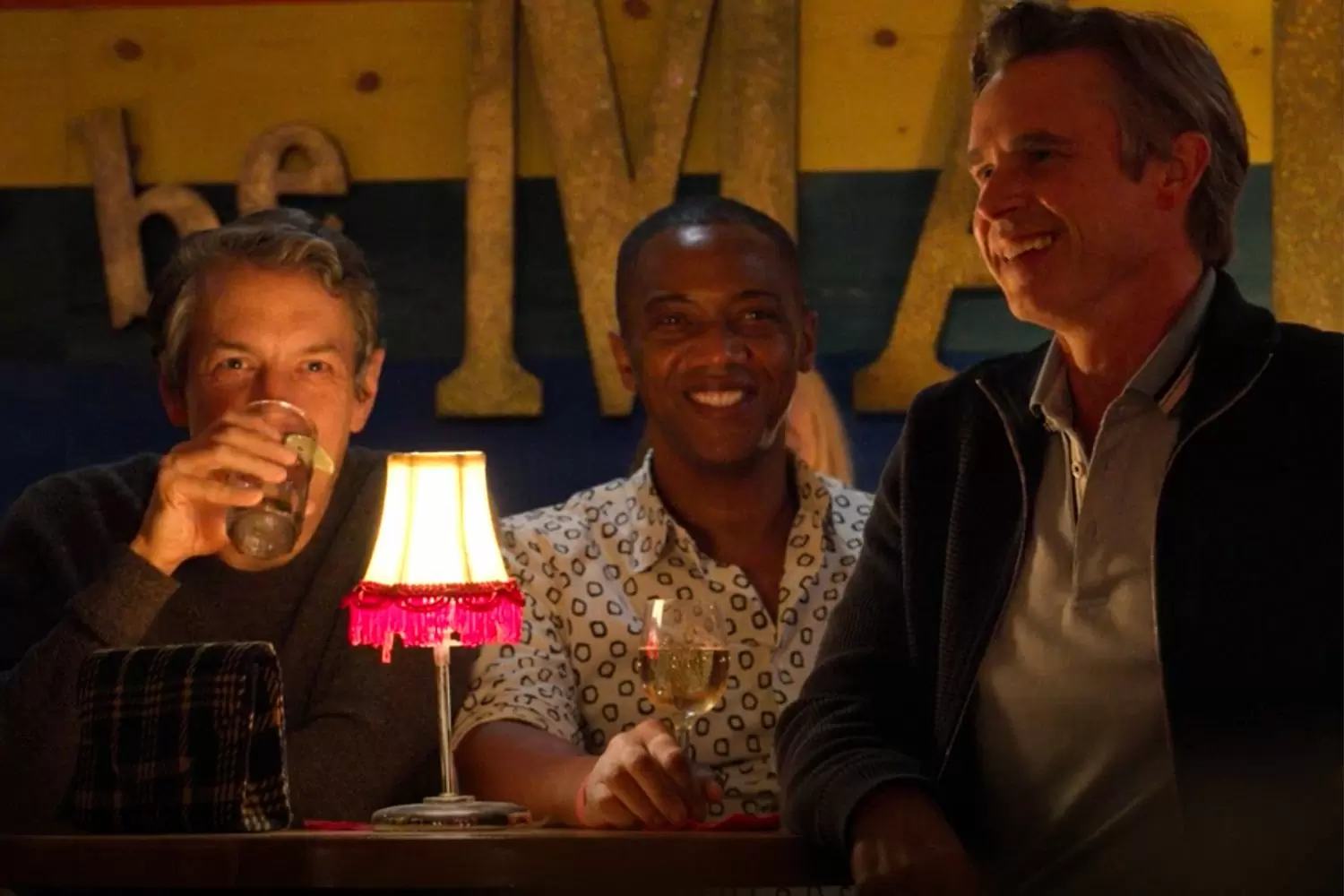
The climate crisis, the sense of the coming end, the greedy search for sensations – in this episode everything is in its place, and the protagonists can finally speak sincerely about their emotions. It is a pity that this tone appears as suddenly as it ends. Instead of understanding the dilemmas experienced by zoomers, there is their total glorification.
It even brings to mind the famous article from Krytyka Polityczna Capitalism is disgusting and makes me cry, whose author clearly states: I do not want to perform meaningless, exhausting, and poorly paid work – and I have no intention of being ashamed of that.
I want to do in life what gives me pleasure, and I would like everyone to have the opportunity to make such a choice. I do not think that industrially frying pancakes is more useful than protesting against changes in the electoral law.
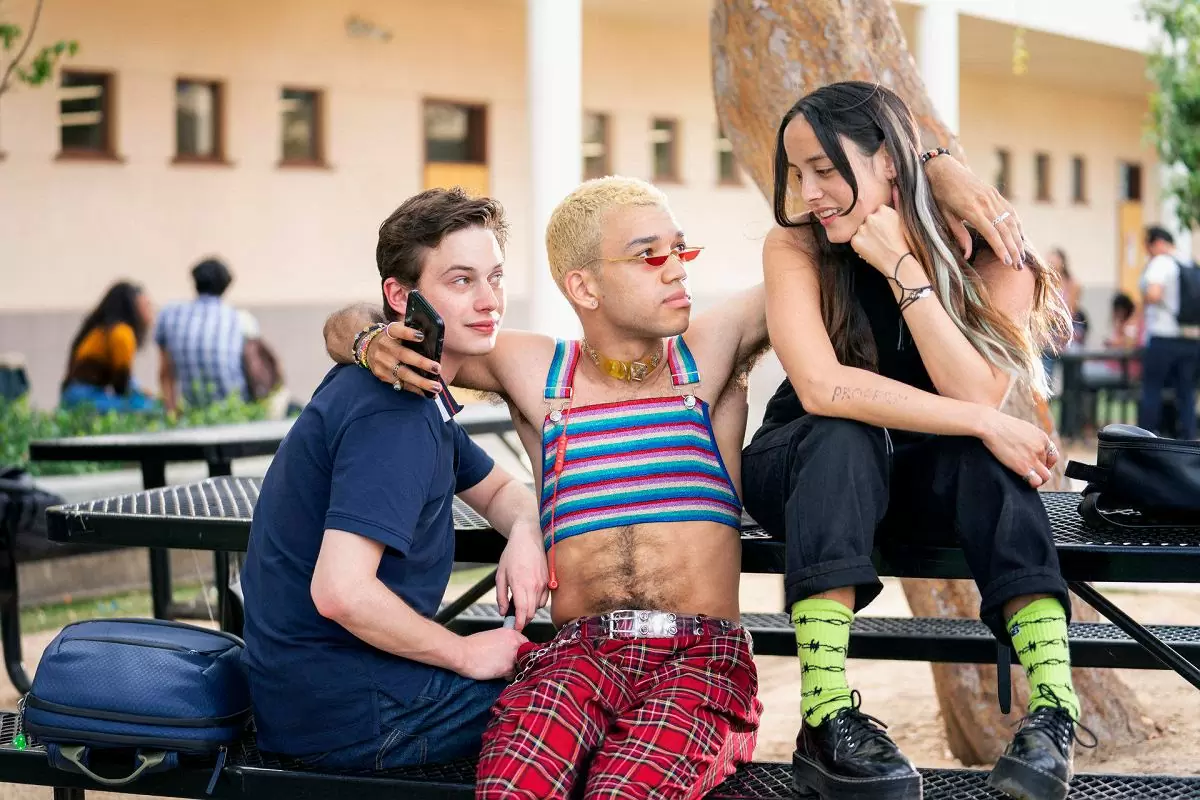
Such are the protagonists of the series Genera+ion: carefree and devoid of any sense of responsibility. Since the creators are clearly on their side, agreeing that such a form of existence is perfectly valid, the HBO Max series appears as a form of stupefaction for viewers who, in sweatpants and while munching on chips, watch such escapades in their cramped four walls and then think that life is elsewhere – fuller, more colorful, fairer.

