
Review
CASTLE: I Keep Returning to This One – I Can’t Help It
So many things went wrong with Castle, though it could have been so much better, but I keep returning to this one, I still feel sentimental about it.

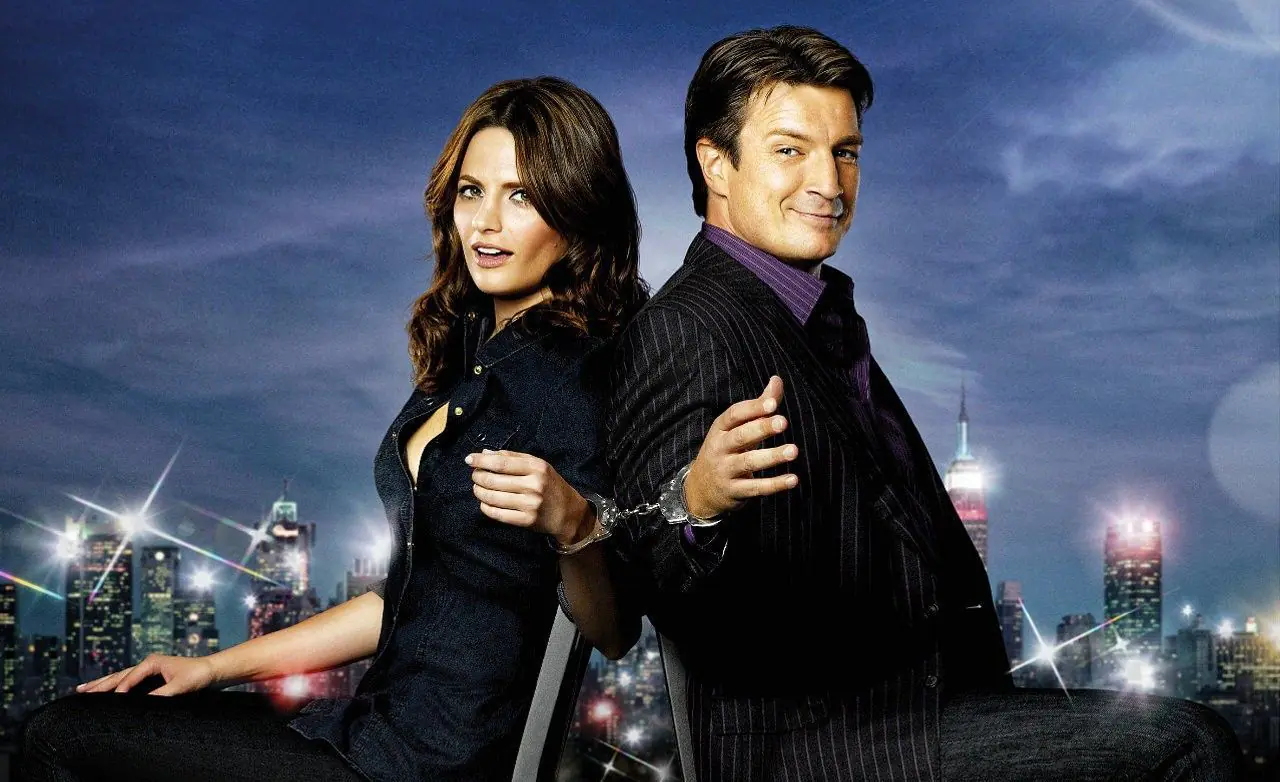
When I began my journey with television series years ago, it did not take much for me to become attached to a production. A good actor, an intriguing character, or a captivating plot were sufficient. I enjoy The Mentalist for the charming Simon Baker. I endured Once Upon a Time solely because Lana Parrilla and Robert Carlyle form the best acting duo I have ever seen in a series. I watched House M.D. exclusively for Hugh Laurie’s charisma. Castle also had its strengths and weaknesses, but the decisions made by its producers irretrievably ruined the show.
Castle tells a banal and stereotypical story: writer Richard Castle (Nathan Fillion) accompanies Detective Kate Beckett (Stana Katic) to familiarize himself with police work. Of course, he constantly flatters her, and at best she ignores him. But since, as I said, it is a banal and stereotypical tale, sooner or later they end up in bed. A typical procedural series with a romance subplot.

Whoever conceived Castle and Beckett had watched too much The X-Files. As befits a writer with a vivid imagination, Castle concocts such absurd theories in his attempts to solve murders that the sensible, matter-of-fact Beckett can only roll her eyes. Even without veering into science fiction, one could have created interesting conflicts, yet it always boiled down to Castle pitching an outlandish theory, Beckett suggesting he tap his head, and then simply carrying on investigating.
Castle was a womanizer, a bestselling author who could arrange anything with one phone call, and a single father to teenage Alexis.
As a character he fared both better and worse for this. Worse, because he undergoes virtually no development, barely evolving over the series. Better, because this meant the writers could not entirely ruin his storylines. He stopped autographing women’s décolletage, but that is perhaps the greatest character difference between Castle in the first episode and Castle in the last.

Meanwhile, Beckett’s storyline—of a woman haunted by her past—promised to be far more engaging.
For years, the detective obsessively sought the truth about her mother’s murder when Beckett was sixteen. Unfortunately, this thread resurfaced in only two or three episodes each season—at the beginning, middle, and end, when networks measure ratings to decide who stays on air. And though it was never the series’ main theme, the writers still managed to botch it: Beckett catches the culprit relatively quickly, only to discover he is but one piece of an iceberg-sized conspiracy reaching nearly to the White House, and dismantling the entire cabal and proving anything against them will take centuries and is impossible.
The more the writers circled, the more viewers rolled their eyes on Beckett’s behalf.
Moreover, over eight years Castle ticked off every dull, stereotypical procedural episode trope imaginable. An episode where Castle is suspected of murder? Check. One where a film crew shadows the protagonists? Check. Someone standing on a bomb? Check. Beckett and Castle forced to kiss to avoid recognition? Check. Threats of explosion, drowning, falls from great heights, or gunshots? Check, check, check, check, and check. The only thing missing was the musical-episode.
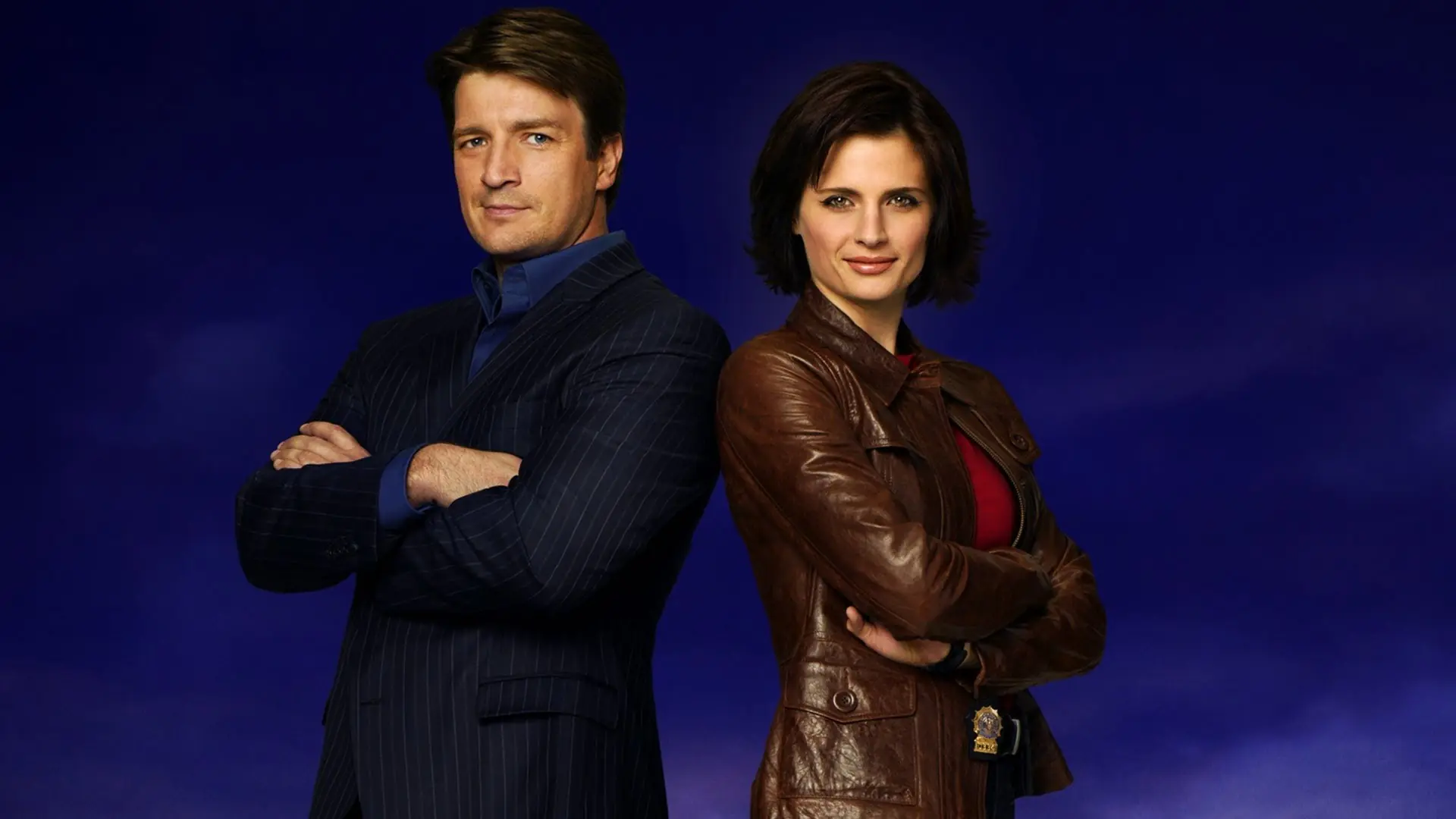
An old saying goes that a man is judged not by how he begins but by how he ends. Applied to television series, one would conclude Castle is not even worth mentioning. After the eighth season, fans were surprised to learn that only Fillion’s contract was renewed and Stana Katic would not return—meaning only Castle would remain of the Castle-Beckett pair. Outraged fans made such a fuss that it was soon announced the series would be cancelled after all. The only problem was no one expected this, painfully evident in the finale: Castle and Beckett are shot, the screen goes black… then a short, clearly last-minute, thirty-second montage titled and they lived happily ever after appears.
So many things went wrong, though it could have been so much better—yet I still feel sentimental about it. I remember setting my alarm ninety minutes earlier so I could watch the new episode before class. Now I no longer eagerly watch procedural series—especially eight-season, twenty-episode epics—but I keep returning to this one. And now, fully aware of how flawed it can be, I roll my eyes no less than Kate Beckett.


