
Horror Movies
BLOODRIDE: A Norwegian Horror Anthology from Netflix
Bloodride should be treated as a solid craft work for those who appreciate quick solutions without the need for elaborate world-building.

Thanks to Netflix, viewers have the opportunity to watch series from every corner of the globe. One might think this is a chance to discover local color tied to the stories and mind-sets of people living under different latitudes, yet at the same time a sad truth emerges about the killer influence of globalization on originality. The series Bloodride has become another victim of these trends.
The Norwegian production stands as a prime example of good intentions shackled by corporate constraints. This six-episode anthology is carried by the spirit of horror, suspense, and black comedy. Each installment tells a different story of greed, a frantic chase for money, mental illnesses that destroy interpersonal bonds, and the thin line between the visible world and the realm of spirits. The creators are not afraid to draw on elements from ghost stories, strigas, and other spectral beings that haunt humanity.

Bloodride is pleasant to watch—episodes are short yet narratively intricate, and each story includes at least one twist that delivers a genuine surprise. Of course, light digestibility does not always go hand in hand with quality—as is the case with anthologies, more compelling tales mix with less engaging ones.
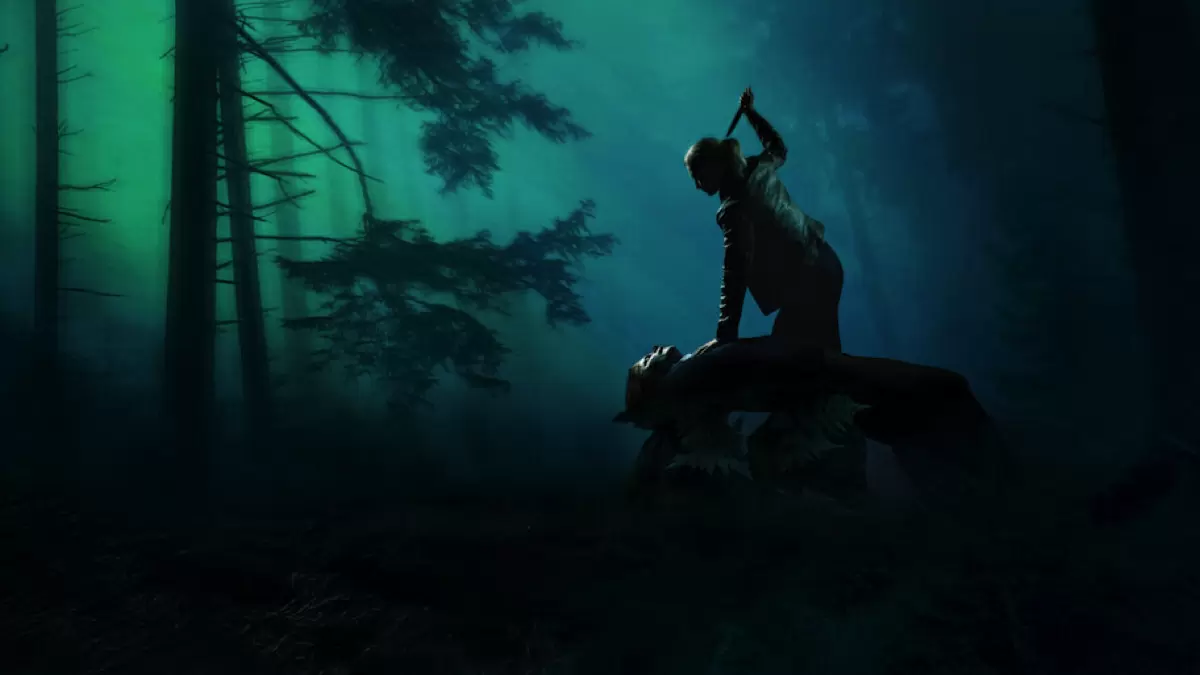
Front and center is the story of a writer persecuted by her colleague. That episode blends humor with elements of brutal grotesque.
Here, the writers allow themselves to bend all rules of plausibility merely to toy with viewers’ expectations. They do it very skillfully, perhaps because they avoid a cool, moralizing tone. What matters is the tale itself as a source of perverse pleasure in watching characters spiral into increasingly absurd predicaments.
At the same time, Bloodride is not a series that in any way expands one’s cognitive horizons regarding the passions that drive human lives. This is most evident in the first episode, where all of the production’s flaws surface.
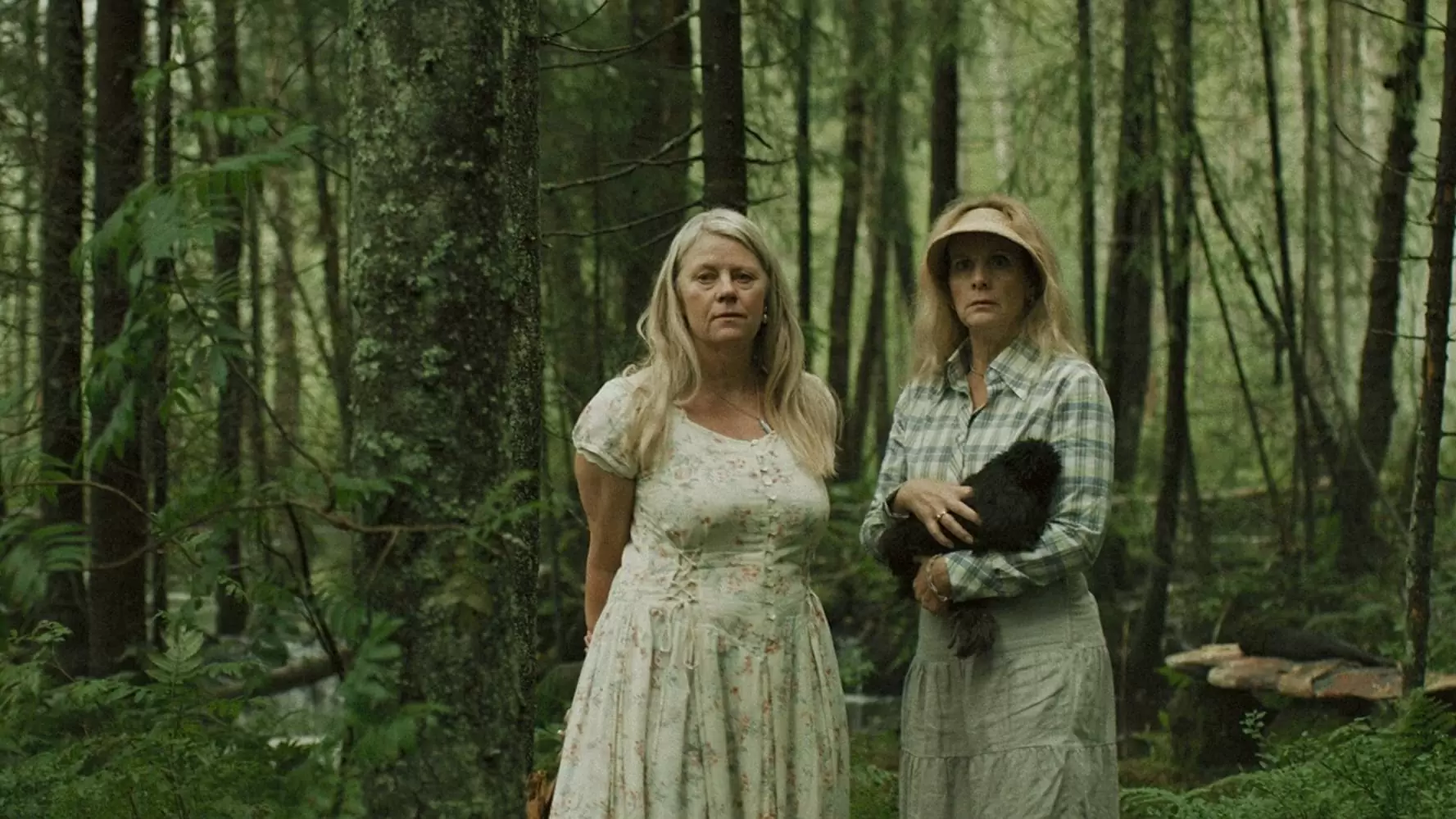
The anthology opens with a tale of a family moving from a big city to the provinces, where the locals—following the example of the Vikings who once inhabited those lands—worship ancient deities in hopes of financial gain. While the initial sense of isolation is superbly crafted, the subsequent plot offers only a painfully familiar morality tale about the power of money, whose glitter can blind even the purest soul.
The Netflix series lacks a Norwegian spirit and does not introduce any elements unknown from other productions.
The stories are instrumentally universalized; they could be set anywhere in the world. It is yet another demonstration that European titles from the streaming giant are not a chance to discover other ways of thinking. This is utopian fiction, because every narrative must undergo such transformations to be understood without delving into cultural differences between inhabitants of different countries and continents.
The same applies to the genres the creators draw on.
They follow a path of compromise, borrowing a bit from horror and comedy so that everyone can find something to their taste. If one were to seek the roots of this Norwegian title, the easiest resemblance would be to the cult Twilight Zone, especially in its approach to building suspense on a narrative rather than an aesthetic level. Bloodride is not an outpouring of artistic license. The camera works decently, without unnecessary affectation.
The greatest surprises occur in the realm of plot, which places this series far from anthologies like Black Mirror, where significant emphasis is also placed on visual aspects. Bloodride should first and foremost be treated as solid craft work, which at certain stages lacks the room for greater madness. Some episodes will surely guarantee enjoyment and the sweet feeling of being tricked by the writers; others will provide only banal truisms dressed in the garb of scarcely frightening horror or unrefined comedy.

The Norwegian series is thus a proposition for those who appreciate quick solutions without the need for elaborate world-building.

