
Review
THE QUAKE: Earthquake in Norway [MOVIE REVIEW]
The Quake leaves us with a sobering takeaway: disaster can strike at any moment, and our warning systems may not be enough to protect us.

![THE QUAKE: Earthquake in Norway [MOVIE REVIEW]](https://filmfolly.com/wp-content/uploads/2025/09/THE-QUAKE-Earthquake-in-Norway-MOVIE-REVIEW-4.webp "the-quake-2 | FilmFolly.com")
Nowadays, discussions about climate change and environmental threats are becoming increasingly common. Questions often arise about what we, as individuals, can do to prevent such dangers—or at the very least, how we should respond to them in order not to become victims of nature’s fury in an instant. These concerns and the underlying sense of unease form the foundation of disaster films, a genre that remains strikingly relevant in light of the increasingly frequent natural catastrophes affecting different parts of the world. One such story of humanity facing the overwhelming power of nature is told in the Norwegian drama The Quake, a film that proves disaster cinema doesn’t have to come exclusively from Hollywood.
The Quake is the sequel to the well-received 2015 film The Wave, which depicted a massive rockslide into a fjord in the town of Geiranger, triggering a devastating tsunami. The sequel takes place three years after those events and shifts the action to the country’s capital, Oslo. At the heart of the new disaster is once again the family of Kristian Eikjord, a geologist who had monitored the Geiranger mountain for years and whose actions in the first film saved many lives. In The Quake, the threat again comes from the very ground the city stands on—this time, not a rockslide but a powerful, almost imperceptibly approaching earthquake. It’s not water, but earth that becomes Kristian’s new adversary, along with that of unsuspecting Oslo residents caught off guard by the unfolding crisis.

Although director John Andreas Andersen made The Quake in the wake of The Wave’s success, this isn’t a sequel that simply aims for “bigger, louder, better.” While it naturally follows a familiar disaster-movie structure, it doesn’t rehash the original. Instead, it creates a largely self-contained narrative—rooted in the events of the first film, but developing its themes in compelling new directions. The tragedy from three years ago, briefly recapped in the prologue, still casts a shadow over the returning characters, who are struggling to move forward after their traumatic experiences. Kristian may appear on TV as a national hero, but it’s clear that the catastrophe has deeply changed him.
His marriage to Idun has fallen apart due to his growing obsession with predicting future disasters. Now living alone in Geiranger, far from his family in Oslo, he’s a broken man, barely maintaining contact with his teenage children. What jolts him out of this stagnation is the research of a fellow geologist, suggesting the possibility of an even stronger earthquake—one reminiscent of the powerful tremor that struck Oslo over a century ago.
The Quake skillfully navigates the conventions of its genre, striking a smart balance between character-driven drama and disaster spectacle. Much of the film focuses on building believable relationships between characters and exploring the authorities’ response—or lack thereof—to Kristian’s warnings. While the setup is meticulous, it’s not overly drawn out, and the tension gradually builds in a subtle but effective way. When the long-looming earthquake finally hits, the filmmakers avoid switching abruptly into full-throttle action mode. Instead, they stay grounded in the character arcs they’ve developed, making the chaos feel like a natural extension of the drama rather than a separate action set piece. In doing so, The Quake learns from some of The Wave’s shortcomings—mainly the disjointed connection between its personal and disaster-focused elements. Here, everything feels more cohesive, and the catastrophe itself becomes an integral part of the family drama at the story’s core.
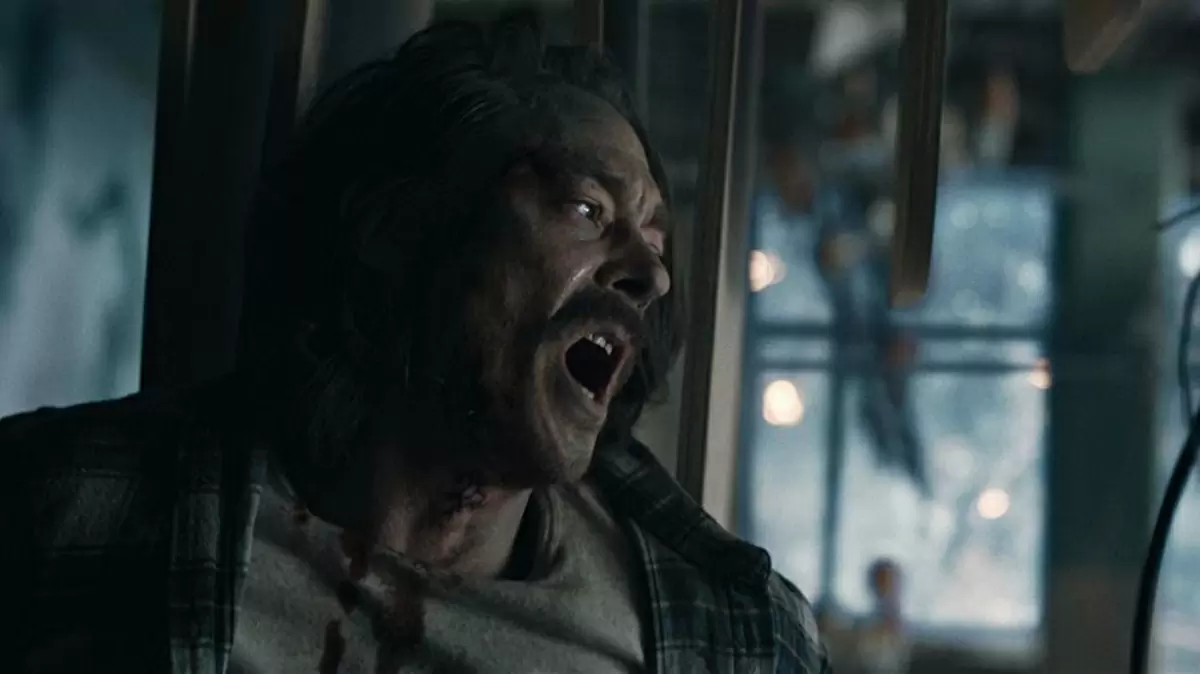
Another strength of The Quake is its relatively intimate scale. Even during its most intense action sequences, the film maintains a grounded approach. Rather than trying to depict the disaster on a sweeping, panoramic level, the story zooms in on specific, carefully constructed moments. This choice helps preserve an emotional closeness that gives the film its distinctive identity.
Overall, the result is a well-crafted and engaging film, supported by strong performances from top-tier Norwegian actors Kristoffer Joner and Ane Dahl Torp as Kristian and Idun, along with a compelling turn from 11-year-old Edith Haagenrud-Sande as their daughter Julia.
By giving this trio space to showcase their acting skills, the filmmakers strike a delicate balance between Nordic character-driven drama and a high-stakes thriller. Particularly effective is the portrayal of Kristian’s psychological scars from the previous disaster—the trauma of a man who failed to sound the alarm in time, as well as the lasting pain felt by other survivors. That said, the film falls just short of complete success. Some plot threads are left undeveloped or abruptly cut off, and the lack of a proper epilogue leaves the audience hanging after the intense climax.
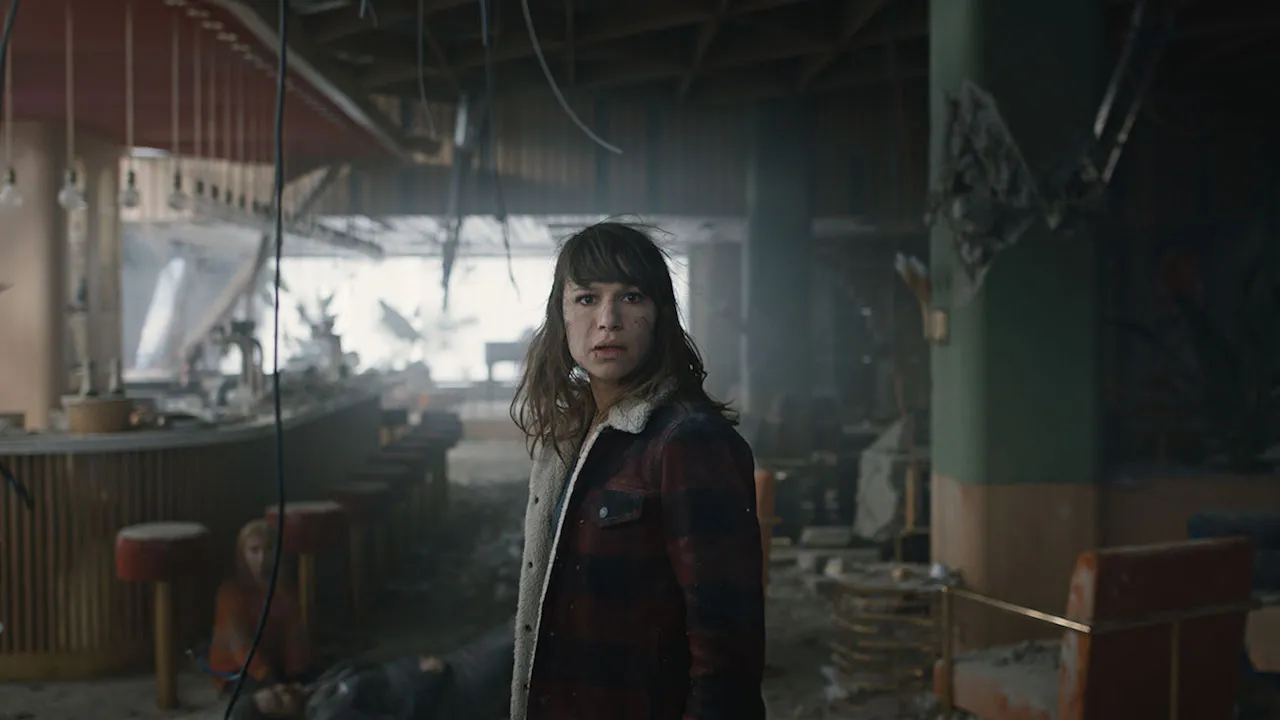
Still, The Quake’s strengths outweigh its flaws. It may not transcend its genre, but it delivers a solid, satisfying viewing experience. A smartly made disaster drama with engaging characters and well-paced suspense, The Quake leaves us with a sobering takeaway: disaster can strike at any moment, and our warning systems or bureaucratic processes may not be enough to protect us (in fact, both films draw heavily on real geological data). A slightly more hopeful conclusion, perhaps, is that Norway’s underestimated natural threats leave room for further cinematic exploration—and another encounter with the characters of The Quake may still lie ahead. While I certainly wish them a peaceful life, I wouldn’t mind seeing them again.

