
Review
1899. A Puzzle That Scrambles Your Brain
The only, but at the same time extremely serious, problem of 1899 is the lack of the viewer’s ability to properly engage with the characters’ fates.

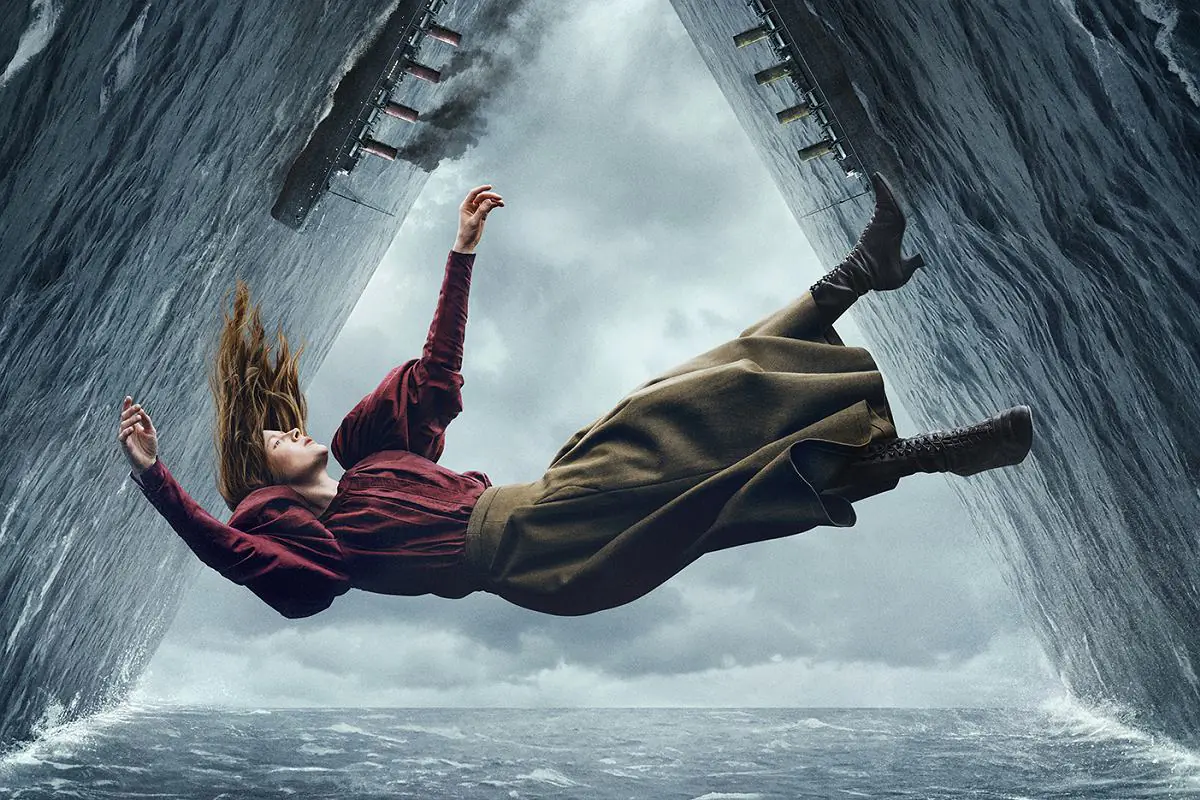
That’s impossible! – is most likely the most frequently uttered phrase in the latest 8-episode Netflix series, 1899. And I, while watching the production by Baran bo Odar and Jantje Friese, also shouted these words from time to time. Because it truly is impossible that the creators of the famous Dark once again managed to successfully draw viewers into their labyrinths full of complicated symbols, bizarre concepts, psychedelic sounds, and characters who hide secrets even from themselves. Is it an enjoyable experience? That is a completely different matter. The action of 1899 takes place mostly on board a steamship called Kerberos, which is to transport emigrants from the Old Continent to the New World in just seven days. The passengers and the crew are a real socio-cultural melting pot. On Kerberos, different social statuses, languages, beliefs, and behaviors all mix together. What unites the emigrants is the desire to escape. Escape from problems, tragedies, and traumas of the past. The hope for a better future for the passengers and crew of Kerberos is shaken when a twin steamship, Prometheus, which disappeared four months earlier, appears on the horizon. The above plot description of 1899 is in fact merely a backdrop for the events that are the main theme of the production by Baran bo Odar and Jantje Friese.
From the moment Kerberos and Prometheus meet, 1899 transforms into a trippy puzzle that scrambles the brain. 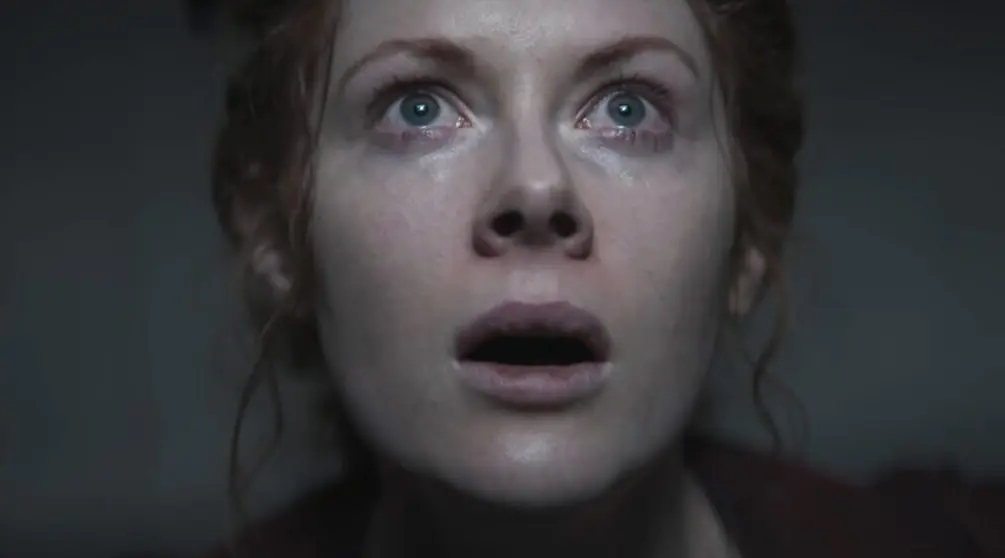 Baran bo Odar and Jantje Friese set the bar very high with Dark. Every subsequent production by this duo will undoubtedly be compared to that unexpected Netflix hit from 2017–2020. In terms of complexity, the accumulation of symbols, or philosophical and cultural references, 1899 certainly matches Dark, but it fares worse in engaging viewers in the fates of its characters. It seems that the fascination with the mystery we want to unravel alongside the passengers of Kerberos has overshadowed the proper development of characters. As a result, the plot of the series draws the viewer in completely, like an ocean abyss, but it is difficult to understand the characters’ behavior and motivations. Even the commendable decision to let the actors speak in their native languages has not helped much here. The characters thus become mere pawns on an exquisitely crafted and elegant board of the Creators (to stick with the series’ terminology). This is all the more unfortunate because the acting in 1899 deserves the highest praise.
Reminiscent of both Nicole Kidman and Amy Adams, Emily Beecham as neurologist Maura Franklin does her utmost to make us feel her pain and confusion. And the famous Stranger from Dark, Andreas Pietschmann, does everything he can to help viewers understand what drives Captain Eyk Larsen when making often controversial decisions. It is also worth mentioning the Polish accent in 1899, namely Olek, played by Maciej Musiał. After several minor roles in foreign productions, Musiał was given more screen time by bo Odar, and in my opinion, he performed solidly.
In an era when streaming platforms encourage users to quickly move on to the next episode (buttons like NEXT EPISODE or SKIP INTRO), bo Odar and Friese take the opposite approach and invest primarily in atmosphere and thorough storytelling. I mean, for example, that each episode of 1899, ending with a cliffhanger, is illustrated with a rock hit whose lyrics somehow reflect what is happening on screen, so immediately skipping it by choosing the next episode spoils the experience.
 Moreover, there are currently very few productions that allow themselves a three-episode exposition. Let me just remind you that 1899 consists of eight parts. I write this because I feel that these solutions create the risk of viewers bouncing off this new Netflix creation. It is, therefore, a series for the patient viewer, one who likes to slowly immerse themselves in an atmosphere that is not necessarily pleasant, who is attentive, open-minded, and fond of solving puzzles. 1899 also does not make things easier for itself due to its rather specific genre blend.
At times, it is a period horror, at others a sci-fi thriller, and at others still a twisted romance. Additionally, the creators serve us twist after twist, and just when we think we are starting to understand something, we are hit with another surprising plot turn. What I liked most in Dark—and also experienced while watching 1899—was how it forced me to reach for other cultural texts that would help me better understand its plot.
The abundance of symbols and references to mythology, philosophy, chemistry, history, geography, literature, astrology, etc., in Netflix’s latest production ignites a desire to expand knowledge, which, in my view, is absolutely brilliant. Thanks to such elements, engaging with the series lasts much longer than just eight hours in front of the TV. Take for example the name Kerberos used in the series. I deliberately did not refer to it earlier as Cerberus, the mythical three-headed dog guarding the entrance to the underworld, because I suspect that the use of this name in the series also has an… IT-related meaning. In the context of the symbols presented in the title by bo Odar and Friese, it is also worth mentioning the wonderful work of the set designers.
Triangular elements in the characters’ clothing and jewelry, carpet patterns, the shape of lamps, and many other things I likely missed during my first viewing of 1899, form a true scenographic masterpiece that enhances the atmosphere and mystery. Baran bo Odar and Jantje Friese masterfully build the plot of 1899 and, more importantly, have full control over the narrative from the beginning to the end of the series. With beautiful set design and excellent music as a backdrop, they play with the viewer’s expectations, leading them astray and delivering a series of completely unexpected twists. At the same time, they create something more accessible than their earlier Dark.
The only, but at the same time extremely serious, problem of 1899 is the lack of the viewer’s ability to properly engage with the characters’ fates.

