






The film lacks the psychological motivation that would make "Mary, Queen of Scots" something more than just a historical biopic that impresses visually



I thought I’d see at least a bit of that specific aesthetic sensitivity in Sanders’ "Crow". I didn’t. Sanders had his own modernized vision of the...



Radioactive Dreams"is meant for experienced genre fans who can overlook all its technical flaws but are seeking the atmosphere of a post-apocalyptic reality
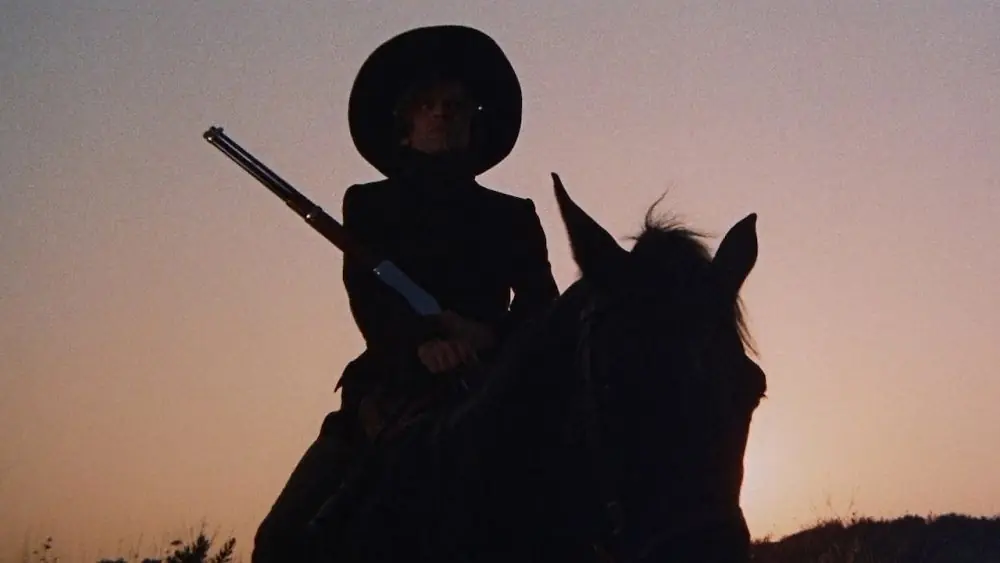

And God Said to Cain starring Klaus Kinski is a remarkable example of how to tell a thoroughly conventional story in a fresh and exciting way.



"Pacific Rim: Uprising" is one of those films that you think less of the more you reflect on them.

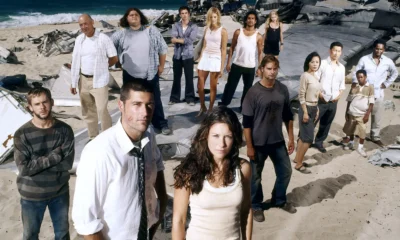

On September 22, 2004, ABC aired the first episode of "Lost", kicking off an adventure that would last for the next six years.
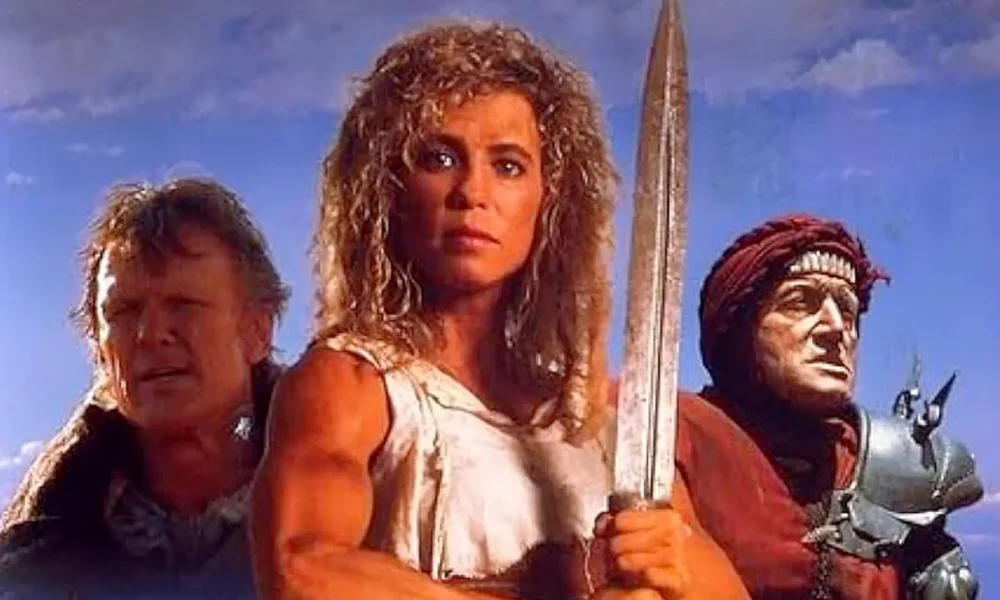

"Knights" is based on a classic premise of post-apocalyptic science fiction: human civilization has been destroyed. It is a film for seasoned sci-fi fans.



Lost was masterfully constructed – even though the writers dealt with over a dozen main characters, years after it aired, you still remember each of them.
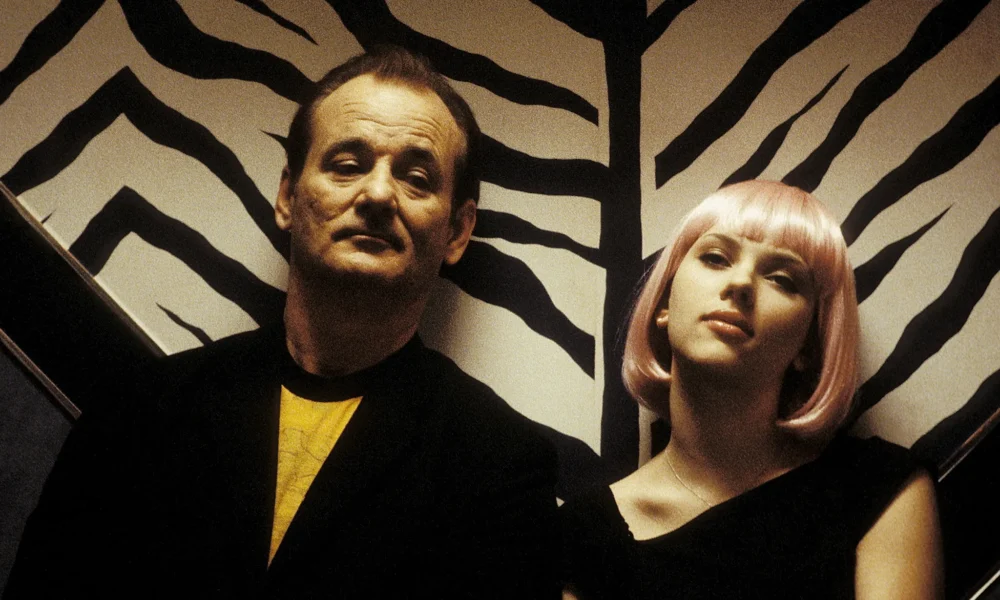
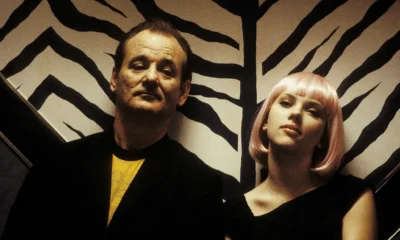

"Lost in Translation" is a film that always conveys the same, accurate message, which is literally laid out in its main slogan.



"Daphne & Velma" turned out to be probably the best live-action take on these characters so far. It’s not a film made for adults, and maybe...



![Looking Back at [REC]: Second Best Found Footage Horror Ever](https://filmfolly.com/wp-content/uploads/2026/03/found-footage-rec-590x354.avif "Looking Back at [REC]: Second Best Found Footage Horror Ever | FilmFolly.com")
![Looking Back at [REC]: Second Best Found Footage Horror Ever](https://filmfolly.com/wp-content/uploads/2026/03/found-footage-rec-400x240.avif "Looking Back at [REC]: Second Best Found Footage Horror Ever | FilmFolly.com")