Horror Movies
WEREWOLF: A Dark Fairy Tale Meets Animal-Attack Horror


Werewolf is an animal-attack horror in the style of The Pack by Robert Clouse. The survival story has been quite cleverly set in post-war realities, and the main characters are children.
The story takes place in the final phase of the war – during the liberation of German concentration camps in 1945. A group of children, after surviving the nightmare of war, is taken to a palace located in a somewhat fairy-tale forest setting. Another nightmare awaits them there, this time caused by feral dogs that had been trained by the Germans and, after the arrival of the liberators, were left to fend for themselves. Searching for food, the animals attack every living creature they encounter.
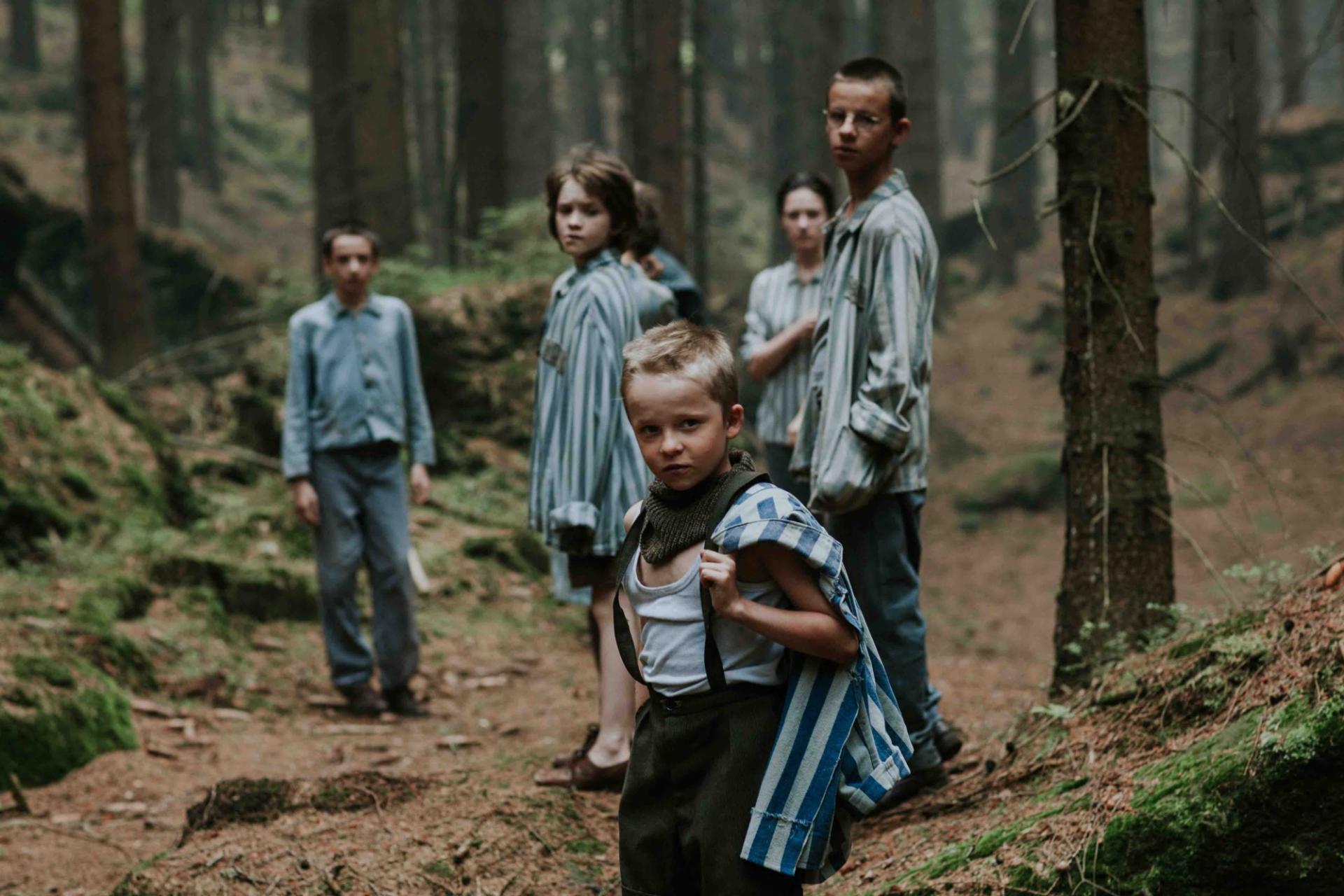
In the conflict between humans and animals there is no good or bad side, because both are driven by hunger – it is hunger that is the darkest villain.
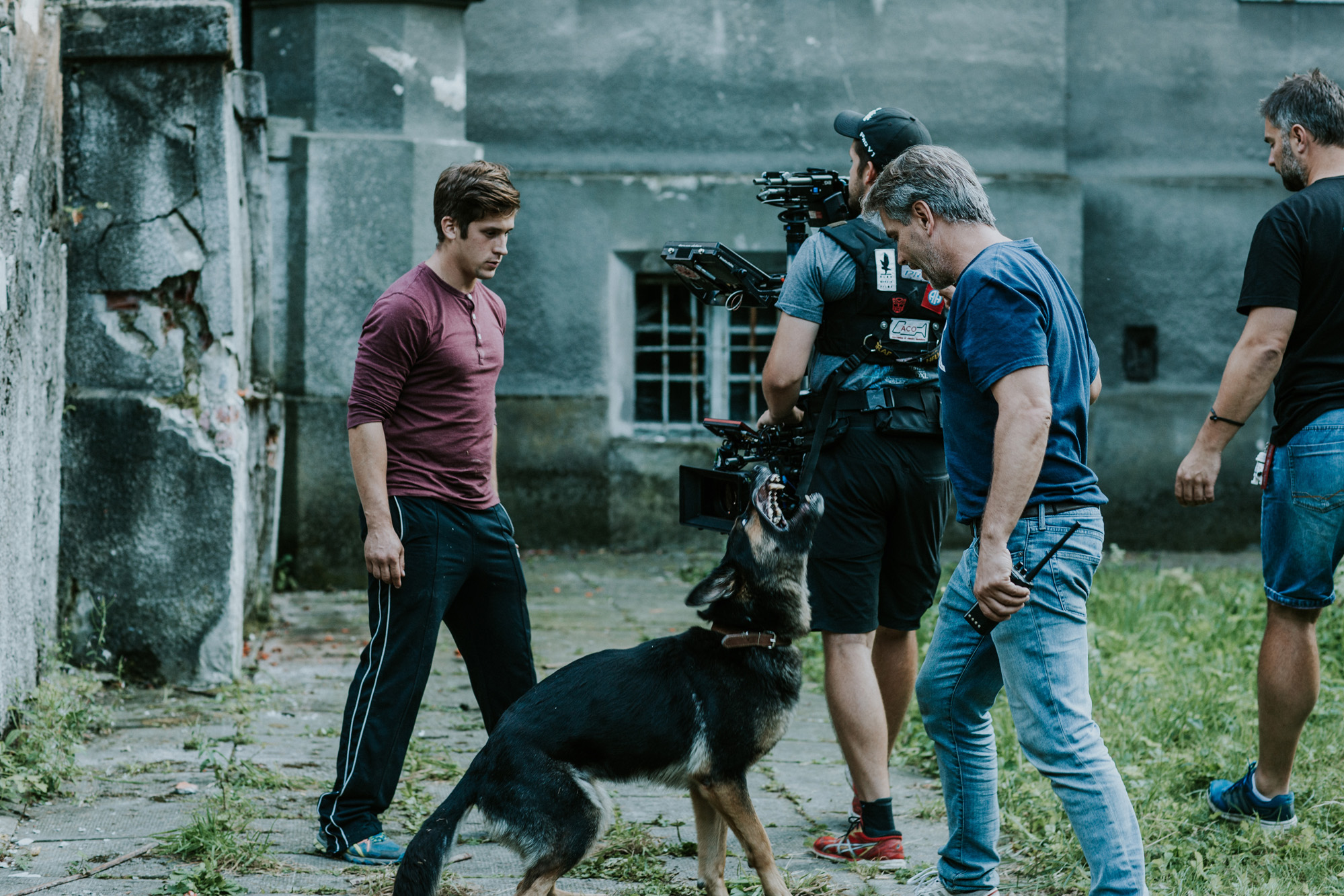
In terms of execution, this is a flawless film. The directing award in Gdynia Film Festival is fully deserved, although one should not forget about the rest of the crew. The tension-filled scenes involving the dogs were created with the help of Hungarian trainers from the Horkai Animal Training Center. The director was also assisted by people specializing in working with children, so their convincing performances resulted from many factors, not only the director’s talent and the authenticity of non-professional actors.
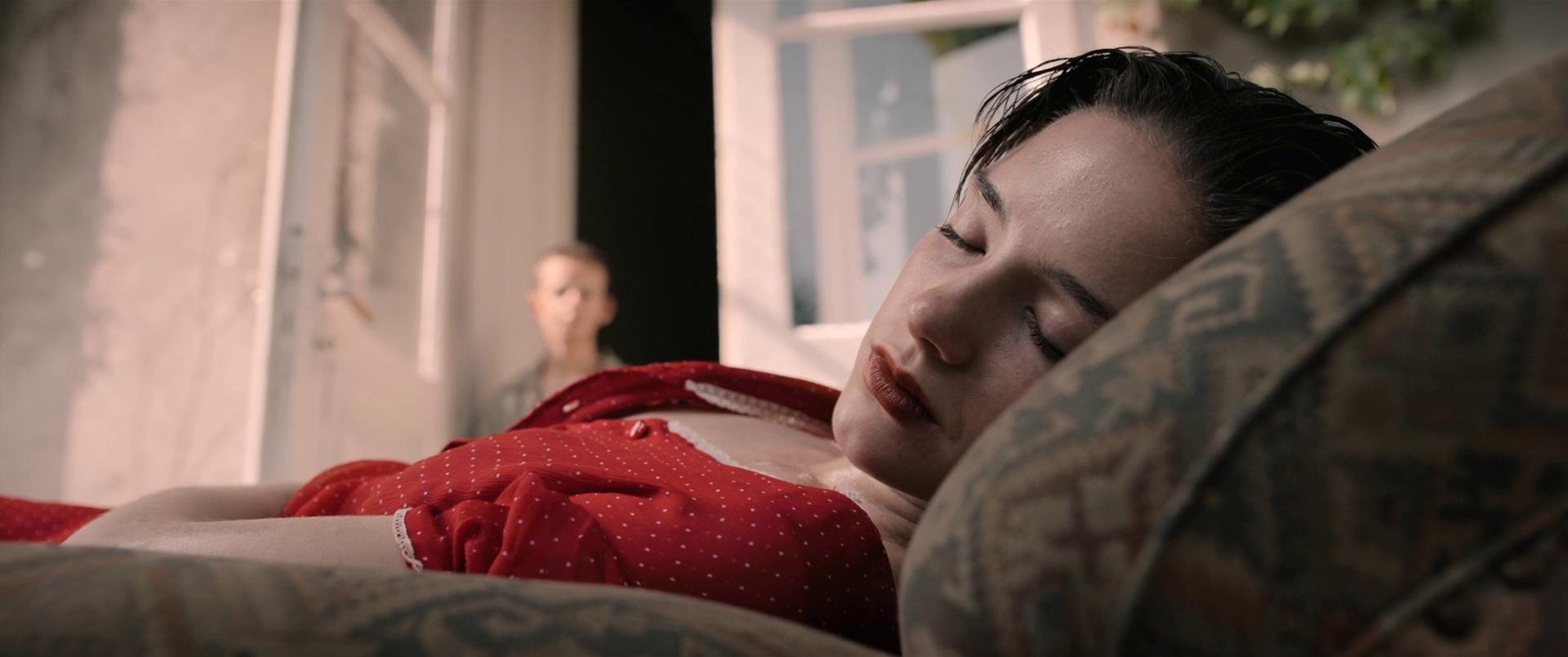
The award for music in Gdynia is somewhat surprising, because the score is rather typical for the horror genre, intended to give the events on screen the proper rhythm and to emphasize the most dramatic, darkest moments. Special recognition should go to cinematographer Dominik Danilczyk, who created a claustrophobic atmosphere by using gloomy shades, while also showing the majesty of the surrounding nature.
If the filmmakers had gone in the direction of a conventional horror, the film would not have had much to offer. The jump scares are repetitive – their pattern is that when someone approaches a window, an enraged animal suddenly appears in the camera’s eye, meant to make the viewer jump in their seat. Such devices may be effective at first, but over time they become tiresome. Fortunately, instead of moving toward a slasher, whose main motif is killing off the characters, the creators decided to deepen the relationships between them.
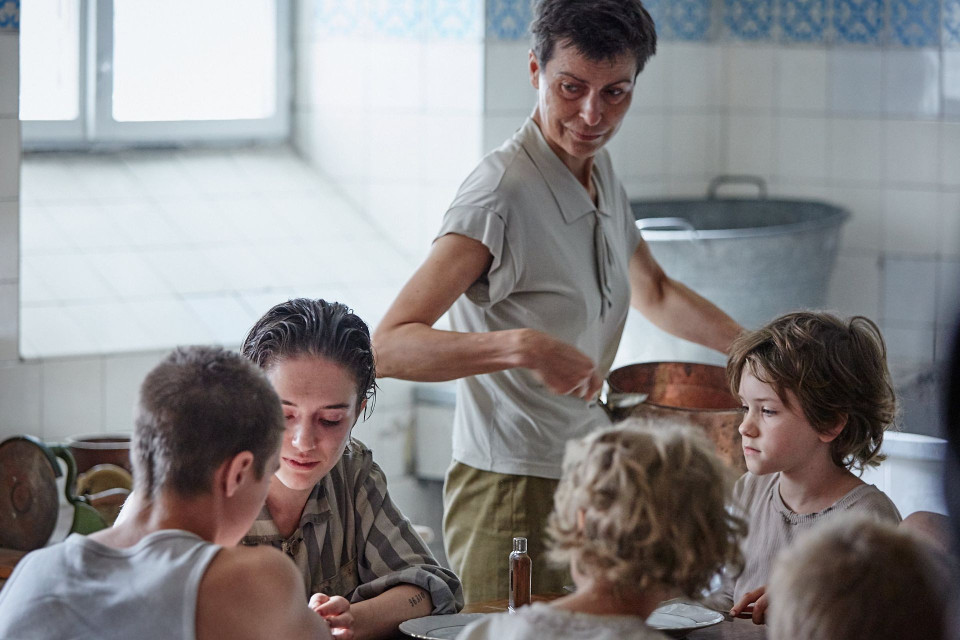
Particularly important is the bond connecting three characters: Hanka, Hanys, and Władek. Thanks to excellently written roles and thoughtful direction, this thread maintains tension. Editing also plays a major role – the proper balance between the survival element and the interpersonal drama has been preserved.
The director spent a long time considering his next project, and the result of this reflection is a very mature work, technically excellent, featuring an intelligent script and masterful execution. The people responsible for casting also demonstrated excellent judgment. The young performers chosen for the leading roles proved capable of creating believable characters through subtle means of expression, only occasionally revealing stronger emotions. Particular attention should be paid to Sonia Mietielica (Hanka), a Russia-born student of the Theatre Academy in Warsaw.
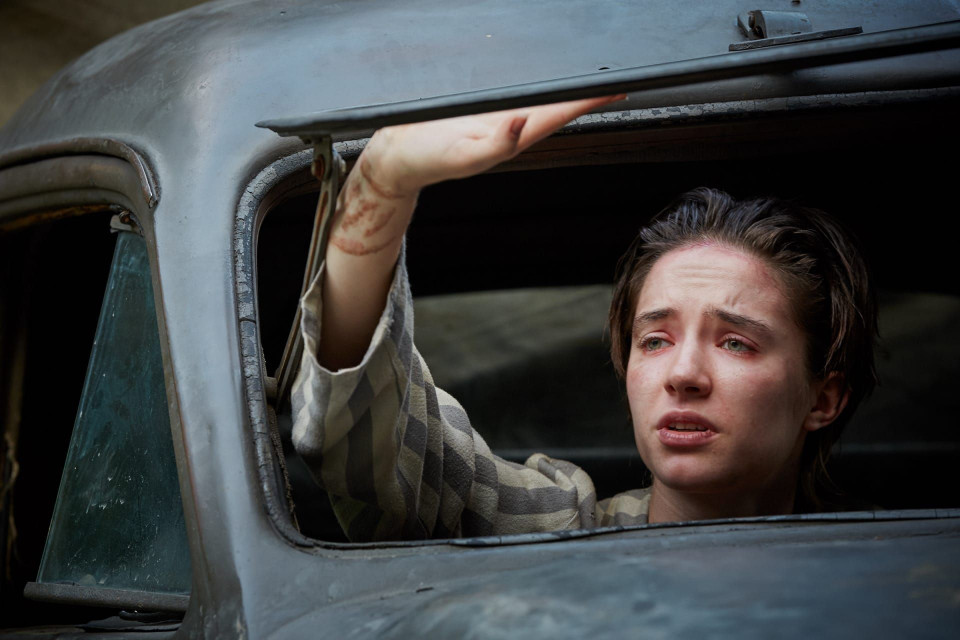
Kamil Polnisiak (Władek) will not be forgotten anytime soon; he was given a rather thankless role, as his character is prone to irritating behavior. The role of the SS man was played by a German actor, and to enhance realism the characters speak the appropriate languages (Germans in German, Russians in Russian).
Thanks to its realistic approach, the story feels believable and therefore emotionally engaging. However, fairy-tale elements gradually come to the forefront, introducing a touch of naivety, and the ending may seem somewhat underdeveloped. The director has no objection to his film being treated as genre cinema, but apart from a bloody horror, a claustrophobic thriller, and an exciting survival drama, one can also find elements of a dark fairy tale.
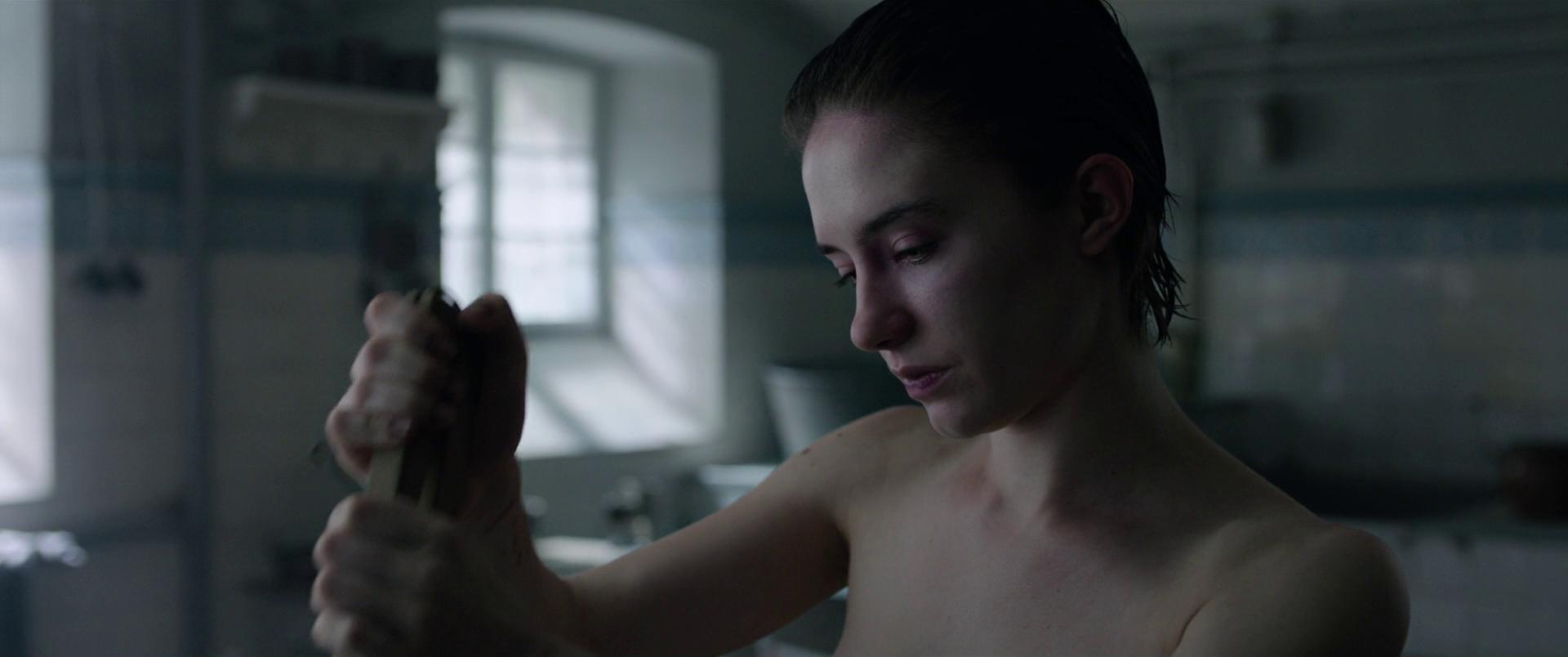
According to folk beliefs, lycanthropy is the result of an evil spell that can be lifted with an incantation. Here, the role of the magical spell is played by the German word Nieder!.
A word associated with terror turns out to be a salvation. The clash between human and animal nature has been presented in an interesting way. Both operate according to similar principles – in one moment filled with rage and spreading fear, in the next submissive and helpless. This duality was perfectly revealed by the Second World War. It is no coincidence that the film’s story is set at its climax, when it seems that the worst is already over, yet the wheel of suffering continues to turn.