Horror Movies
THE LIVING DEAD AT MANCHESTER MORGUE — Surprisingly Good!
The Living Dead at Manchester Morgue contains enough originality and style that it is difficult to accuse it of derivative imitation.


The Living Dead at Manchester Morgue is easy to ignore, if only because of its title, which betrays no greater ambitions—one of more than a dozen under which the film is known—directly referencing the famous Night of the Living Dead by George A. Romero. The producer, Edmondo Amati, originally intended to make exactly the same film, only in color. Fortunately, director Jorge Grau did not follow the path of an imitator, recognizing in the screenplay much more than the tearing apart and devouring of bodies by the undead, which his work also does not lack.
The Spanish-Italian production, however, contains enough originality and style that it is difficult to accuse it of derivative imitation, especially since Romero’s social anxieties are replaced here with a green message. Rarely do we encounter an ecological zombie horror, and that is the easiest way to categorize Grau’s film.
Already during the opening credits, the director presents us with images that should leave no doubt as to the subject of the film. While the main character leaves Manchester on his motorcycle, we watch car exhaust fumes, urban vapors, pedestrians wearing masks over their noses and mouths, a dead sparrow on the sidewalk, and even a protesting young woman running naked through a crowded street. No one, however, pays attention to her—the demonstration is for nothing, despite the fingers raised in a peace sign and her attractive breasts.
We move on, together with George (Ray Lovelock, Fiddler on the Roof), a young and shaggy antiquarian who must deliver an antique figurine to his client in the countryside. At a small gas station, George’s motorcycle is struck from behind by a car driven by the red-haired Edna (Cristina Galbó, known from the stylish horror The House That Screamed and the classic giallo What Have You Done to Solange?), resulting in damage to the two-wheeler. George does not lose heart – he unceremoniously invites himself into the girl’s car, sits behind the wheel, and thus they begin their journey together.
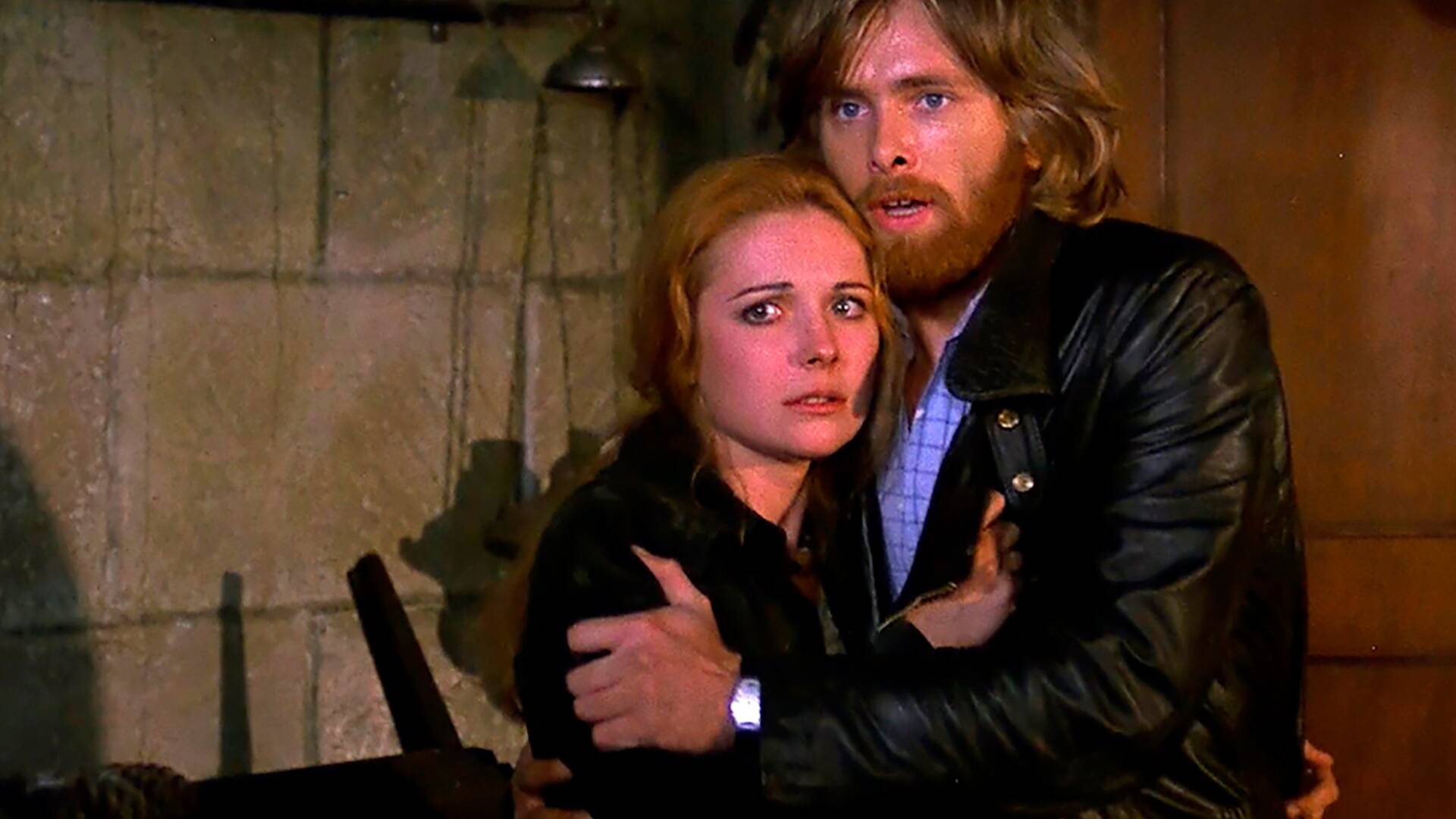
It turns out that Edna is traveling to see her sister, who has serious drug and emotional problems. Once there, however, they discover that the greater problem is the titular living dead, whose presence has coincided not by chance with the use of a new machine designed to kill field insects. Instead of exterminating the Colorado potato beetle, the futuristic-looking tractor brings the dead back to life and also has an unexpected effect on local newborns.
This unconventional introduction for a horror film owes much to its protagonist, the bold and control-seeking George, whose hippie nature constantly makes itself known. The man tries to overcome every obstacle he encounters with self-confidence and the attitude of a city dweller who looks upon the small-town landscape and its people not without a sense of superiority. When he asks a local farmer for directions and receives an answer in the style of turn left at the big oak tree, he immediately interrupts him, explaining that he is accustomed to traffic lights.
There is no reason not to trust, at least initially, the local police, yet he still steals an important piece of evidence in the investigation, convinced of the officers’ incompetence. And he even treats the beautiful Edna as if she were dependent on him. We like George because he wonderfully sets the plot in motion and we easily forgive him his attitude, but he differs little from those who stand against him. And it is not about the living dead at all.
Those who represent the other side of the conflict belong to the apparatus of power, blindly believing in their own righteousness – the technicians maintaining the machine that brings zombies to life eagerly explain that it is an invention of the Department of Agriculture, while extolling its benefits for people, and the sergeant leading the case of the ever more numerous murders (five-time Academy Award nominee Arthur Kennedy, though his best years are behind him) is an old career officer, a nervous man and a skeptic.

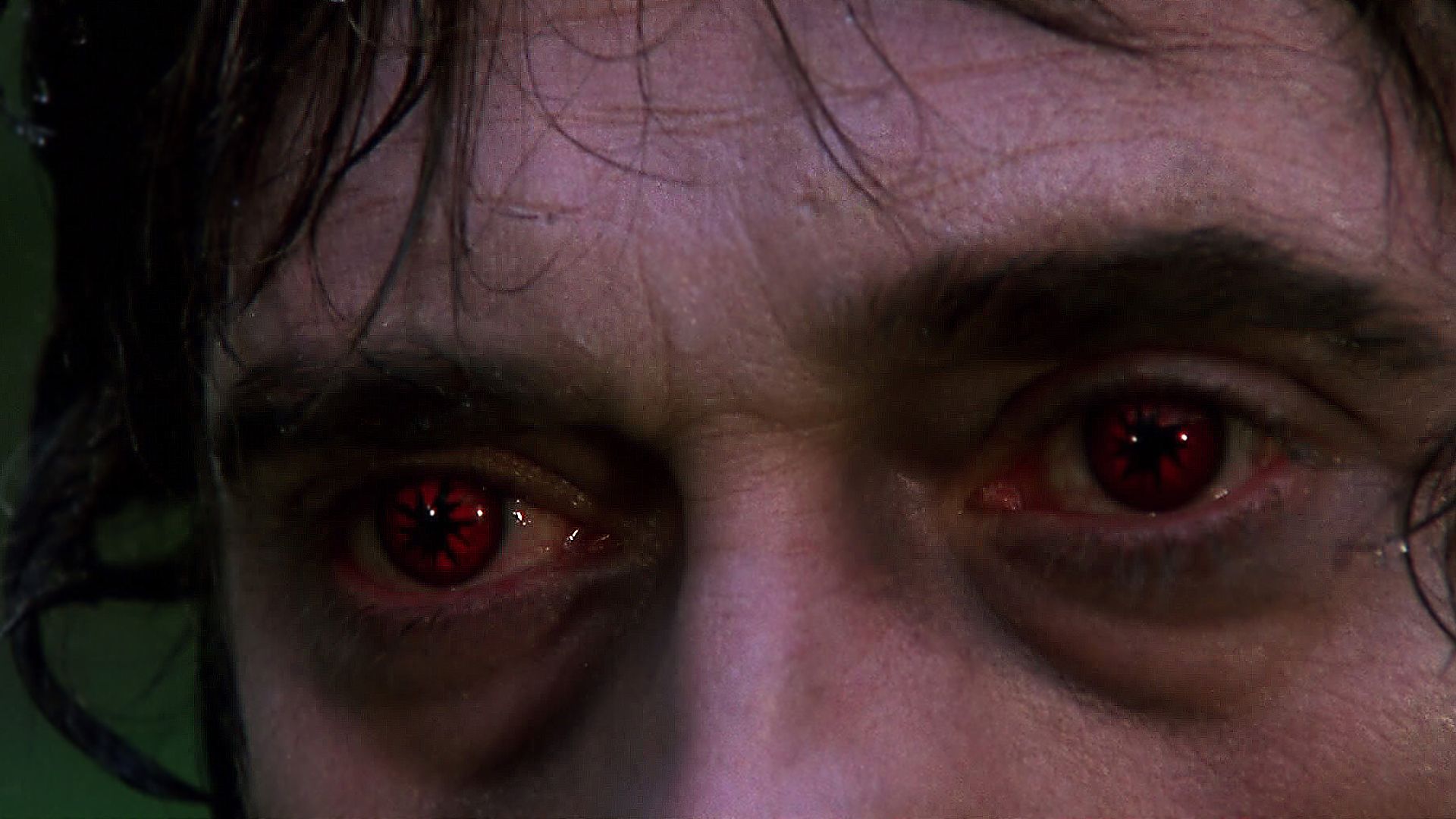
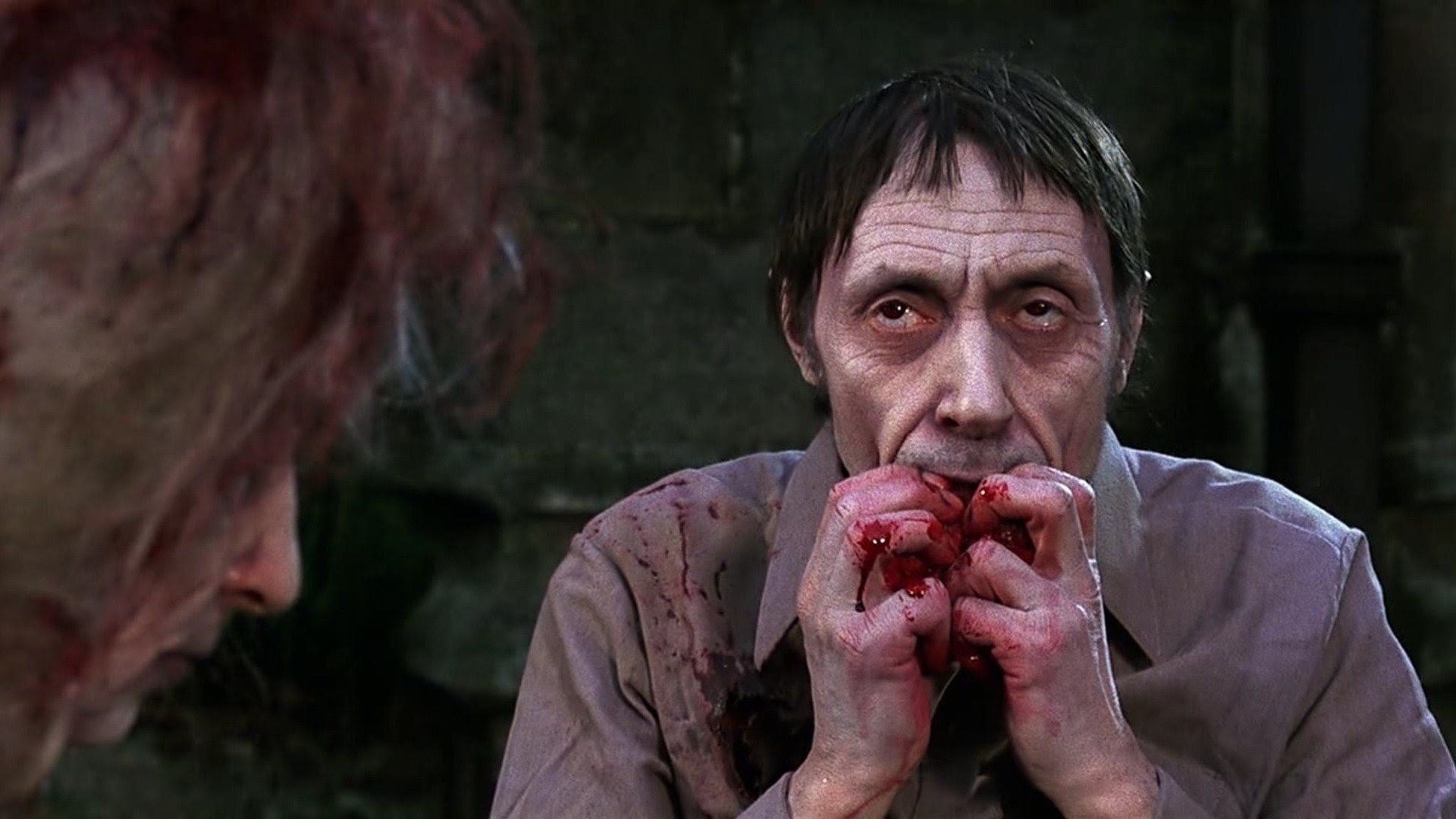
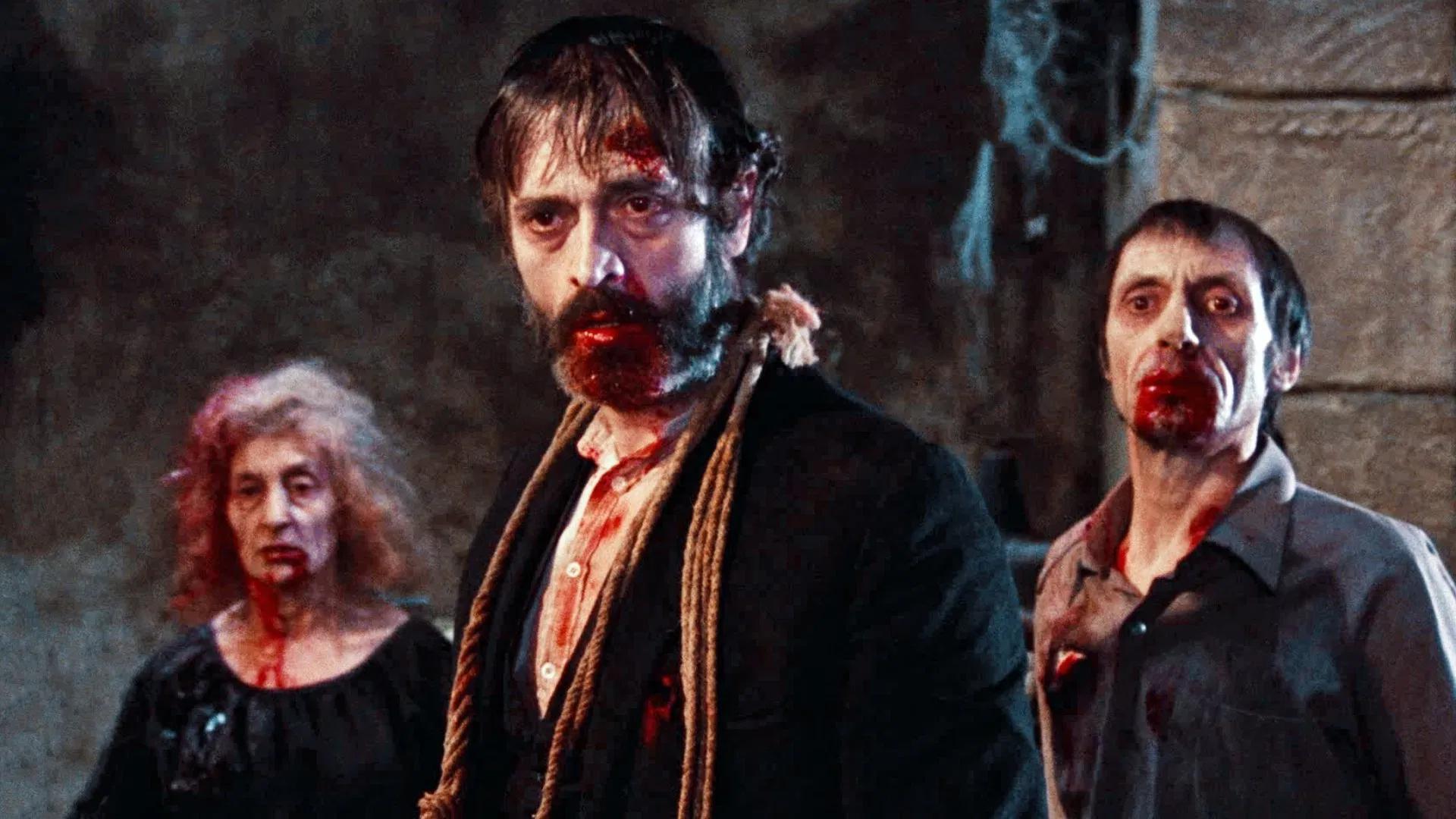
He would sooner believe that George and Edna are followers of a satanic cult and rampaging psychopaths than take an interest in their version of events, whatever it might be. The living dead, equally slow as in Romero’s films but displaying far greater intelligence (as well as bloodshot eyes with black stars instead of pupils), are here a side effect of a man who believes in his own infallibility and thinks himself wiser than nature. This does not mean that only those guilty of this state of affairs will fall victim to the zombies—punishment will reach everyone.
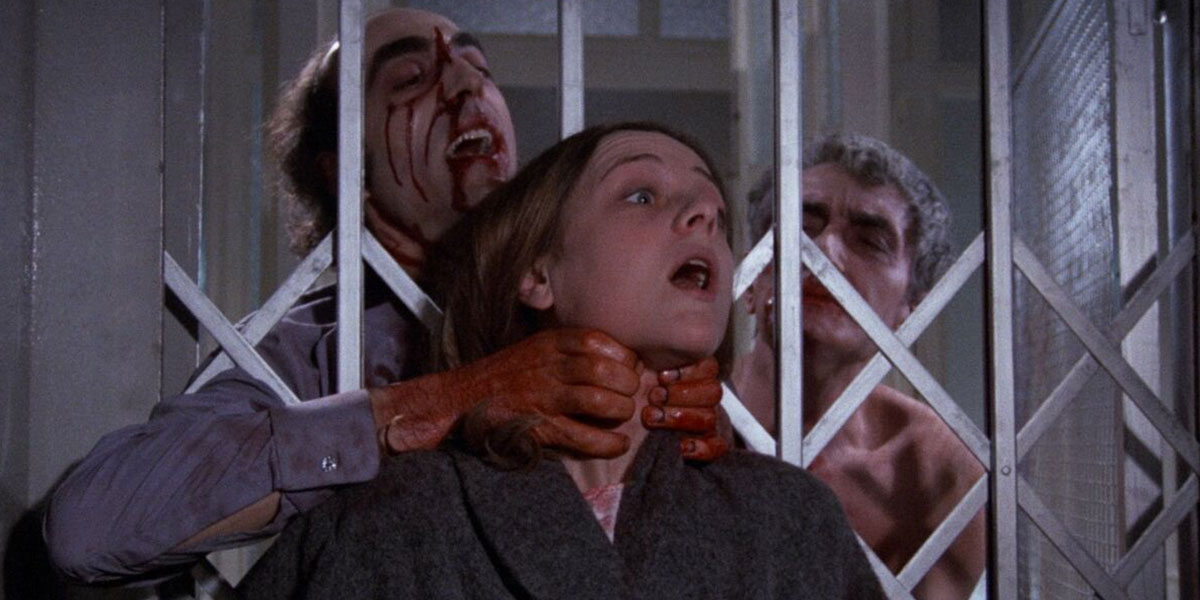
Grau builds tension and horror flawlessly. The scenes of attacks by the living dead have urgency and a sense of the impossibility of escaping death, especially when the main characters, trapped in a cemetery crypt, watch as successive corpses rise to life. The action develops slowly, inexorably suggesting the only possible solution, yet it is not devoid of last-minute rescues.
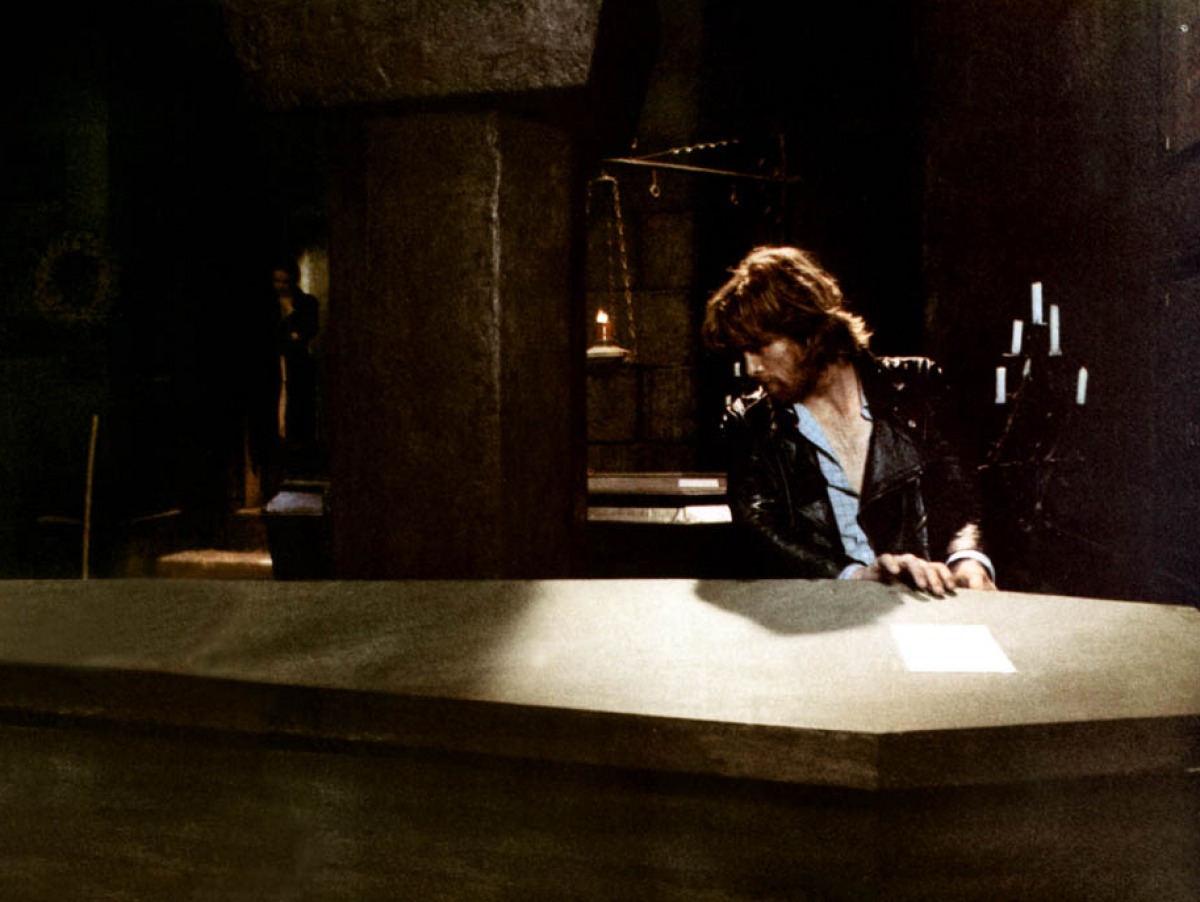
Not all characters are so fortunate—most of the secondary and tertiary figures are torn apart alive, and thanks to the courtesy of Giannetto De Rossi, who took care of the bloody special effects (later he would become famous for his work on the films of Lucio Fulci, only to return triumphantly to the genre years later with spectacular makeup effects in The Beyond), the sight of ripped torsos and devoured entrails can compete with those in Romero’s films.
Sound is also significant in Grau’s work, building an atmosphere of threat with a low-frequency signal emitted by the machine that kills insects, reanimates the dead, and turns infants into aggressive beasts.
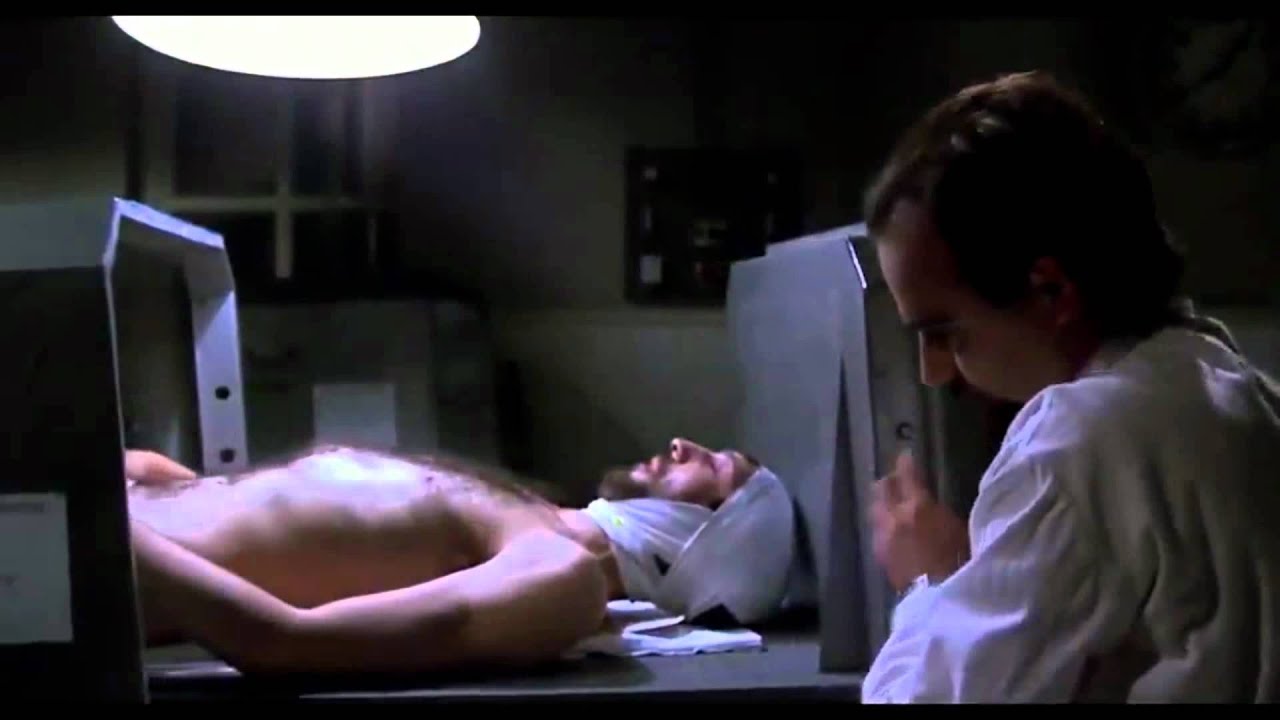
Perhaps most surprising to me, with each viewing, is the logical progression of this mad plot by the Italian screenwriters, Sandro Continenza and Marcello Coscia. Action provokes reaction, and each subsequent scene follows from the previous one in a clear and lucid manner. This is all the more remarkable because it is the Spaniards who pay much greater attention to cause-and-effect relationships than the Italians, especially in the horror genre. Grau himself, who in his nearly forty-year career directed only two horror films, exercises incredible control over the material, both narratively and tonally.
He does not allow himself to be swept away by foolishness, which in such an elaborate story is no small feat. Through the directness of the main character and humor, the director avoids descending into tedious didacticism adorned with gore, and even in the finale finds room for a macabre joke straight out of Tales from the Crypt.
Earlier, he has his characters check in at the Old Owl Hotel, where the guests are indeed greeted by a shaggy, elderly owl. It is also difficult to take entirely seriously the sergeant who explains to George that he dislikes hippies with their long hair and effeminate clothing, apparently seeing in the hero’s black leather jacket the signs of evil of the entire civilized world.
Ultimately, Grau is merciless toward his characters. Both orders, the anarchist-green one and the dark, systemic one, are doomed to mutual annihilation; the intervention of the final instance in the form of zombies merely accelerates the process. George and the sergeant, as two sides of the same coin, will fight until the very end, with no chance of convincing the other of their own arguments. Despite the extraordinarily invigorating beginning, in the finale only death prevails—not only at the hands of the living dead.