Horror Movies
Revisiting TRAIN TO BUSAN: Relentless Atmosphere of Threat
It is a really solid horror running in high gear, driven by an atmosphere of constant threat.


Zombies, across various media, have today been chewed over beyond all possible limits – they had been circulating in pop culture for a long time, but it was only the 21st century that milked the subject dry: the never-ending comic-book and television saga The Walking Dead, the great father Romero himself slapping his name onto ever stranger productions, romances with zombies (Warm Bodies), Pride and Prejudice and Zombies, Left 4 Dead, The Last of Us, a procedural about zombies (iZombie), zombies, zombies, zombies. Train to Busan.
It is hard to do anything in this field that is still genuinely engaging and at least a little original – fortunately, Korean undead decided to board a train and inject the convention with at least a bit of (un)fresh blood.

The plot is, in its assumptions, very simple: in South Korea an epidemic breaks out and spreads at an astonishing pace, turning people into bloodthirsty living corpses. At a time when the country is being consumed by its citizens, a group of extremely diverse characters is travelling on one of the trains – diverse in terms of age, gender, and social position: there is a thoroughly despicable corporate executive; a middle-class couple expecting a child, where the man earns a living with the strength of his own hands; a team of high-school athletes led by a pair of lovers; elderly sisters; a homeless man; and finally the main character – a corporate drone and divorcé transporting his underage daughter to his ex-wife.
They do not know what is happening outside, but this quickly changes when, at the very last moment, a bitten teenage girl jumps onto the departing train, instantly unleashing true hell.

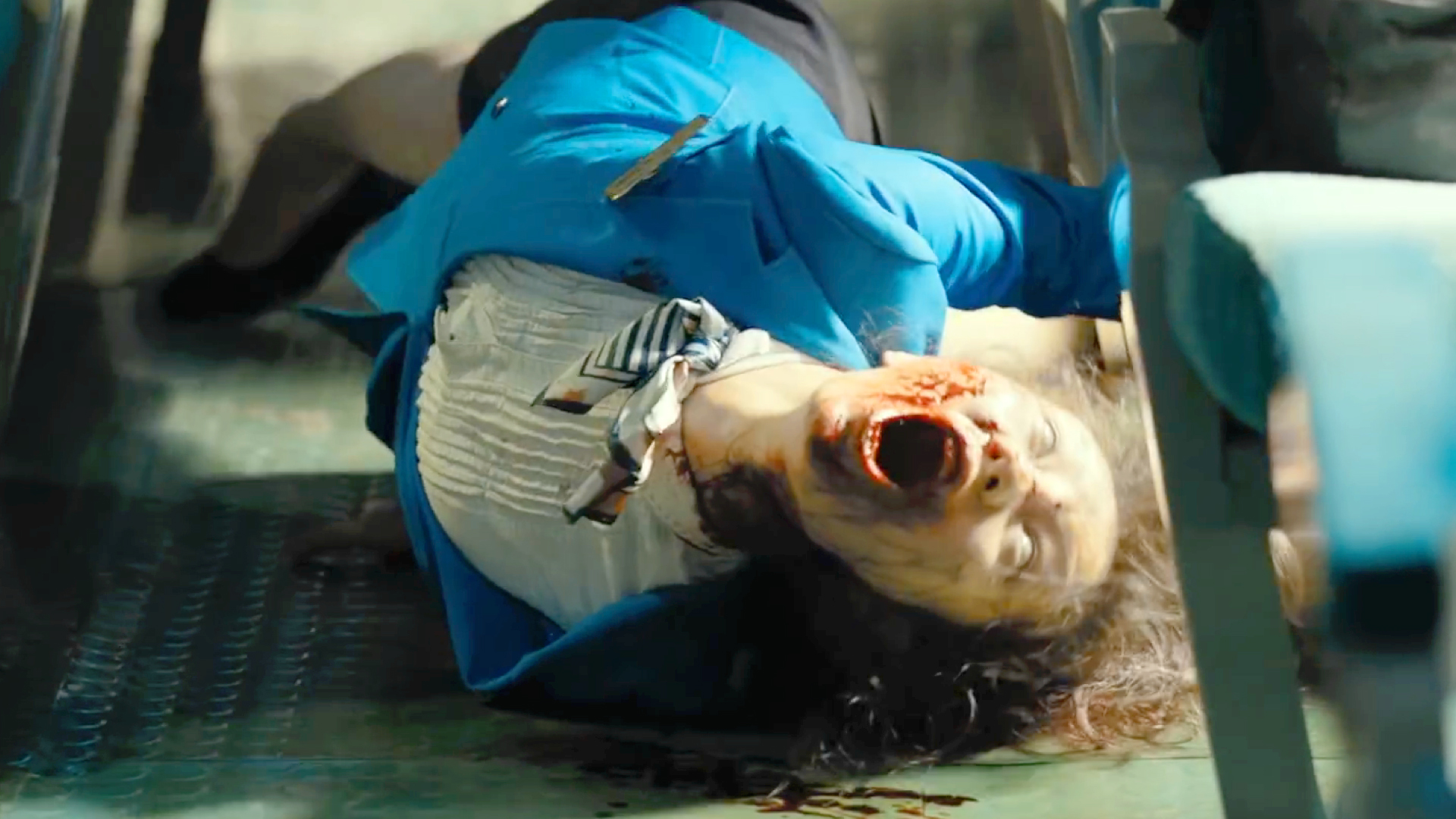
The direction of Busanhaeng, that is Train to Busan, was handled by Yeon Sang-ho, who already had two quite decent feature-length anime films to his credit (The King of Pigs, The Fake). Incidentally, Train to Busan itself received a feature-length animated prequel (Seoul Station) shortly after its premiere. The filmmaker understands how media interplay works and how to make engaging, insanely dynamic cinema. His zombies are genuinely terrifying – the first attack of the monstrous phalanx flooding through a carriage completely caught me off guard and made me dig my nails harder into the cinema seat.
The lightning-fast corpses, attacking in a compact wave, strongly resemble the undead from World War Z – however, the Korean version, made for much less money, is also far better thought out. In Forster’s film they were merely a blockbuster effect, so artificial that – despite the scale of destruction – they quickly ceased to make much of an impression, especially when their screen time was taken over by the inalienable charisma of Brad Pitt.

Here they are the ultimate force, the main player – their aim is not so much to be an impressive collective (although they look great) as to be effective, thanks to which successive on-screen characters quickly become part of the killing wave. The issue of class and character confrontation among the protagonists is also handled quite well – although the potential is not fully exploited and the whole thing is too simplified.
The action, unfolding for most of the film in a confined space, in some way recalls Snowpiercer (it is hard to escape that comparison), yet the clash of different attitudes is less abstract here, emerges more naturally, and remains constantly fused with the relentless struggle against the living dead. The closer to the finale, the more Asian expressiveness makes itself felt and at least one character is overplayed beyond measure, but – for a zombie action film – the human factor is outlined really solidly, and it is impossible not to root for the strong-armed, truck-built future father.
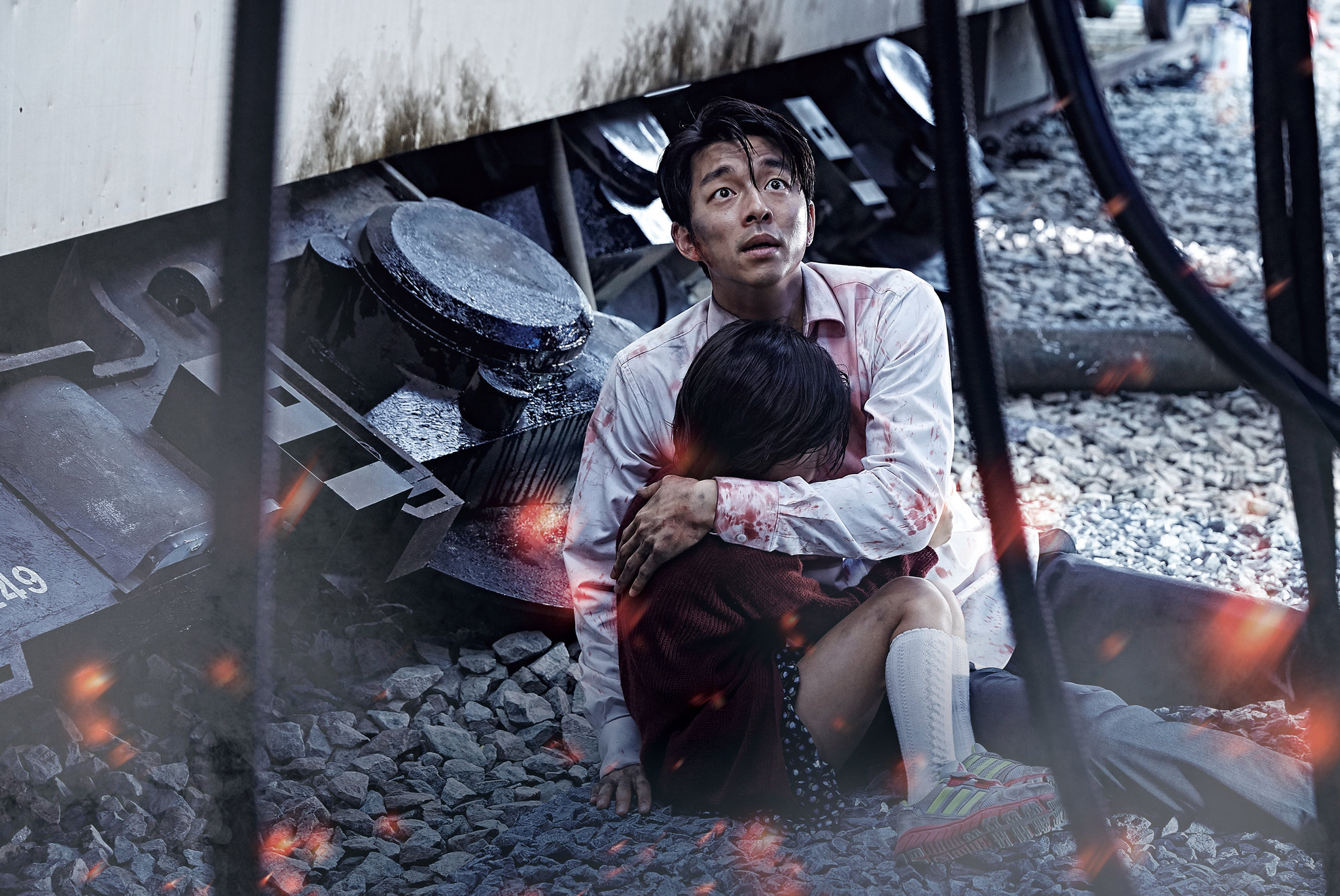
And – most importantly – the primary goal here is survival, at any cost. We will not find any narrative contortions related to attempts at answering the question of what lies behind the whole situation: we simply have a group of characters, each of whom wants to continue their existence. And we consistently observe their struggle, without any action-breaking cutaways to the military/evil corporations/decaying cities (there are practically no wide shots here, which is also a budgetary solution, but it helps create an atmosphere of total entrapment in an extremely small space).
Technically, the film, considering its ten-million budget and the lack of Yank technology straight out of cinematic dreams, looks really good, and shortcomings in special effects are made up for by the excellent pace of the story and solid editing. The creators sensibly distributed the individual formal elements on the scales – at the right moments they strike with incredibly intense action scenes, interspersing them with calmer stealth-like sequences.

Despite technical limitations, the whole thing maintains tension throughout, not allowing the viewer to focus on weaker solutions – as entertainment cinema, Train to Busan works superbly.
It does not go beyond a fairly basic characterisation of the characters, but the actions of the victims of the drama make the viewer interested in their fate (although not all of them – there are also completely unconvincing threads here, such as the relationship between the elderly sisters, from which I now remember only a very Polish image of eating boiled eggs on a train).

Ultimately, Yeon Sang-ho built a quite decent film on a burnt-out theme, where what impresses is squeezing the last juices out of a small budget and the fact that this not very original plot, through sheer narrative efficiency, is incredibly engaging. The whole is also helped by the oriental coating, unusually fresh in generic terms – although this also has its downsides, as at times the intensity of exalted melodrama looks rather bizarre, especially when combined with the constant screaming of the characters.
It is a really solid horror running in high gear, driven by an atmosphere of constant threat – it will not stay in the mind for years, it has its flaws, but during the screening it provides a lot of enjoyment.