
Horror Movies
Revisiting THE VISIT: Definitely Shyamalan’s Scariest
The Visit is not only the scariest film of Shyamalan’s career (and ironically, also the funniest) but also the best frightener in years.

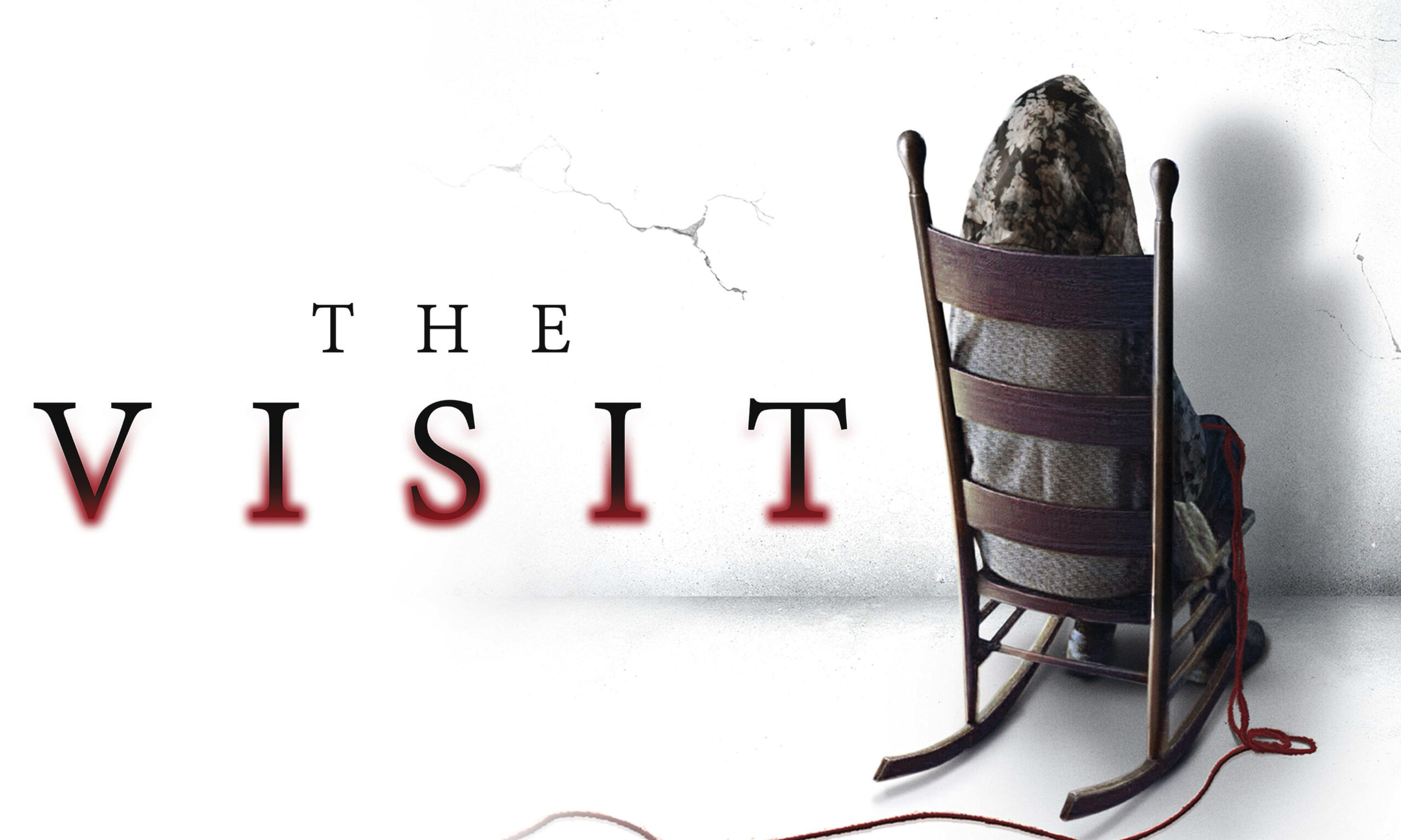
M. Night Shyamalan’s The Visit is a work of somewhat schizophrenic nature. It tries to frighten and amuse the viewer, often simultaneously. Sometimes, humor not only fails to relieve tension but constitutes an additional layer of the madness we observe on screen. I would not be surprised if this tonal rollercoaster alienates many, accustomed to a more recognizable (not to say classic) narrative style within the genre. Here, horror and comedy cross their boundaries, aiming to create uncertainty for both the characters and the audience.
Becca and Tyler (outstanding Olivia DeJonge and Ed Oxenbould) are teenage siblings visiting their grandparents. A week-long stay in their home is meant to help establish contact between the children and their mother’s parents (Kathryn Hahn), who have never seen their grandchildren due to a particularly turbulent history.

Initially, everything goes well—the grandparents (Peter McRobbie and Deanna Dunagan) are elderly and eccentric but kind and loving enough to overlook their unusual dispositions. However, the strange noises the children hear every night, the grandmother’s eerie presence, and the grandfather’s equally peculiar behavior keep the protagonists on edge.
In The Visit, the elderly terrify, first through strange behavior and shocking words, and eventually by their very existence. They forget, they laugh wildly, they soil their diapers, they tell strange stories, and so on. This alone provides the foundation for a horror about the fear of aging, about descending into madness from which there is no escape. Yet the director provides hints as to the underlying cause of this state.

The grandparents do not wish to discuss the difficult separation from their daughter, who left home after meeting and falling in love with Becca and Tyler’s father. They are happy about the arrival of their grandchildren, but any mention of their mother provokes an unusually negative reaction. Likewise, the fact that they are frequent volunteers at a city psychiatric hospital suggests they may have brought more back from there than they intended.
At the other end, Becca and Tyler—though far from adulthood—have already experienced personal traumas (the father’s departure) and are adept at diagnosing each other. He is haunted by a memory from a football game; she has an aversion to mirrors. Both issues find their shocking resolution in the film, showing that children can be unpredictable. Yet they remain playful and mischievous teenagers, especially he, constantly showing off for the camera and rapping as a jokester. She, older and more affected by her parents’ separation, is more serious and cautious but still knows how to play with her brother.

Realized in the found footage format, the horror-comedy adopts a highly professional approach to what might seem like a slightly overused format. Partly, this stems from the plot itself—Becca wants to make a film for her mother, a kind of gift (the teenager calls it an elixir) laying the foundation for newly developing relationships with her parents. Therefore, the shots are not sloppy, there is no shaky camera (at least initially), and a noble purpose guides the work. Yet the documentary form works equally well in moments of horror, extending beyond the script written by the girl.
The house in which her mother grew up is cozy, the grandparents are likable, and the jokes Shyamalan provides are effortless. Against this backdrop, any deviation from the norm must be shocking—and it is. Even when Shyamalan punctuates a frightening scene with humor, the laughter it provokes is far from cheerful.

Shortly after the children arrive, they decide to play hide-and-seek around the house. They are having fun until the grandmother begins chasing them like a wild animal. It is a quite effective and, above all, terrifying scene. The terrified siblings flee from the house, and after a moment, the grandmother emerges as well, smiling broadly, delighted by the game. Viewers breathe a sigh of relief, even laugh, but it is not over.
The elderly woman turns to leave, and only then do we notice that her torn skirt reveals she is not wearing underwear. Is it funny? Yes, but our laughter seems nervous, prompted more by the unexpected sight than by understanding the full situation.
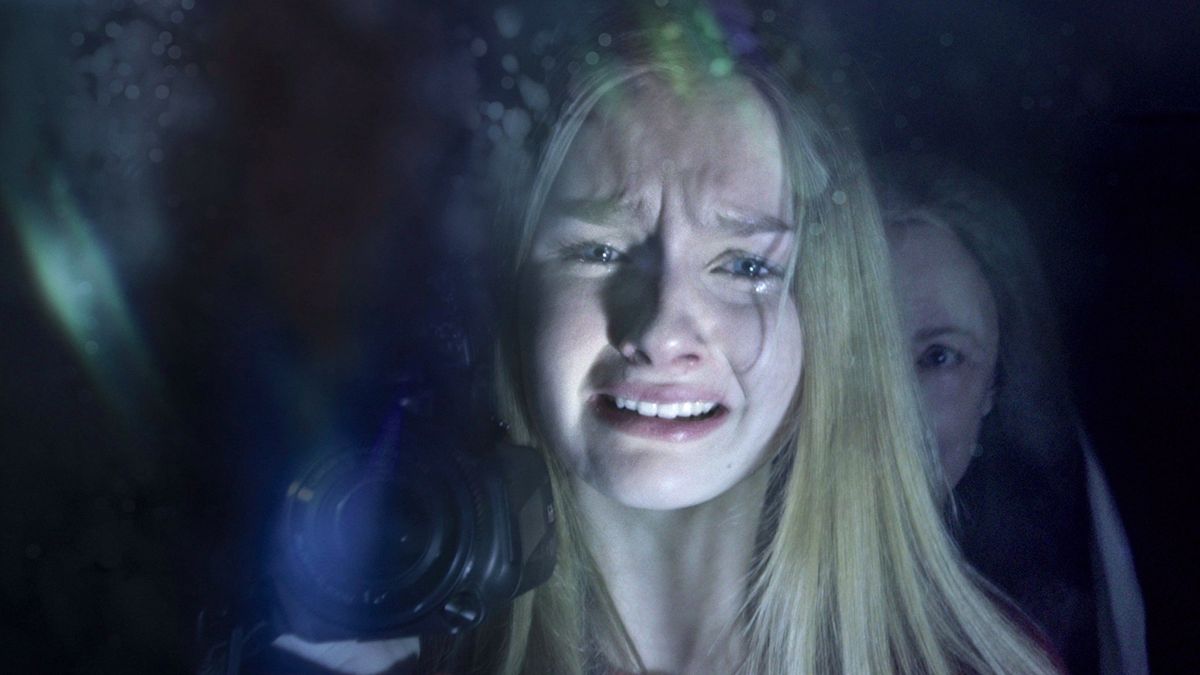
It is precisely understanding that is lacking for much of The Visit—we watch increasingly strange and unsettling behavior from the grandparents and attribute it to their advanced age and the so-called sundown syndrome, mentioned later. And we accept this explanation, perhaps because we do not want to probe further, or perhaps because after a certain age, people change beyond recognition, and we must simply accept it.
Shyamalan from the start tells us that aging itself is frightening, both for those experiencing it and for those around them. Yet at a certain point, he redefines the threat with a plot twist that seems rather obvious, though necessary to give sense to the preceding events. Only then does the true horror begin.

The Visit is not only the scariest film of Shyamalan’s career (and ironically, also the funniest) but also the best frightener of the year.

