Horror Movies
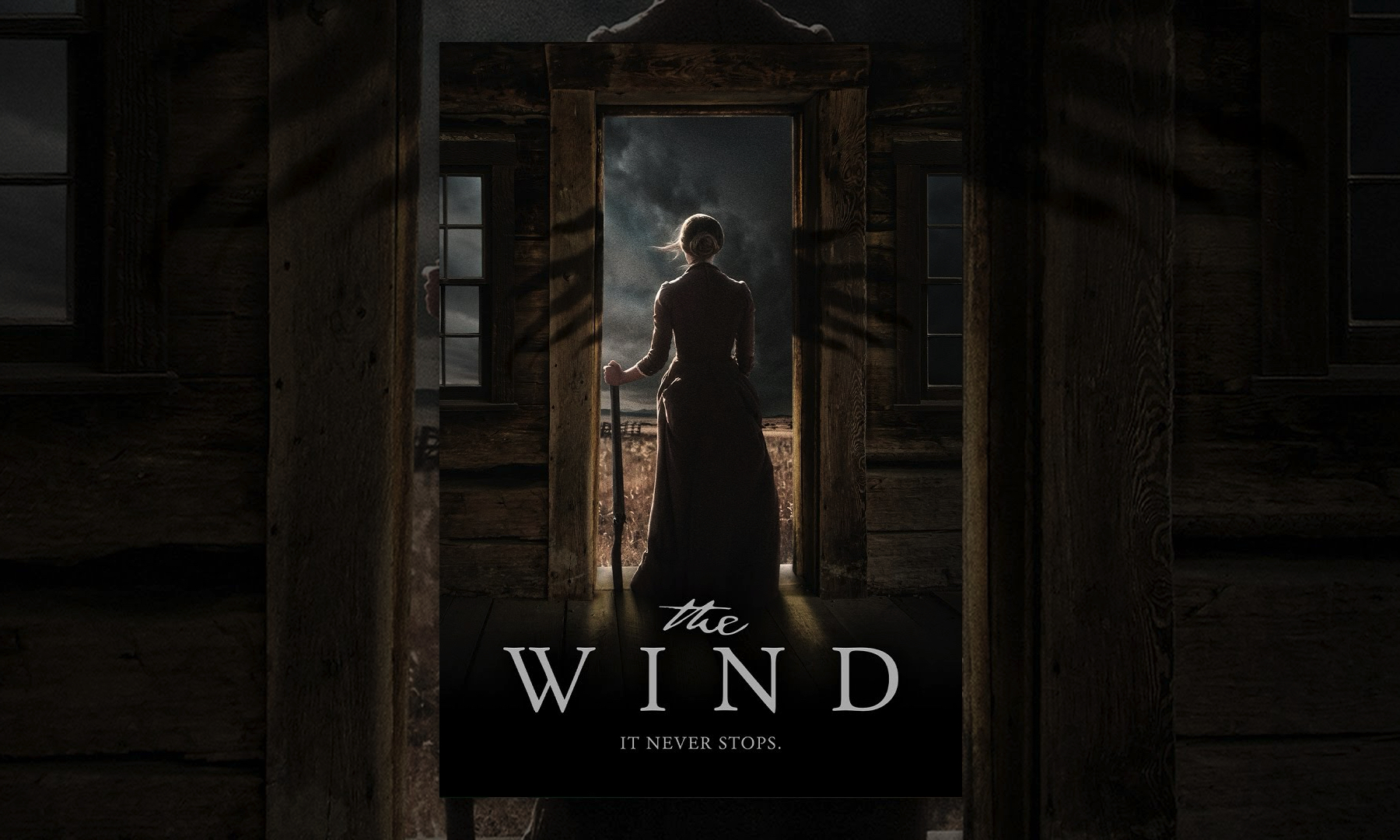
THE WIND: A Haunting Blend of Folk Horror and Western

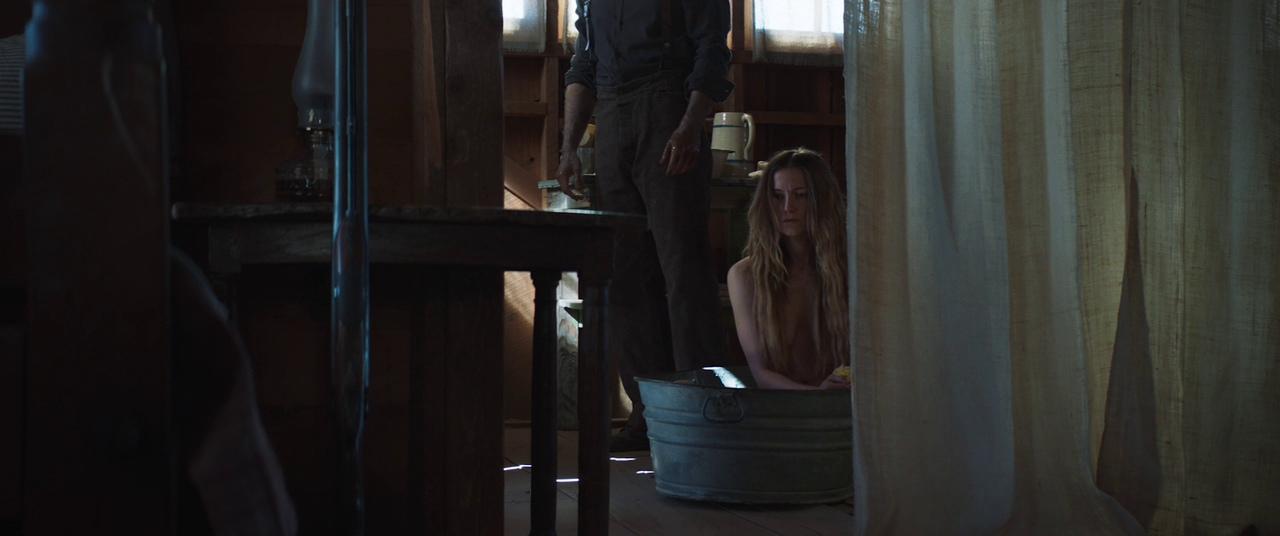
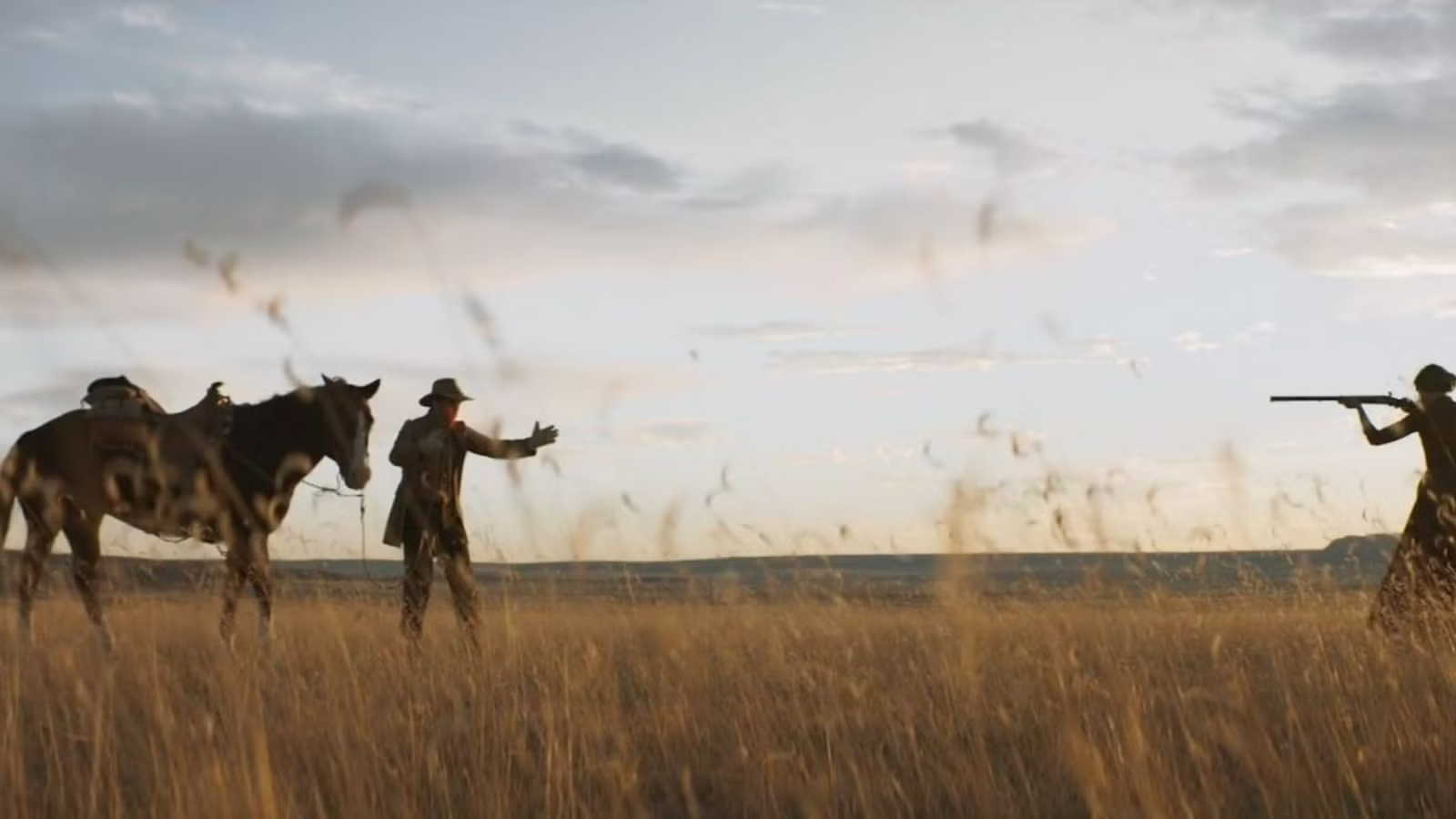
Right from the beginning, The Wind makes it clear what kind of production we are dealing with. One that tells its story primarily through images rather than dialogue. The wide panoramas typical of westerns, revealing the beauty of the landscape, are combined with unsettling close-ups characteristic of horror and simple jump scares. An ominous silence dominates, emphasized by sinister music. The basic question a reviewer should ask is: Do these artistic devices serve any purpose, or is there an interesting idea behind them? I can answer right away that definitely yes.
It is a story about isolation, about life somewhere in the middle of the prairie, far from the city. The audiovisual layer is meant above all to bring out of the depths of the night the breath of the howling wind, an indescribable evil that arises from human corpses rotting in the ground. Dressing (folk) horror in the garments of a western is a well-thought-out idea – the lives of female settlers in the American West in the second half of the nineteenth century must have been especially difficult, full of fear of what the future might bring.
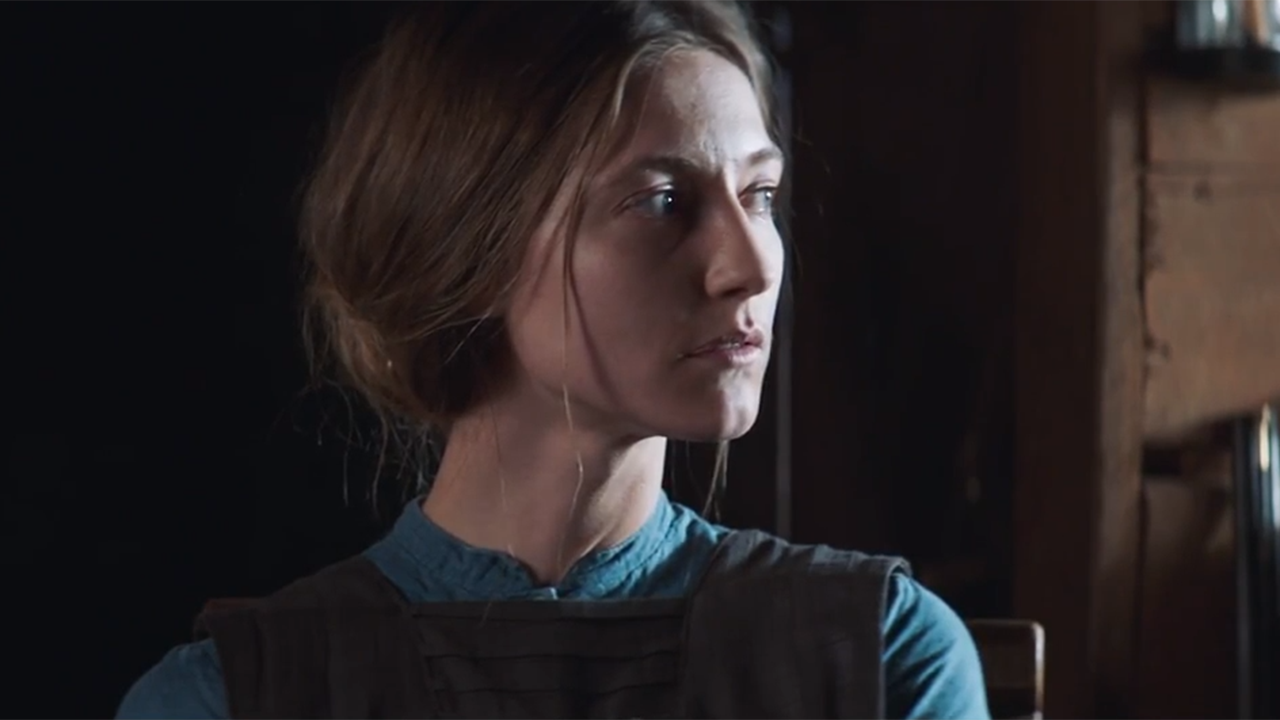
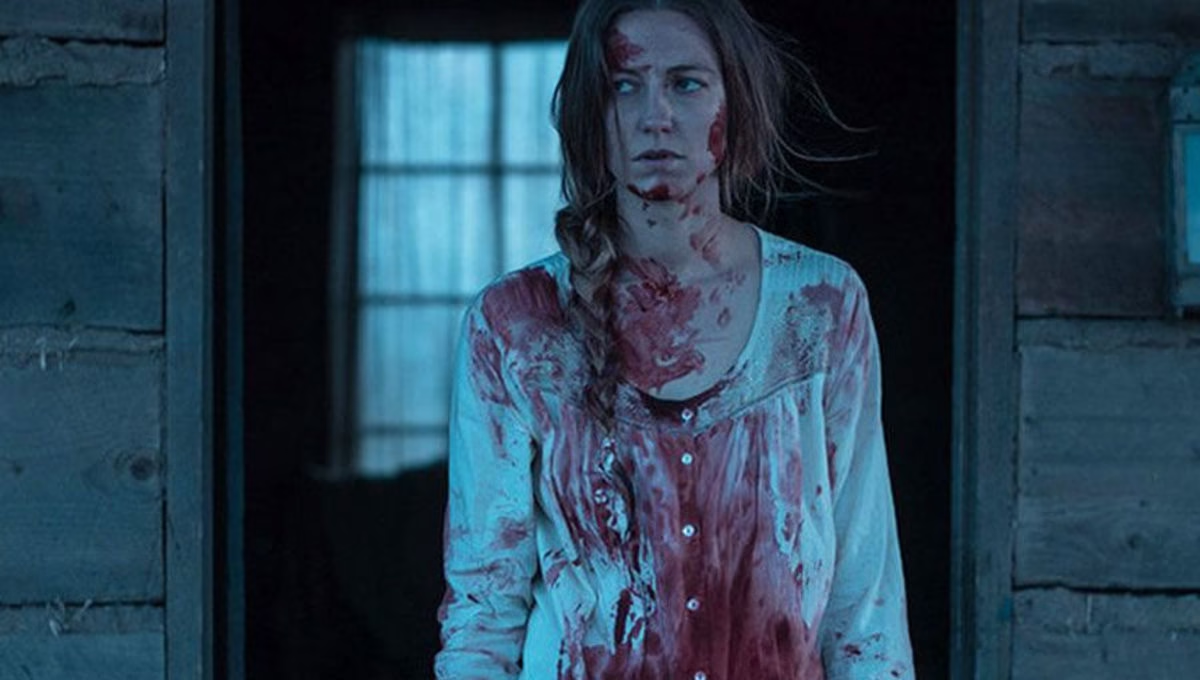
The main character, Elizabeth Macklin (Caitlin Gerard), while accompanying her husband on a journey into the wilderness, notices a mass of graves and soon becomes surrounded by forces she is unable to define. At first the threat comes from wolves, but later the ordinary sound of the howling wind turns into something far more terrifying.
The story, although seemingly unreal, has its roots in reality. It concerns the rarely depicted in cinema phenomenon of prairie madness, described by Eugene Virgil Smalley in the publication The Isolation of Life on Prairie Farms (1893). During migration to the Great Plains, settlers often descended into madness, suffered mental breakdowns, which was caused by harsh living conditions and complete isolation, emptiness, and the enormous distance from urbanized areas. Although there is no information that the screenplay was based on this text, there is a high probability that the author was inspired by Dorothy Scarborough’s novel The Wind (1925), adapted for the screen 90 years ago by Victor Sjöström (The Wind, 1928) starring Lillian Gish.
Flashback has long been a standard device for telling a story. Here it also plays an important role. The film begins with the mysterious death of a woman named Emma Harper (Julia Goldani Telles). A series of flashbacks is meant to explain who she was and how and why she died. The flashbacks are therefore necessary for the viewer to assemble the story into a coherent and logical whole. Unfortunately, however, the film loses some of its power because whenever a dramatic, tension-filled scene occurs, a flashback suddenly appears, breaking the rhythm and causing the tension level to alternately fall and rise, resembling a sine wave.
A definite advantage is that the creators do not state everything directly, leaving much open to interpretation. The ending is problematic – it is enough to blink or turn your head to miss the final line of dialogue or the last scene, which leaves a feeling of dissatisfaction.
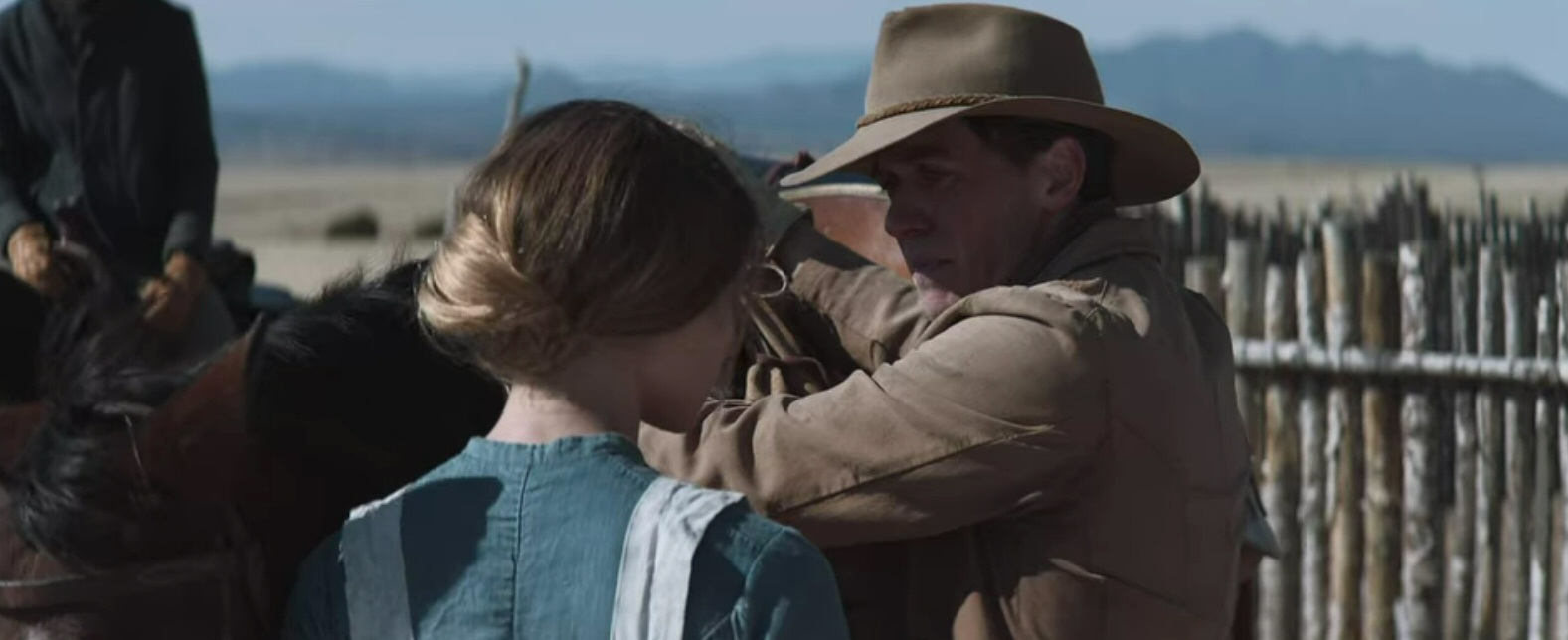
The film was created mainly by women. The screenplay was written by Teresa Sutherland, the film was directed by Emma Tammi, and in realizing their vision of a dark West they chose a female perspective (incidentally, the film was also edited by a woman, Alexandra Amick, for whom, as in the case of the director and screenwriter, this was a feature debut). Despite this, the production has little in common with the feminist manifestos popular in recent years.
The two heroines of the film, both Lizzie and Emma, see more, but their visions may have very different causes. Most likely they are the result of madness brought on by isolation, by the necessity of living among the ghosts and demons of the past. In such a situation, the man appears in a more favorable light, as someone more resistant to harsh conditions, not falling into paranoia, not yielding to superstition or malevolent influences.
Fans of classic westerns know that the collective hero in such films is usually a God-fearing community, which is why a church is a permanent element of western towns. In the film discussed here, it is no coincidence that Evil manifests itself in the form of a pastor. Words such as this is a place abandoned by God take on a hidden meaning.
Perhaps God has also reached this place and is testing human character, and preaching the word of God consists of creating monsters in the human mind, generating paranoia and fear. The role of the pastor is played by Miles Anderson, perhaps the most experienced person on set, although his career consists mainly of television appearances.
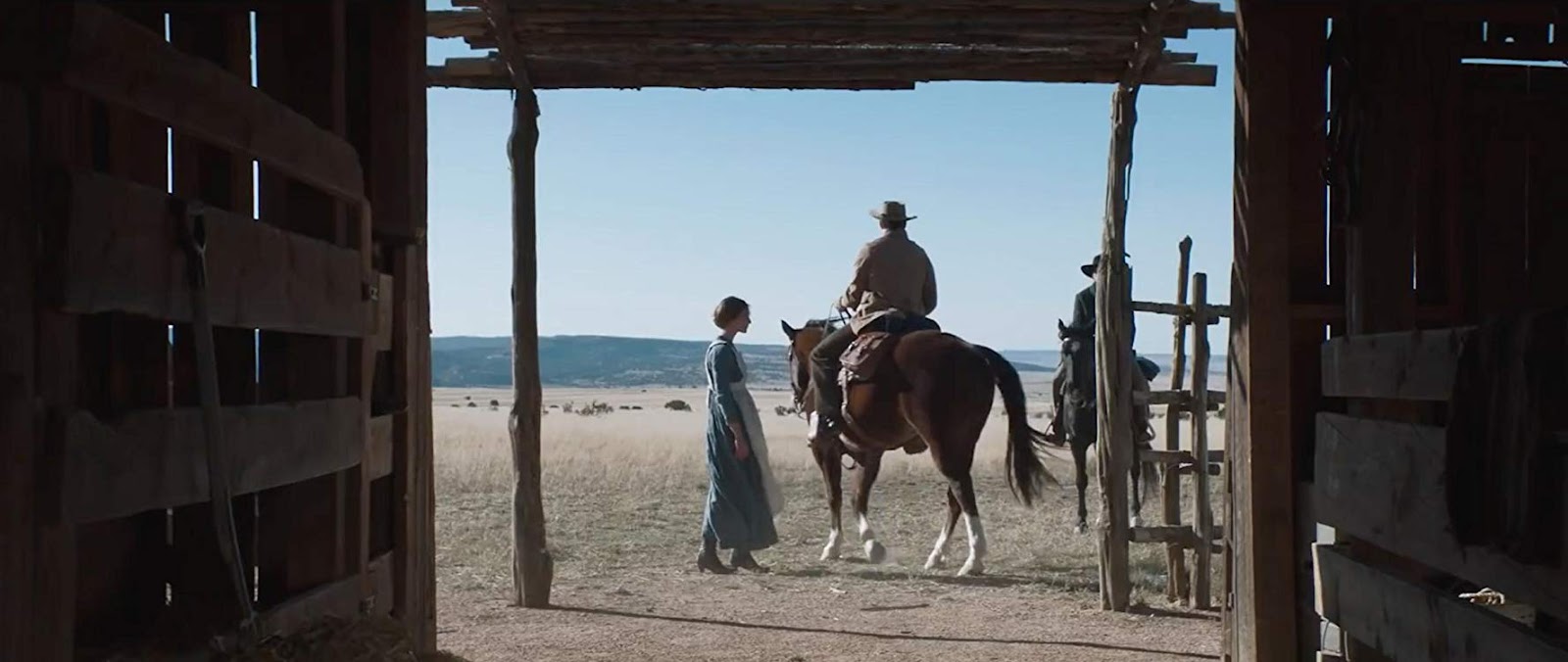
The cinematographer Lyn Moncrief is also no amateur, working mainly among independent filmmakers. The cinematography plays a very important role here; in fact, it builds the film to no lesser degree than the screenplay. The second major strength of the work is the actress in the leading role, Caitlin Gerard, a performer with great potential, creating the character of Elizabeth Macklin in an ambiguous way, showing both the emotions typical of horror heroines and those of psychological drama.
The Wind may not be an outstanding film, but the time spent in the cinema was certainly not wasted. Next on the festival program was Suspiria (1977) by Dario Argento, shown in a remastered version for the 40th anniversary of its premiere, and it turned out that it still makes a powerful impression. Perhaps that is why Emma Tammi’s debut ultimately seemed merely good to me.