
Review
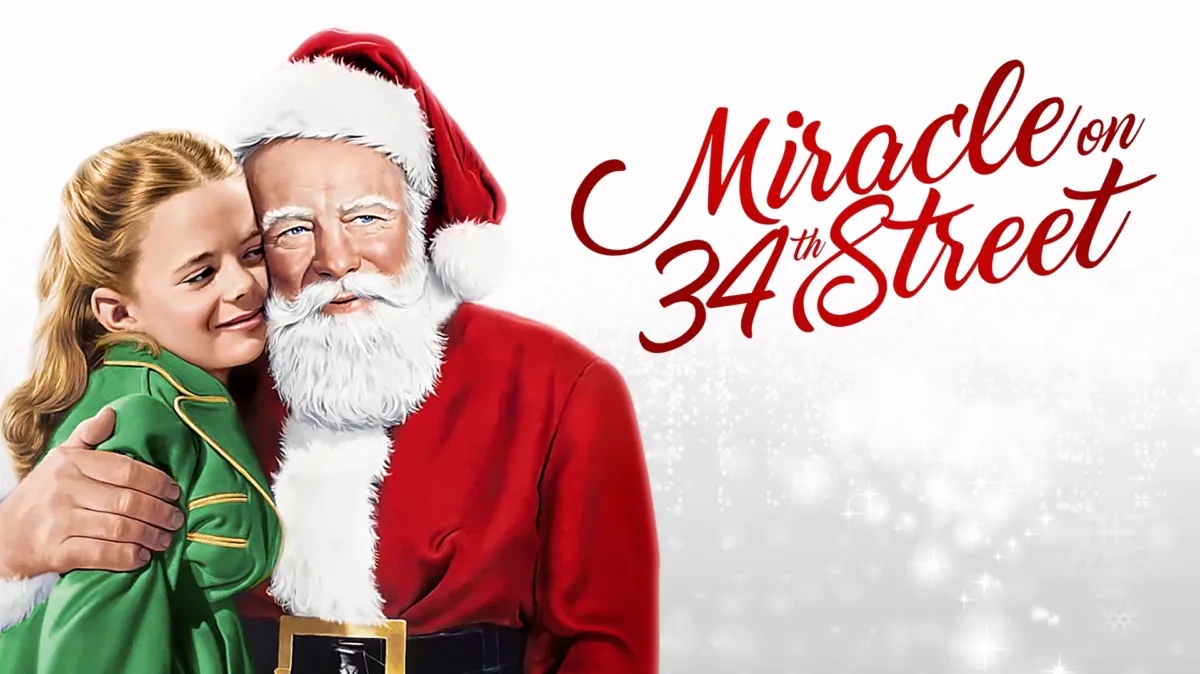
MIRACLE ON 34TH STREET. Christmas Classic from 1947

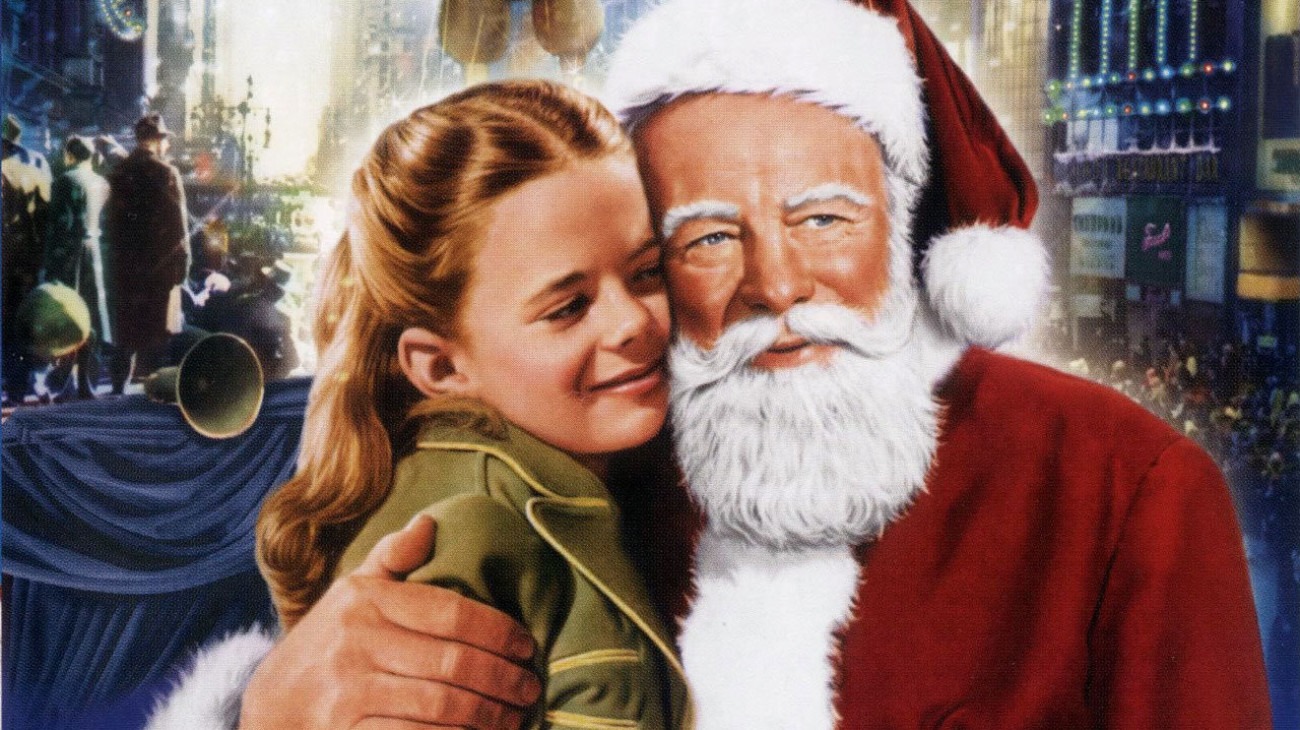
What if, for once this year, we didn’t watch Home Alone? What if we skipped Die Hard, gave National Lampoon’s Christmas Vacation a break… No, this isn’t going to be another piece about Christmas being a time for the spirit, or for family, and so on. Let’s be honest — the holidays are also a moment when the world slows down for a few days, when you’re allowed to pull the handbrake and give yourself a full mental reset. A moment when you can feel carefree again, like in childhood. For some people, it’s the only time all year when they can sink into an armchair and forget about work, school, problems, and everyday worries. Watching films is perfect for that. So I wouldn’t demonize the fact that in many homes, Home Alone has become an integral part of Christmas Eve — a tradition without which the holidays just wouldn’t feel the same. Christmas films have practically become their own genre, with a huge following. And they offer much more than the adventures of a resourceful eight-year-old. One such Christmas classic is undoubtedly Miracle on 34th Street — the three-time Oscar winner from 1947. It’s little-known, more often associated with its (much weaker) 1990s remake.
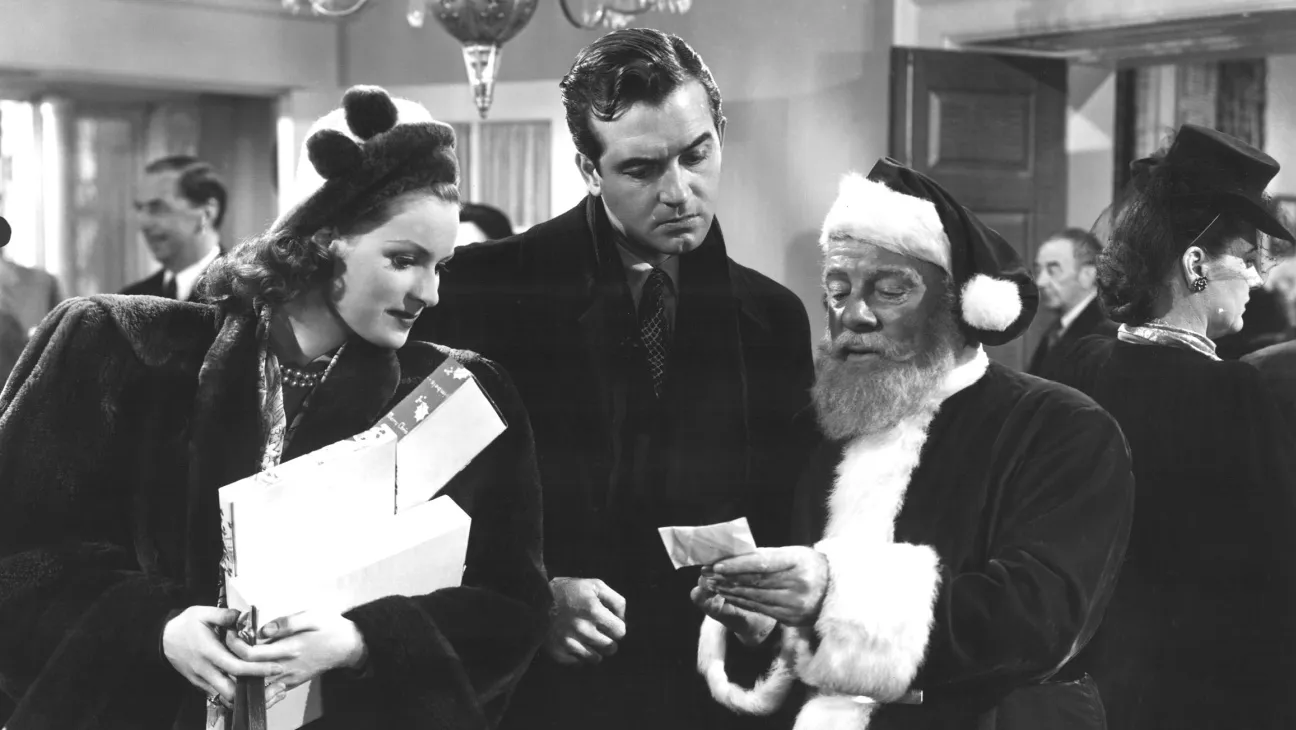
Holiday days tend to be filled with the same tried-and-true titles. TV stations stubbornly stick to their usual lineups, occasionally adding another assembly-line TV production of ever-declining quality. Older films, however, are rarely shown. While It’s a Wonderful Life might still find its way into the schedule, the original Miracle on 34th Street has a much harder time. And that’s a shame. The film is included on the list of works that preserve America’s national heritage, ranks ninth among the most inspiring films of all time, and this year topped Rotten Tomatoes’ list of the best Christmas movies.
And — though this probably interests no one — it’s also one of my own favorite Christmas films. I’m deeply nostalgic about Home Alone, I enjoy Die Hard, Love Actually moves me, but it’s Miracle on 34th Street that makes me feel like a child again and… believe. Not in Santa Claus, but in the idea that the world is more beautiful than it sometimes seems.
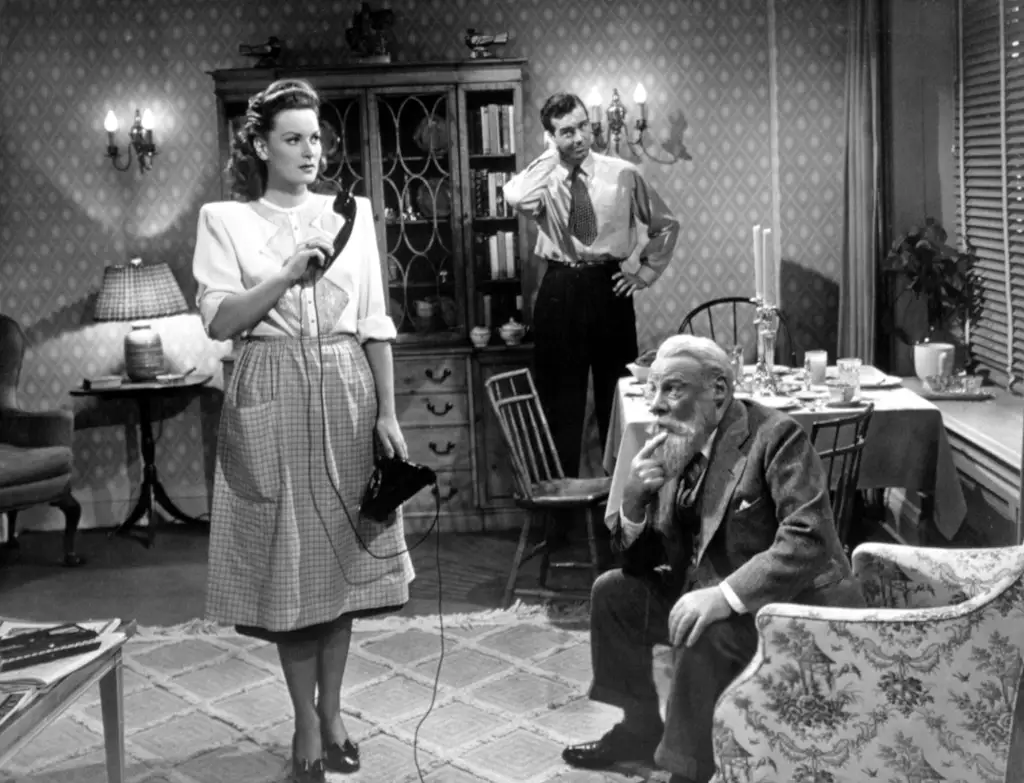
The film begins with New York’s annual Thanksgiving parade. We see Doris Walker (Maureen O’Hara), a young Macy’s manager, overseeing the final preparations. But there’s a problem — the actor playing Santa is completely drunk. In desperation, Doris asks an elderly man from the street, who looks uncannily like the real Santa (Edmund Gwenn), to take his place. He performs brilliantly, and soon he’s offered the official Macy’s Santa job for the entire holiday season. The man, who introduces himself as Kris Kringle, barely ever breaks character.
He is completely devoted to children — so much so that he tells parents where they can find toys unavailable at Macy’s, or cheaper alternatives elsewhere: “Because the child’s joy is what matters most.” Unexpectedly, this turns out to be an excellent marketing strategy, soon adopted by Macy’s biggest competitor and then expanded nationwide.
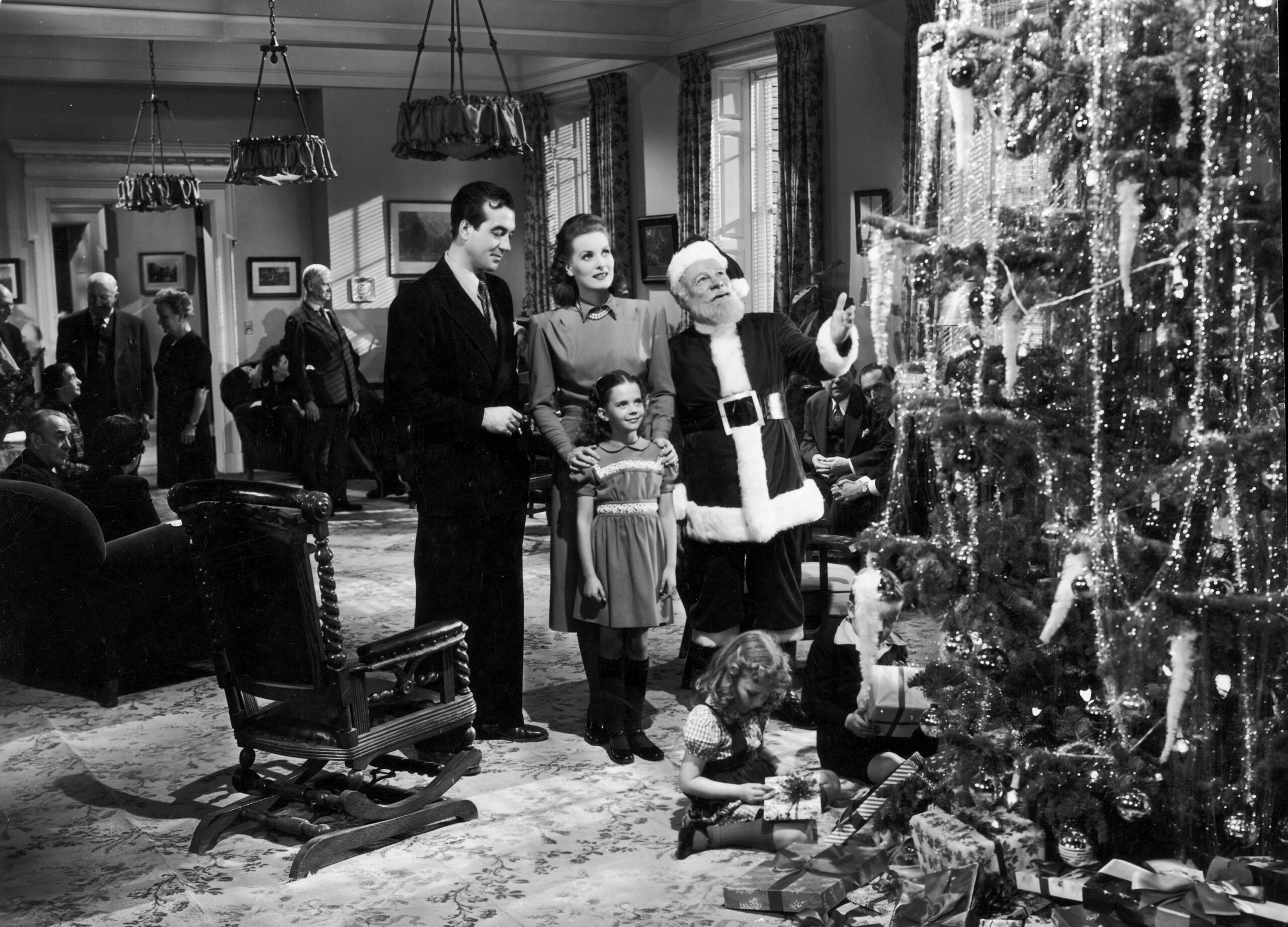
Although Miracle on 34th Street premiered nearly 70 years ago, it fits perfectly into discussions about the commercialization of Christmas. What do the holidays symbolize? Do they symbolize anything at all? Where is the line between kindness and cold calculation? Watching the film, you get the impression that the world hasn’t changed much since then. The film strikes a wonderful balance between cynicism and empathy, practicality and imagination. It also explores faith, broadly understood, and the power of belief. Kris Kringle sets out to reach Doris and her daughter Susan (Natalie Wood — yes, that Natalie Wood, in one of her earliest roles), who does not believe Santa exists.
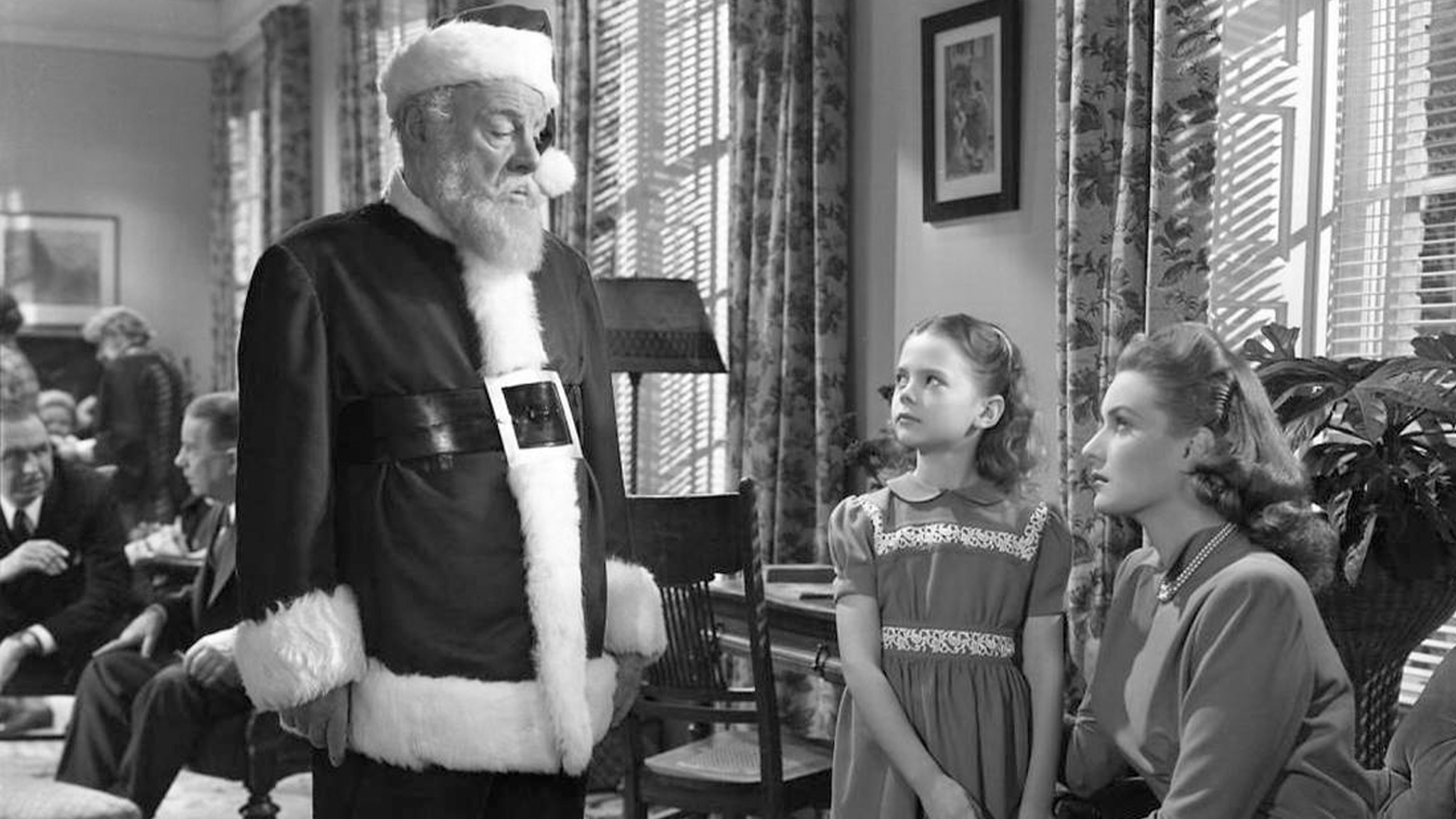
Doris, a divorced mother, wants her daughter to approach life with distance and common sense, to avoid disappointment. In the real world, she says, there are no fairy-tale endings. So why read fairy tales? Susan, a “little adult,” has an answer for everything. But meeting Macy’s new Santa will make her question her certainties. Can everything in the world really be explained rationally? And if not — what does that mean?
The film excels at balancing the real and the imagined. Logic constantly mixes with the need to believe in the inexplicable. Is Kris unhinged, a danger to himself, or is he truly who he claims to be? This isn’t a fantasy film — there are no flying reindeer or magical chimney-sliding. Even the courtroom case that becomes the film’s central plotline is presented without excessive melodrama. The question of Santa Claus’s existence is resolved with cleverness, not spectacle.
Instead of Kris flying off on Rudolph, we get legal loopholes, technicalities, lucky coincidences, irony, and humor. At a certain point, whether Kris is Santa Claus stops mattering. What matters is a new way of seeing the world — perhaps less logical, but more colorful, more beautiful, one that allows for belief in happy endings. And with that, belief in hope. Even if that hope is simply the fulfillment of a Christmas wish — you have to start somewhere.
At one point, the prosecutor says, “Let’s end this. You can’t prove Santa Claus exists.” Kris’s lawyer replies simply: “Can you prove he doesn’t?” If a Christmas movie should comfort, inspire, and foster belief, Miracle on 34th Street may be the perfect representative of the genre. Most importantly, it achieves all of this with minimal means. Yes, the title mentions a miracle, the story takes place in New York (the typical Christmas-movie backdrop), and the protagonist is theoretically Santa himself, but…
…it is not a film that relies on cheap emotional tricks. There’s no snow at all (unlike the saccharine remake, where it begins to fall — of course — on Christmas Eve), and the only Christmas song is “Sinterklaas Kapoentje,” sung by Kris and a little Dutch girl visiting him at the store.
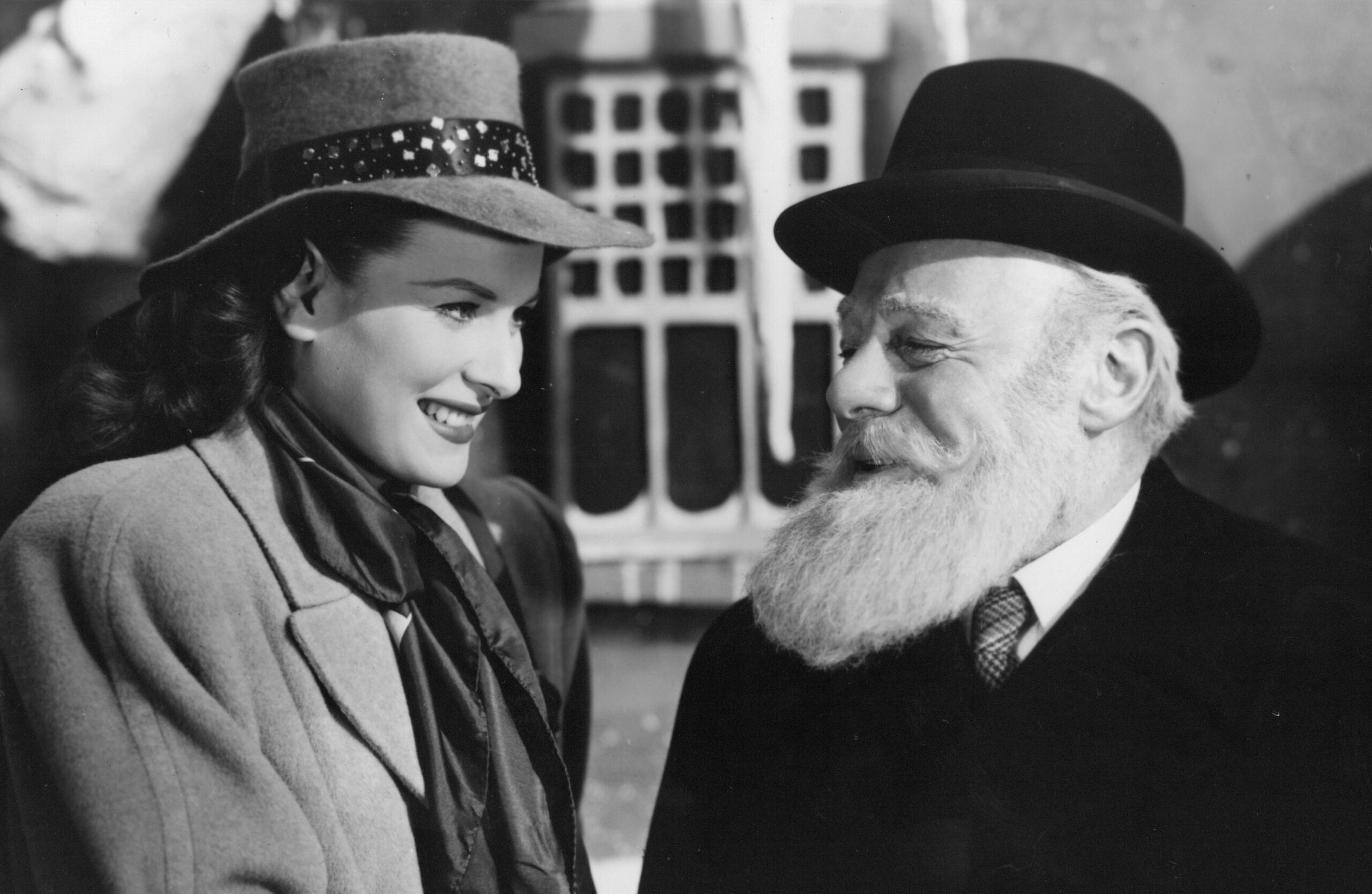
Just like in real homes at Christmas, the atmosphere comes from the people. And the actors are superb — Edmund Gwenn deservedly won an Oscar for his performance. As Kris Kringle, he is simply endearing, and thanks to him, the character becomes fully believable, which significantly affects the film’s impact. There is natural chemistry between him and young Natalie Wood — it’s clear they bonded well on set. John Payne is also excellent, though underrated, as Doris’s neighbor and later Kris’s attorney — hopelessly in love with a woman who has stopped believing in love, he instantly wins the audience’s sympathy.
It’s a truly well-written character — one of the few that also holds up in the 1994 version. There’s also a brief appearance by Thelma Ritter — later a master of scene-stealing supporting roles (nominated for an Oscar six times, including for All About Eve). Miracle on 34th Street was her first screen appearance. It’s worth watching closely so you don’t miss her small role.
This really is one of the best Christmas films ever made. In one scene, Kris says: “Christmas isn’t just one day. It’s a frame of mind… And that’s what’s been changing for the worse. That’s why I’m glad I’m here — maybe I can do something about it.” Miracle on 34th Street also “does something about it” — it restores a sense of magic. Thanks to this film, you can momentarily adopt the worldview you remember from childhood. Slogans like “Nothing is impossible,” “Dreams come true,” “If you truly believe…” turn out not to be empty words. Even if only for ninety minutes. It’s worth giving yourself this film for Christmas — it’s guaranteed to be a gift that pays off.

