
Review
“We Did OK, Kid” – Anthony Hopkins and His Memories [REVIEW]
Anthony Hopkins reveals himself as a witty novelist with an excellent command of emotional drama and a generous dose of literary imagination.

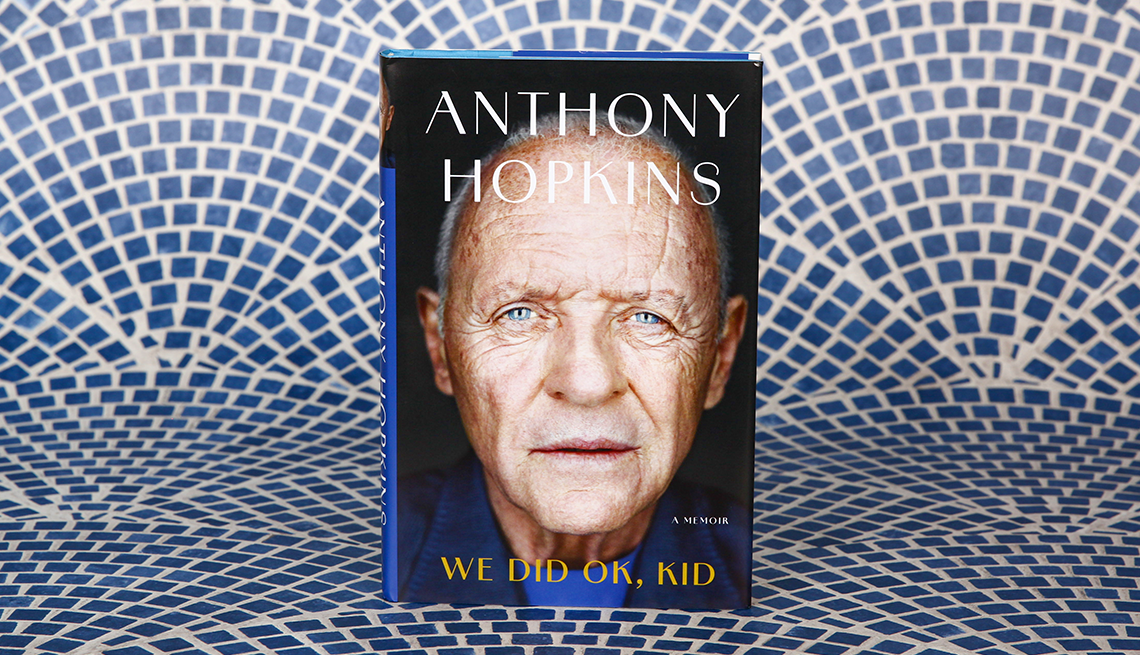
Are we currently witnessing a trend of autobiographical books by great, aging actors? Will Clint Eastwood, Robert De Niro, Jane Fonda and others be next? For now, it’s hard to say. Not long ago our bookshelves were delighted by the genuinely successful Sonny Boy by Al Pacino, and now We Did OK, Kid by Anthony Hopkins is fighting for a spot right next to it. And I have to admit: it’s worthy competition and a read that offers pure enjoyment.
It’s worth stating this upfront: readers expecting a book strictly about cinema may be disappointed. Anecdotes from film sets, opinions about movies, behind-the-scenes trivia about people in the industry and the process of making great screen works? There isn’t as much of that here as you might expect. You need a bit of patience before the author finally immerses himself in that world. He clearly treats it as secondary. First and foremost, this is a story about life—its upheavals, coming to terms with the fickleness of fate, hurt and forgiveness. Distinctly Shakespearean motifs are presented in a very convincing, non-bombastic way.
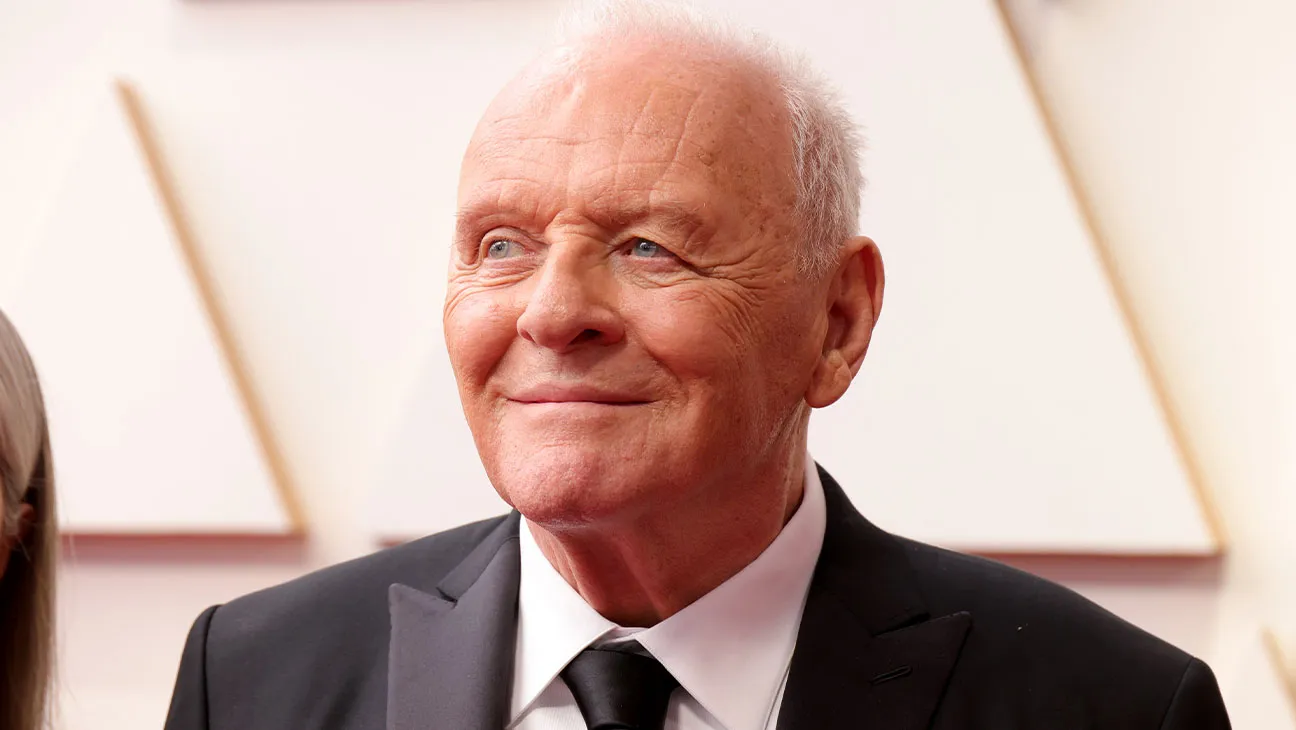
The “cinematic” quality and narrative pace only gain momentum in the second half of the book—its anecdotal value gradually increases—making it more appealing to cinephiles eager to learn about the backstage of their favorite Hopkins films. From this autobiography you’ll learn, among other things, about the actor’s darker side, which helps him understand villains, or why he didn’t attend the Oscars ceremony at which he received an award for The Father. These passages are read with great satisfaction—though you can sense that Hopkins, if he could, would much rather talk for hours about… life. And the people around him.
As with Al Pacino’s recent autobiography, Anthony Hopkins reveals himself as a witty novelist with an excellent command of emotional drama and a generous dose of literary imagination. He presents his memories like an absorbing piece of fiction worthy of Ernest Hemingway. Hopkins writes plainly and elegantly. He stylizes reality into a poetic parable—a fable about an outcast, an outsider, forever searching for his place. He creates a moving story that contains both darkness and evil as well as hope and beauty, capturing life in all its sinusoidal complexity. In a subjective, honest confession, he takes stock of his life, while avoiding definitive conclusions—leaving those to the reader.

If you’re familiar with interviews with this gentleman, you know his trademark pitch-black, ironic humor and the sharpness of his remarks—directed at others, but also at himself. He approaches life with immense distance; how many people could benefit from such unpretentious yet wise light-heartedness? The portrait of the artist that emerges from the book is therefore deeply ambiguous: a man proud and aware of his worth, yet at the same time shy and mortally embarrassed by many details of his private life.
The book is filled with sadness and many bitter disappointments, but also with moments of wonder—above all at art and lyric poetry, to which Hopkins has been faithful for years. As a child, when he watched Laurence Olivier in Hamlet, he experienced an epiphany. He didn’t understand the meaning of the words spoken by the actor, but he did understand their majesty and extraordinary emotional power. This set him on the path toward later successes and his mission to captivate audiences. Although he repeatedly admits that everything in his professional life came easily and without great effort, he was utterly powerless in the face of problems in his private life. He often swept his greatest demons under the rug—among them alcoholism, which he struggled with for many years, and a rough relationship with his father.
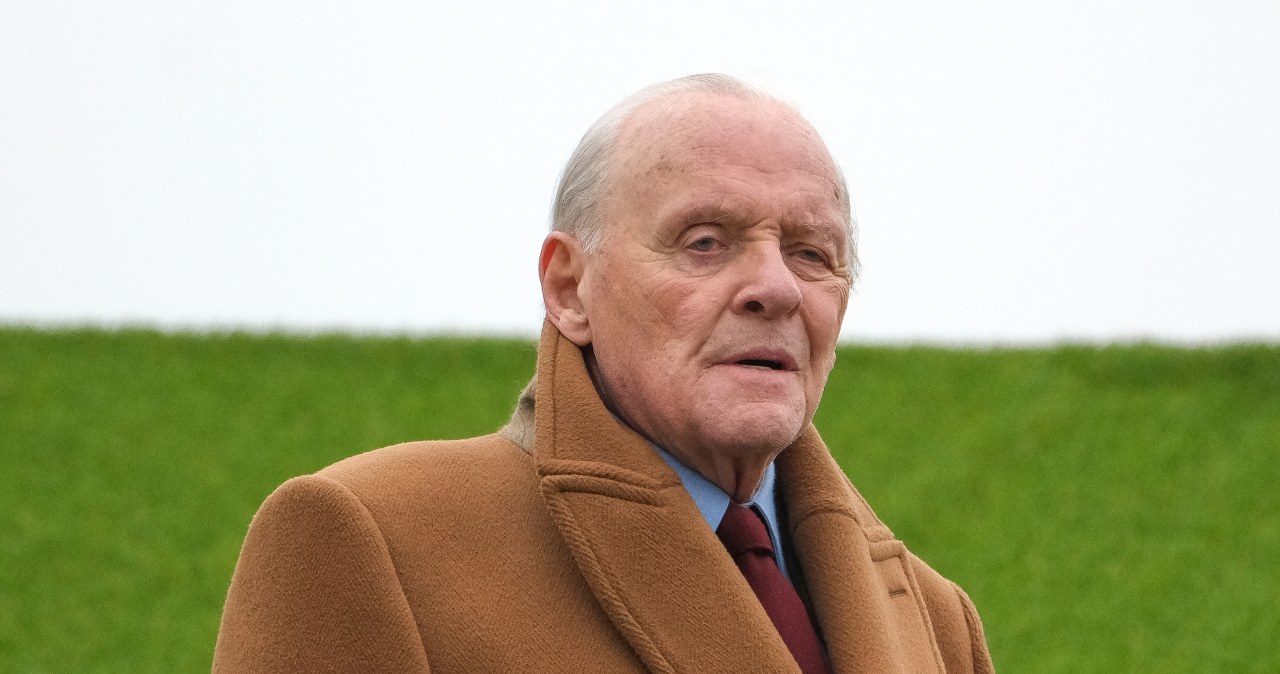
Hopkins’s view of life’s various dilemmas is simple, unclouded, and honest—almost anachronistic in its clarity. The actor’s face on the cover seems like living proof of endured pain, but also an expression of stoicism and dignity.
This is by no means a perfect book: the artist’s written memories show a somewhat jagged, uneven pace, and not all of the recounted stories feel necessary, while others would deserve broader development. But the aforementioned honesty—the key word here—compensates for the occasional loss of narrative focus.
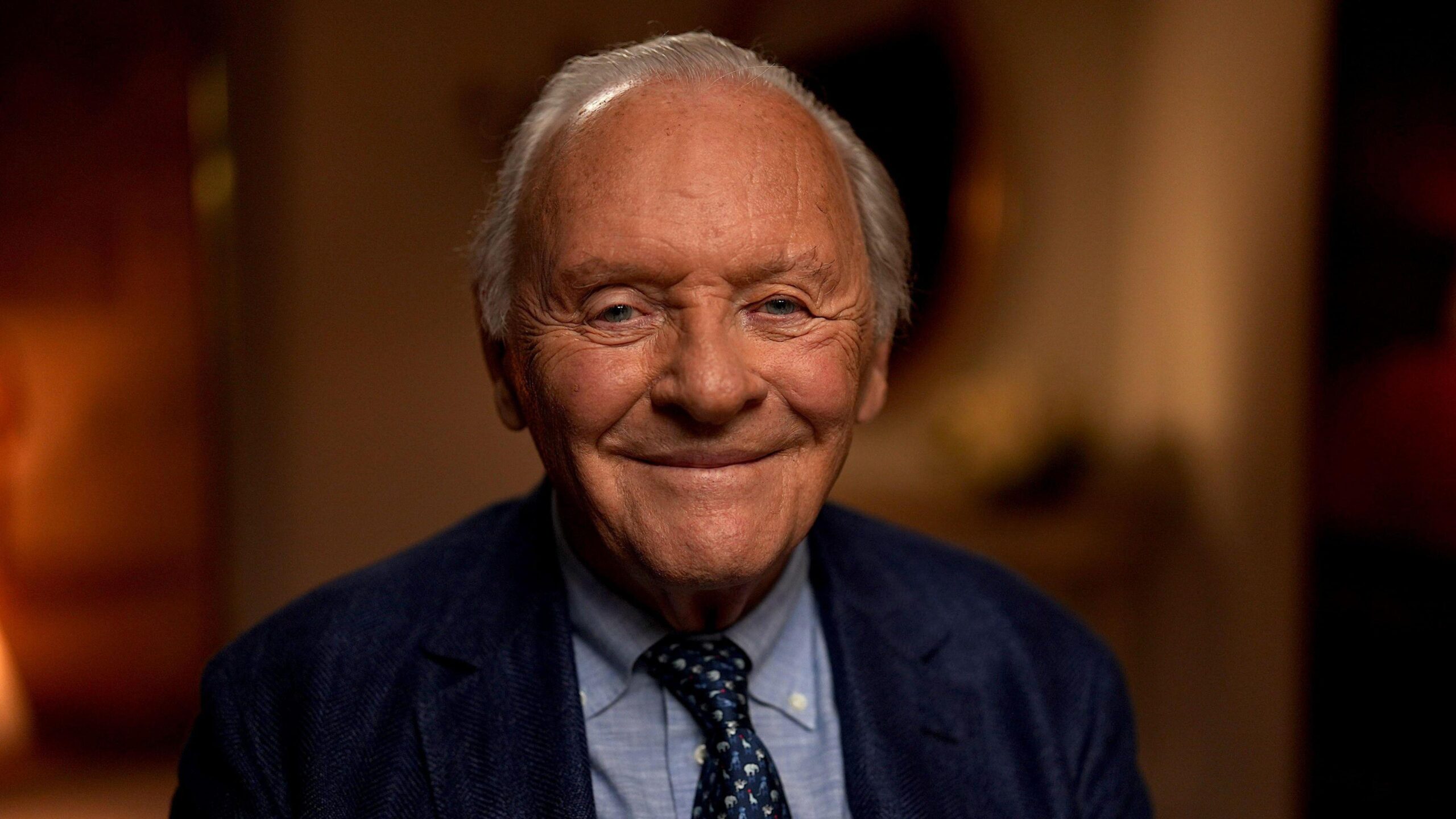
The formula proposed by We Did OK, Kid is more than a chronological listing of facts from a star’s life. It allows us to step deeper into the mind of our Welsh gentleman—to understand him more closely by experiencing his strictly personal perspective on life. This offer of strong identification with the actor, through richly detailed memories, feels particularly valuable—and therefore worth exploring even for readers who tend to avoid biographical works.

