
Movies Explained
UTOPIA: A Criminally Underrated Gem of a Series
Utopia possesses that mythical something that suggests a lot. Cult status? There’s something to it. Utopia has something that won’t let it be forgotten.

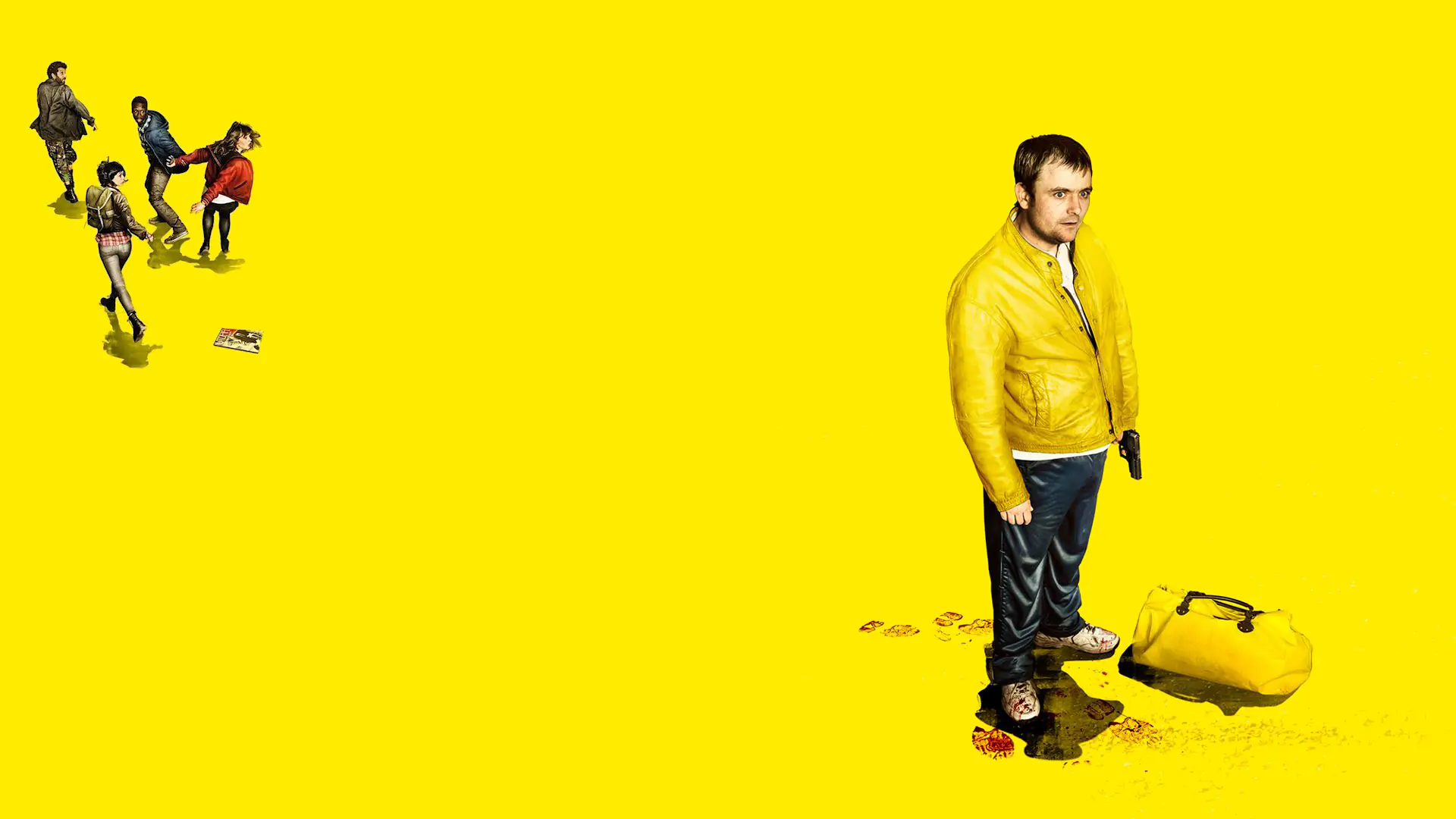
This is not just any random television production. It is not particularly well-known, it is not heavily awarded, it does not redefine television. It’s easy to overlook—it climbed to the top of the popularity charts. Most likely, the majority of those reading these words have never even heard of this title. You wouldn’t place Utopia next to Breaking Bad or Mad Men—it’s not a long-running series, even if outstanding, that has been building the network’s prestige for years and creating new stars. But it is also not a series to ignore. What’s more, one would be hard-pressed to find another series so originally twisted and unconventional.
That could be said about many British productions in recent years—with Black Mirror, leading the pack—but it’s Utopia that holds the crown for the most unconventional series I’ve seen in a long time.
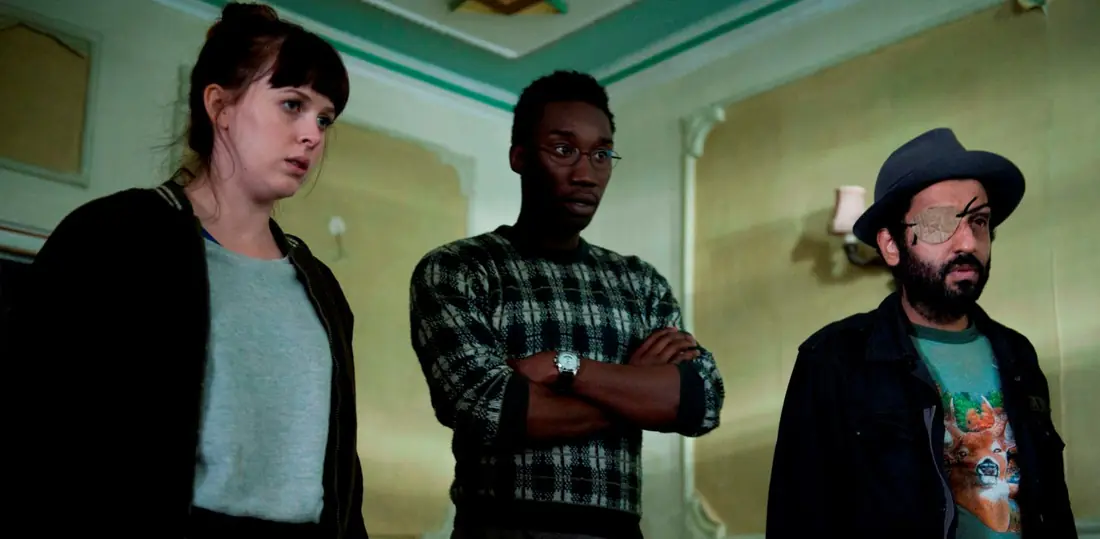
This is the story of a group of comic book geeks, accidental heroes who—fascinated by a graphic masterpiece titled Utopia—find themselves in serious trouble.
An action flick? Certainly, there are a few chases, and the guns go off quite often. A crime story? That too, because there’s a plot that quickly evolves from a micro to a macro scale. A mystery? Absolutely, it’s the most important ingredient—neither we nor the characters know anything at first, and that nothing generates too many strange, unsettling, and dangerous events to ignore. So the unknown must be deciphered, which won’t be easy, because—naturally—there are those who don’t want the secret to come to light. That means conspiracy and a lot of questions (who, what, how, where, when?), for which answers are hard to come by.
On that level, Utopia might sound banal. You can hear echoes of Lost, where the secret was kept hidden for years, only for the resolution to leave everyone deflated, and the predominant sound was one of disappointment—thankfully, the Brits don’t lead us on quite so cruelly. The influence of Conspiracy Theory or the mythological threads of The X-Files is easy to spot—the knowledge of what’s carefully hidden in government drawers is the key to understanding the characters’ troubles. Some readers might also be reminded of Heroes, that sensational trifle spread across many characters—with a comic book in the background, meaning not too serious, easygoing, parodying cultural codes in a pop-cultural way.
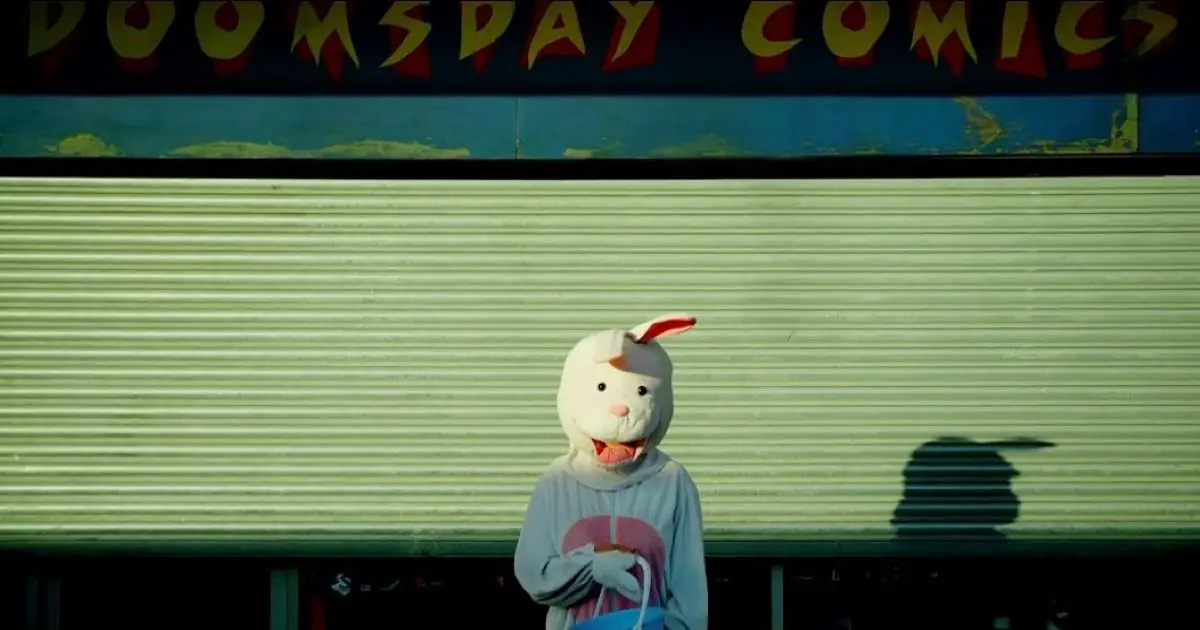
However, the creators of Utopia use the comic book motif far more cleverly, blending several artistic forms of expression into a single series—just like in the best comics, where unconventional prose is paired with outstanding visuals. Word, image, sound (onomatopoeia), stage directions, message, a distinctive overall dynamic: these are all elements representative of, among others, Alan Moore’s Watchmen, Art Spiegelman’s Maus, Frank Miller’s Sin City, Marjane Satrapi’s Persepolis, and Thorgal by Rosiński/Van Hamme.
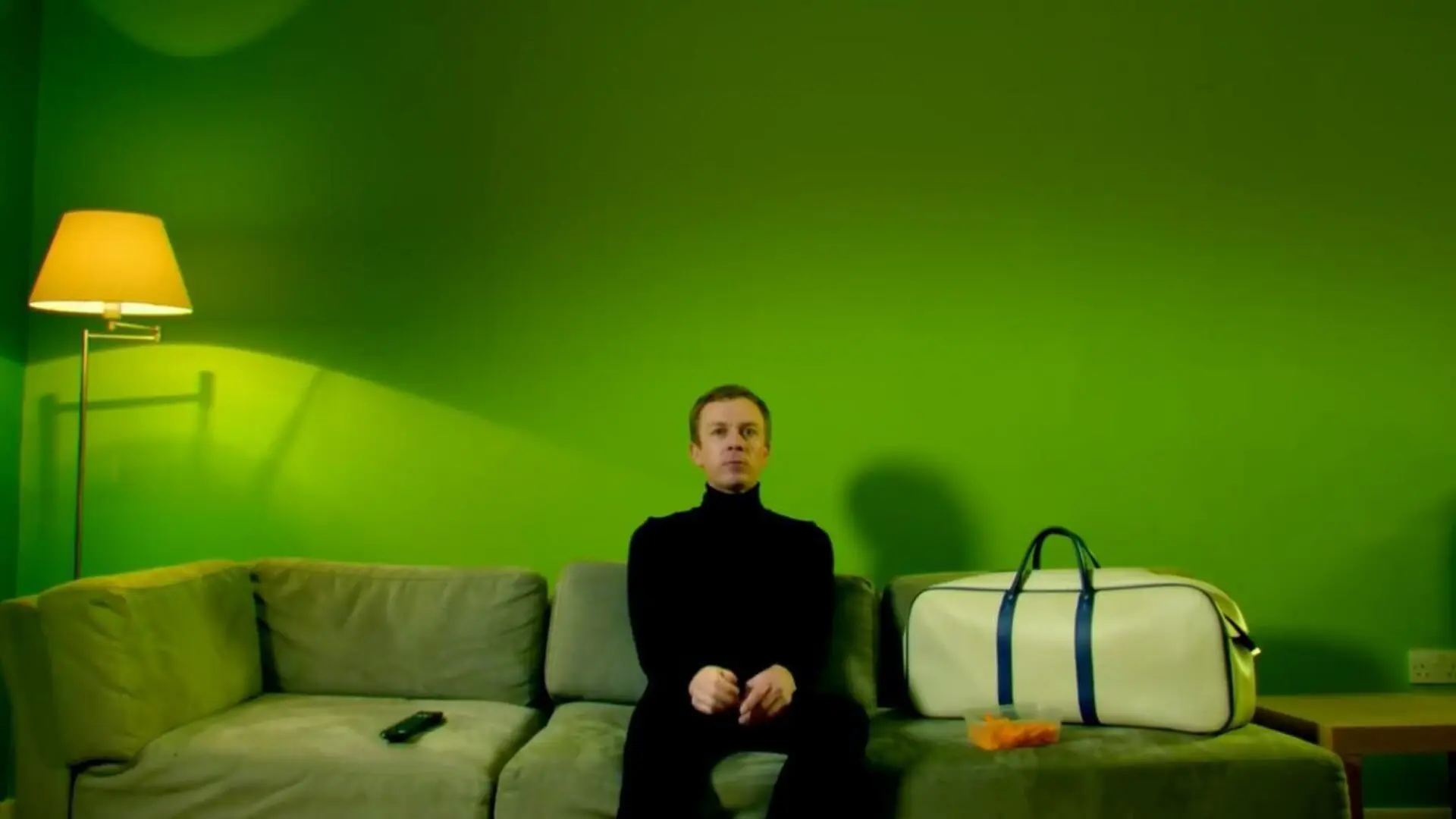
Utopia has a similar identity. I’ve already mentioned the narrative layer, though it’s worth adding that it combines obvious elements belonging to many genres and themes, which is no sin—because the story flows quite smoothly from point A to point B, sticking to a narrative spine, but occasionally allowing for minor digressions. Each character is drawn with a distinctive line: a kid, a fanatical computer geek, a stiff, a rebellious student. They’re being hunted by a taciturn killer. In the background, a lost bureaucrat whose life is turned upside down, and people whose faces mysteriously emerge from the shadows.
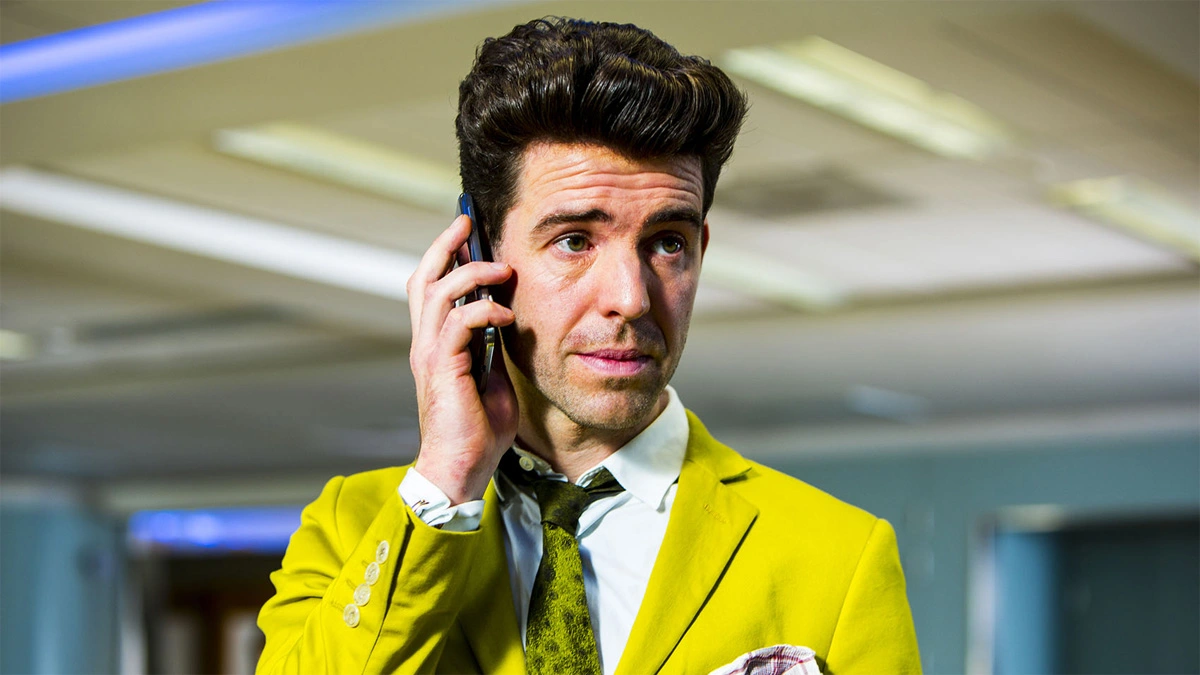
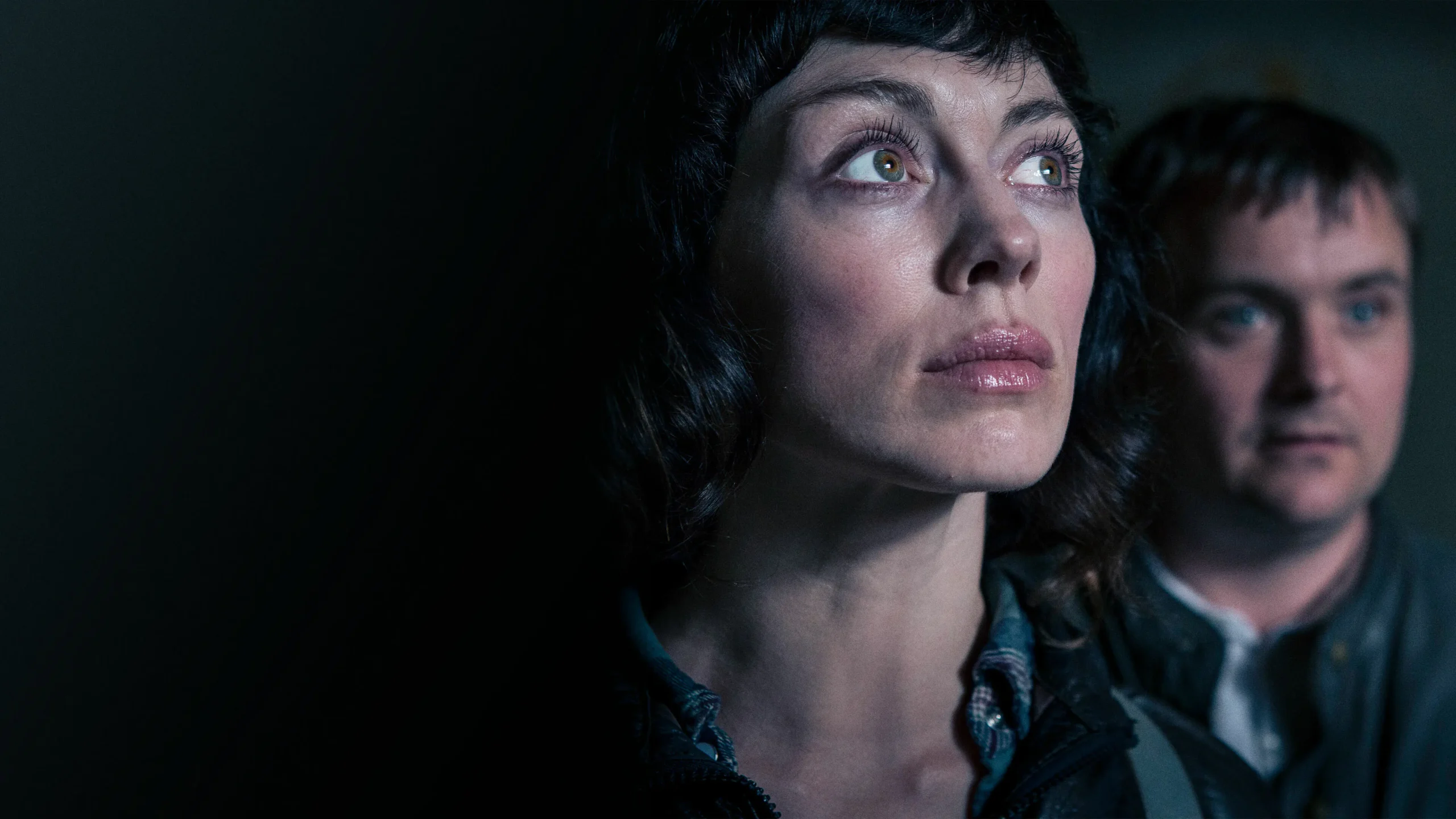
There’s also the intriguing Jessica Hyde, about whom questions are asked. Each character is excellently portrayed, but taking the spotlight is of course Neill Maskell as the psychopathic killer, and none other than Stephen Rea, whose experience is not to be underestimated.

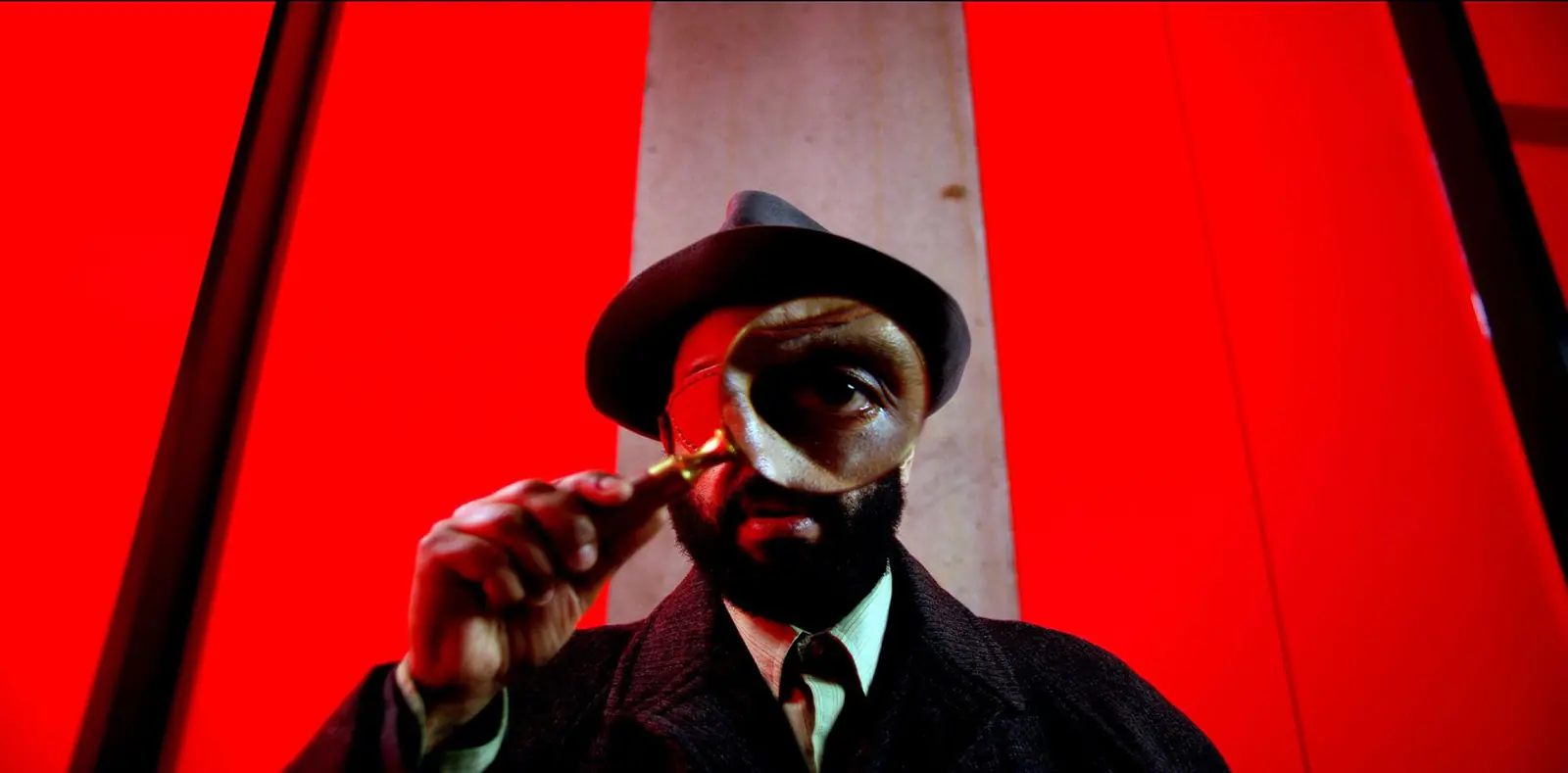
Add to this the visual layer—carefully composed frames, showing both the grime of London’s streets and the pastoral serenity of the English countryside (where the action eventually leads)—all in proper contrast, light, and surprising perspective.
Add precise use of silence, ambiguity, whose meaning is heightened by the incredible, minimalist music by Cristobal Tapia De Veer, somewhat reminiscent of ambient, which builds the dreamlike mood of the whole. Importantly, this atmosphere is often brutally interrupted by extreme violence—elaborate torture, senseless murders, including a school massacre of children. It’s a series that is at times shocking, politically incorrect, playful with violence, crossing boundaries, but at the same time highly stylized, ironic, not entirely serious. A comic book.

Dennis Kelly, the creator of Utopia, did not have the lofty ambitions I’ve somewhat suggested above. The dialogue with the conspiracy thriller genre and the comic-book backdrop is more the result of extraordinary talent and a search for uniqueness in the television world than of fascination with the theme or deep immersion in the fictional world.
This acclaimed 42-year-old playwright, responsible for many respected works staged on the most renowned British theater stages and on television, describes himself more as a hired hand—a certain kind of prostitute, as he puts it, who serves willing clients. Kelly’s portfolio includes comedies, crime stories, musicals—all formally different from one another, aimed at different types of audiences.
Utopia is simply a coincidence—he knew Channel 4 was looking for a new series idea after the huge success of productions like Skins, Misfits, Shameless, or Black Mirror. So he sat down, wrote it, sent it, and voilà, Channel 4 funded the production. That’s the short version, of course—the well-known name of the creator certainly played a role, so the decision to greenlight the project wasn’t just a stroke of luck, but rather the result of Kelly’s hard work. Interestingly, the man began proving his worth only after the age of 30—he finished college only then, and before that, he worked regular jobs in supermarkets, in storage or behind the till at Sainsbury’s, joining a writing group (Barnet Drama Centre) by chance, where he developed his literary passions.
Just another proof that if you want, and you’re able, and you work hard, you can achieve a lot.
So what determines the quality and uniqueness of Utopia? Dennis Kelly doesn’t take all the credit—though he’s the one in the spotlight when talking about the show’s success. He’s not Vince Gilligan, David Milch, or Alan Ball, who were deeply involved in the productions they created. Kelly, rather modestly, suggests he provided the paint, set up the easel, sketched the outline—but the real painters were the directors (Marc Munden, Wayne Che Yip, Alex Garcia Lopez), who translated the story into the language of film, creating the series’ atmosphere.
And when I say atmosphere, I mean ATMOSPHERE, because this is a series with a truly extraordinary mood, and the creators deserve every bit of praise. The unique tone of Utopia, the perfect fusion of image, sound, and story, is no accident—it is the result of a creative brainstorming and a need to offer viewers something fresh and new within familiar frameworks.

Did they succeed? In some ways, certainly. Utopia didn’t break popularity records, but it possesses that mythical something that suggests a lot. Cult status? A big word, the meaning of which has been diluted these days. But there’s something to it. Utopia has something that won’t let it be forgotten.
That something you’ll have to verify for yourselves.

