
Review
THE WRESTLER: Brilliant Film, Phenomenal Mickey Rourke
The emotional realism with which Aronofsky portrayed the problem of an aging wrestler is astonishing.


In 2008 came the most important moment in Aronofsky’s career. Two days after finishing his film, he sent it to the Venice Festival. It turned out to be a real hit and, as the third American production in history, won the Golden Lion for Best Film. I have no doubt that The Wrestler is a remarkable work that stays in the mind of every viewer, making you want to come back to it many times.
Darren Aronofsky is a director who takes us on a journey into the psyche of his characters every time. Sometimes it is a ballerina unable to meet her mother’s expectations, at other times a brilliant mathematician who wants to solve the riddle of the universe. In the case of The Wrestler, this has a double meaning, because the character he sketched is very close to the actor who took on the role of the title character. Mickey Rourke was considered an extremely talented actor in the 1980s and 1990s. He played many interesting roles in great films (the best one being Barfly), women adored his nonchalance, and men admired his courage (9 ½ Weeks).
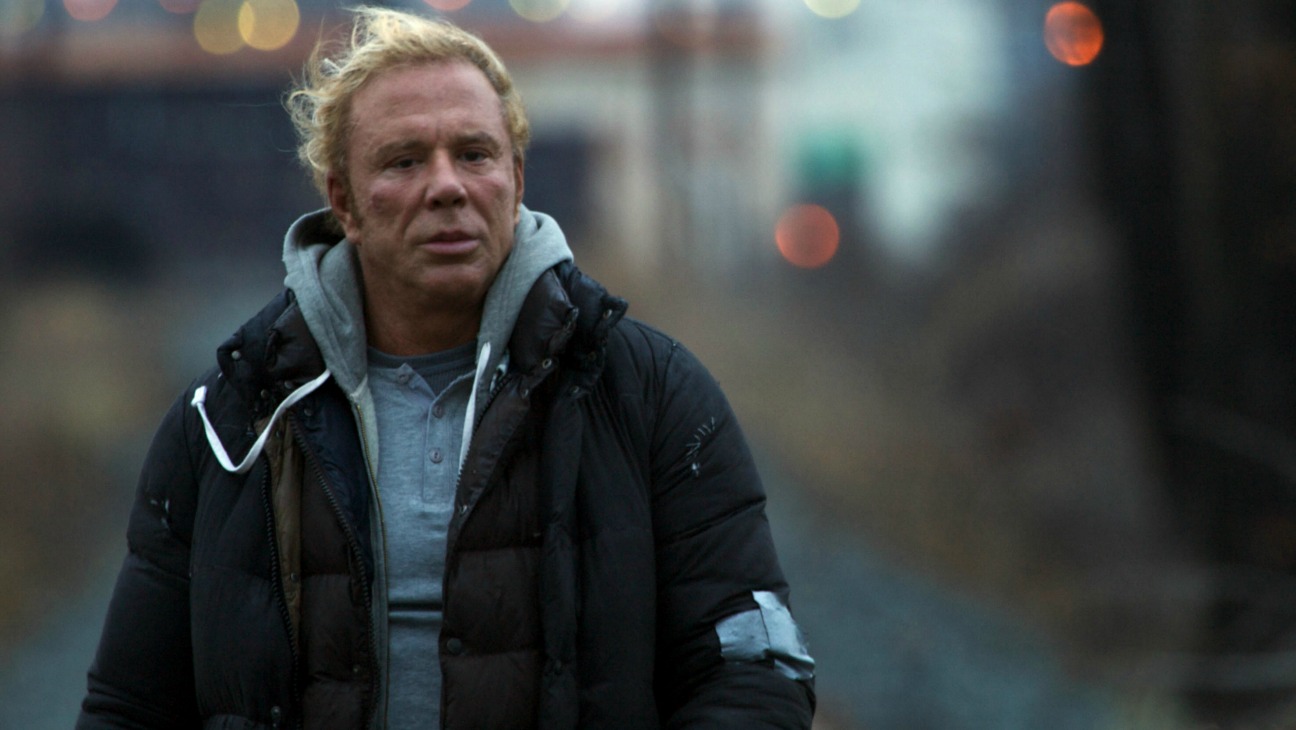
However, he fell into addiction and from one day to the next stopped being the same person: he lost his charm and began to play small roles in insignificant productions. After spending over a dozen years on the fringes of the film world, something began to stir, and the lost career could regain its bright colors. The first sign of a return to good form was his appearance in Sin City. Rourke was praised by everyone and showed Hollywood that he would not be forgotten so easily, especially since he had transformed from a handsome man into a life-worn monster. The offer to star in Aronofsky’s film came unexpectedly, as Mickey himself was not initially considered for the role.
At first, the role was intended for Nicolas Cage – fortunately, he had a different view of the script and declined the part. The second candidate to play Randy Robinson was Sylvester Stallone – it was supposed to be his return to the ring, and it seemed that he was the perfect actor for this role, yet he also refused due to his work on Rocky Balboa, which, incidentally, in some way resembles The Wrestler.

Mickey Rourke immediately noticed the emotional bond between himself and the main character of The Wrestler. Wanting to prepare physically for the role as best as possible and thus make his performance more credible, he began a two-month training program under Tommy Faria’s supervision, during which he often ended up in the hospital and had to undergo thorough tests to check whether his heart could withstand such exertion. A funny anecdote is connected with one of the men who supplied Robinson with boosters and various kinds of medication. Two weeks after the filming ended, this muscleman was caught by the police for possession of illegal substances.
After the exhausting training, Rourke weighed 15 kilograms more and was ready to play the role of his life. Interestingly, he did not need a stunt double for most of the fight scenes, and in one of them, when The Ram lies on the mat and cuts his forehead with a razor blade, Mickey really decided to do it. No paint, no pretending – just his own blood.
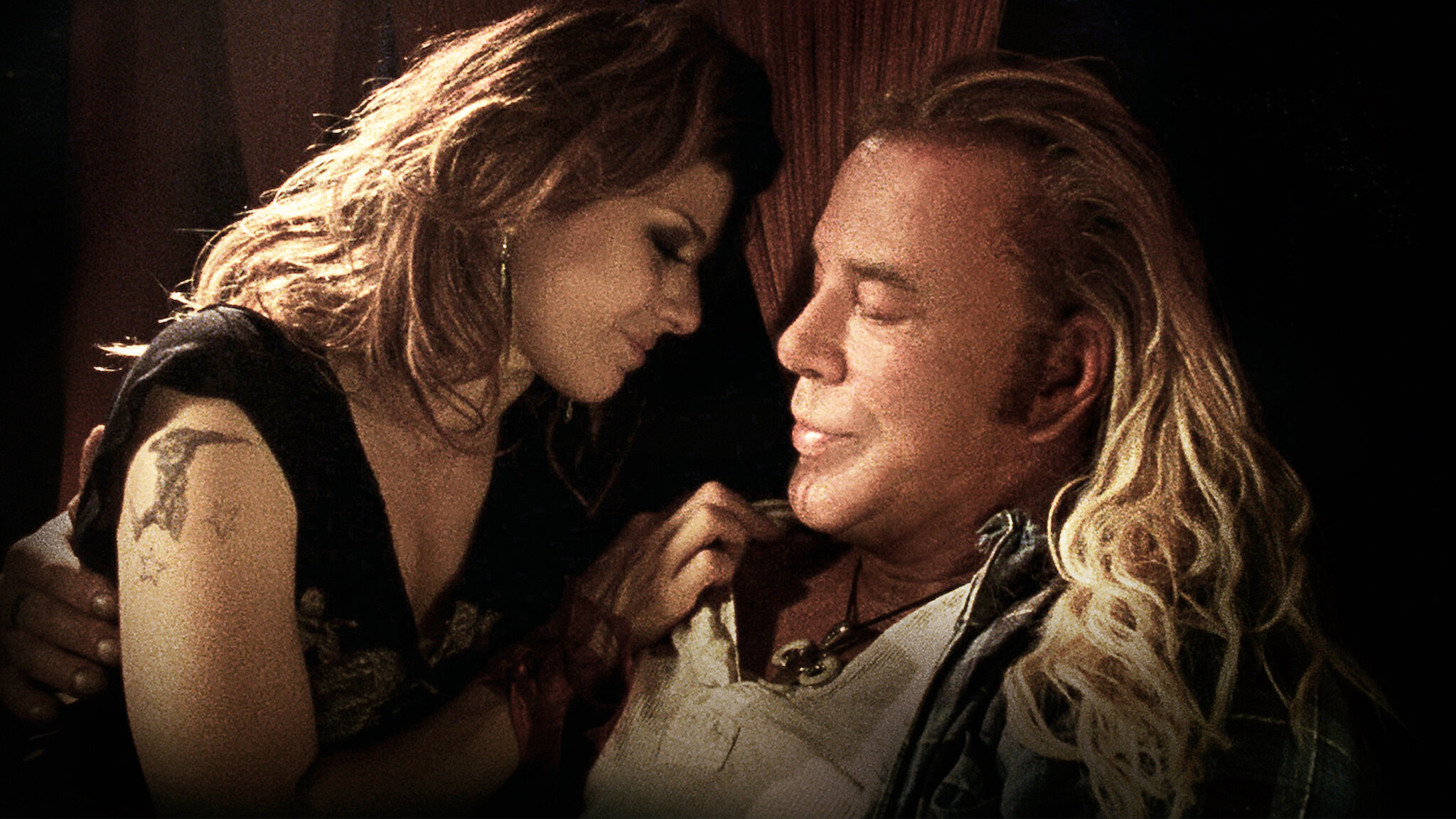
There were often tensions on set between the film’s star and the director. What annoyed Darren the most was when the actor wanted to perform wearing sunglasses. Sometimes their arguments about that detail lasted for hours. Yet they both held each other in great esteem, and it never crossed Aronofsky’s mind to replace the actor. He was so convinced that Rourke was the right man for the part that even when successive producers refused to finance the film precisely because of Mickey, he was not discouraged. Only after a year did they manage to find in France a man who invested a mere six million dollars in the project, while they had initially counted on nine or twelve million.
Because of the small budget, many scenes were improvised. Practically all those taking place in the delicatessen were not planned in the script, and the buyers were not actors but ordinary customers (or Darren asked his own parents to play customers). The budget was so tight that they could not afford to purchase the rights to use the famous Guns N’ Roses song Sweet Child o’ Mine in the final scene, but Axl Rose agreed to let them use it for free. Perhaps precisely because of this limitation and frequent improvisation, the entire film turned out so natural and authentic.
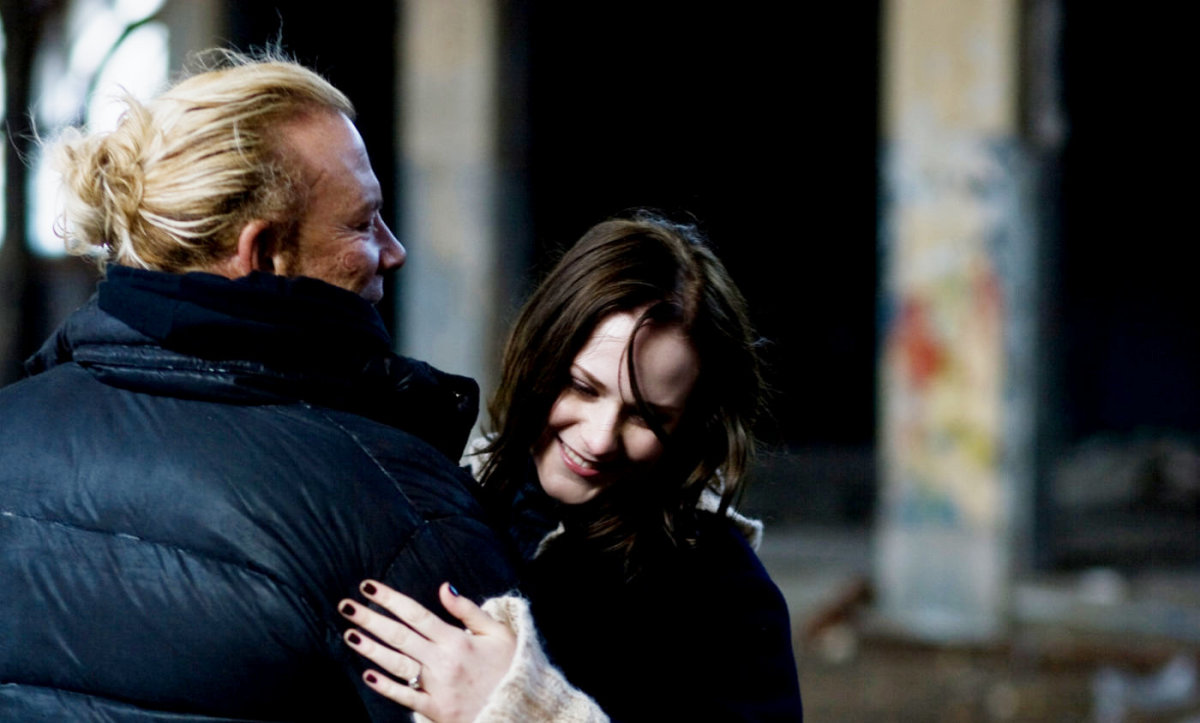
However, let us move on to the film itself. The Wrestler is a story loosely based on the career of Greg The Hammer Valentine. The idea for a story about an aging wrestler was born in Aronofsky’s mind as early as 1992. Randy The Ram Robinson was a hero of the 1980s and 1990s. In the ring, he had no equal, and young boys would hang his posters on their walls. He slept with every girl he wanted and did not care about the passing time.
We meet him at a moment when all of that is already in the past. Although he can still count on respect within the wrestling business and on the memory of fans, his health no longer allows him to fight at the same level as before. This feeling of the inevitable end of his career crushes him, and it is only worsened by the heart attack he suffers after one of the matches.
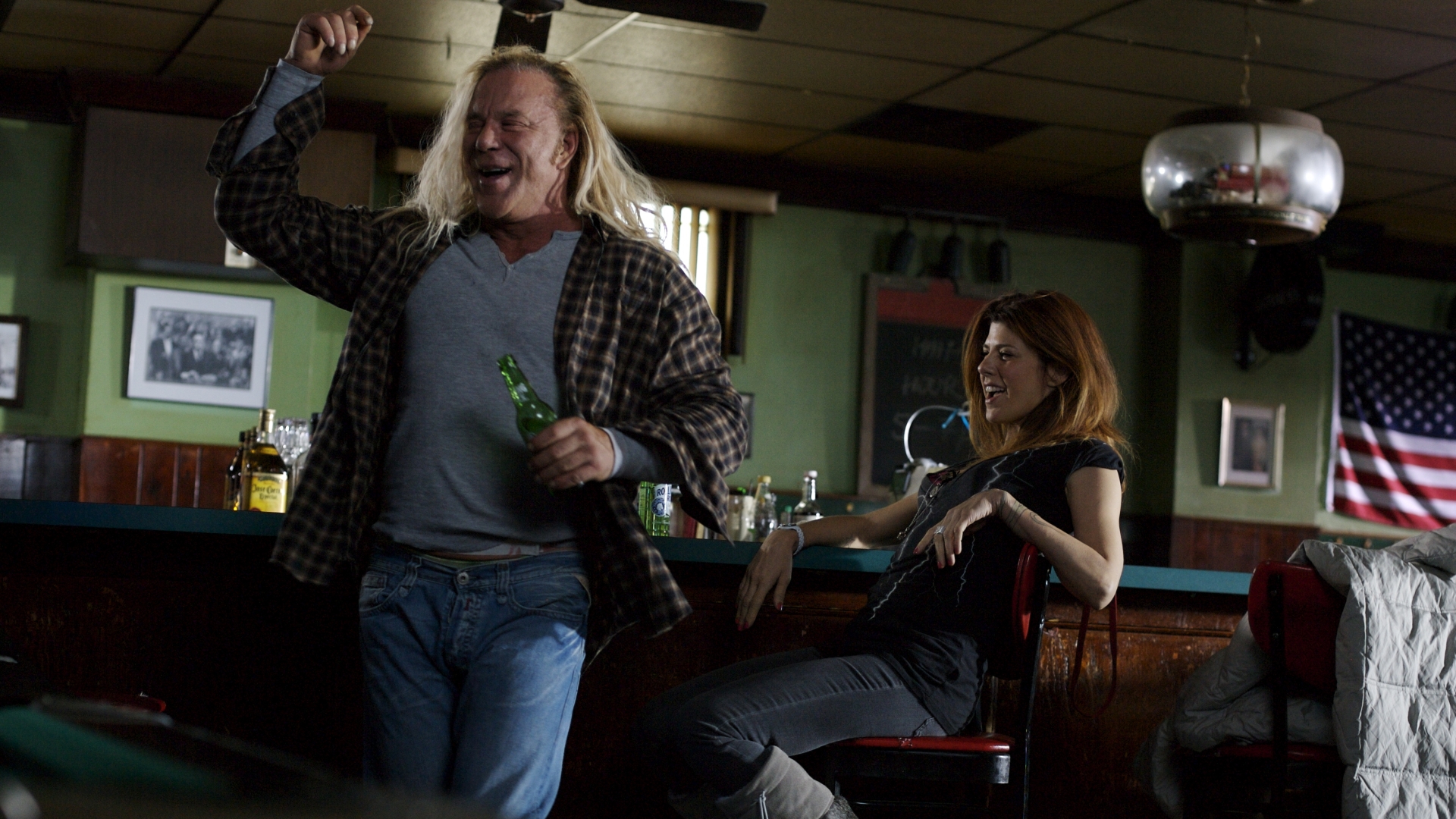
The work of a wrestler is not easy. As Aronofsky himself said, for him it is not a sport, since it is fake – it is more of a form of entertainment for which most of the wrestlers get a meager few dollars. And that is exactly what is shown in this film. The athletes inject themselves with whatever they can, before the fight they plan what each will do to the other, and the result? Who cares. What matters is that it looks good.
Our protagonist must come to terms with the fact that he will no longer be able to perform before an audience in the ring. For him, this is the end of the world, and when he hears these words from the doctor, he replies in disbelief: Doc, I’m a professional wrestler. Because what else could he possibly do with his life? The scene in which he comes to sign autographs for money is brilliant, with old wrestlers sitting beside him – one in a wheelchair, another with kidney problems. I have the impression that this was the moment when he began to wonder whether the same fate awaited him if he did not quit at the right time.
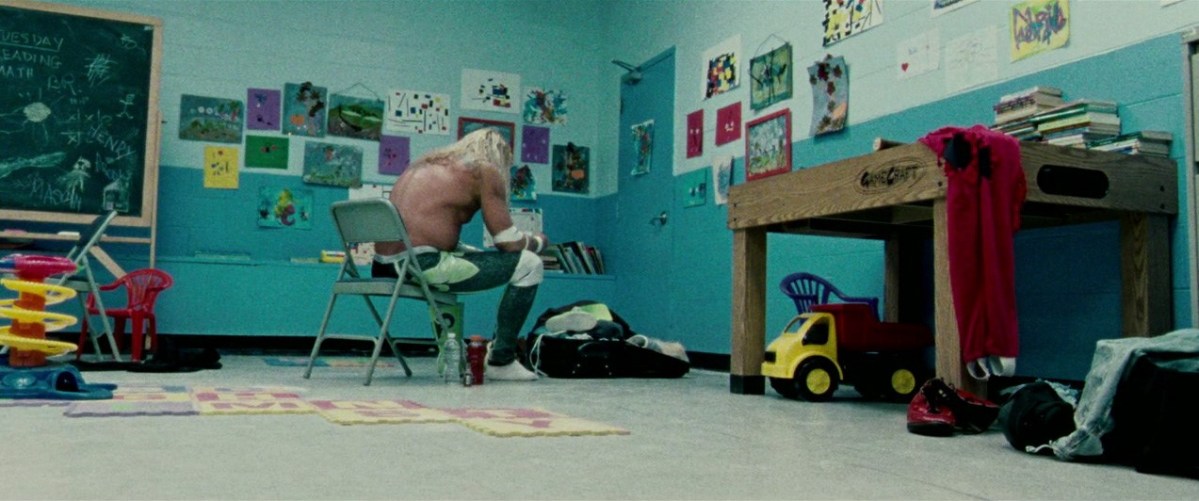
Working in the store was humiliating for him, but he had to take the job. Always in the spotlight, applauded by an excited crowd, and now – humiliated and degraded – he had to serve customers. His emotions are wonderfully depicted: how deeply he was tied to the wrestling world and how hard it was for him to free himself from the addiction to fame, the status of a legend, the sense of being something more. Yet from emotion we move to irritation when he tries to mend his relationship with his daughter – and in such a clumsy way that he only makes things worse.
That is when the climactic moment comes, when he realizes that the only thing he wants to do is perform in the ring. Nothing else matters to him. The best scene in the film takes place in the ring, when Randy addresses the audience before the final match. Reportedly, Mickey Rourke changed the original version of the monologue to make it more personal. Aronofsky accepted his suggestion, and the words spoken by the main character also reflect Rourke’s own career.
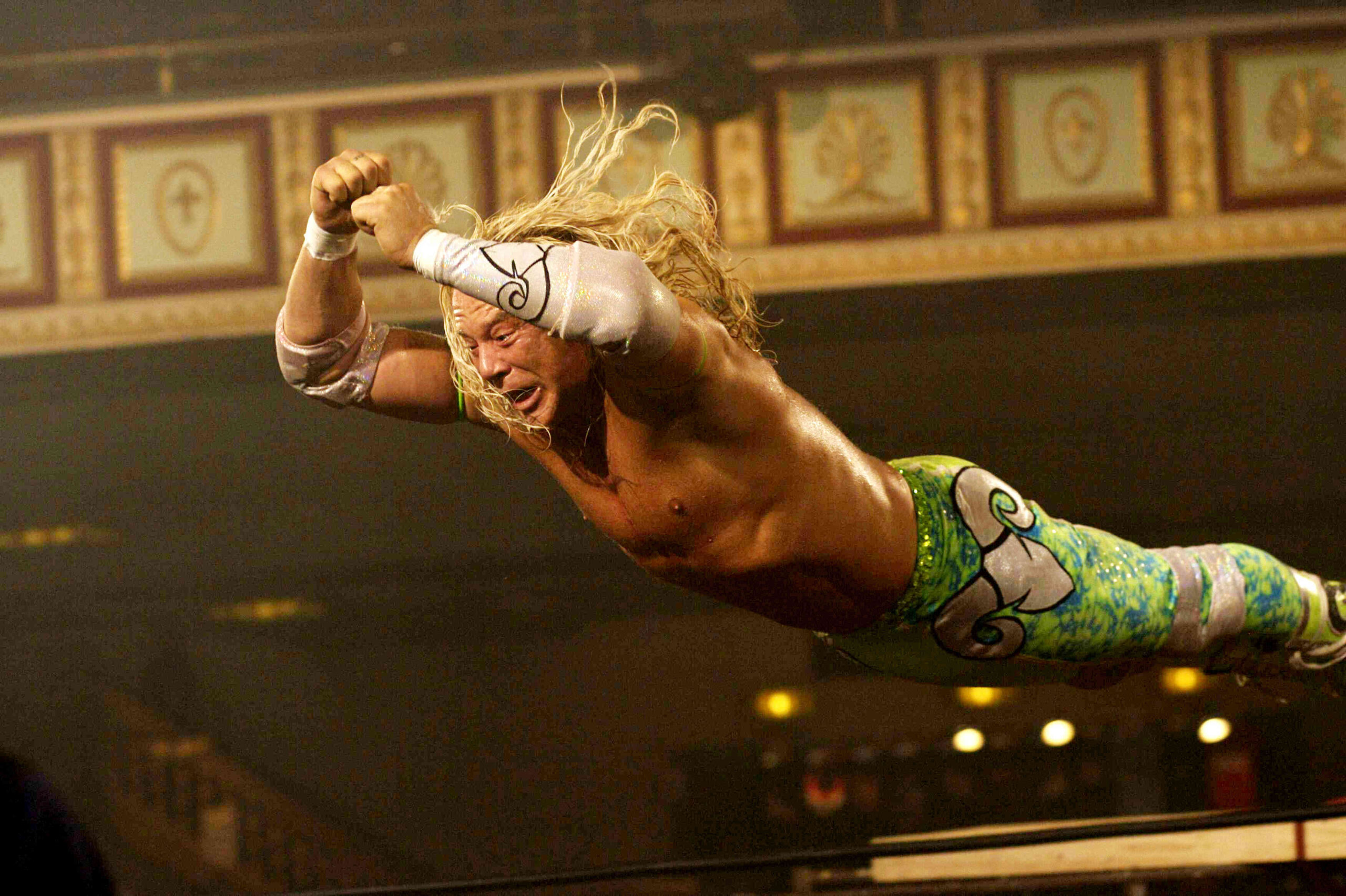
He gave a phenomenal performance, and the fact that he did not win an Oscar is one of the Academy’s greatest mistakes of that decade. After this film, his career took on a completely new character.
The Wrestler is, for me, the best film by the New York director. A brilliant picture of how a man reacts to changes in his life when he realizes that his youth is gone forever. On one hand, it is a very moving and sad film; on the other, it is extremely simple, honest, and free of cheap melodrama. The emotional realism with which Aronofsky portrayed the problem of an aging wrestler is astonishing.

