
Review
THE PLAGUE DOGS. Sad animation, intended more for adults.


In The Plague Dogs, Snitter and Rowf are two dogs held in a laboratory, subjected to constant, exhausting experiments. When not being tested on, they are forced to sit in cramped cages, occasionally fed with scraps. Rowf has resigned himself to this grim reality, expecting only the inevitable death from exhaustion. Snitter, on the other hand, still believes that something good awaits him in life—that one day he will be free. His dream is to belong to someone again, to have a new owner. His previous one died saving him, struck by a car. Rowf’s past remains unexplored. He has fully surrendered to the unfortunate course of events; he is passive and utterly worn down.
Fortunately, the two manage to escape the laboratory. The escape sequence is steeped in a dark, depressive tone. The empty corridors are filled with a chilling atmosphere, and the dazed, imprisoned animals they pass can genuinely terrify. It’s a masterclass in building a sense of danger. The tension lies somewhere between the alienation of a monster horror and the unease of a proper thriller (Martin Rosen even allows himself a visual nod to Repulsion in one shot). The laboratory itself is situated on a hill, surrounded by barren, rocky land, swept by wind and fog. The depressive, crushing mood spills off the screen from the very first minutes of The Plague Dogs.
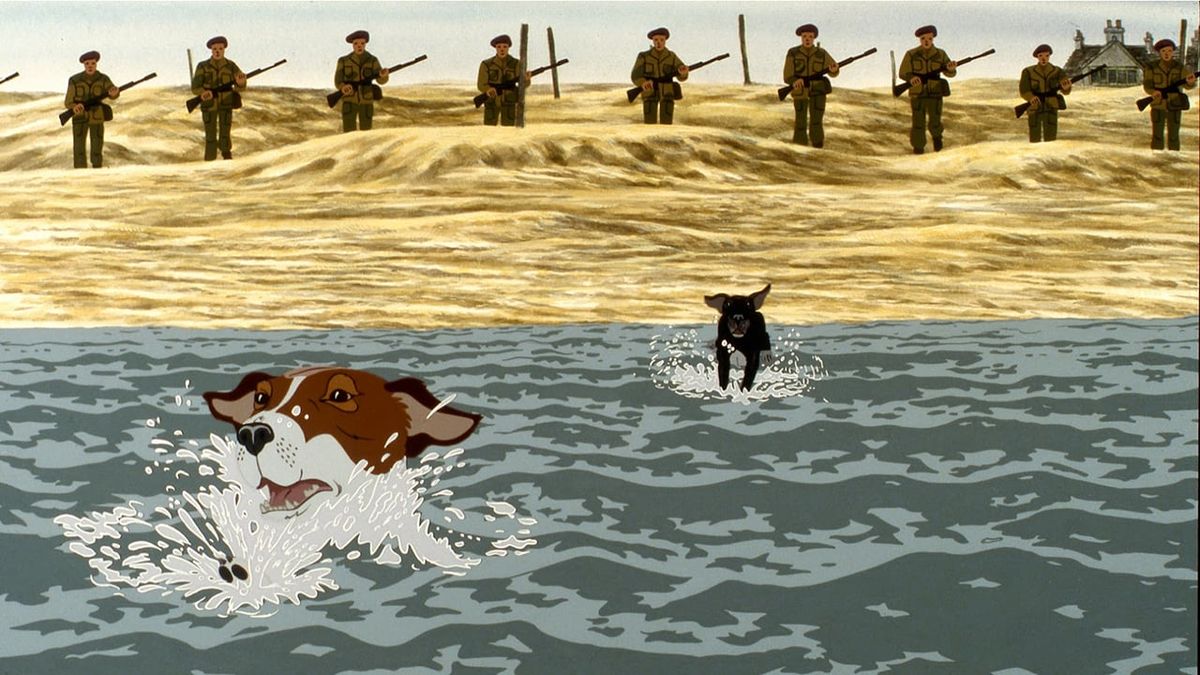
It seems there could be no worse place on Earth than that laboratory. After the opening sequence, viewers will likely share the same thought. Paradoxically, life in the wild turns out to be just as harsh for the two dogs. At first, Snitter and Rowf try in vain to find new owners. But after their long stay in the lab, they can no longer understand humans; their instincts drive them to flee at the slightest impulse, even if completely unfounded. A single sight of a grocer holding a knife is enough to send them bolting to the other side of town. Both dogs are marked by a trauma impossible to overcome.
Snitter and Rowf escape to the pastures. After some time, hunger forces them to make the decision to start hunting local sheep. Along the way, they find an ally—though it’s hard to say how positive a figure he is—a fox named Todd, who teaches them the tricks of his criminal trade. By killing more sheep, the two dogs effectively sign their own death warrant, and the shepherds organize hunts to catch them. But their greatest enemy is the approaching winter. Obstacles keep piling up in their path. Fate shows them no mercy for even a moment. Every decision they make leads to new troubles and doubts. These bring not only direct physical danger but, more importantly, erode their morale and deepen their despair.
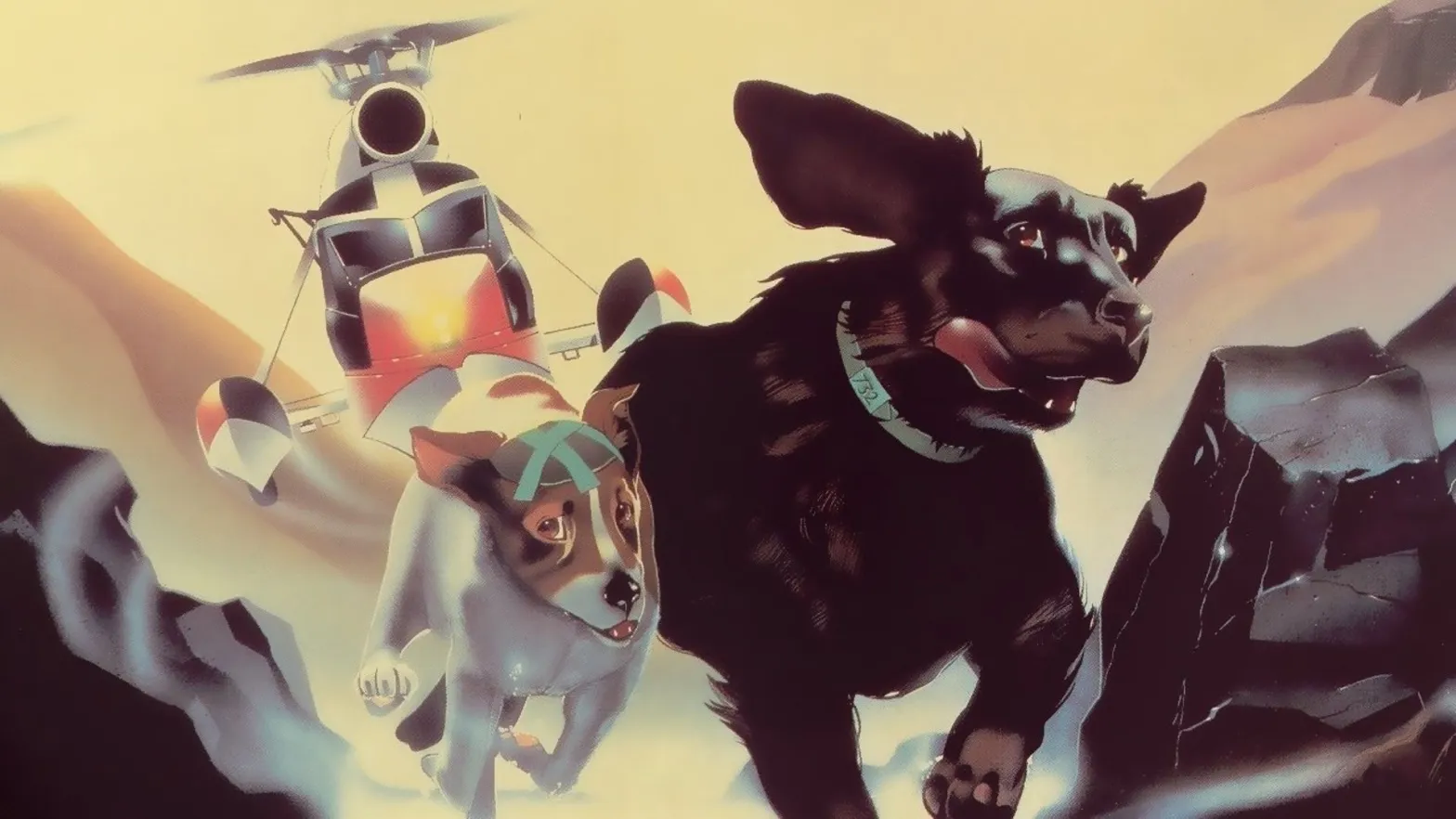
The Plague Dogs is a metaphorical film. Snitter and Rowf are victims of an unfortunate chain of events that has driven them to the brink of destitution. The sequence of events and its tragic logic can easily be transposed onto real human phenomena. A person is first excluded, then—left without help—resorts to breaking the law simply to survive. In the face of basic survival instincts (keeping warm, satisfying hunger), ethical codes lose their power, and the penal code matters even less. A person who was once an innocent victim of the system turns into an anonymous nuisance to be eliminated as quickly as possible.
Martin Rosen delivers a sharp diagnosis of the absurd cycle that so effectively generates crime and homelessness. The director puts forward a clear, strong, and deeply empathetic statement: sometimes, this is the only way out.
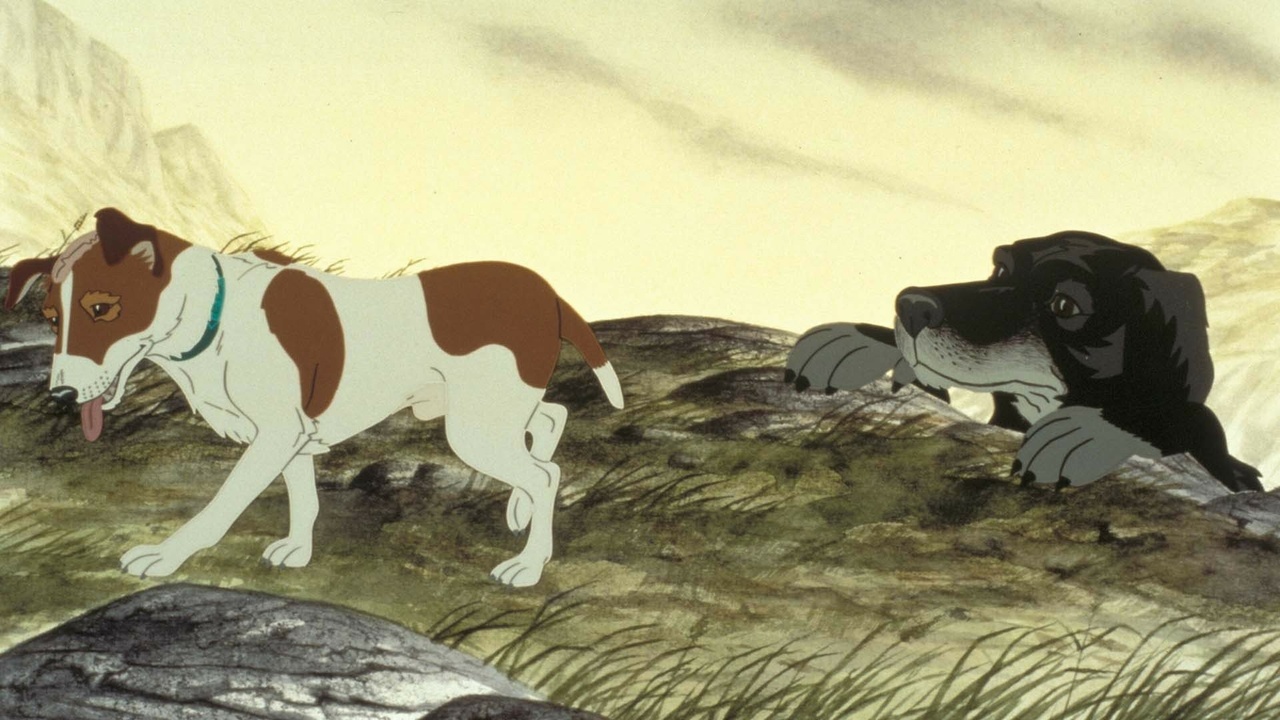
Rosen’s film is a sad animation, intended more for adults. It lacks any humor or moments to breathe. The world is shown in muted colors and shades of gray, the sky permanently covered by heavy rain clouds, with no sunlight ever breaking through.
The Plague Dogs is a complete and truly brilliant piece of cinema. The final scene, filled with bitterness and doubtful hope, offers little comfort. Its delicate echoes resemble the equally unsettling, open ending of The 400 Blows by François Truffaut. For the two good dogs—and for the audience—the only solace comes from the haunting verses of Alan Price’s closing ballad:
“I don’t feel no pain no more
I’ve left this cruel world behind
and I’ve found my peace of mind
I don’t feel no pain no more.”
Sadly, there was never a chance for anything more.


Looking back at DEAD SNOW: A Blizzard of Nazi Gore Fun

DEAD SUSHI: Exotic, Spicy, and Wildly Entertaining

Revisiting ALICE, SWEET ALICE: Dread and Religious Symbolism

PUPPET MASTER: LITTLEST REICH – Achtung! It’s Good!
