
Review
THE NIGHT MANAGER: Thrilling TV Experience; Brilliant Acting
It’s worth watching The Night Manager if only to see what kind of spy—not necessarily a 007—Tom Hiddleston would make. Thrilling experience.

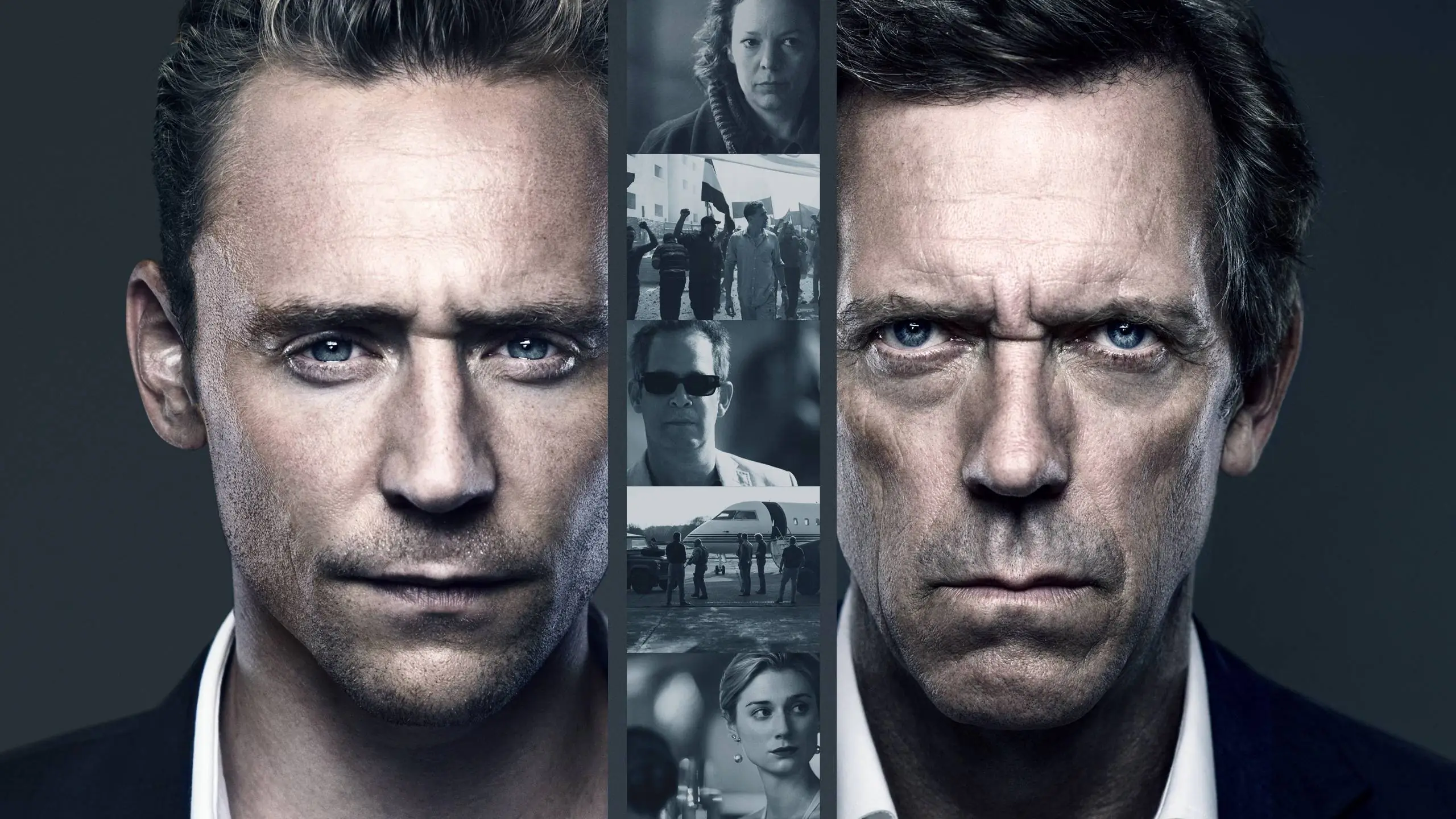
Tom Hiddleston has been in the spotlight for quite some time now. Mainly because, as Loki, he swiftly won the hearts of viewers in The Avengers. Recently, though, he’s been talked about a lot in the context of the next James Bond films—Daniel Craig stepped down from the role, and many people would like to see Tom Hiddleston become the new 007.
Some are already tired of him, some adore him, some think he’s a great fit for Bond, while others say absolutely not. Among other reasons, it’s precisely because of these ongoing debates that it’s worth watching the series created by BBC, AMC, and The Ink Factory. It sounds complicated, but The Night Manager, as it’s called, is a six-episode miniseries adapted from John le Carré’s spy novel The Night Manager.

Besides Tom Hiddleston, the series stars (but not only) Hugh Laurie and Olivia Colman. As it happens, I adore all three. Hiddleston made me slightly more interested in Marvel, comics, and superheroes in general. Hugh Laurie, although great in House, completely charmed me primarily in Blackadder. Olivia Colman, though she’s been appearing in various productions for quite some time, has stolen many hearts, including mine, with her role in Broadchurch.
To be honest, I’m not a fan of spy stories, but any one of these names would have been enough to draw me in.

The creators of the series moved the action from the 1990s to 2011—specifically to the day when Egyptian president Hosni Mubarak stepped down. In the first episode, they outline the political backdrop, which later fades into the background—the story is almost entirely focused on Jonathan Pine (Hiddleston) and Richard Roper (Laurie). Pine, the night manager at the Nefertiti Hotel, passes confidential documents to British intelligence—documents obtained by one of the hotel’s residents.
These papers reveal that an English philanthropist—Roper—is the intermediary in a large arms and equipment deal. Because [spoiler!] and [potential spoiler!], Pine decides to foil Roper’s plans and stop the shipment.

Let me be blunt—I understand where the Bond comparisons come from. After all, this is also a spy story. But in The Night Manager, there’s not even a trace of that Bond vibe.
Sure, there’s a lot of sea and beautiful views with palm trees, there’s Mallorca, there’s Marrakesh, and there are some chases—but that’s probably not enough. The action unfolds slowly. There’s no spectacle of special effects—except for one, completely justified by the plot. This is a cold, calculated battle of minds, an intellectual chess match. And Bond usually focuses on various villains, criminals—Pine is out to take down one man.

The acting in the series is excellent, but it’s Hugh Laurie who truly stands out. And I don’t mean that he’s doing something different than House—I’ve seen him in plenty of productions where he wasn’t playing a grumpy doctor. What I mean is that Laurie doesn’t overplay it in any direction. It would have been easy to make Roper either a charming rogue or a ruthless killer. And while he certainly is a ruthless killer, we understand that from his actions, not from Laurie’s performance. He holds back; he doesn’t smile too much, and even when he has his moments, it’s hard to say he’s a charming guy.
The charming one, as always, is Tom Hiddleston, along with Olivia Colman. The three of them completely own the screen—the rest didn’t stand a chance in this clash. Especially, in my opinion, the rather bland Elizabeth Debicki as Roper’s wife, Jed. That could have been a really interesting role—she had more screen time than Colman, yet still didn’t manage to break through at all.

The episode structure is simple, and the characters (especially the main ones) are either good or bad.
Roper, described by one character as the worst man in the world, doesn’t bother explaining his motives to anyone; he cheats relentlessly, manipulates, deceives, and schemes. There’s really no room for doubt—he’s a cold, ruthless man who won’t hesitate to kill or torture a woman if that’s what it takes to achieve his goals. Pine and Burr are the good guys, looking out for the greater good. Fate throws more obstacles in their path than in Roper’s, but failure is not an option. This black-and-white view of the world could have been irritating, but I think it actually works in favor of the series here. The most important thing was the intrigue—the nets Pine and Burr set for Roper.
Watching that unfold was thrilling; at times, I wished the seconds would pass faster, just so I could finish the episode and know what happens next.
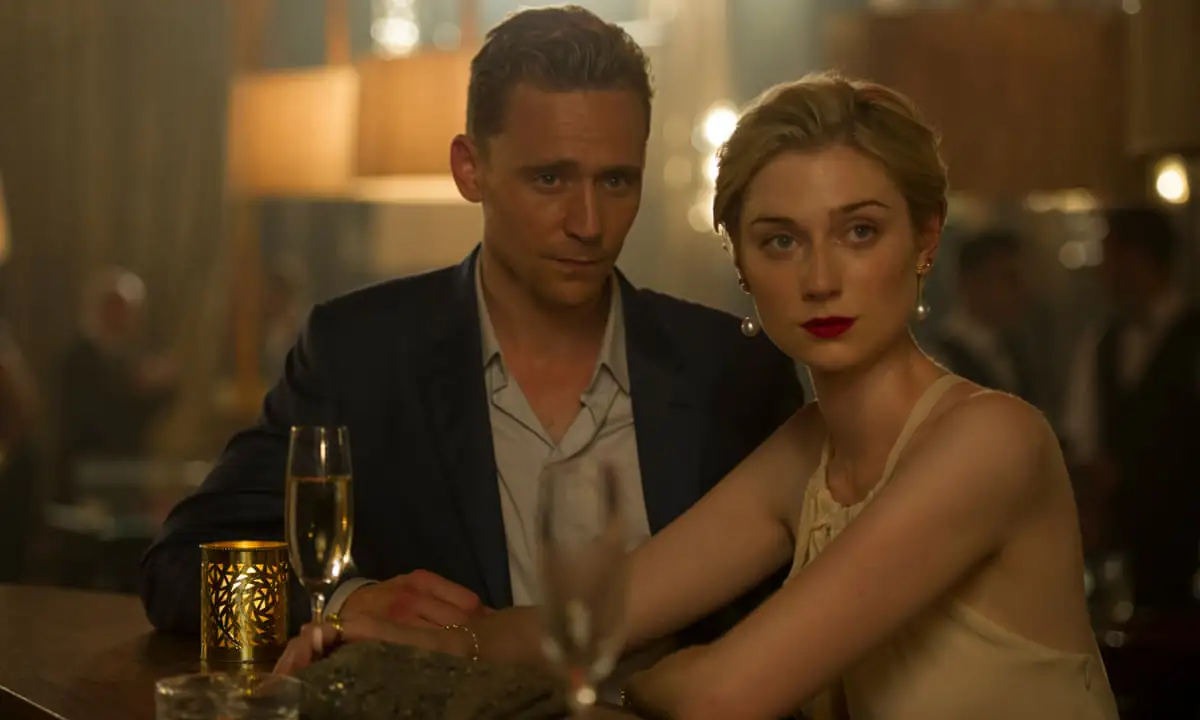
And I’m not alone in such a high opinion of this series. Already there are voices calling for a second season. But I hope the British will show some common sense and restraint. I understand the temptation, but it’s obvious that the more you produce, the worse the quality tends to get. And The Night Manager wrapped up almost every thread perfectly; it was brilliantly shot, brilliantly acted, brilliantly written, and brilliantly convinced a lot of people that Hiddleston should be the next Bond.
I wish that for myself, for his fans, and for him—he’s already shown what he can do, and in The Night Manager, he proved once again that he’s got a lot of talent. It’s worth watching this series if only to see what kind of spy—not necessarily a 007—Tom Hiddleston would make.

