
Review
THE ILLUSIONIST. Delicate, Balanced Cinema

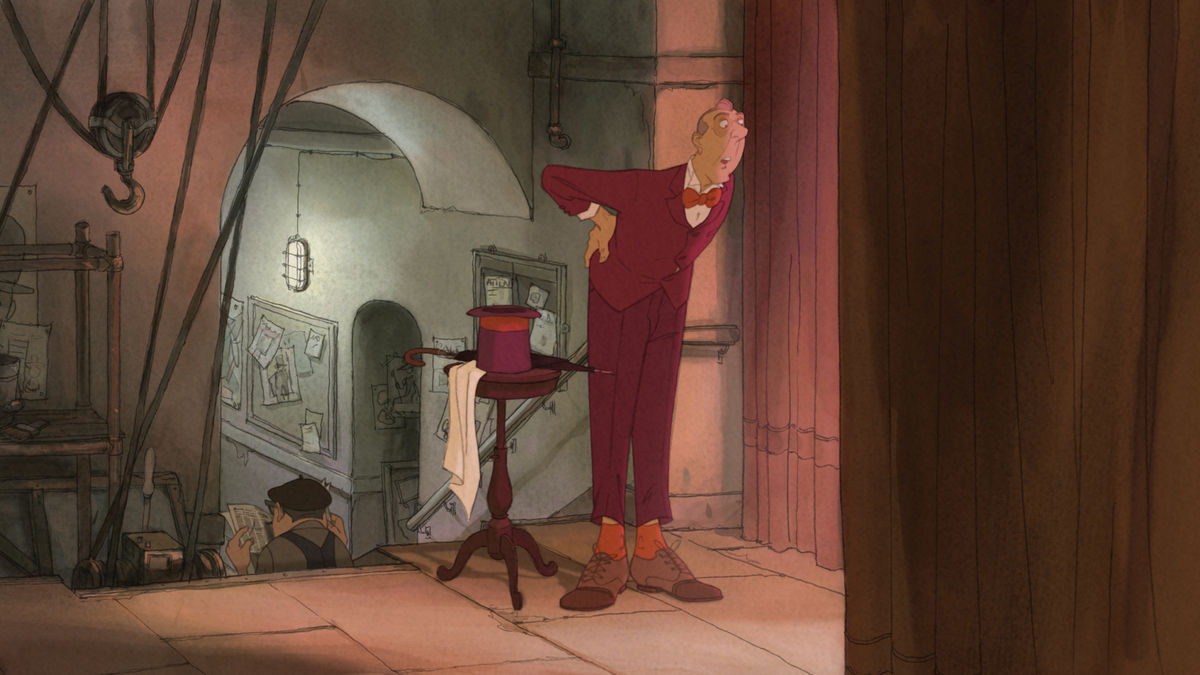
Sylvain Chomet’s earlier animation, The Triplets of Belleville, is a very peculiar film. It is an almost dialogue-free, absurd story built on caricature and exaggeration, often shrouded in enigmatic symbolism. Above all, it treats its characters in a surprisingly detached and cold manner. Chomet doesn’t explore their psychology or motivations. His characters do not suffer, long, or rejoice—their facial expressions remain unchanged. Such was the key figure of The Triplets of Belleville: the cyclist kidnapped during the Tour de France. Chomet stripped him of his humanity, turning him into something resembling an animal that blindly follows commands—indifferent to everything, expressing neither resistance, frustration, nor satisfaction. The Triplets of Belleville was emotionally hollow, yet visually captivating and intriguing. Seven years later, in The Illusionist, Sylvain Chomet gave us something much richer.
This is a film not only with remarkable formal artistry but also with a deeper, more engaging story. He remains faithful to traditional hand-drawn animation and to his distinctive visual style. He uses the same color palette—muted, grayish tones. His animation has the texture of an old coloring book that’s been lying for decades in a dusty French basement: the image has lost some of its sharpness, the colors have faded, and the dust still seems to veil certain fragments. This stylistic choice gives Chomet’s films their aura of nostalgia and retro charm.
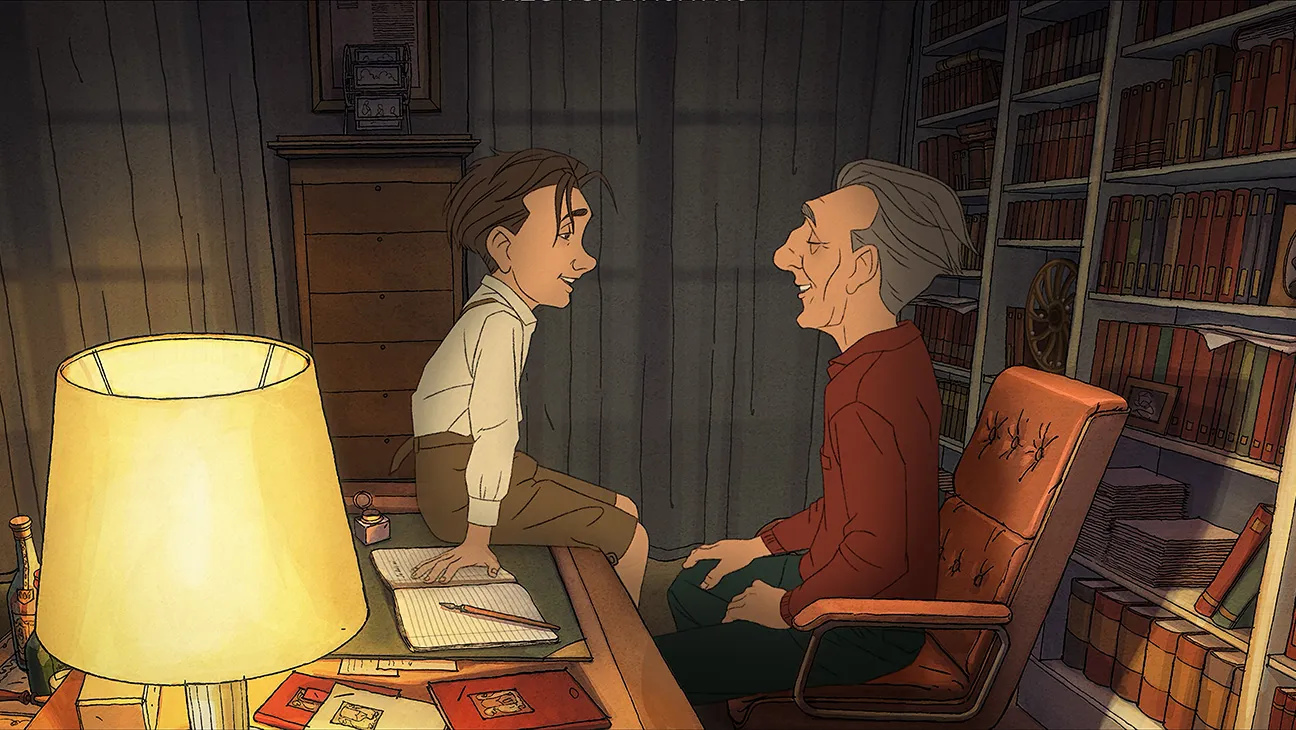
The Illusionist employs the same visual storytelling language. The image is what matters most—Chomet limits dialogue to the absolute minimum. It’s almost pantomime, a silent film. A very particular kind, since not only does the director rely on visuals to carry the narrative, but the characters themselves don’t need words to communicate. Everything is expressed through posture, gesture, or a fleeting expression. That is the essence of Chomet’s cinematic style.
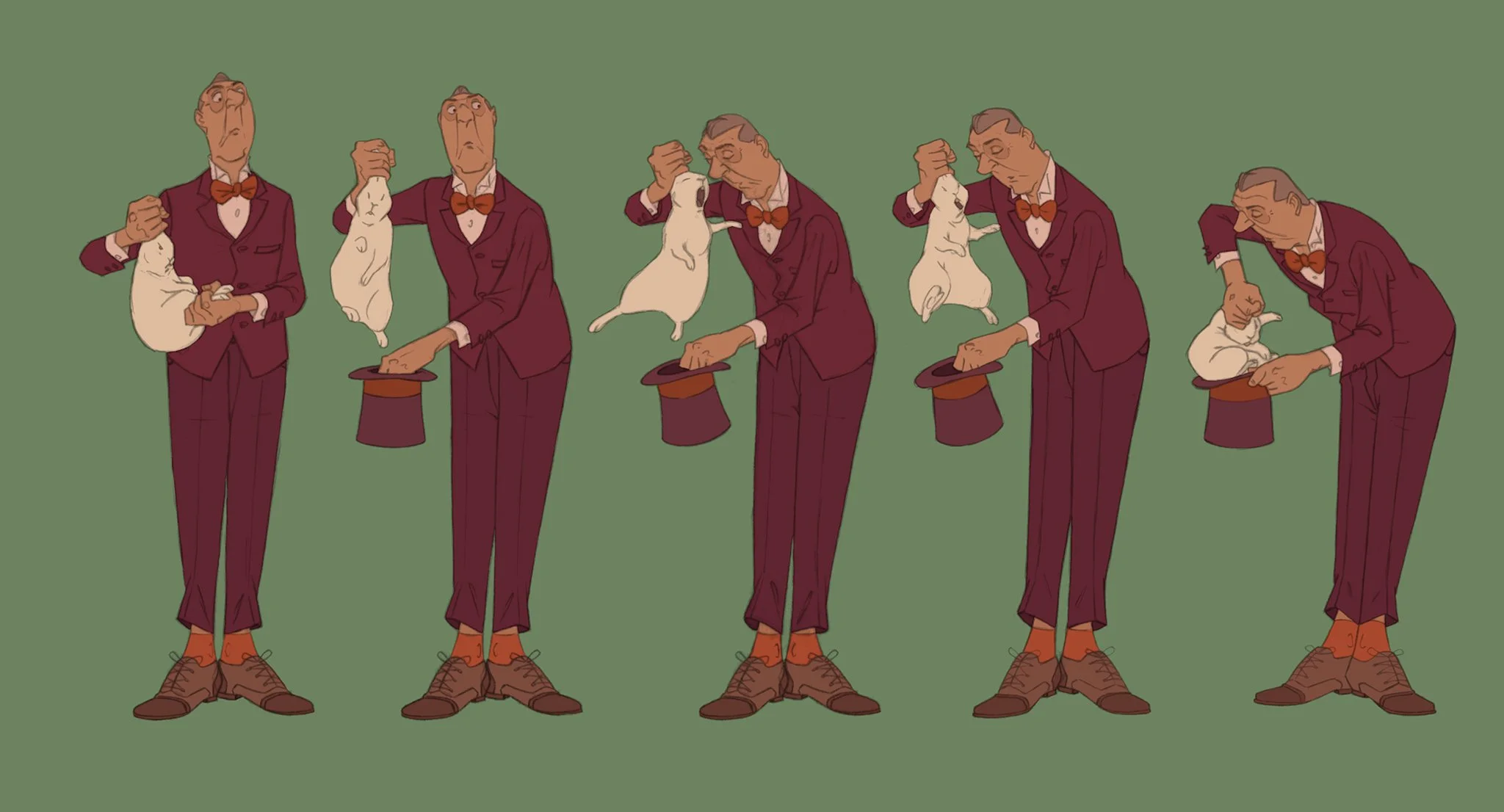
In The Illusionist, however, another crucial aspect emerges. Chomet based his animation on an unproduced screenplay by Jacques Tati. The film is steeped in the atmosphere of Tati’s Monsieur Hulot films. It’s a remarkably similar world, transposed into the realm of animation. The charm of Tati’s cinema lingers over it, and The Illusionist can almost be seen as a false biography of the French master. Its protagonist—wearing the familiar hat and carrying the trademark umbrella—is Jacques Tatischeff (which was in fact Tati’s real surname), an aging magician endlessly repeating the same tricks, now failing to attract much attention.
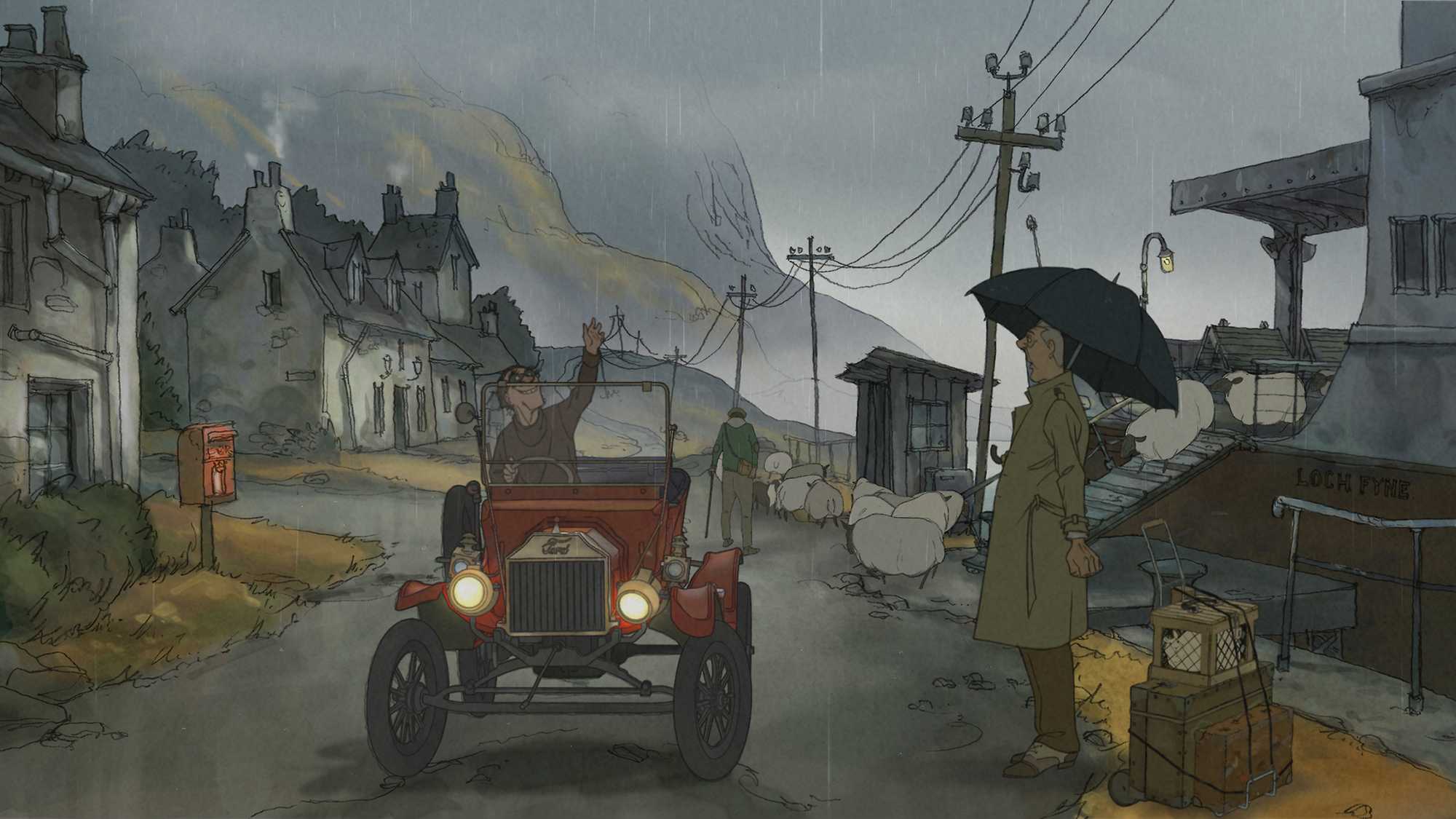
Tatischeff is dismissed from a Paris cabaret. He packs his belongings into two suitcases and sets off in search of work. First, he arrives in London, but fails to find employment there as well. He doesn’t achieve success, but one audience member invites him to perform in a small provincial Scottish town. Tatischeff is a loner and a free spirit, a man with no real needs or ambitions. He simply goes wherever the wind takes him.
In Scotland, he catches the eye of a young girl working in the pub where he performs. Soon after, Tatischeff leaves the town to try his luck in Edinburgh, unaware that the girl, Alice, follows him—enchanted by the magician’s abilities. For her, he represents a chance to see the wider world, a glimpse of a better future; he will probably become her first real friend.
At its core, The Illusionist is a story about the friendship between these two. Tatischeff is surprised by her company but doesn’t try to avoid her. Over time, he begins to care for Alice, giving her small gifts (despite his financial hardship) and trying to fulfill her wishes. He becomes a father figure, a gentle protector. She, in turn, offers him warmth and affection—something the poor illusionist seems never to have experienced before. It’s a story told with great subtlety and sensitivity, rich in nuance and psychological detail.
Where The Triplets of Belleville was emotionally barren, here Chomet demonstrates an ability to evoke empathy and tenderness. The Illusionist is filled with lyrical moments and a quiet, understated optimism. The open ending is especially beautiful. On the surface, not much happens in terms of plot—this is a sparse, minimalist tale. Yet when we part ways with the characters, we feel that both have changed profoundly. In ending the film, Chomet in fact opens a new chapter.
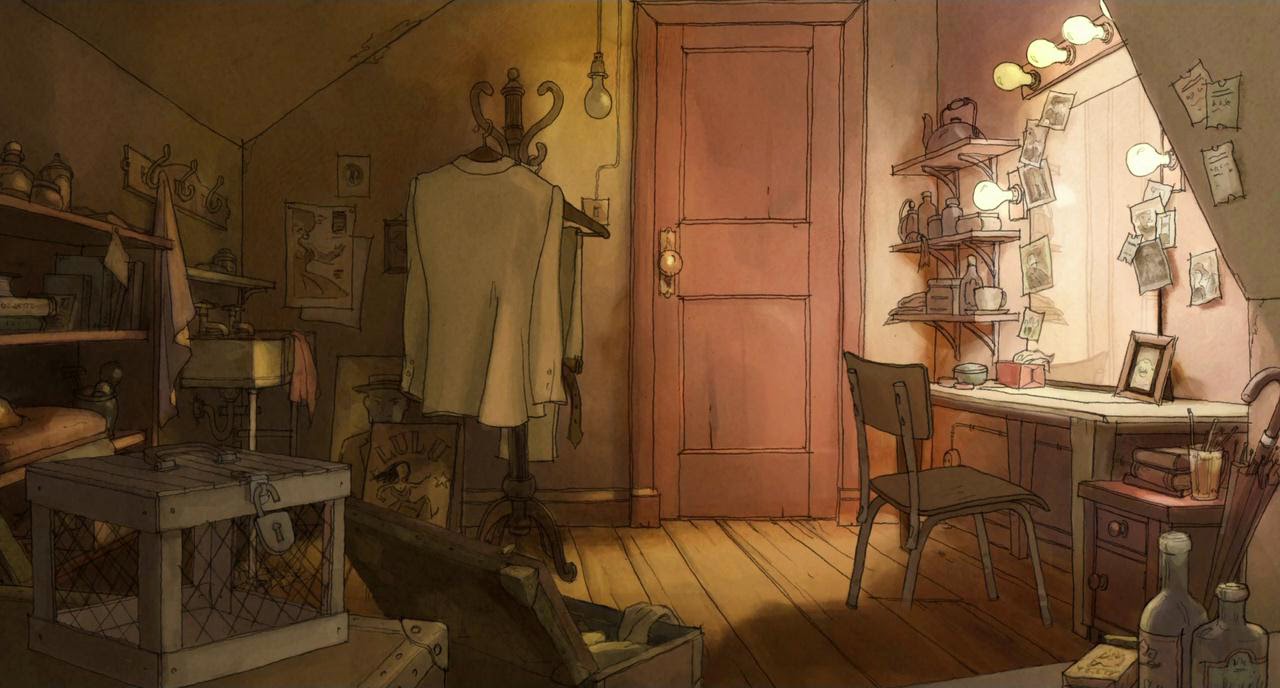
The Illusionist is delicate, balanced cinema—slow, atmospheric, and restrained. It avoids exaggeration and overstatement, whether in the portrayal of its characters or its world. Chomet largely adheres to a realist convention. There is a kind of elusive magic in his film—not the kind that appears on stage during Tatischeff’s performances, but the one that quietly arises in the simple affection between two lonely souls. Sylvain Chomet achieved a triumph here: he accomplished so much using so very little.

