Horror Movies
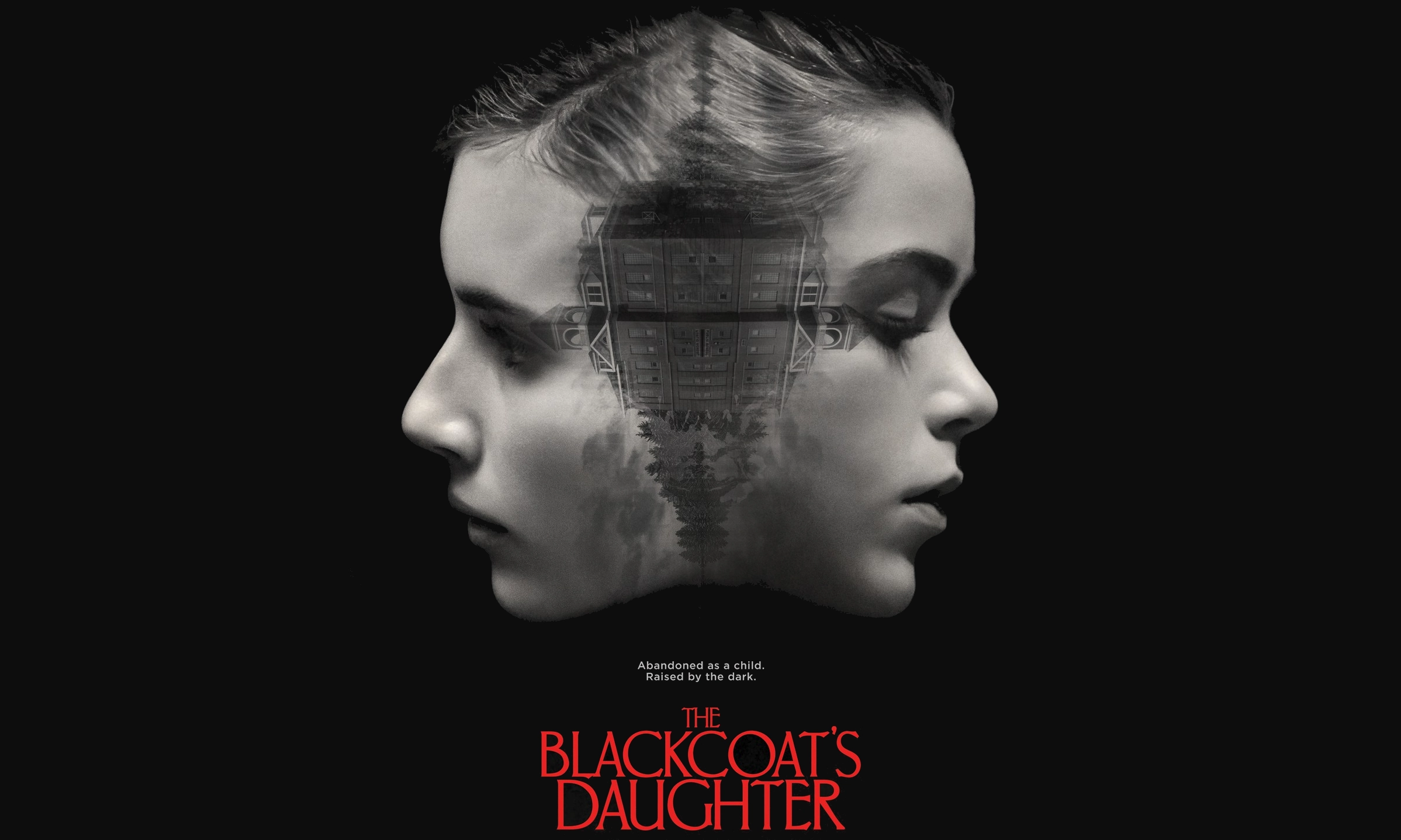
THE BLACKCOAT’S DAUGHTER Revisited: Almost Perfect Debut
The Blackcoat’s Daughter will most appeal not to those viewers who are satisfied with atmosphere more than content, but to enthusiasts of the dark side of human nature.

Here is a horror film that, instead of frightening the viewer with conventional methods, prefers to evoke unease and shock, not necessarily through bloody scenes. These do appear, serving more as a punchline to the whole than as an attraction, but what matters most in The Blackcoat’s Daughter is the atmosphere of progressing madness, the mind’s capitulation to the unknown and to evil.
Unfortunately, at a certain point I, too, capitulated — Osgood Perkins’s directorial debut is a stylistically well-thought-out work, shot with an exceptionally confident hand, but what does that matter if this journey into darkness is simply tedious?

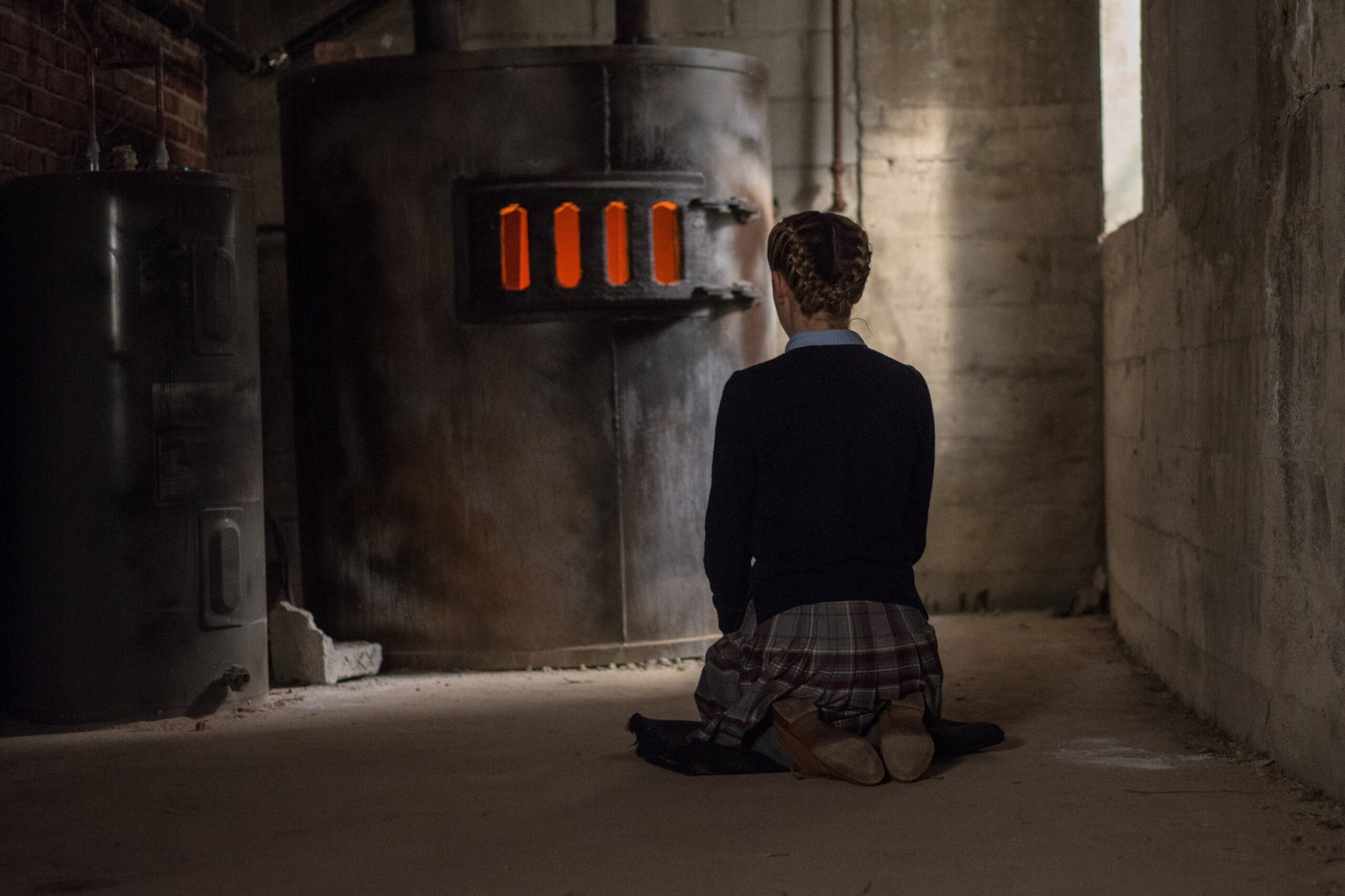
A girls’ school in Bramford. After everyone has left for winter break, two students are forced to remain in the dormitory for one more day before their parents come to pick them up. Rose is not particularly pleased about having to take care of her younger friend, all the more so because she must deal with the suspicion that she may have become pregnant.
Kat, meanwhile, has a premonition that something bad has happened to her parents, and during Rose’s absence she begins to behave somewhat strangely. At the same time, we observe a third girl, Joan, and her journey to Bramford in the company of a married couple she meets along the way, who are also headed there.

Perkins turns his plot into a puzzle of seemingly random elements which are interconnected in ways that are not always clear or legible. He plants clues concerning a possible threat, avoids unambiguous answers about the motivations behind some characters’ actions, and focuses our attention on the vague conviction that whatever awaits at the very end of the story will not be pleasant for the protagonists.
And for quite some time this works, because the director (also the film’s screenwriter) is able to create a suitably ominous mood without resorting to visual showiness or one-off attempts to scare the viewer.

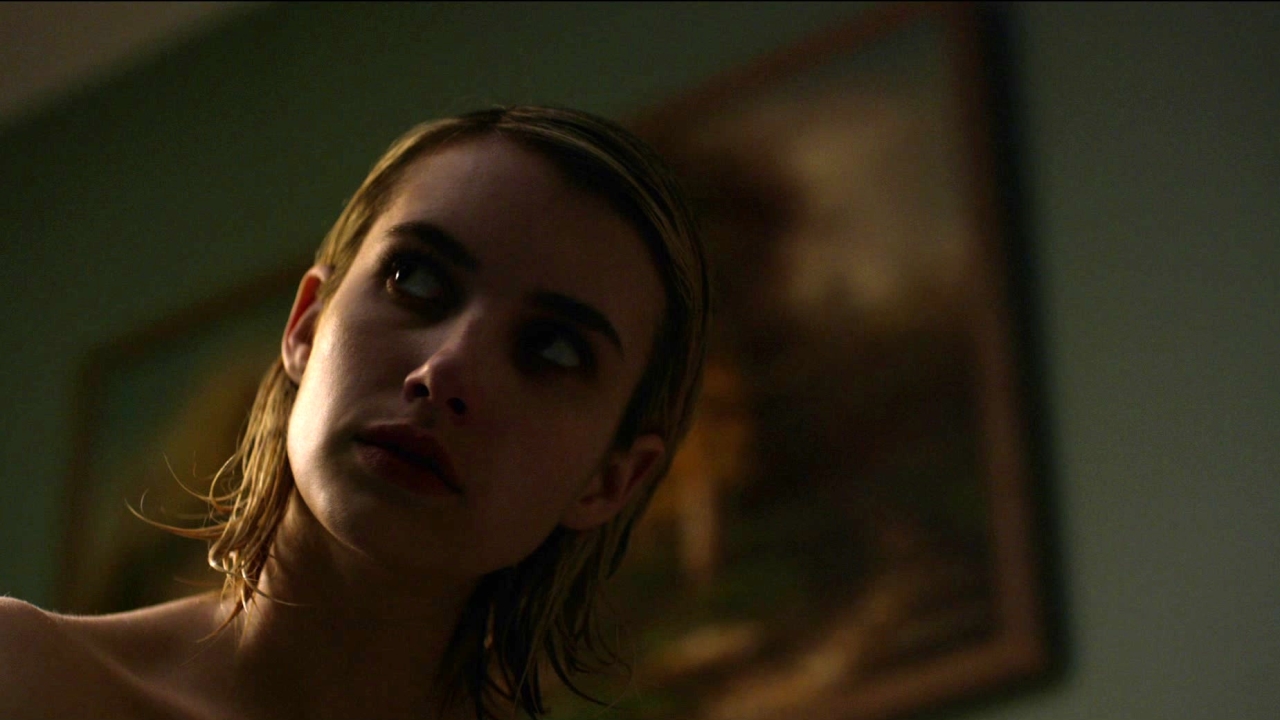
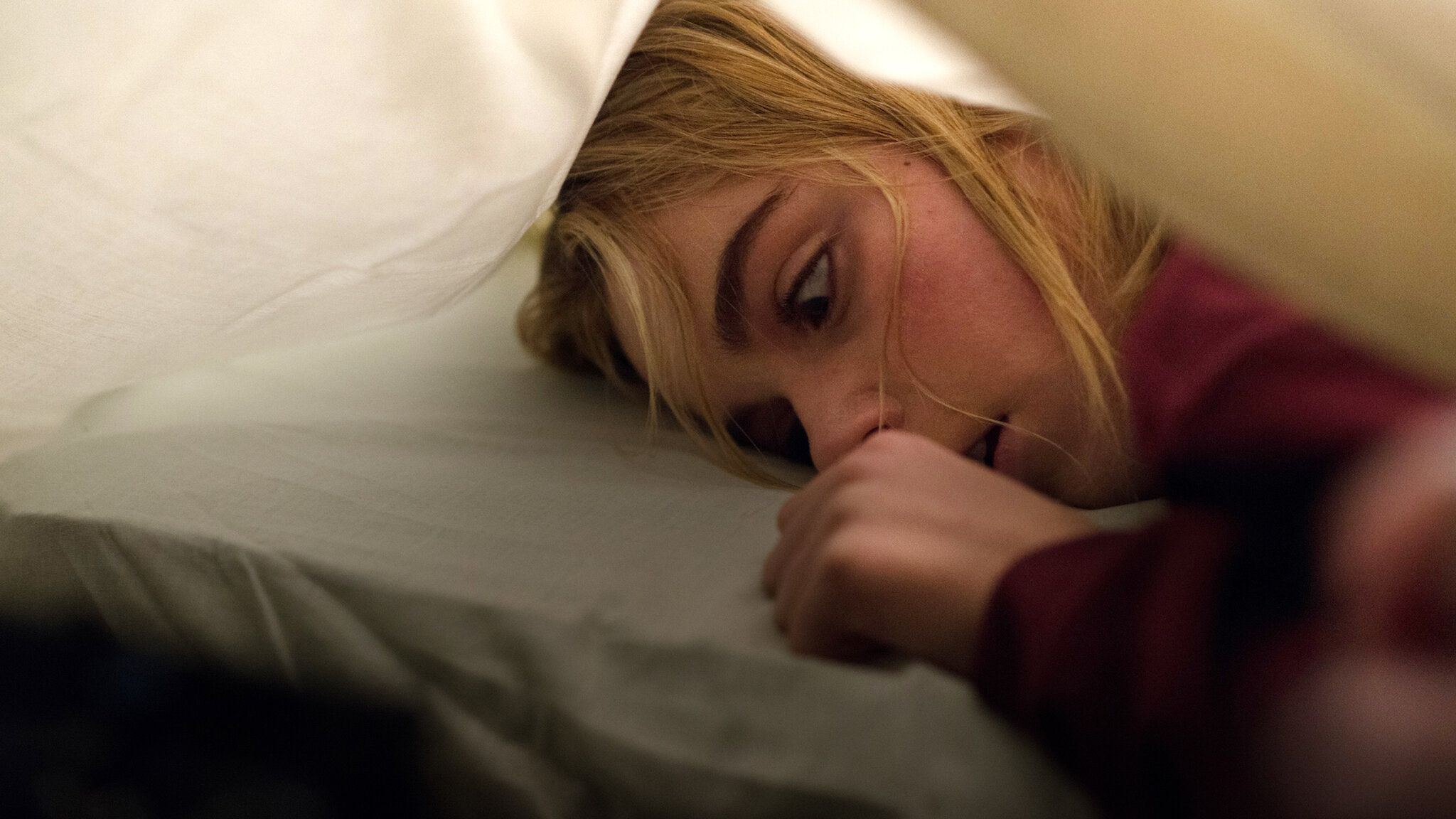
He trusts the shots of the snowbound school, the cold seeping from the screen, and the trio of actresses in the leading roles. Kiernan Shipka (Kat), Emma Roberts (Joan), and Lucy Boynton (Rose) skillfully adapt to Perkins’s style, turning their characters into impenetrable figures while themselves not knowing how horror will enter their lives.
The moment, however, when one of the mysteries is revealed (decidedly too early), the rest of the film becomes rather difficult to watch, as we quickly realize the obviousness and inevitability of the resolution. And Perkins’s devices do not help here: he diversifies the narrative through repeated flashbacks and jumps forward, as well as three different perspectives that are meant, in the finale, to give us the full picture of the situation.
The very slow pace of the film also does not work in the screening’s favor, although it seems to stem from the filmmaker’s temperament, as he does not attempt to invigorate this story in a single scene. The Blackcoat’s Daughter is difficult to treat as a failure on Perkins’s part as a director, because his work, cold and cruel, finds its greatest appreciation precisely in its aesthetic framework — even if it strikes us as rather pretentious — which prioritizes an unpleasant and exhausting character over narrative logic.
The screenplay itself, however, offers nothing beyond the suggestion that the titular evil may be the result of tension suppressed within a godless human being, caused either by studying at a Catholic school or by the genuine activity of infernal forces. The killer’s face resembles the soulless, emotionless mask of Michael Myers, and the stabbings he delivers to his victims recall the rawness and suddenness of the attacks in Psycho.

And this is hardly surprising — Osgood Perkins is the son of Anthony, the famous Norman Bates. If he inherited anything from his father, it is certainly proficiency in handling a knife. I would like to be more lenient toward his first film, but I cannot.
I Am the Pretty Thing That Lives in the House, his second feature (as The Blackcoat’s Daughter circulated through various festivals for nearly two years before finally being distributed), would have been excellent material for a half-hour film, but stretched to feature length it became a boring experience, an artistic horror in which the most frightening element is precisely that artistry. In this respect, the debut should be considered a much better work, as it at least possesses a plot for an hour.
The Blackcoat’s Daughter will most appeal not to those viewers who are satisfied with atmosphere more than content, but to enthusiasts of the dark side of human nature; to those who will find themselves in the very description of the situation, devoid of answers to the seemingly most important question — why.
The film’s final shot does not suggest at all that we have reached the end; quite the opposite. That fulfillment in evil is just as illusory as the attempt to be good at every given opportunity. Illustrations of both of these attitudes resonate in Perkins’s work like a bitter joke. It is a terribly bleak film, though for that one thing it is difficult to criticize it.