
Review
STRANGE WORLD. Sprawling Fantasy Adventure

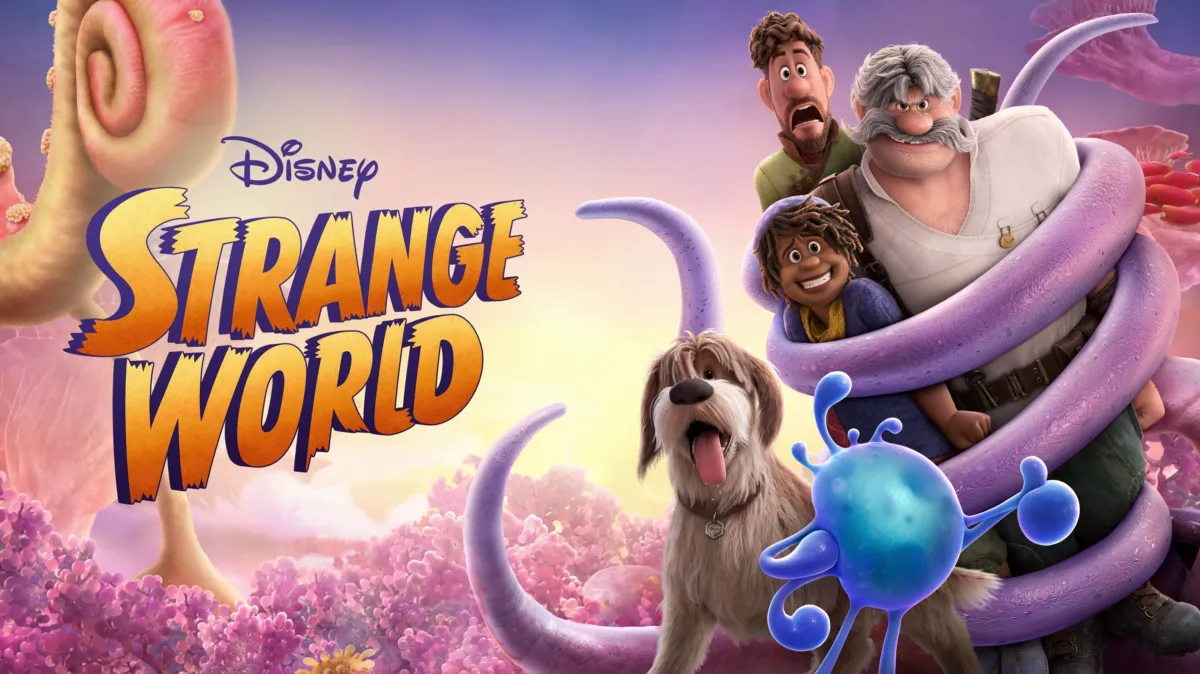
Cinema has always had a particular fondness for dramatic moments of parting—between friends, lovers, or a mentor and their pupil. Don Hall’s Strange World (Big Hero 6, Raya and the Last Dragon) hits this emotion right from the opening. Jaeger Klan is a muscular adventurer, explorer, and thrill-seeker. He loves life on the edge, climbing mountain peaks, and pursuing the unknown. His home is a tent pitched somewhere in a remote wilderness or a makeshift hut deep in the jungle. He has seen much, yet he has not fulfilled his ultimate dream: crossing the majestic mountains that surround his native Avalonia.
His teenage son, Oskard, accompanies him on these expeditions mostly out of courtesy: he values stability far more than risk, always choosing caution over recklessness. Above all, he believes in caring for and nurturing what one already possesses, rather than blindly chasing the unknown.
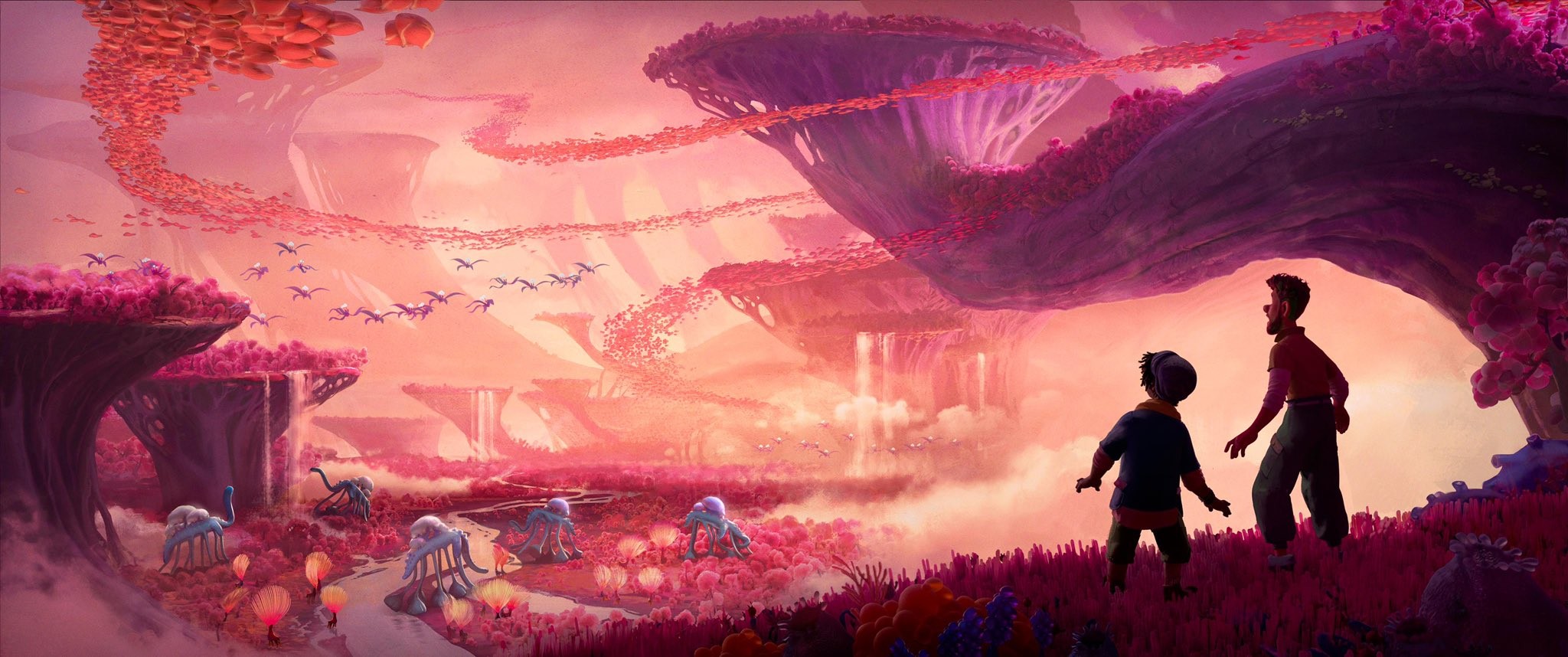
Jaeger eventually takes a few steps too far. Meanwhile, Oskard notices a magical, electrically charged plant along the trail and refuses to go further.
“Dad, let’s stop. We’ve found something incredible; it’s time to go home.”
“No, son, we are explorers, not gardeners!”
The tension thickens, and the clash of interests leaves no room for compromise. Father and son must part ways. Dramatic logic, however, is relentless. Their paths will cross again, but in a completely different context—and only after the story leaps several decades forward from the prologue. So much must change for everything to remain the same.
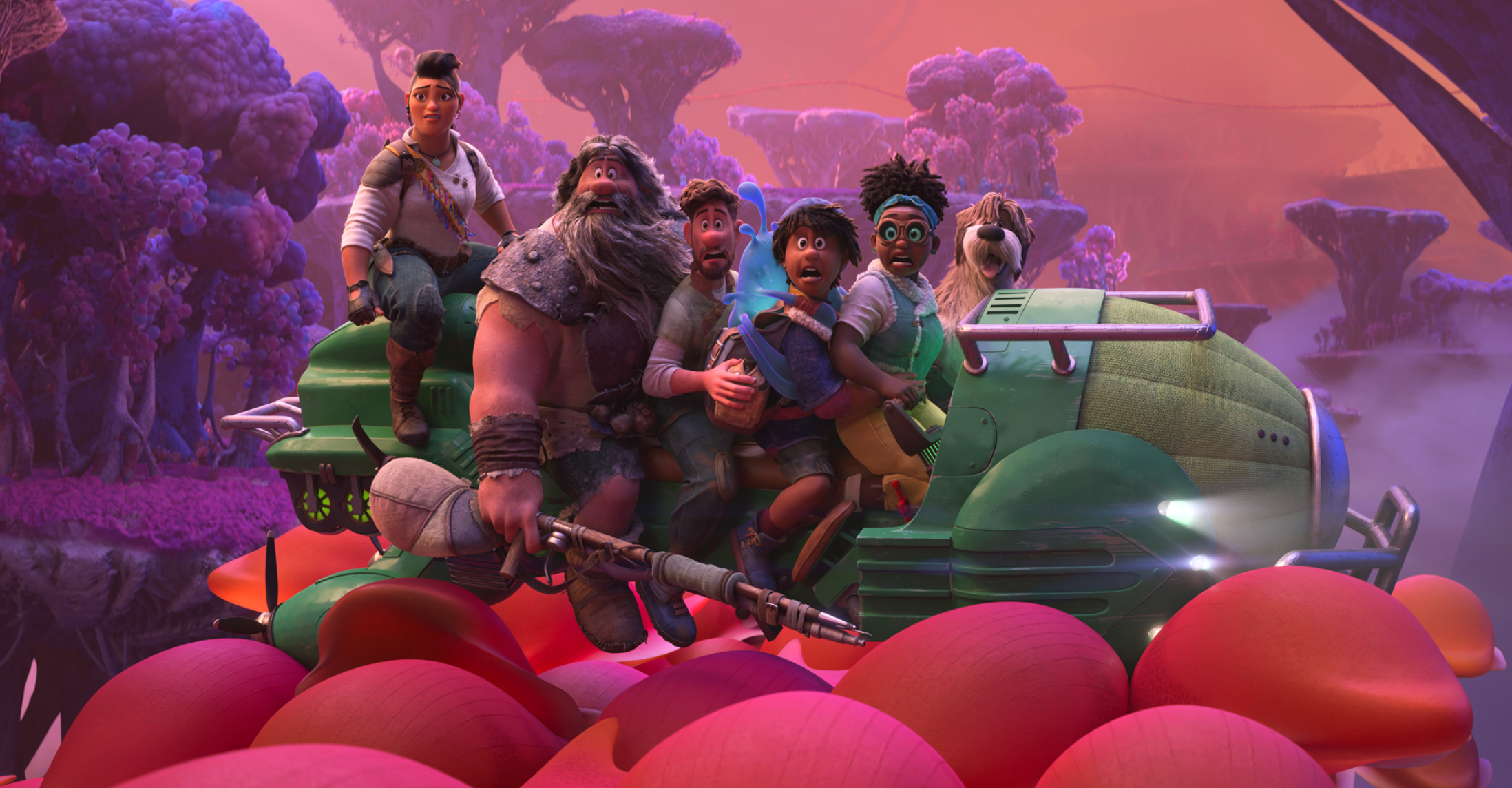
Strange World unfolds on two seemingly distant planes and within contrasting genre conventions. On one hand, it is an intimate story of family tensions and intergenerational misunderstandings; on the other, a sprawling fantasy adventure that attempts to rival James Cameron’s Avatar in world-building. In both realms, Don Hall delivers substantial material rooted in parallels, analogies, and shifts in perspective. The father-son conflict resurfaces in the second act when Oskard awkwardly tries to navigate a relationship with his firstborn, Ethan.
The boy struggles with a settled, agrarian lifestyle dictated by his father. Having learned from painful experience, Oskard is convinced that only this model guarantees family happiness. He works hard to avoid Jaeger’s mistakes but inadvertently follows the exact same path. Strange World is a film about the art of communication and the demanding skill of conversation, about rationally weighing arguments. The characters speak much, releasing pent-up emotions, yet they fail to listen. Retreat and withdrawal are never solutions to uncomfortable topics.
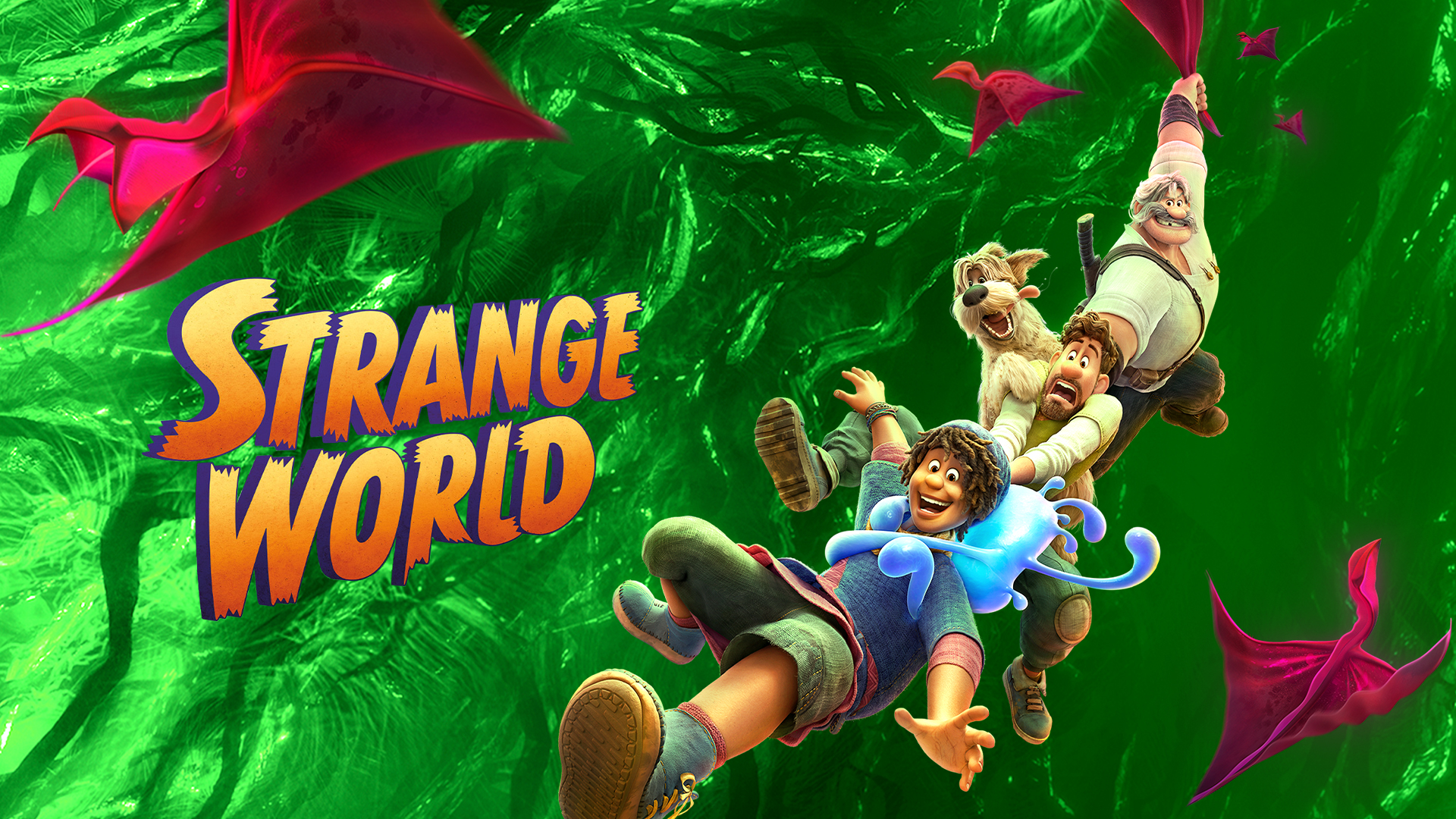
The narrative engine of the film is the necessity to venture into uncharted territories. The fruits discovered by Oskard turn out to be an excellent energy source, giving Avalonia a giant technological leap. Now, inexplicably, this power begins to wane. The situation demands a radical decision: to save their beloved home, they must leave it and reach the point where all roots intertwine.
The characters (and, by extension, the audience) encounter intriguing twists that force them to see their surroundings in a completely new light. This fantastical land emerges as the leading character of the Disney animation. Just as familiar, slightly reworked plot templates underpin the family conflicts, the story of the world—its functioning, its inhabitants, and its complex structure—is genuinely original and treated with meticulous care.

