
Review
RUBEN BRANDT, COLLECTOR. Reflection on the Medium Itself
Ruben Brandt, Collector is a film that is formally refined and narratively intricate.

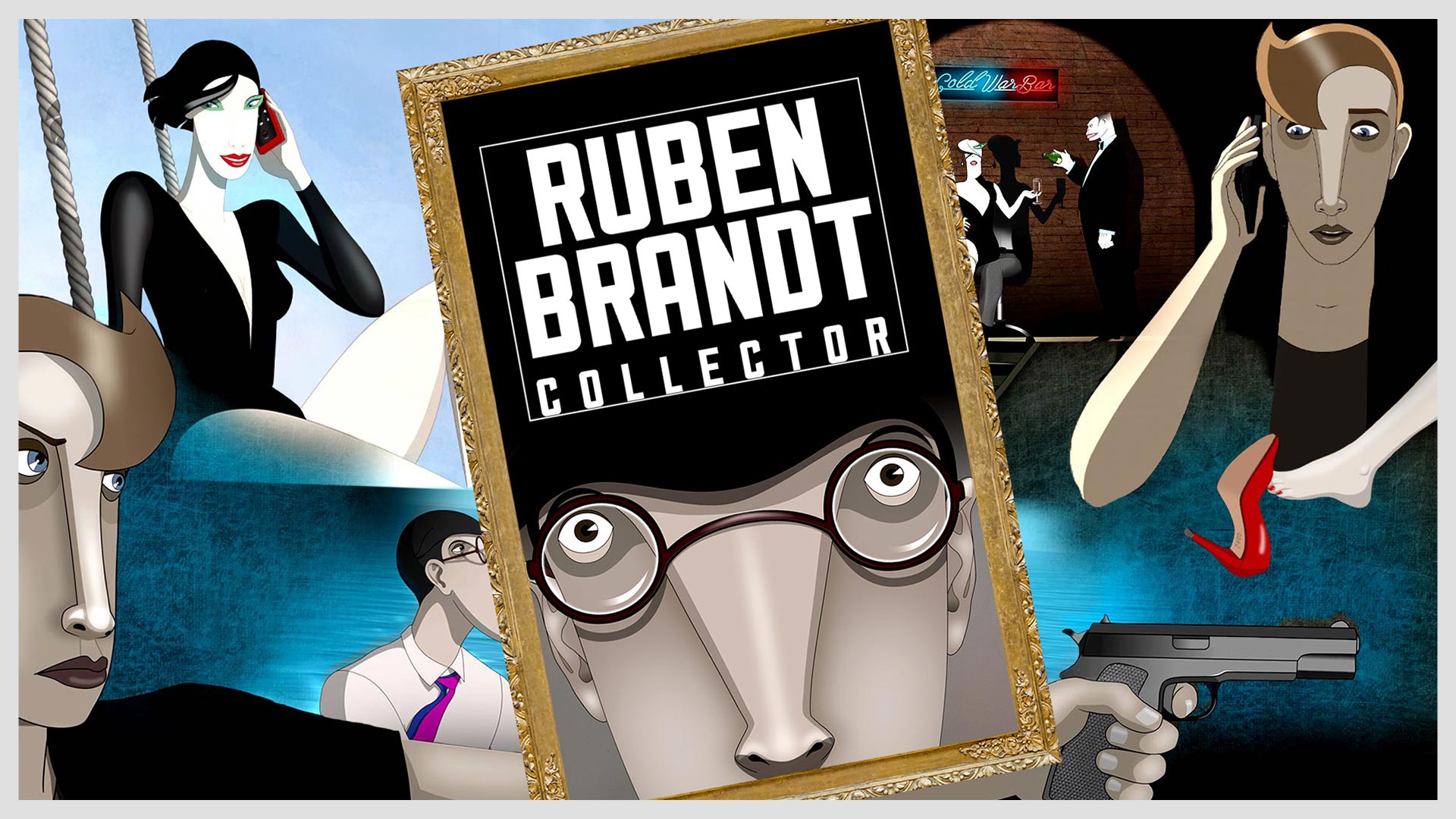
Ruben Brandt, Collector is a film that is formally refined and narratively intricate. It draws on a wide range of painterly styles: from impressionist landscapes, through the distorted expressions of Pablo Picasso and the fantastic compositions of Salvador Dalí, to the photorealistic art of the 21st century. It blends cinematic genres as well: from modern action cinema, through film noir and the spy movie, to psychodrama and mind-game films. It is as much an unconventional heist movie (the logistical and organizational aspects of the complex thefts are completely irrelevant) as it is a psychological film that ushers us into the world of a schizophrenic.
The creators devote as much attention to striking mise-en-scène as to an analytical journey deep into the imprisoned mind of the protagonist. The plot appears to move briskly forward, but in reality it is a static portrait—a study of fear, framed within an intriguing compositional structure.
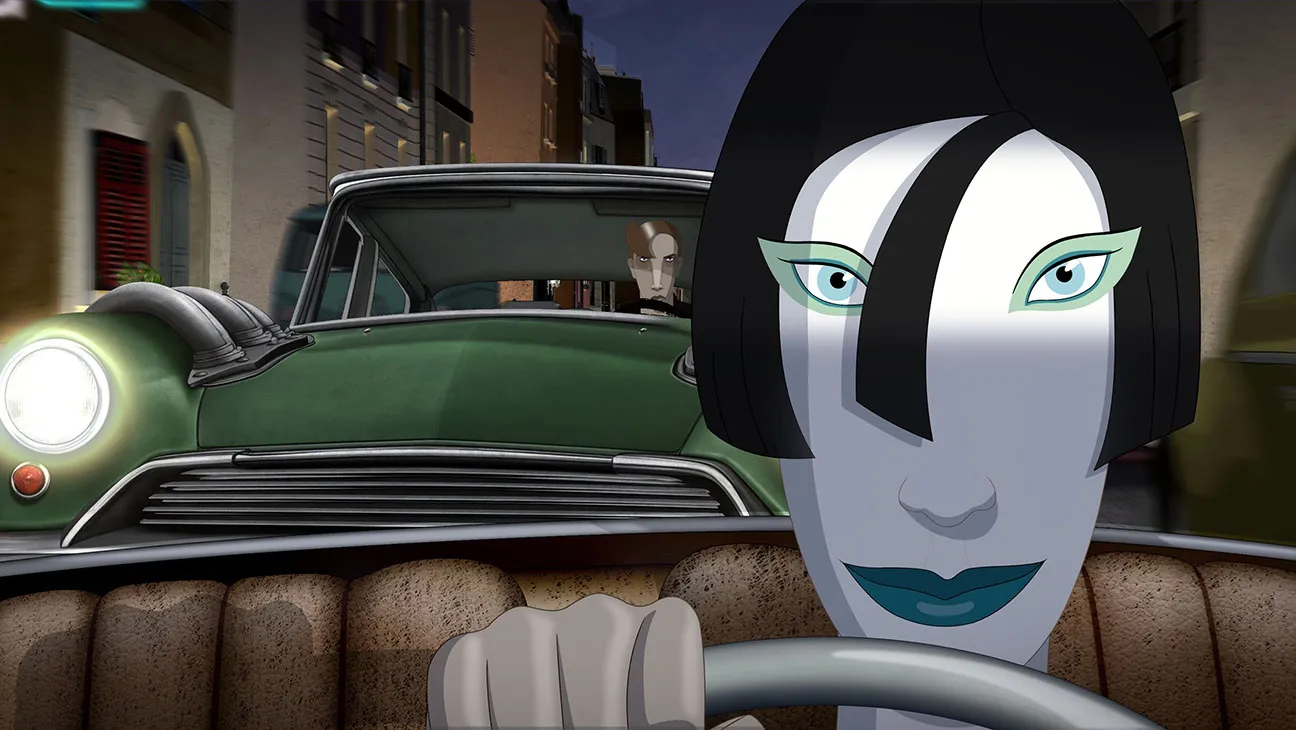
What is it all about? The opening of this Hungarian animated film recalls the beginning of the first The Matrix. A female thief steals an Egyptian fan from a museum and flees from a private detective in pursuit. I’m not convinced that the word “spectacular” fully does justice to the visual scope of this chase, which carries the unreal aura of the The Wachowskis’ productions, the pace of the best scenes from Mission: Impossible, and the bravado of the opening of Casino Royale.
The entire sequence—overstretched by a few minutes in my view—seems to function as the artistic credo of the whole production. The director, Milorad Krstić, values excess and exuberance over economy of expression. Rather than exploring a single convention, he prefers to draw from the full breadth of the genre repertoire. The effect of such a voracious creative approach is, in this case, genuinely astonishing.
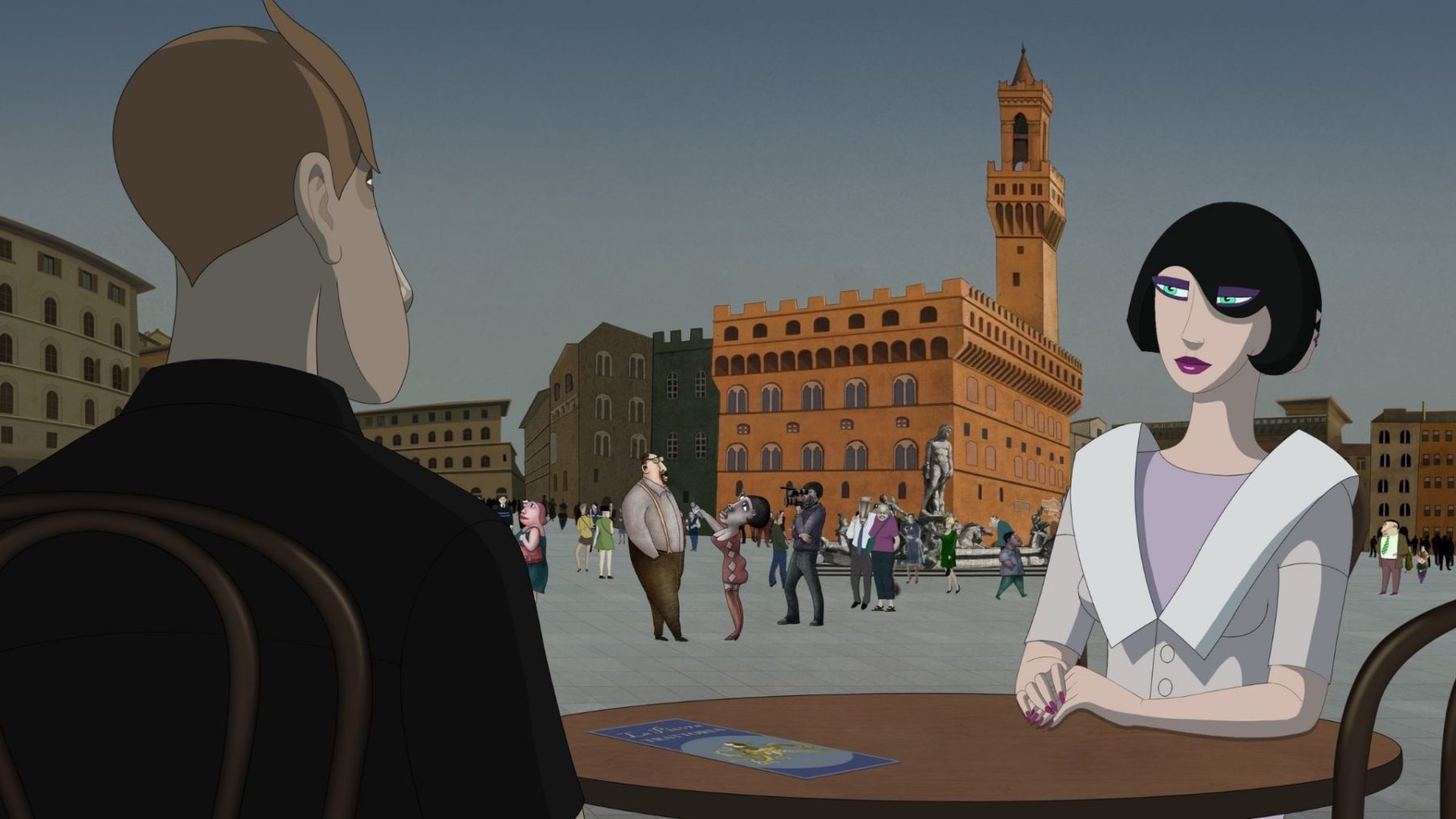
The thief we meet in the opening scenes, a woman named Mimi, leads us to Ruben Brandt: a world-famous psychiatrist haunted by terrifying visions and nightmarish dreams. Crucially, all of them are linked to a dozen or so paintings—artworks worth fortunes and displayed in the world’s most famous museums. Ruben Brandt assembles a four-person team of exceptionally talented forgers and burglars. Their task is to steal the originals. Completing the entire collection is meant to be salvation and an antidote for the hero in crisis. Only in this way will the psychiatrist be able to subdue his demons and confront them directly.
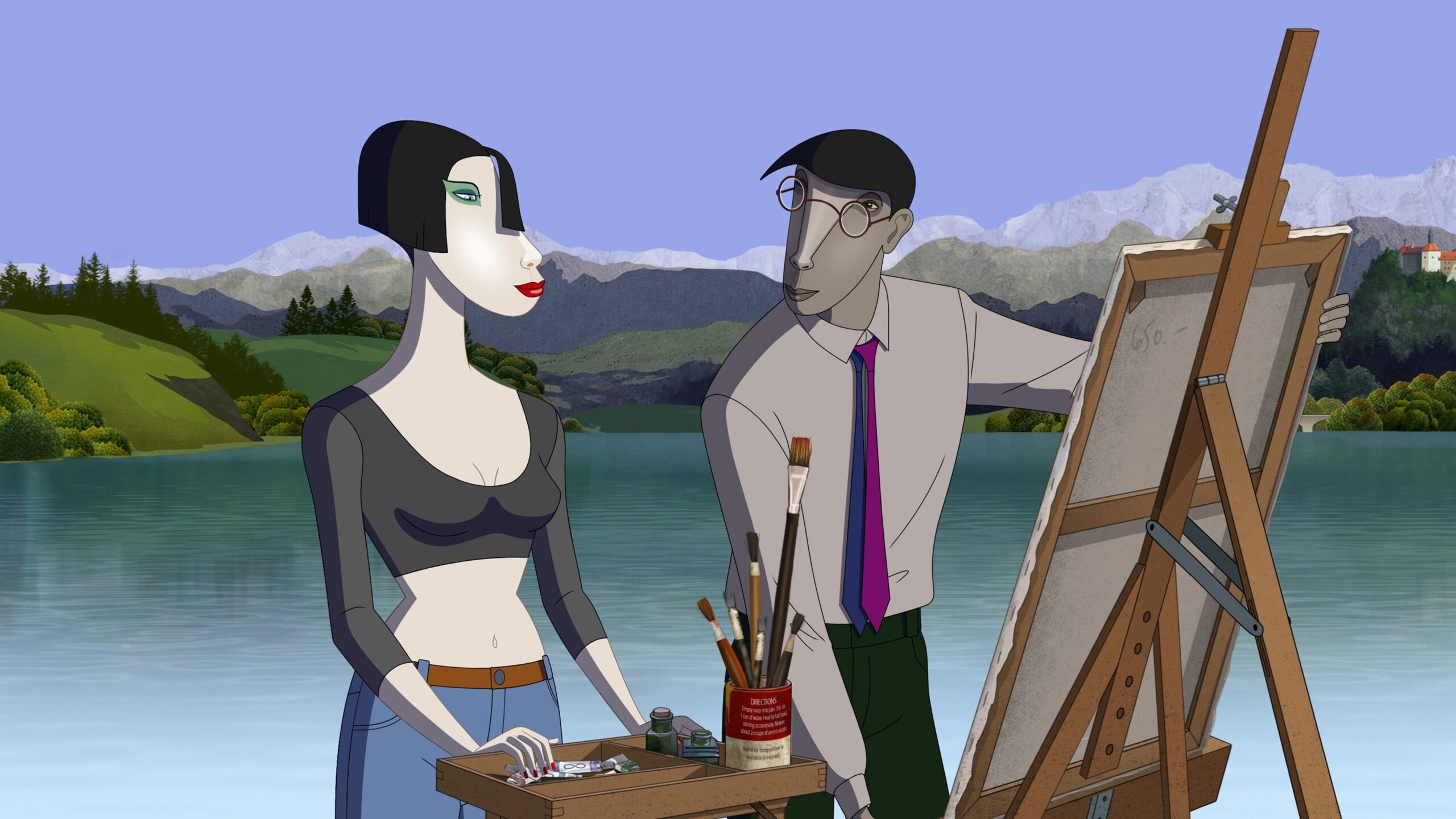
Brandt’s obsession manifests itself in highly varied ways and attacks him from all sides. Its literal dimension is tied to several sequences that visualize his nightmares. Yet their consequences are visible in reality itself, distorted by Brandt’s warped perception. The filmmakers constantly blur the line between truth and fiction, between the real and the imagined. This device is a key building block of the presented world, but it also has a metatextual dimension. One member of Brandt’s team is therefore a two-dimensional character, the psychiatrist uses painting as a method of therapy, and the foundations of the characters’ memories consist of photographs and fragments of films.

The faces, likenesses, and silhouettes of the encountered characters are, in turn, a conglomerate of references to cubist painting, cartoons, and graphic novels. In Milorad Krstić’s animation, everything is representation, reflection, footnote, quotation, and paraphrase—a beautiful forgery.
Running parallel to this is a detective-story thread that offers yet another take on Brandt’s complex personality. A mysterious past, torn and deceptive memory, puzzling relationships with his parents—the director reaches for various psychological clues, suggesting potential causes that might have triggered such painful trauma in the protagonist. Woven into these themes is also the motif of a double, who may equally well be the title character’s brother or his alter ego. I believe every answer is, to some extent, correct.
Ruben Brandt sees only an abyss ahead of him. The viewers, however, look in the opposite direction, uncovering the psychiatrist’s identity and origins. I will leave open the legitimate question of whether everything we watched truly happened, or whether it was entirely the delirium of an unconscious Brandt. In any case, pondering this doubt seems better suited to discussions of altered states of consciousness.
Ruben Brandt, Collector is a reflection on the medium itself—a tribute to, and a warning against, the immersive nature of images that do not vanish from before our eyes even when we close our lids. The director overlays the depicted world with a filter that distorts everything. In his vision, every object, character, or landscape placed within the frame becomes a work of art. Of course, this is an exaggerated and intensely expressive vision, aestheticized to such an extreme that only animated cinema can reach it—a film format which, like no other, truly possesses unlimited means of expression.


Looking back at DEAD SNOW: A Blizzard of Nazi Gore Fun

DEAD SUSHI: Exotic, Spicy, and Wildly Entertaining

Revisiting ALICE, SWEET ALICE: Dread and Religious Symbolism

PUPPET MASTER: LITTLEST REICH – Achtung! It’s Good!
