
Review
DETECTIVE PIKACHU: A Blender Full of Colorful Monsters
There’s a scene in Detective Pikachu where the yellow furball walks down a country road, and in a depressed tone parodies the theme song from the cartoon.

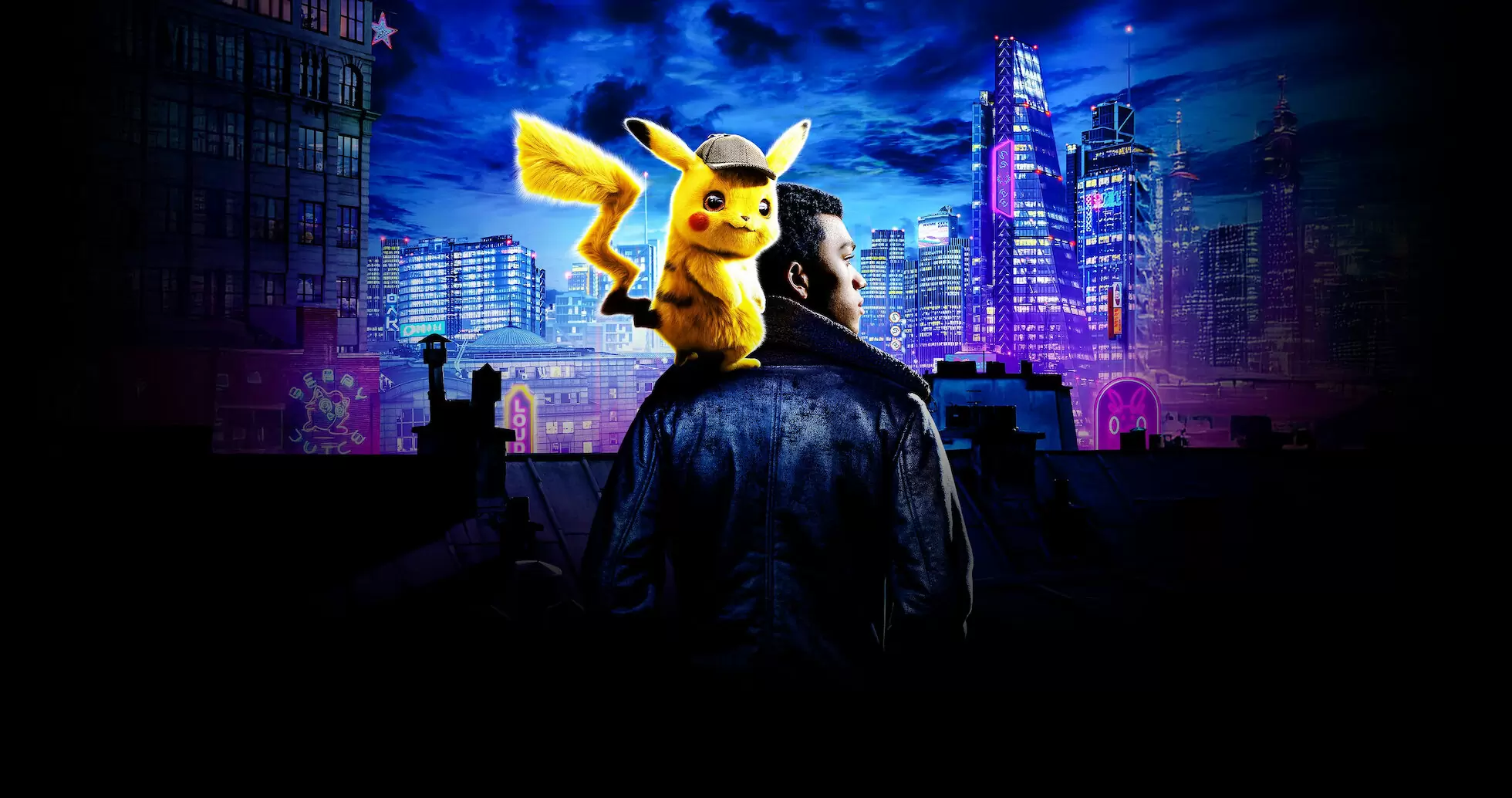
There’s a scene in Detective Pikachu where the yellow furball walks down a country road, completely drained of emotion, and in a depressed tone parodies the theme song from the cartoon. Meanwhile, in the city, you can buy a blue snortable substance called “R,” which turns Pokémon into jittery wrecks by giving them an illusion of power. There could have been a subtler way of telling grown-up, expectant fans that—sorry—but it’s game over, and this is not quite the same innocent version of the franchise they remember from childhood. Still, this isn’t exactly a reinterpretation—it’s more of a competent blend of storylines and genres.
On the other hand, Pokémon reportedly has quite a solid tradition of spin-offs and games, and a darker take shouldn’t really shock loyal fans. Besides, the comedic-detective style isn’t the issue here, nor is the combination of the real and magical worlds, surprisingly—but rather the things that don’t require suspension of disbelief: the plot and the characters. Our young Black protagonist, searching for his missing father while teaming up with the most iconic Pokémon—Pikachu (naturally fighting against a greedy corporation trying to exploit these wondrous creatures along the way)—is a character you don’t really want to follow. He’s neither a full-on teenager, nor a detective, nor a trainer.
There’s not much to say about Tim, nor about his sidekick, young journalist Lucy, or the head of the corporation, Mr. Clifford. And there’s even less to say about the father—Freud’s classic ghostly, absent dad. And that stays true for the entire film.  These worn-out cinematic character templates don’t hang on the actors like ragged clothes, but with such a bold premise, one would expect something more compelling in what we’ll call the realistic layer. Various threads start up trying to say something, only to be cut short, and the connections between characters are held together only by sheer belief.
In an early scene, Tim’s friend briefly appears to help him catch one of the creatures, and although it seems like the film had bigger plans for him than just this short prologue, that subplot is never revisited. Meanwhile, we’re forced to watch chases and mystery-solving scenes reminiscent of the worst episodes of DuckTales, ending with a final battle between characters that can each be summed up by a single adjective. What saves it all is the animated Pikachu, who comments on the world with Ryan Reynolds’ tired but sharp-tongued voice. One could argue that this unconventional voice casting is a great complement to the excellently animated, well-integrated creature—visually interesting and halfway between experimental design and the classic Pokémon look.
The rest of the colorful bunch also works—the film is most visually pleasing not when we’re watching cities with slight dystopian vibes, but when the Pokémon exist in their natural ecosystems, which lets us admire a universe crafted for digital entertainment. Sadly, there’s only one battle scene—and even that one isn’t particularly spectacular. Scott Pilgrim, with its stolen arcade game aesthetics and unusually sound-designed action scenes, practically begs to be used here as a model. 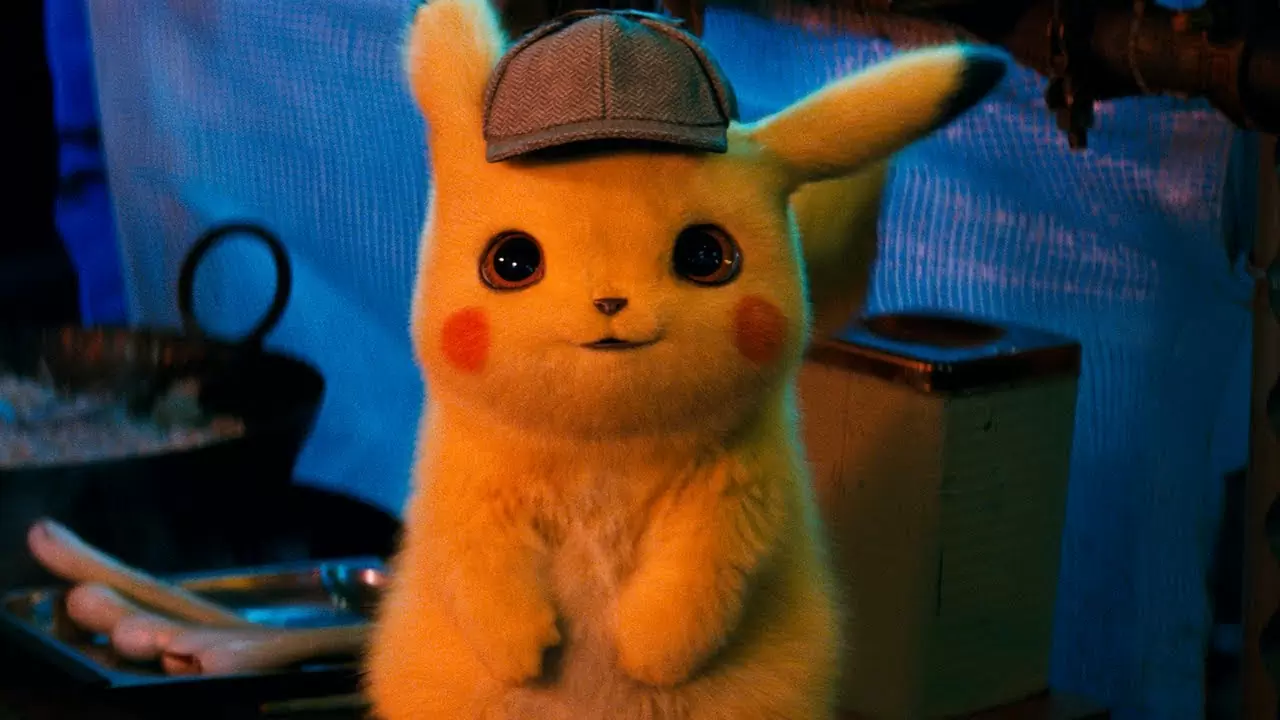
The real question is—what will fans think, and what about the kids? Because, as it turns out, those are not necessarily the same audience anymore.


Looking back at DEAD SNOW: A Blizzard of Nazi Gore Fun

DEAD SUSHI: Exotic, Spicy, and Wildly Entertaining

Revisiting ALICE, SWEET ALICE: Dread and Religious Symbolism

PUPPET MASTER: LITTLEST REICH – Achtung! It’s Good!
