Horror Movies
Revisiting GHOST STORIES: Charmingly Old-Fashioned Chiller
Ghost Stories works best as a thickly atmospheric homage offered by horror erudites — old specters do not like modernization.

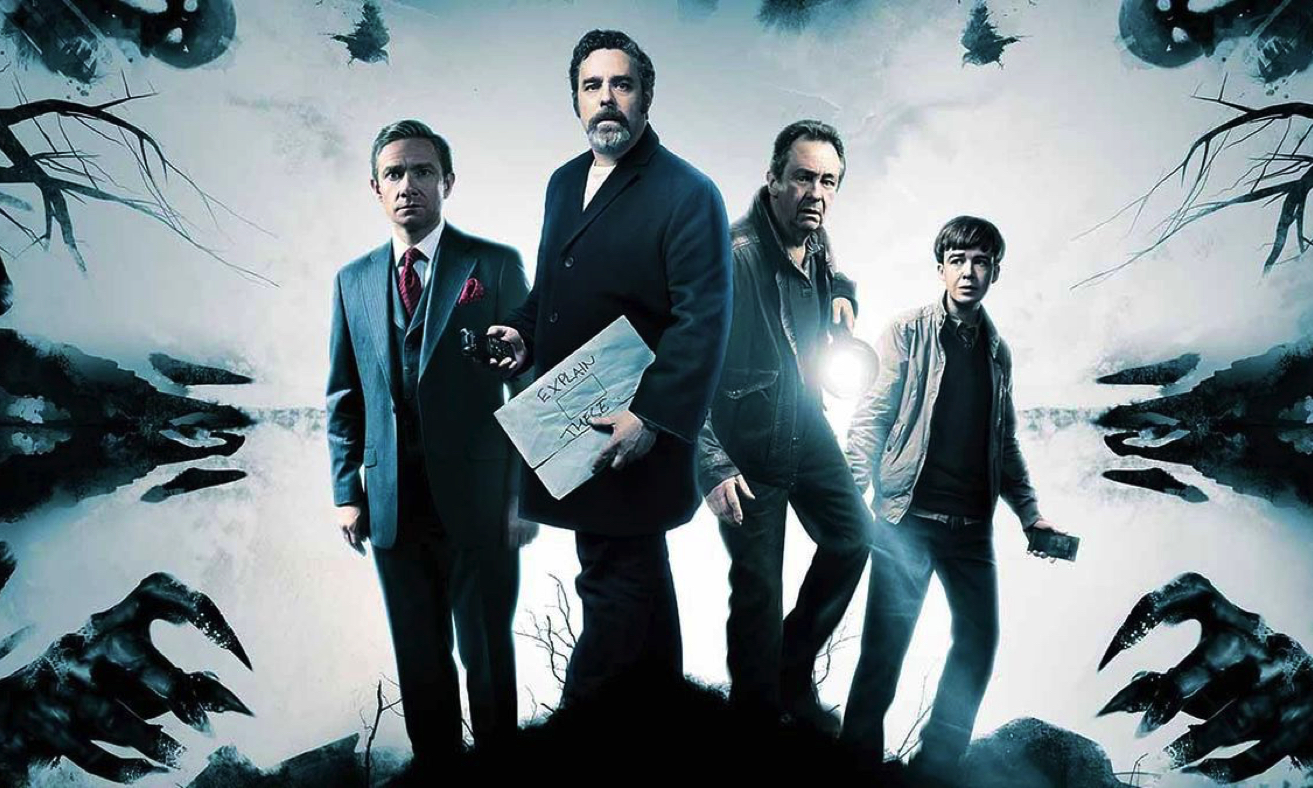
For the vast majority of its running time, Ghost Stories is a film that is almost charmingly out of date. This should not particularly surprise anyone, because its creators, Jeremy Dyson and Andy Nyman, are a duo of old horror enthusiasts who transformed their love of retro terror into a stage play in 2010 entitled Ghost Stories. The production became so popular that it was staged not only in the United Kingdom, but also in Moscow and Toronto, and Dyson and Nyman eventually received an offer to transfer the story to film.
Ghost Stories, much like Black Sabbath by Mario Bava or Tales of Terror by Roger Corman, takes the form of a film anthology. The individual stories are linked by the character of Professor Goodman (Nyman), a debunker of frauds and lunatics who claim to have contact with paranormal forces.
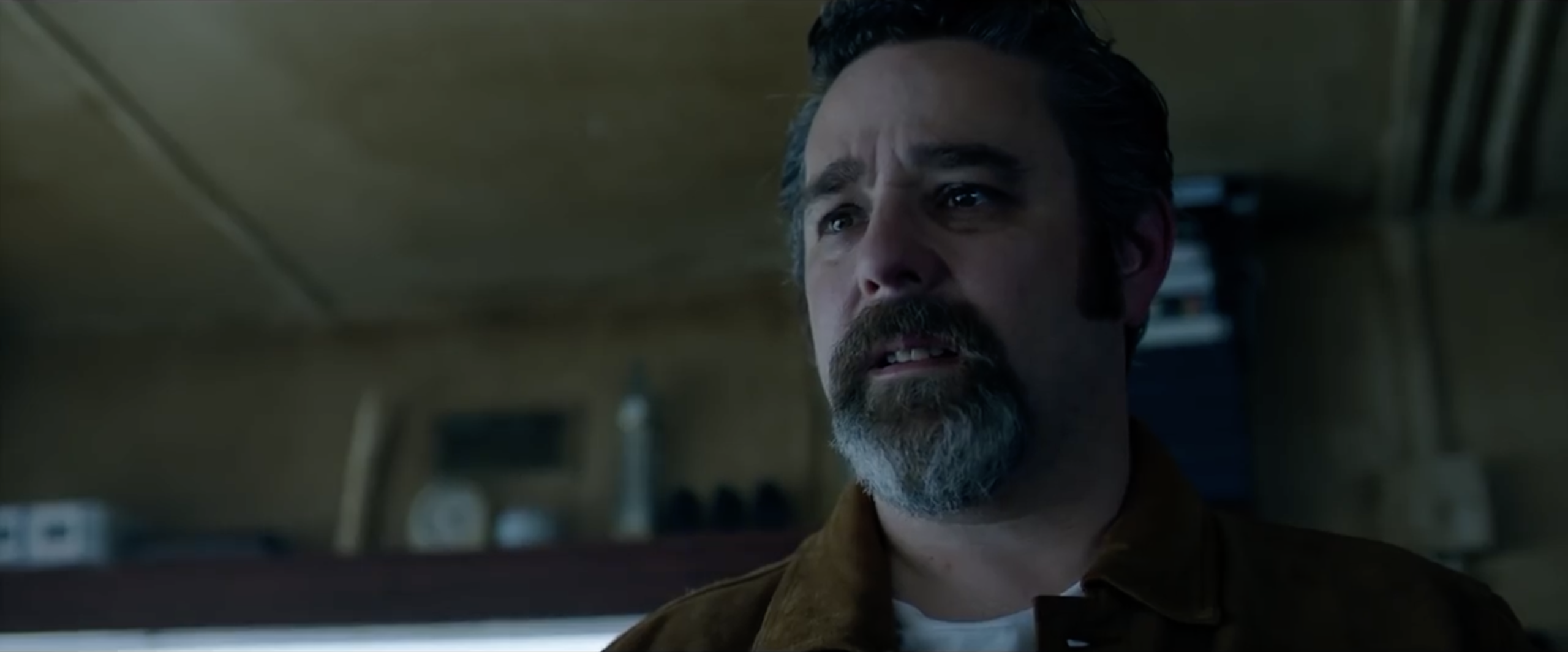
As a hardened atheist and a proponent of a rational approach to matters of life and death, Goodman has devoted his career to seeking out cases worthy of Scooby-Doo and his gang and exposing the manipulative techniques behind them. At the outset, the professor receives the files of three cases that his mentor had previously been unable to solve, along with the task of explaining them using scientific methods.
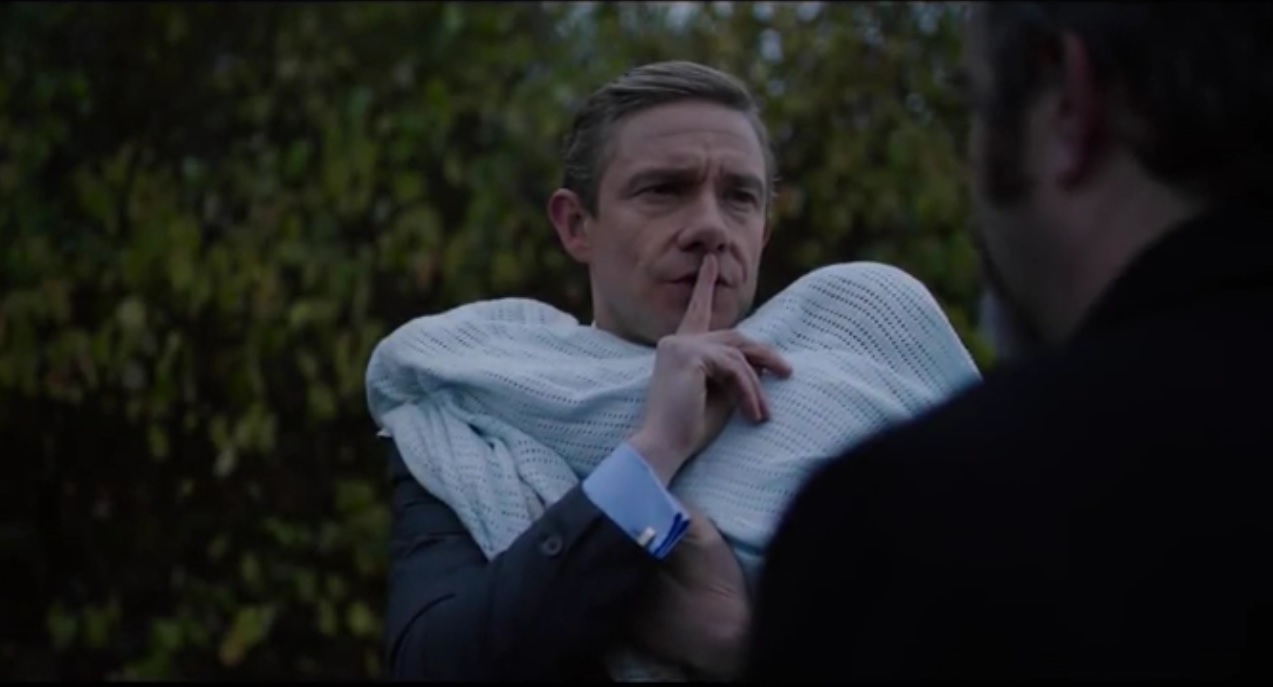
Each story concerns a slightly different type of monster and refers to a different horror subgenre. In the first, a night watchman (Paul Whitehouse) working in a former asylum is attacked by the ghost of a girl dressed in yellow; in the second, a teenager (Alex Lawther) runs over a figure resembling the devil; finally, in the third, a businessman (Martin Freeman) learns that his wife has given birth to a deformed creature. Dyson and Nyman thus allude not only to old British horrors from Hammer and Ealing, but also to The Evil Dead and Rosemary’s Baby.

The individual uncanny tales are united not only by the recurring sense at the back of one’s mind that we have seen this somewhere before (which is by no means a flaw), but also by a perfectly constructed atmosphere of dread. Like the creators of horror films from the 1960s and 1970s, Dyson and Nyman are in no hurry, they do not compete in multiplying scares and attractions—they give themselves time to immerse viewers in successive stories, to play out the spaces in which the narrative unfolds, and to slowly thicken the atmosphere.
Certainly, we will find a few jump scares here, but for the most part the horror is built primarily on what we do not see. The frames are composed so cleverly that we often wait in tension for the monster’s attack only to sink calmly back into our seats a moment later… and be frightened precisely when we least expect it. The experience gained from watching thousands of horror films has allowed the creators to understand the psychological mechanisms guiding the audience, which is visible at every step in Ghost Stories.

The film by Dyson and Nyman at times resembles a tale told by a campfire by someone who possesses extraordinary narrative skills and knows perfectly well how to frighten us. All the greater pity, then, that the creators insisted on eventually interlocking the three stories and provided viewers with an unconvincing twist. The same props and elements of set design recur throughout the stories, functioning as narrative clues and announcing that the tales will form a larger whole.
The problem is that when we reach the final act—the wildest of them all—we receive a resolution that resembles the charlatan tricks exposed by the film’s professor rather than a satisfying culmination. One may get the impression that the creators, who had been moving all along within a preserve for retro scares, felt a strong need to modernize Ghost Stories somewhat.

The finale is therefore strongly metafictional—individual planes of reality vanish like theatrical sets after the lights go out, and the culmination resembles solutions from puzzle films such as Memento or Fight Club.
It is an unsuccessful strategy, for Ghost Stories works best as a thickly atmospheric homage offered by horror erudites—who should know better than anyone that old specters do not like modernization.