
Review
POM POKO. Sense of Spectacle and Epic Ambition
In Pom Poko, a wide array of themes, motifs, and ideas associated with Studio Ghibli come together and accumulate.


In Pom Poko, a wide array of themes, motifs, and ideas associated with Studio Ghibli come together and accumulate. In this 1994 animated film, metaphysics and magic take center stage alongside reflections on pacifism, ethical dilemmas, blunt symbolism, and a world in which fauna is spiritualized and personified. Above all, however, the film foregrounds a brutal clash between the natural world and a rapidly expanding civilization—one that, without hesitation, claims ever more rivers, mountains, forests, and meadows. Films produced by the Japanese studio often serve as reminders of ecological responsibility, urging moderation in all human endeavors.
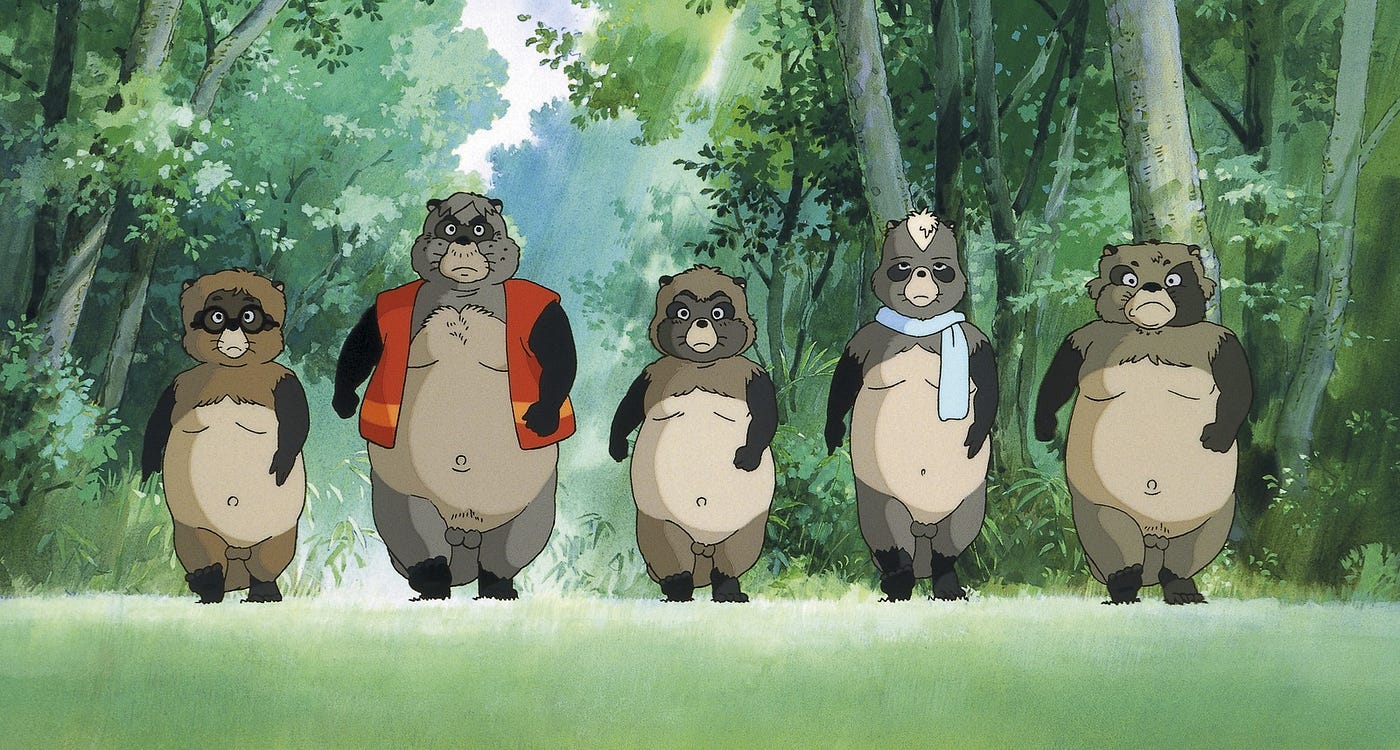
In Pom Poko, the boundaries of decency are crossed by both humans and the animals. For it is not raccoons that are on the offensive, but tanuki—creatures difficult to classify precisely, yet related to dogs, badgers, and raccoons. They inhabit a wooded hill adjacent to a rapidly growing city. Over time, excavators and trucks appear along the tree line. Before long, the tanuki forest is slated to be transformed into a residential development.
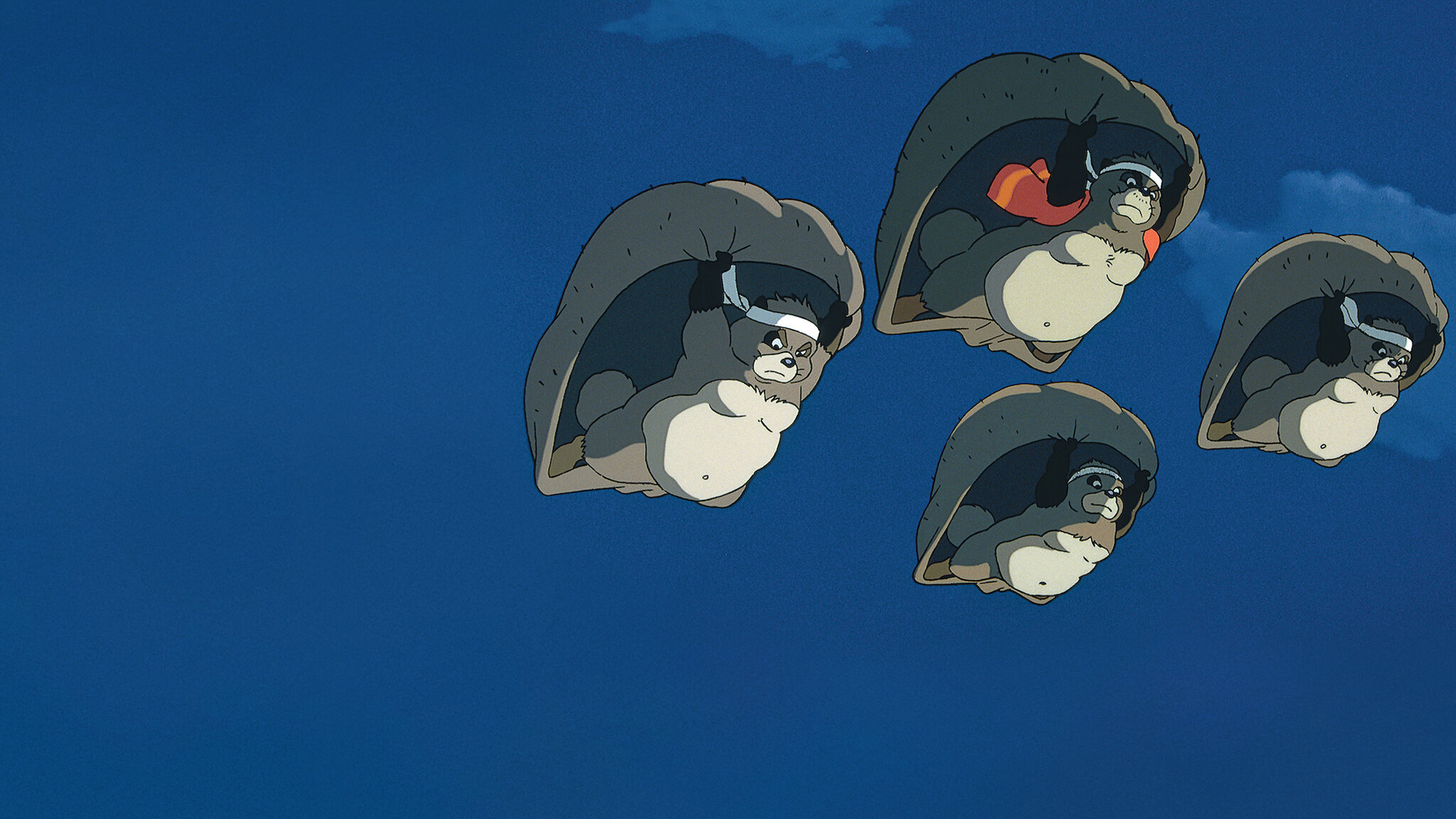
Naturally, no one asked the tanuki for permission. Confident in themselves, the animals make a bold decision to resist humankind, driven by the belief that the best defense is a good offense. A fair assumption—but how effective will it be?
For the director, Isao Takahata (Grave of the Fireflies, The Tale of the Princess Kaguya, Only Yesterday), what matters most are the values and magical abilities associated with tanuki. From the wide range of attributes traditionally ascribed to them—strength, determination, even good fortune in finances—the most important for Takahata is their spectacular power of transformation and their capacity for balance, understood as maintaining spiritual calm, mastering one’s impulses, and avoiding extremes.
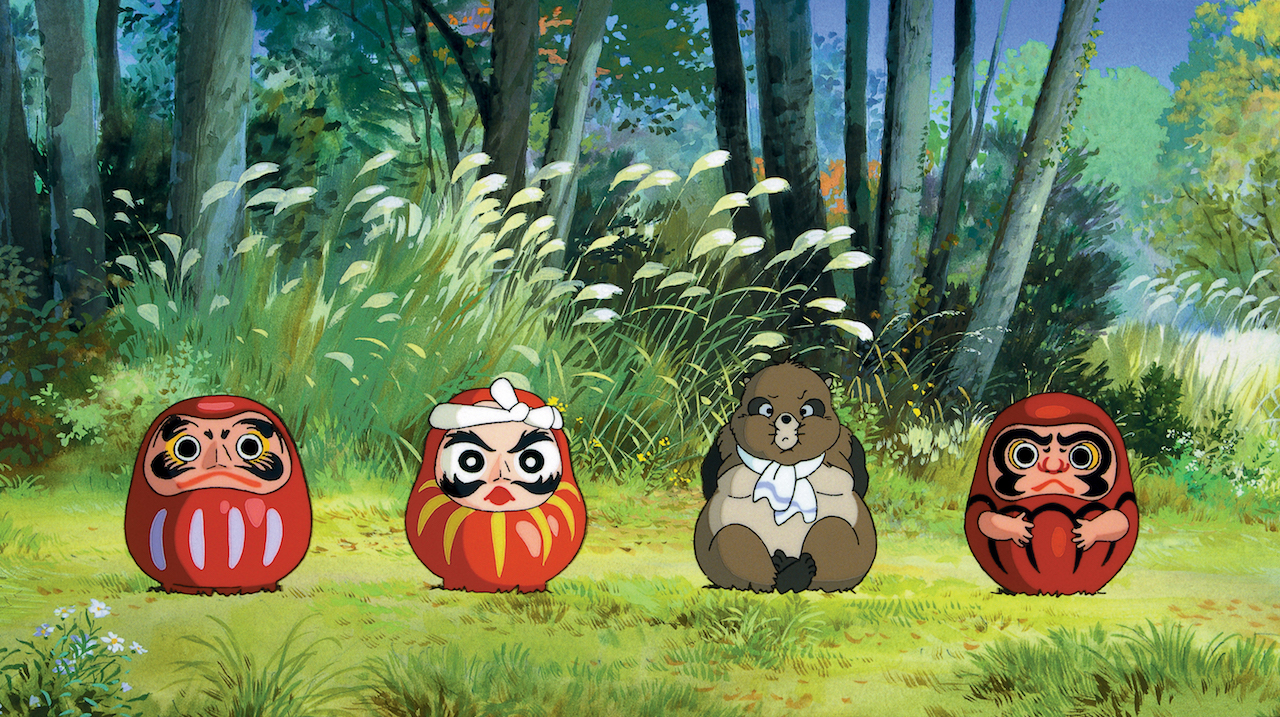
In moments of crisis, it is precisely the tanuki who are meant to stand guard over order. Yet it quickly becomes clear that they are too weak (despite their supernatural powers) to withstand unforeseen circumstances. Nearly every decision they make—whether more or less resolute—only worsens the situation.
Isao Takahata does not take shortcuts in approaching his subject. He does not divide humans and animals into the good and the bad, the deceitful and the honest, the greedy and the restrained. The tanuki themselves are split into a more radical faction (one that even calls for killing humans) and another that seeks less violent solutions. Moreover, before humans ever appeared on their horizon, the tanuki were already embroiled in irrational internal disputes. Among humans, we encounter pacifist environmentalists chaining themselves to trees, uncompromising military forces, and developers who reduce everything to cash. Takahata thus offers a broad survey of attitudes, positions, and worldviews.
After Pom Poko, two sequences in particular tend to linger in the memory. In the first, the tanuki launch an attack on workers laboring at night. One van plunges into a ravine, another delivery truck is forced off the road. If there is a moment in Takahata’s film when one stops rooting for the tanuki and begins to see humans as the victims, it is here. In the second, spectacularly executed sequence, the animals decide to attack the city using their mastery of transformation. Their airborne assault is meant to remind people of the power—and the very existence—of the tanuki.
The tanuki assume the forms of nightmares, apparitions, dragons, and all manner of monsters, then glide through the city, startling people from every corner. The final effect, however, is very different from what was intended. Most people interpret these magical phenomena as a cultural event—a kind of performance, a citywide spectacle sponsored by some anonymous benefactor. When the tanuki admit responsibility, a businessman promptly appears with a suitcase full of banknotes, ready to open an amusement park grander than Disneyland. Damned if you do, damned if you don’t.
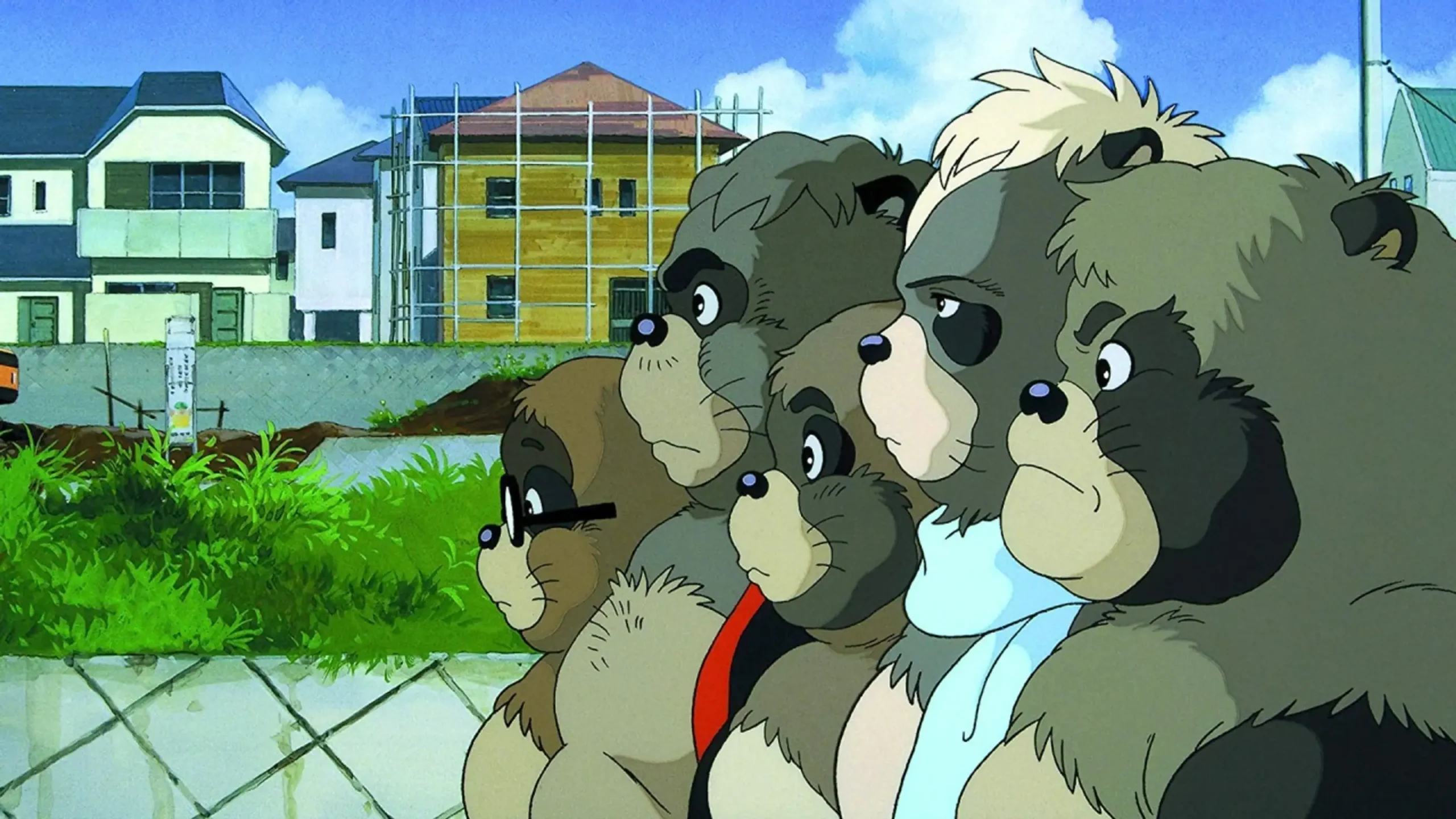
It is hard to deny Pom Poko its sense of spectacle and epic ambition. The former is amplified by its dazzling, exalted visual style. At times, the film looks like an animated tour de force from Studio Ghibli, striving to be as expressive as possible. The narrative sweep and pathos, meanwhile, stem from the ever-present narrator–chronicler, who underscores the importance of the events unfolding on screen. This is a story marked by suffering and spread across many years. In Pom Poko, grand words and solemn declarations outweigh small gestures and psychological nuance. As befits masters of their craft, Ghibli excels even in this mode—and that should surprise no one.


Looking back at DEAD SNOW: A Blizzard of Nazi Gore Fun

DEAD SUSHI: Exotic, Spicy, and Wildly Entertaining

Revisiting ALICE, SWEET ALICE: Dread and Religious Symbolism

PUPPET MASTER: LITTLEST REICH – Achtung! It’s Good!
