Review
PLAINCLOTHES. It Will Certainly Stir Your Emotions
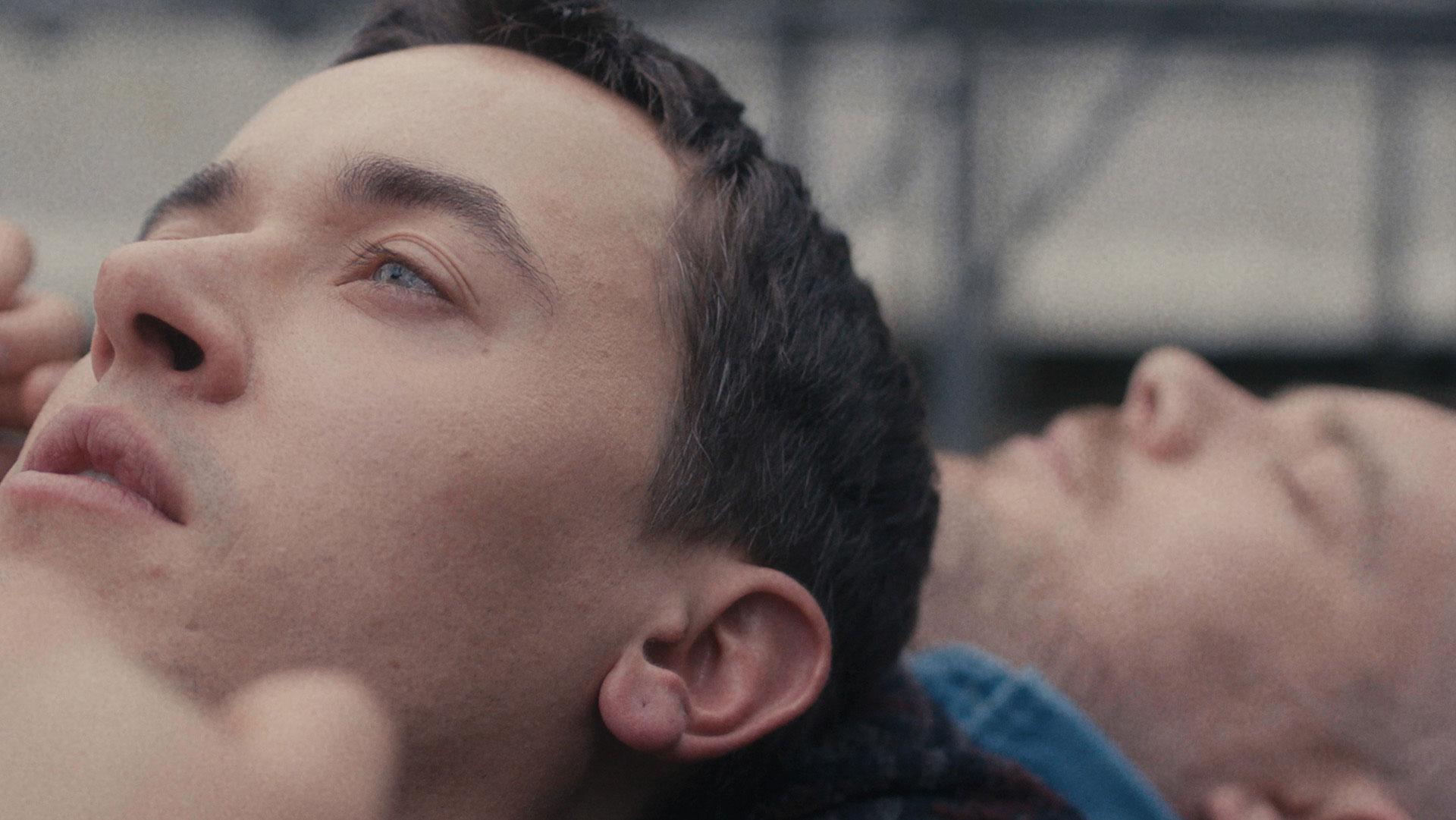
Plainclothes may not change your life, but it will certainly stir your emotions. Even though we’ve seen many stories like this before, there’s something in it.

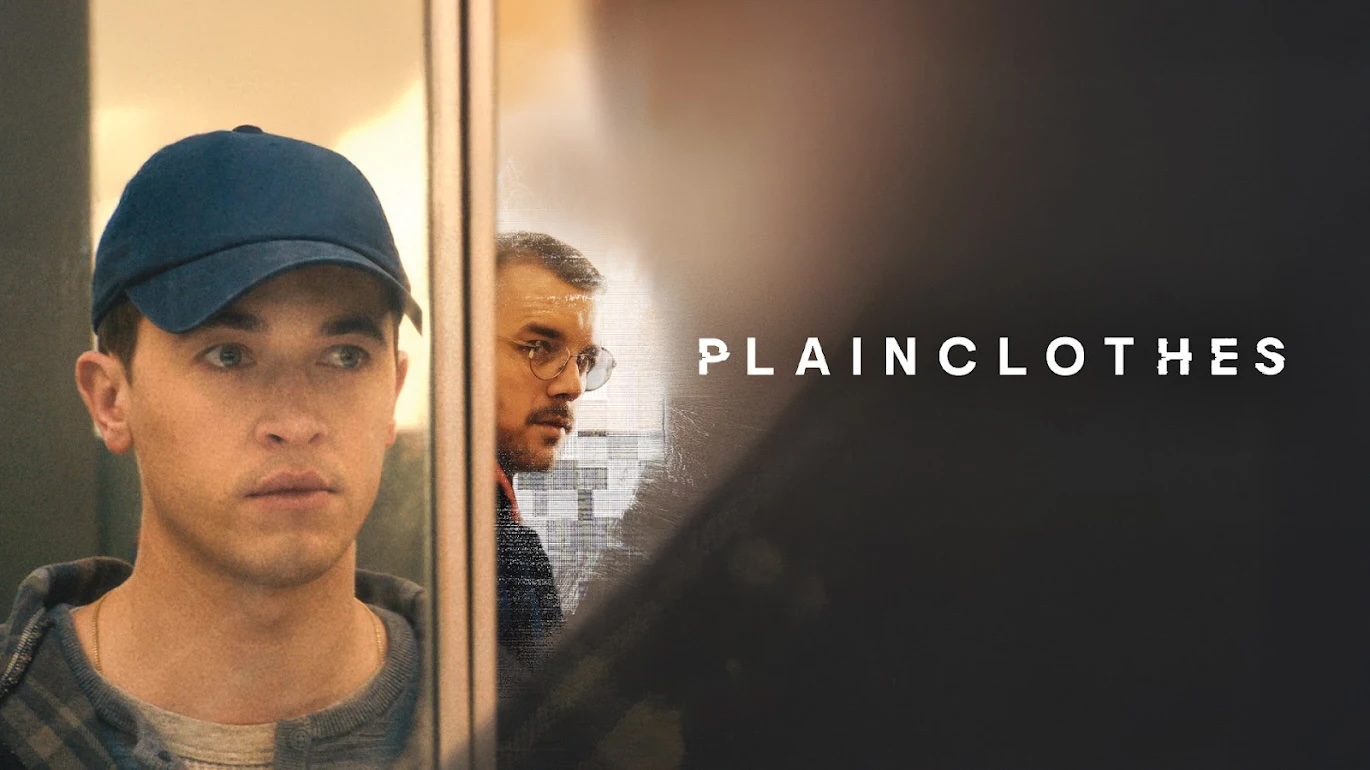
It begins with an innocent glance. Until you find yourself face pressed against the wall, hands behind your back. But not in a fun way. It means you’ve just been arrested for indecent exposure in a public place. Because the guy who was trailing you with his eyes in the shopping mall—and whom you later followed into the restroom—is actually an undercover cop who makes a living that way. That’s how Plainclothes, a 1990s-set drama by Carmen Emmi, opens.
The film premiered at this year’s Sundance Film Festival, where it won the award for Best Ensemble, and is now drawing acclaim following screenings at the American Film Festival. Will “plainclothes”—or being “undercover”—protect you from suspicion?

At the heart of the story lies the emotional turmoil of the protagonist, played by the striking Tom Blyth. As he falls for one of the “suspects,” he realizes that under different circumstances, he himself could be in the police’s crosshairs. The crux of the matter is that he finds himself in a situation where he cannot openly explore his feelings and desires. At least not publicly. Hiding his identity seems like a priority on which his well-being depends.
For much of the film, we watch furtive glances, secret messages, and passionate encounters in secluded places (including a greenhouse scene that may be the happiest intimate moment between two men you’ll see on screen), running parallel to the protagonist’s growing paranoia. He fears that his secret will be exposed and destroy the carefully constructed illusion of a respectable, successful life.
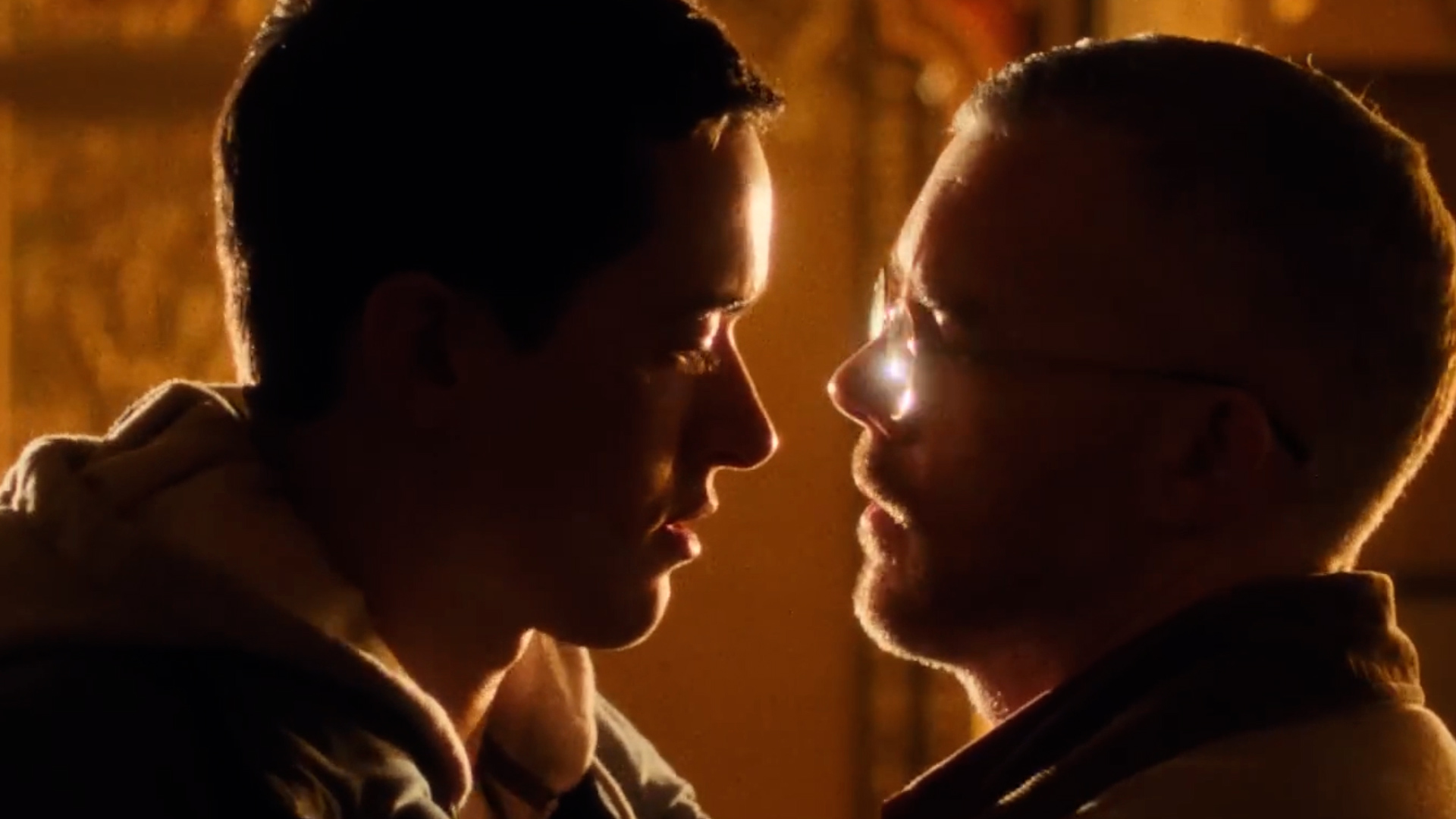
Emmi’s film flirts with thriller aesthetics (clearly visible in the official poster), but it is also a beautiful story about discovering one’s feelings and exploring a desire that simply refuses to leave the characters in peace. Lust can be a poor adviser—a theme explored in scenes that skillfully heighten the tension festering within the protagonist.
At one point, the story turns into a peculiar cat-and-mouse game, foregrounding the hero’s manipulative skills as he invents new excuses to conceal the truth. It’s a familiar tale, told many times before, but the actors share such palpable, credible chemistry—and the director guides the narrative so assuredly—that we simply go with the flow and let ourselves be swept away.
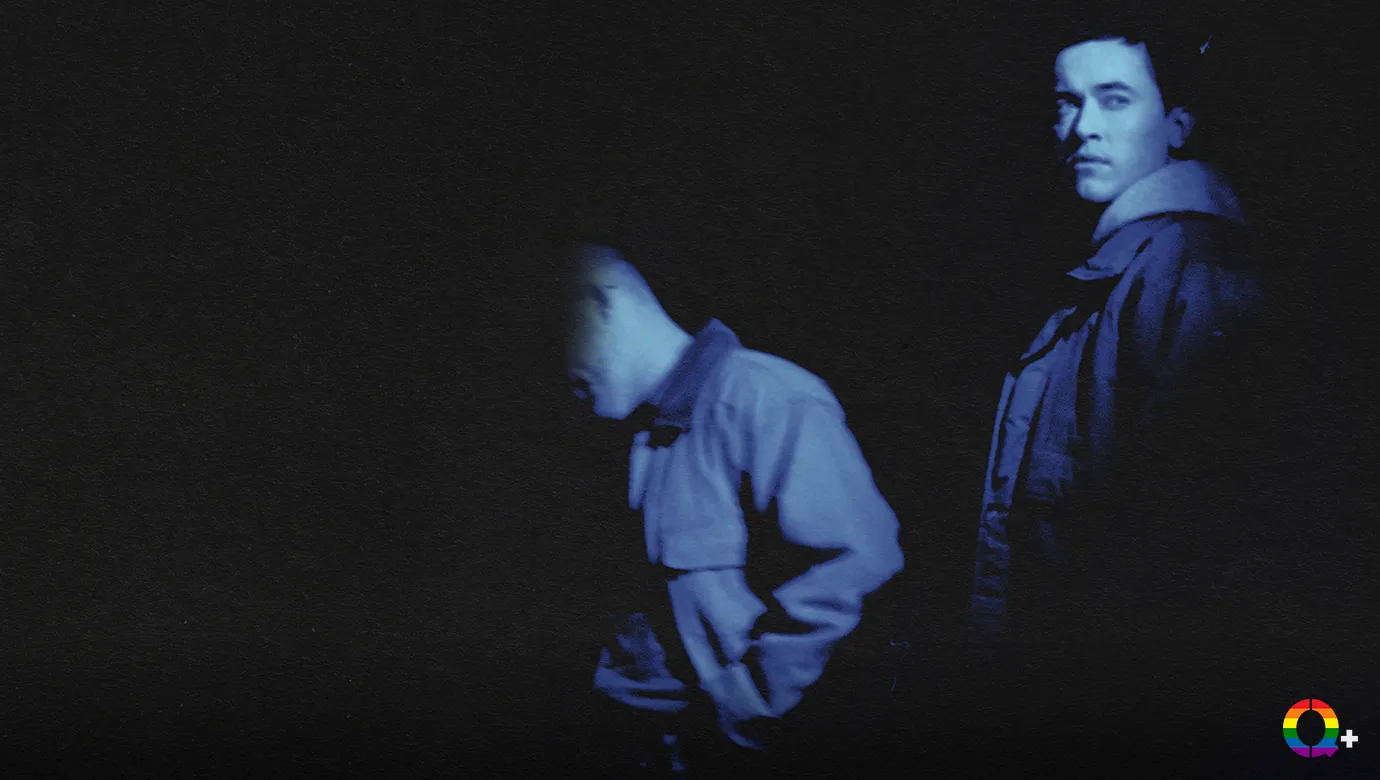
For the most part, the film follows a fairly well-trodden narrative path, right up until its explosive finale (don’t worry, no spoilers), which beautifully closes the story, adding emotional depth and allowing us to truly care about the characters’ fate. It’s for those scenes—and for the moments of burgeoning fascination between the two men—that the film is worth watching.
Plainclothes is simply a solid melodrama. It doesn’t try to reinvent the wheel but instead makes careful use of genre conventions to tell its story effectively. What captivates most is the strong acting and the believable chemistry between the leads, conveyed largely through looks and gestures rather than words.
Significantly, much of the communication between the characters unfolds on a nonverbal level. Eye contact becomes a code for testing interest, initiating conversation, and granting permission to take the next step. This element feels remarkably authentic and is handled brilliantly both by the actors and the filmmakers. It’s no wonder the Sundance jury honored the production with the Best Ensemble award—Blyth and Tovey’s performances genuinely stir emotion. Both actors deeply understand their characters and the difficult position they’re in, convincingly portraying their struggles, vulnerabilities, and mounting fear of being “found out.”
Plainclothes may not change your life, but it will certainly stir your emotions. Even though we’ve seen many stories like this before, there’s something in Tom Blyth’s performance that allows us to empathize with his situation and feel alongside him the pangs of a first same-sex infatuation—one that has the power to turn his life upside down. It is efficient, well-written cinema that simply works. It may not linger in our memories for years to come, but during its runtime, it leaves us far from indifferent. Solid filmmaking. No more—and no less.