
Review
PARASITE: Sharp Social Satire and Heart-Pounding Thriller
The fluidity with which Parasite moves between different conventions, and the ease with which it combines them, is truly impressive. A real cinematic diamond.

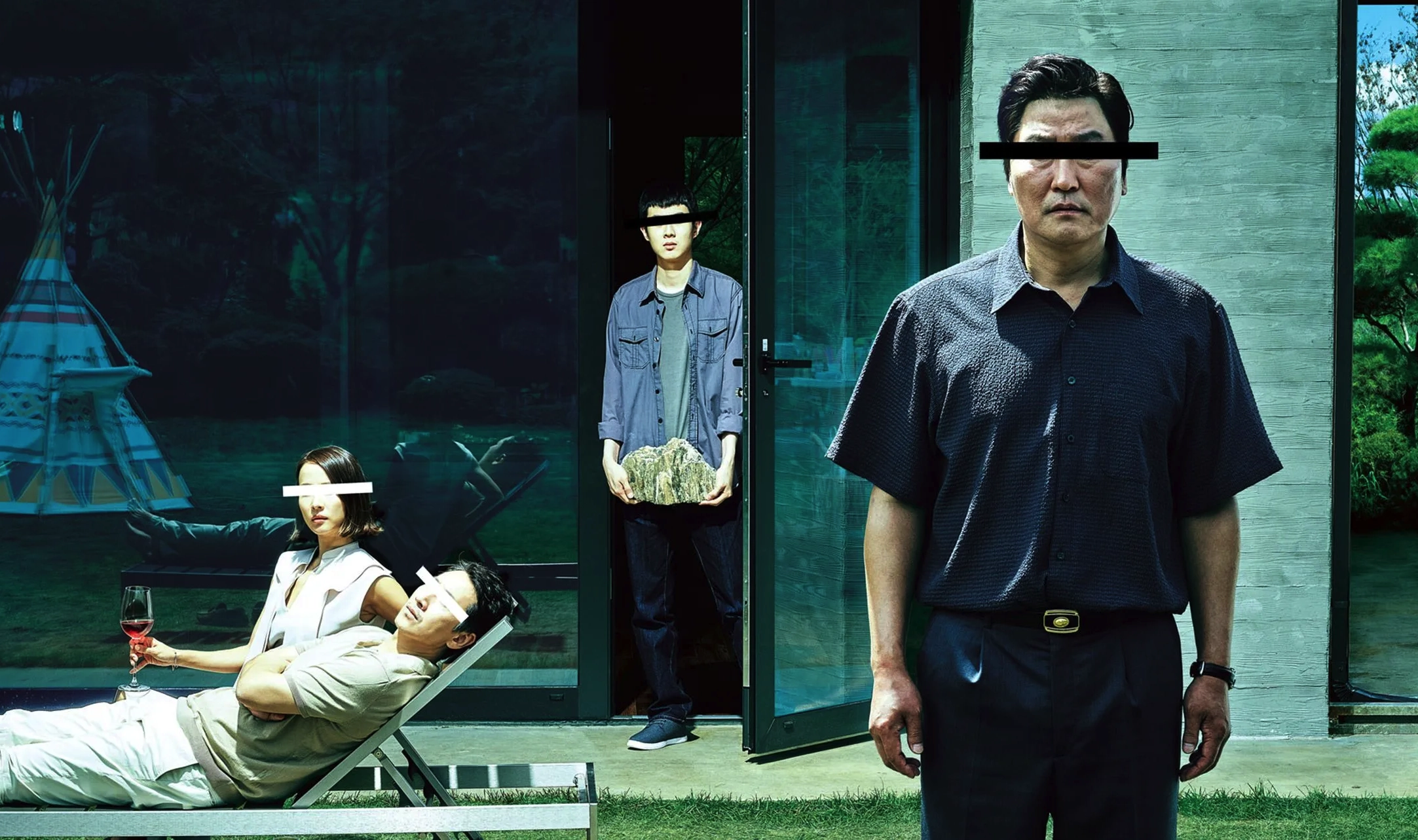
Unemployed Ki-Woo forges a college diploma and finds work as an English tutor for the daughter of the very wealthy Park family, who live in a multi-story house equipped with the latest technologies and gadgets. Woo is surprised that the girl’s parents do not notice his lack of competence. He sees, however, an opportunity to gain even more from the Park family. This is facilitated by Mrs. Park’s almost childlike naivety and the frequent absence of her husband, overwhelmed by work. Parasite.
Woo’s employers also hire a few other people – a housekeeper, a driver – so the boy, in their place, through deception and scheming, will introduce the remaining members of his own family. A perfect opportunity has arisen to finally escape poverty. It is unclear how long this moment will last, so one must squeeze as much as possible from it. Parasite is an exhausting family drama. It gives a picture of two households suffering from completely different problems from within.
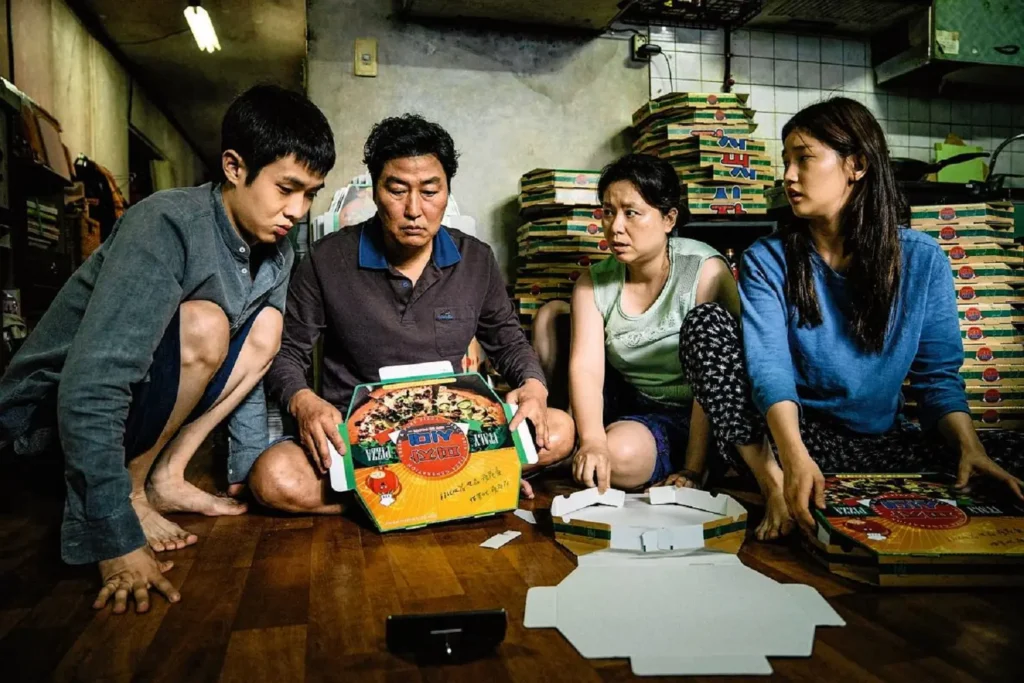
The Ki family lives in crushing poverty in the slums, in a cramped half-basement apartment. The love between them is strong (they seem inseparable as a quartet), as is their sense of shame and helplessness, as well as their ignorance of how to claw their way out of terrible conditions. Only an incredible coincidence or a very good plan could make them all rise from the mire at once. The modern Park family, although secured with above-average comfort and safety, does not have much time to spend together. The members of this family are really connected more by a shared address than by shared activities.
The juxtaposition of the Park and Ki families works on a reverse principle and offers an interesting perspective on the roles of mothers, fathers, and children, while also diagnosing social tension and class misunderstandings. The same material could also have been approached by Hirokazu Koreeda, sensitive to similar themes, and Parasite would then become an informal continuation of Nobody Knows.

Parasite is a first-class thriller. Consistently raising the pulse, intensifying the atmosphere, and in a sophisticated way amplifying the sense of unease. It is a variation on a home invasion thriller. Joon-ho Bong explores the dark corners of the household; we learn the shameful secrets and disturbing pasts of the characters. Parasite is a story of enslavement and exploitation: both physical and mental. It undoubtedly has something in common with Roman Polanski’s apartment trilogy or Michael Haneke’s Hidden. In Bong’s work, discomfort is primarily felt by the viewers, as the victims remain unaware of their situation for a long time. Subtext, lies, and revenge: these are the leading themes of Bong’s film.
Parasite is also a horror film, not free from metaphysical elements. At times, these manifest through a mysterious stone given by a friend, which is supposed to bring luck to the family that possesses it. On another occasion, a gigantic, biblical flood sweeps through the city, introducing a new order and turning the lives of the characters upside down. Bong playfully, through children’s toys and costumes, introduces Native American props and rituals – in American horror films often the cause of intervention by evil forces – adding a new context to the story. However, this is not forced and does not disrupt the excellent structure of the film, in which all genre elements intertwine with surgical precision.
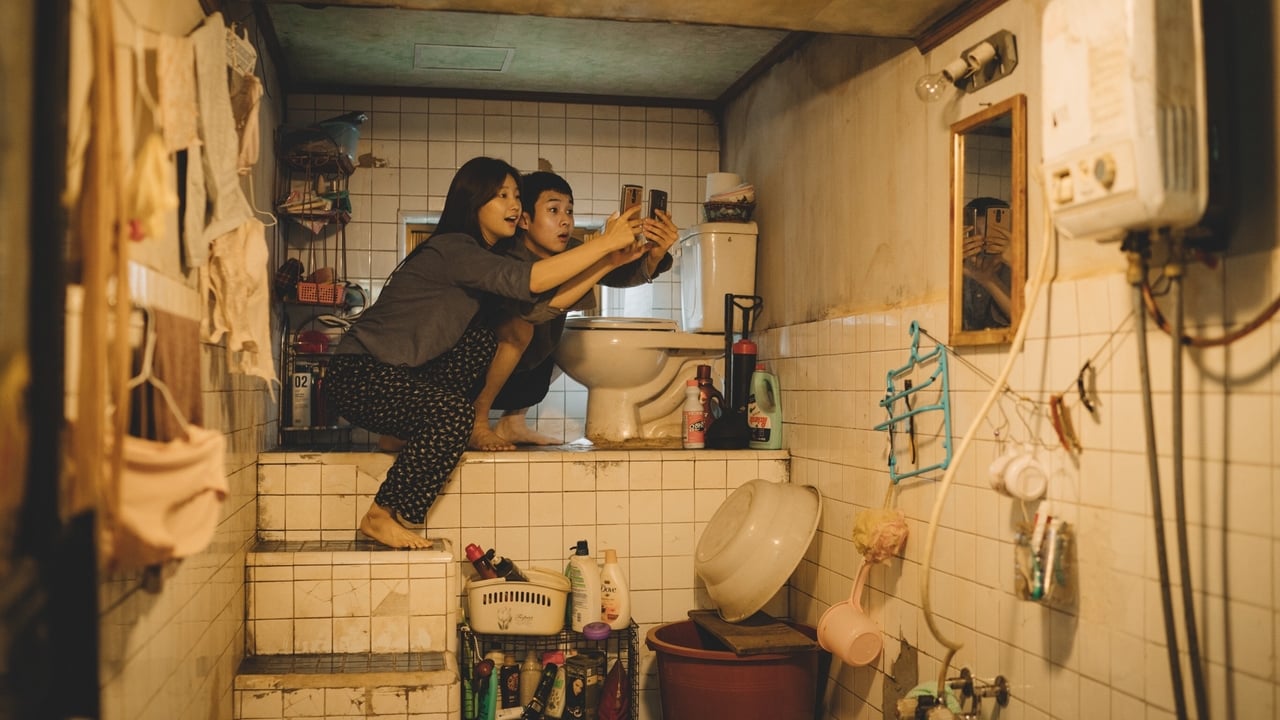
Parasite is also a satire of a welfare society and a comedy of absurdity. A delicate tent, for example, will turn out to be waterproof because it was ordered from America, and the Wi-Fi stolen from neighbors will work only if the user sits on the toilet. During the screening, viewers of Parasite will fear for the lives of the characters, be amazed at what the Ki family can get away with, cover their eyes from the blood being spilled, and laugh and enjoy themselves.
The fluidity with which Bong moves between different conventions, and the ease with which he combines them, is truly impressive. It does not matter which interpretive path you choose, whether you explore one, several, or all at once. Each time you will win. Parasite is, after all, a cinematic diamond shining evenly from all sides.

