
Horror Movies
Looking Back at GHOSTLAND: Still Gives Me Chills
I instinctively lumped Ghostland together with horror films without any arthouse ambition. I was so wrong — I still feel chills as I write these words.

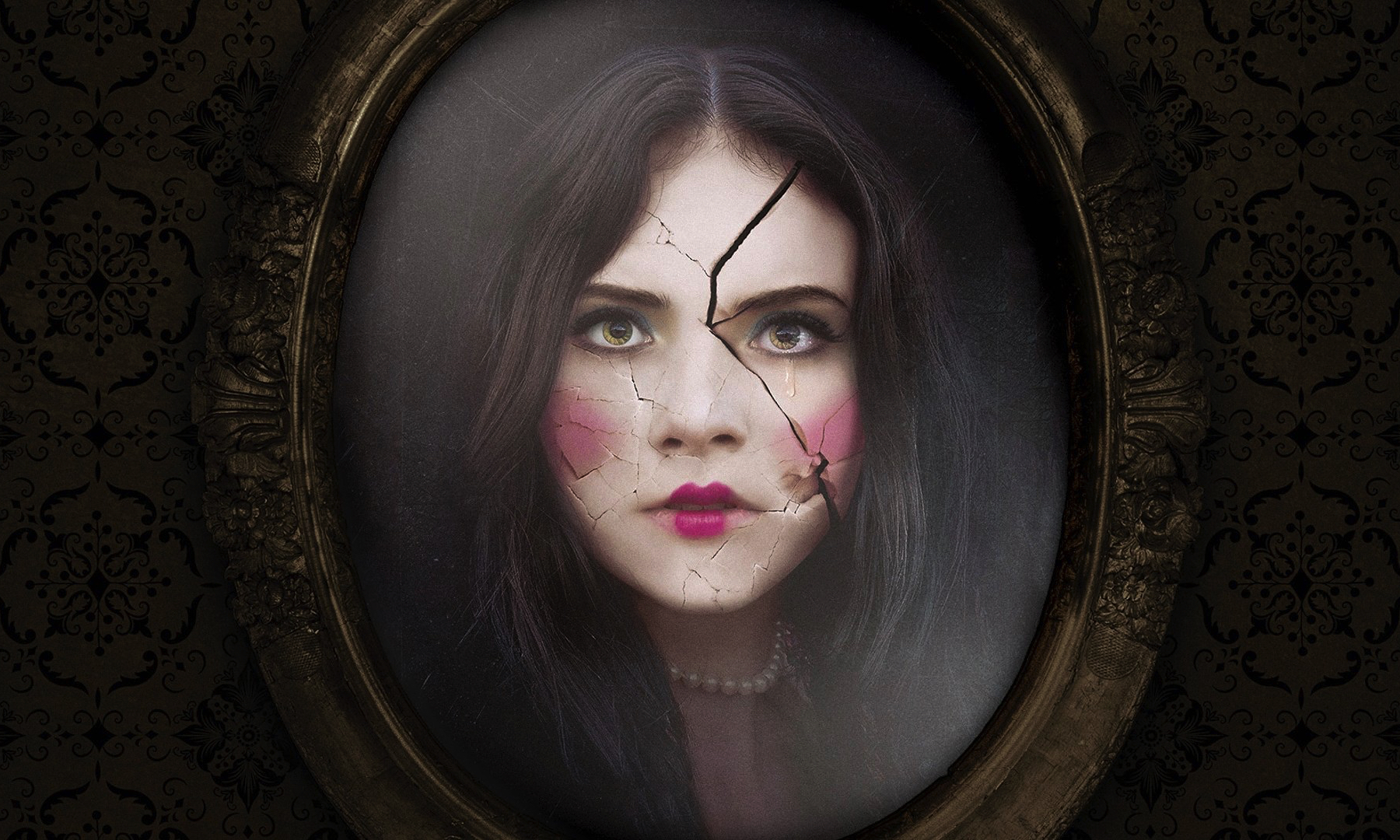
I instinctively threw Ghostland into the same bag as most contemporary horror films that do not display any arthouse ambition. Fortunately, I was wrong, and as I write these words, I still feel shivers on my skin.
Unfortunately, I cannot write why Pascal Laugier (the author of Martyrs) made one of the most interesting horror films of this century. I cannot, because even a general outline of the events that take place roughly fifteen minutes in would ruin the viewing experience.
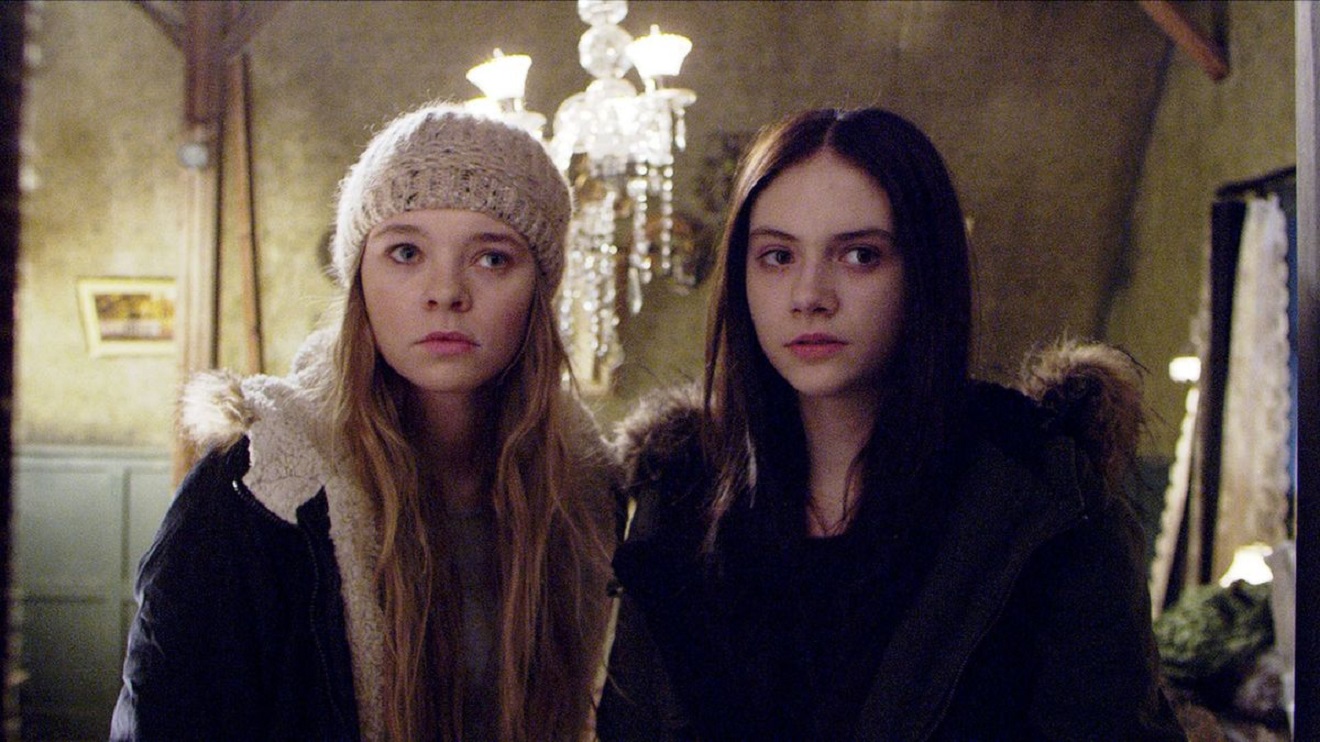
There are no unnecessary threads in the script, no slow stretches, and if genre clichés do appear, they serve only as a curtain behind which we expect to see devices perfectly familiar from dozens of other films, but every single time we fall into the trap of the director’s game. The story is excellently structured, the scenes tightly interlocked, and once you take the bait, even the end credits bring no relief.
The plot is what makes Ghostland great. There are no hidden socio-political messages here, as in Get Out, no original concept of the presented world, as in A Quiet Place, and no intimate, artistic atmosphere, as in It Comes at Night.
Laugier sympathizes with slasher classics, especially with The Texas Chain Saw Massacre, and it turns out that it is possible to return to this convention and tell a fresh, fascinating story with its help, without winking at the audience, without references to the 1980s or other devices sending the message: We know that you know where we took all this from, but thanks to this bilateral, silent agreement we are safe from accusations of imitation.
At first, the action seems to be heading toward a haunted house story, a moment later the suggestion becomes clearer that a home invasion awaits us, and after a few more minutes one may suspect a bizarre combination of both. It looks about as improbable as Baron Zemo’s intricate plan in Captain America: Civil War, but the director (and screenwriter at the same time) plays the viewers like a seasoned chess player.
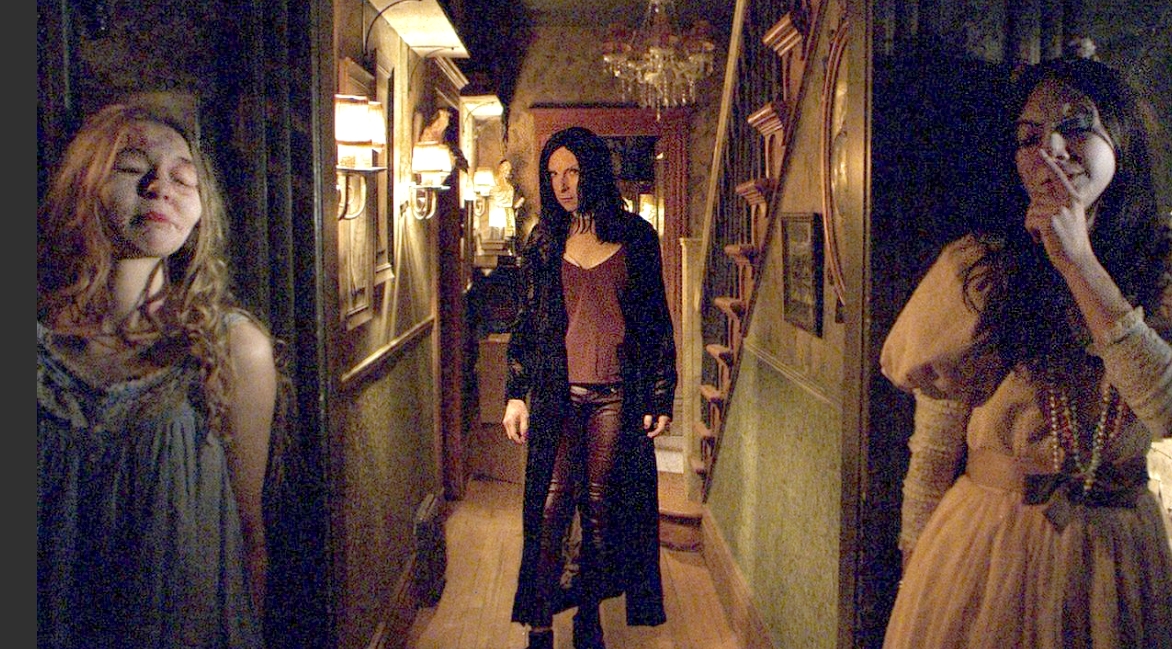
Many filmmakers either cannot or do not want to adopt the audience’s point of view (as a result, monstrosities like Rings or Ouija are created), but this time we are dealing with someone who would probably point out inconsistencies, lack of logic, unnecessary jump scares, and the whole repertoire of complaints typical of anonymous reviewers. As a result, almost every time I thought I had solved another narrative cliché according to the key, it kept turning out that I was wrong…
I would like to give specific examples, but it would be less harmful to reveal who dies in Avengers: Infinity War. I will only reveal this much: in the entire history of horror, the police have probably never been this effective.

A boundary that, according to unwritten canon, was not to be crossed has also been crossed. Women in horror films may here and there be given a few artificial cuts, smeared with blood, their clothes torn, but usually that is where it ends. Even after the most brutal struggles with masked maniacs, they should radiate sex appeal. They should, but Laugier does not care.
Home invasion in his version skips the foreplay of cutting the power, knocking on the door, and similar devices. Instead, the massively built Rob Archer is immediately sent into action — nearly two meters tall, weighing one hundred and thirty kilograms — who sweeps away slender teenage girls like a derailed train hitting passengers waiting on the platform.

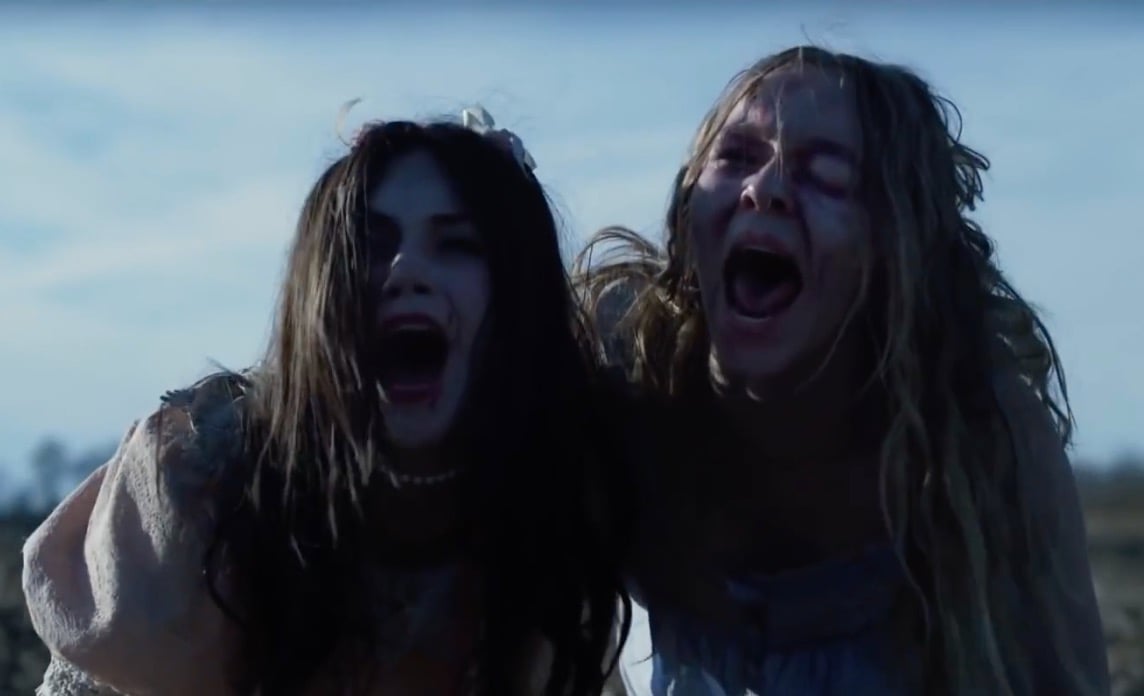
Emilia Jones and Taylor Hickson do not come out of this uneven clash with merely slightly split lips. Their faces are swollen, bruised, horribly battered, and there is something terrifying in this realism. No ghost or zombie will ever evoke as much fear as the image of human cruelty. Moreover, this cruelty is not exaggerated in the manner of Saw or A Serbian Film, and it is impossible to get rid of images of how we ourselves would behave in a similar situation.
The work on set was, in fact, so intense that after an unsuccessful scene involving breaking glass, Hickson ended up in the hospital, where seventy stitches were put in her face. Of course, the producers will be held accountable, but conspiracy theories are already emerging about a curse, the supposed evidence being a poster featuring a woman with a slashed face…

There are those who claim that Ghostland promotes hatred directed against women. Some even speculate that the director was projecting his own disgusting desires onto the film’s characters, but in that case, do Children of the Corn promote hatred toward children, and does The Lair of the White Worm promote hatred toward men?
One may also ask differently — are there any horror films that do not promote hatred toward women? I suspect, however, that the women playing five of the seven key roles in this film were fully aware of what they were signing up for, and lamenting their fate is an insult to the intelligence of each of them.

The amount and realism of the violence shown by Laugier may prove difficult for some viewers to endure, but horror is not meant only to entertain with a cheerful song from the 1980s playing somewhere in the background or with an alien of elaborate properties created entirely on a computer.
The word horror, in its literal translation from Latin, means terror, and despite the flood of excellent titles released in the last decade or so, none contained such a large dose of its original meaning.


