
Review
IF I HAD LEGS I’D KICK YOU. Rose Byrne On the Verge
A small movie with great power – it hits without warning, grabs you by the throat, and stays under your skin.

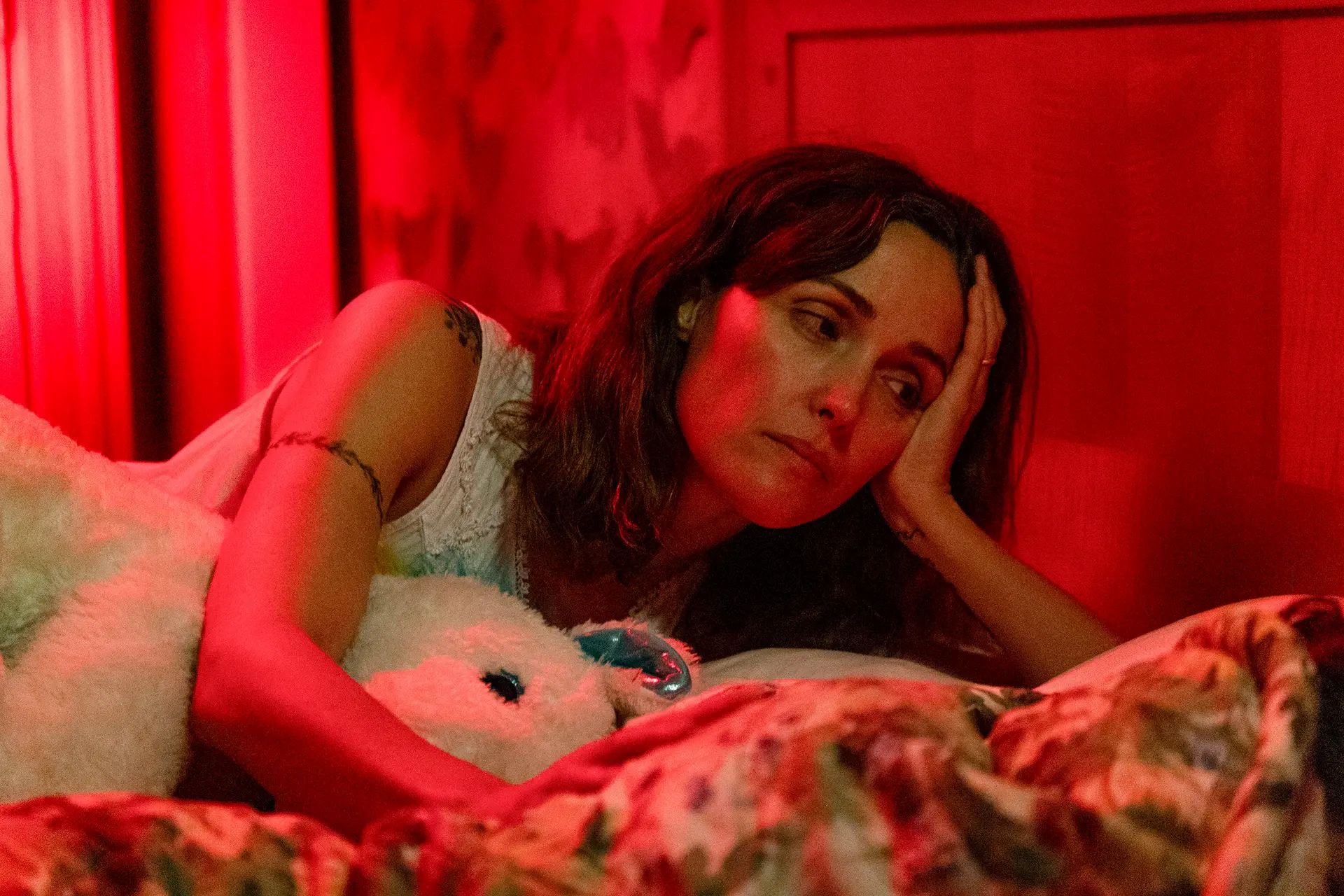
Seventeen years after her last feature film, Mary Bronstein returns with a new project inspired by her own experiences of motherhood. However, this is not a realistic drama, but a psychological horror film with elements of black humor. The American independent company A24 not only ensured the film’s premiere at the Sundance Film Festival and participation in other prestigious events (such as the Berlin Film Festival), but also wide theatrical distribution. The producers include Josh Safdie and Ronald Bronstein, co-creators of the successful Marty Supreme, which made it on the Oscar list this year, earning as many as nine nominations. If I Had Legs I’d Kick You made it onto the Oscar list with only one nomination.
A look at the overall list of awards for this film may suggest that we are dealing with a production in which an outstanding acting performance overshadows everything else. The actress who played the lead role won a Silver Bear in Berlin, a Golden Globe, awards from critics in Chicago, Los Angeles, New York, Kansas City, San Diego, Toronto, and many, many other distinctions for her performance. Rose Byrne’s performance seems to be the only reason for the critics’ enthusiasm. However, this is not entirely true – the script, direction, cinematography, and editing form a coherent whole. Every part of the film – from the claustrophobic shots to the grotesque elements – is equally well thought out and valuable.
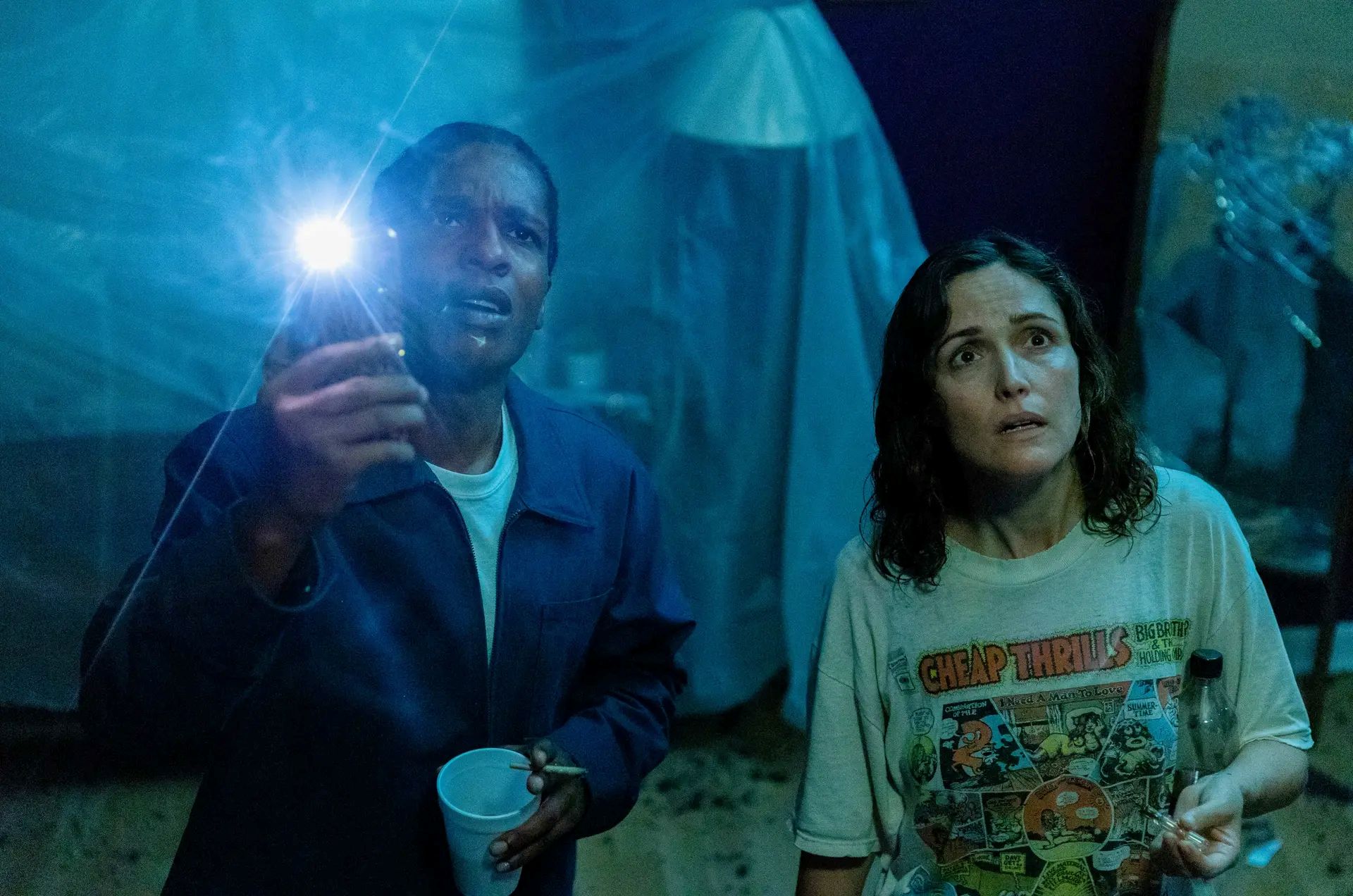
The film focuses on a character named Linda – a psychotherapist and mother who is trying to cope with the chaos of everyday life. On the one hand, she struggles with her daily responsibilities towards her seriously ill daughter, and on the other, she faces the enormous demands of her profession, in which every meeting with a patient requires her full attention, emotional sensitivity, and responsibility for every word she utters. Her difficulties are compounded by her husband’s frequent absences and a growing sense of isolation, which force her to face her problems alone, without support and without room to breathe.
The camera constantly follows Linda, often filming her in close-ups and claustrophobic shots that show the slightest nuances on the protagonist’s face. Thanks to this, the viewer almost enters her psyche, feeling similar tension, fatigue, and the growing absurdity of everyday life. The classic narrative gives way to an intense experience that leads the viewer to the brink of emotional knockout. This effect on the viewer was made possible, among other things, by the fact that during the moments of interaction between mother and daughter, the daughter isn’t shown on screen at all.

The author herself justified this decision with the following words: “If you introduce this the face of a child into a scene, no matter what’s going on, your sympathy and empathy is going to go to the child.” The idea was to focus the viewer’s attention on the mother’s emotions, and Mary Bronstein stuck to this concept consistently until the end.
Rose Byrne didn‘t come on set to tick off another routine role, but completely immersed herself in the character – you can see the many months of preparation for the role and close collaboration with the director. Mary Bronstein didn’t want to limit herself to psychological truth, so she introduced elements of surrealism, horror, and grotesque. She needed an actress who could create an instinctive and physical performance, while finding comedy in non-obvious moments. Rose Byrne, with her more than 25 years of experience in drama and comedy, proved to be the perfect choice. She did an excellent job, as confirmed by numerous critical acclaim and awards.
The film in question is not easy or pleasant to watch, but thanks to Rose Byrne’s wonderful performance, it doesn’t tire the viewer. It draws them into an intense, emotional experience and forces them to reflect on the pressures of motherhood, the loneliness of dealing with problems, and the fragility of the human psyche, while balancing on the edge of realism, absurdity, and psychological nightmare.
A great combination of horror and humor is the scene with the hamster – the rodent was intended by the author to resemble Jack Nicholson’s crazy personality in The Shining. Although the entire film rests on the shoulders of the lead actress, it’s also worth mentioning that the film also features rapper A$AP Rocky, comedian and television star Conan O’Brien (host of the talk show Late Night with Conan O’Brien), and Christian Slater, who plays more with his voice than his face.
It’s a small movie with great power – it’s worth watching!

