
Review
DOLLHOUSE: A Hugely Underrated Cyberpunk Series
In the world of Dollhouse, it’s possible to wipe a person’s memories and skills from their brain – creating a true tabula rasa – and imprint a new personality.

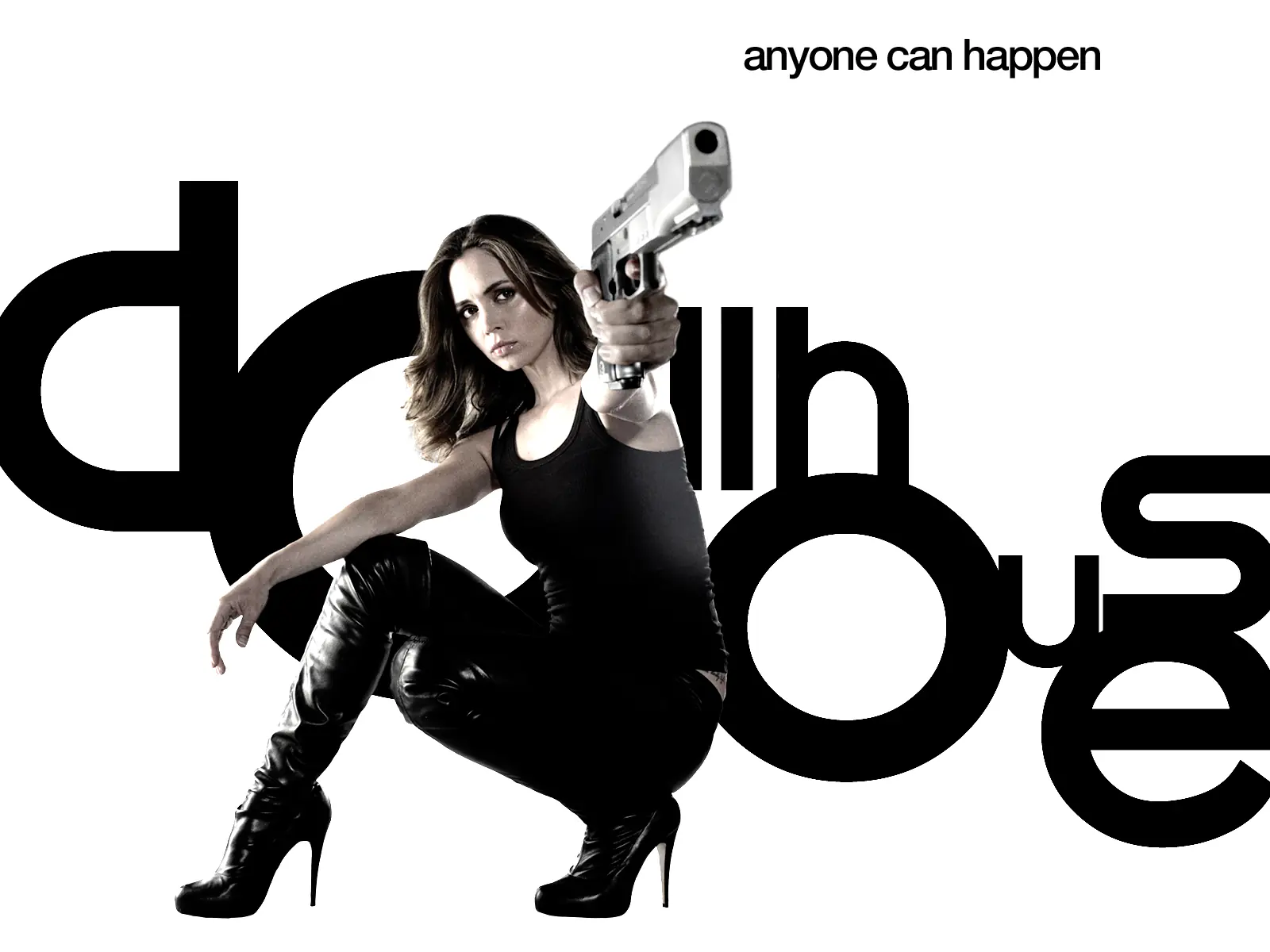
Joss Whedon has a great idea for a series. The Fox network is interested. Production begins. Fox is dissatisfied. Joss Whedon makes compromises. Fox boycotts his vision, barely promotes the show, and effectively sabotages it. The show airs. Fox is surprised that hardly anyone is watching. Sound familiar? Well, Fox has already killed off quite a few good shows – two of them by Joss Whedon. One of them is – as any fan of the genre and Whedon’s work surely knows – Firefly, and the other – Dollhouse.
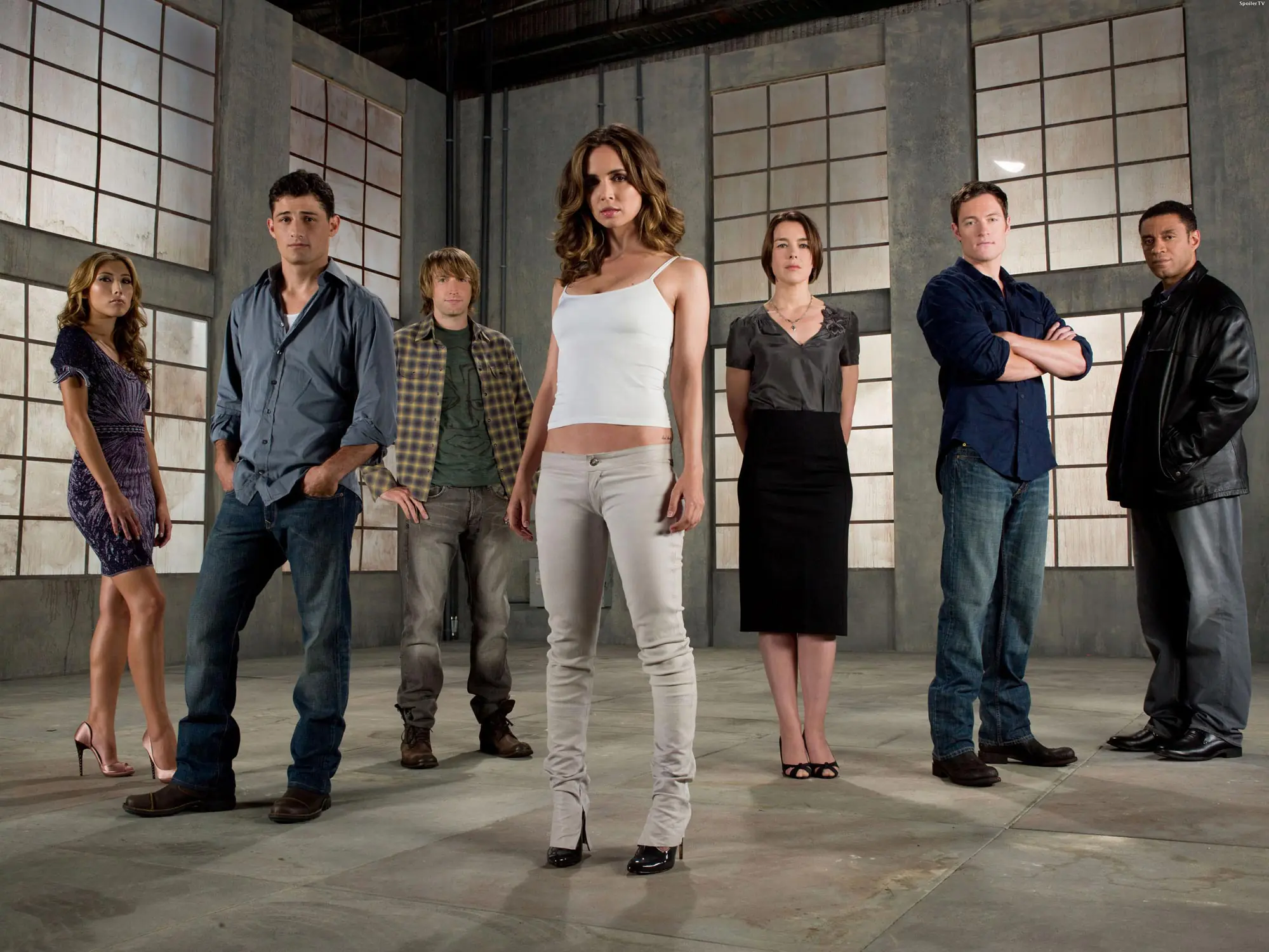
In the world of Dollhouse, it’s possible to wipe a person’s memories and skills from their brain – creating a true tabula rasa – and imprint a new, replaceable personality. Such people, selected by the head of the titular Dollhouse, can be rented by wealthy clients, who specify the desired traits. Dolls are used for various purposes – yes, sometimes for what would essentially be considered prostitution – but other times they’re needed for very different skills.
Any human attribute or ability can be modified. Dollhouse follows the story of Echo (Eliza Dushku); Echo may be a negotiator, a dancer, an extreme sports enthusiast, a singer…
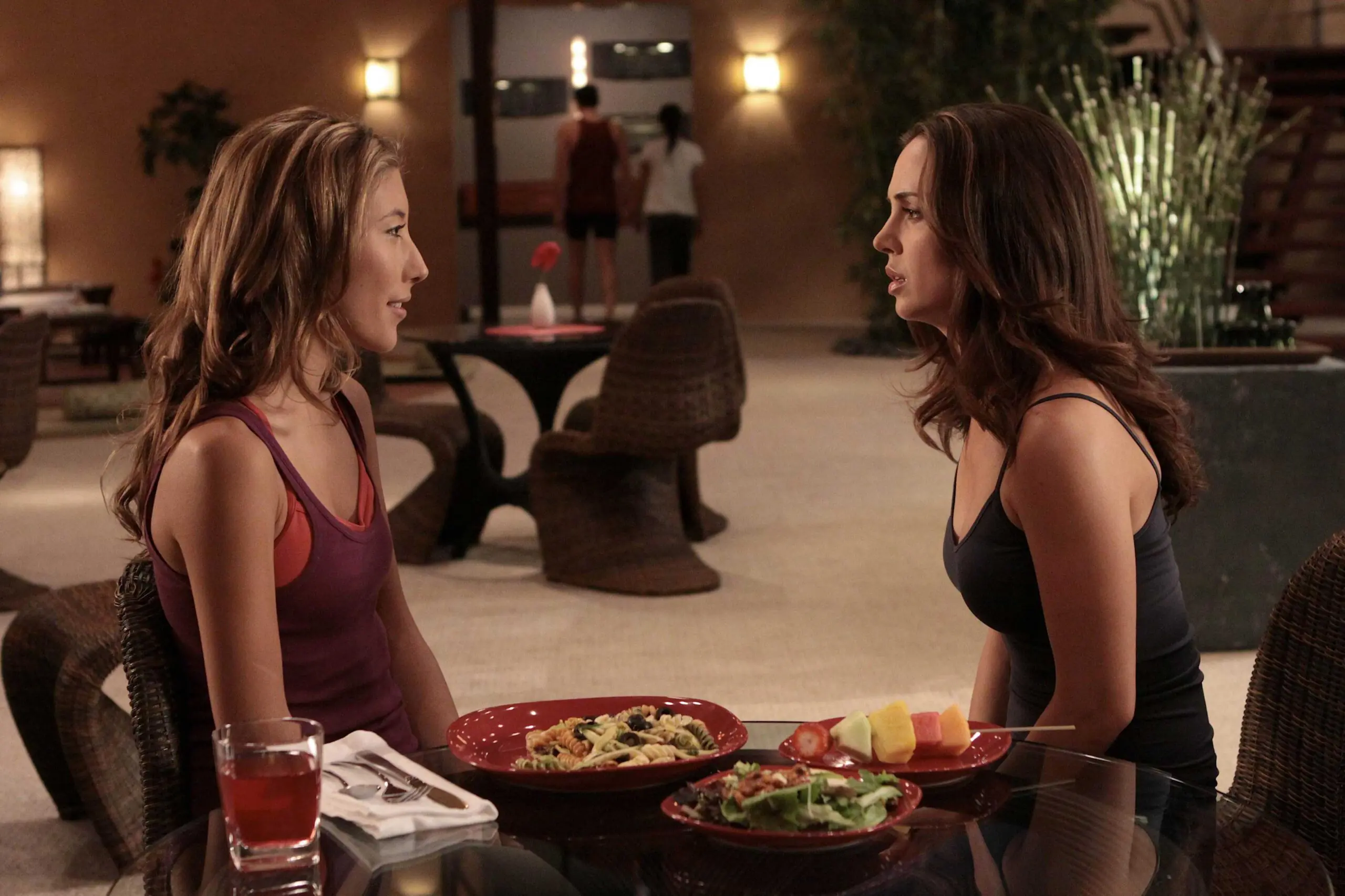
In the breaks between accepting these personalities, the Dolls are like children – helpless, naïve, and highly suggestible. The personality-and-skill-swapping procedure assumes a complete memory wipe, but we observe Echo gradually realizing that she retains individual memories in the back of her mind, even though none of them technically belong to her.
And that’s when the game begins…
The idea is – at least in my opinion – very interesting. But also problematic. The main character changes her personality in every episode. The supporting characters are mostly other Dolls, which means they, too, have different personalities every week. How are you supposed to get attached to anyone? The American audience isn’t used to that – even Doctor Who doesn’t introduce such drastic changes.
Only after a few initial – unfortunately rather formulaic – episodes does the series take off. It’s then that Echo discovers she’s not herself, and that’s when the viewer starts rooting for her.
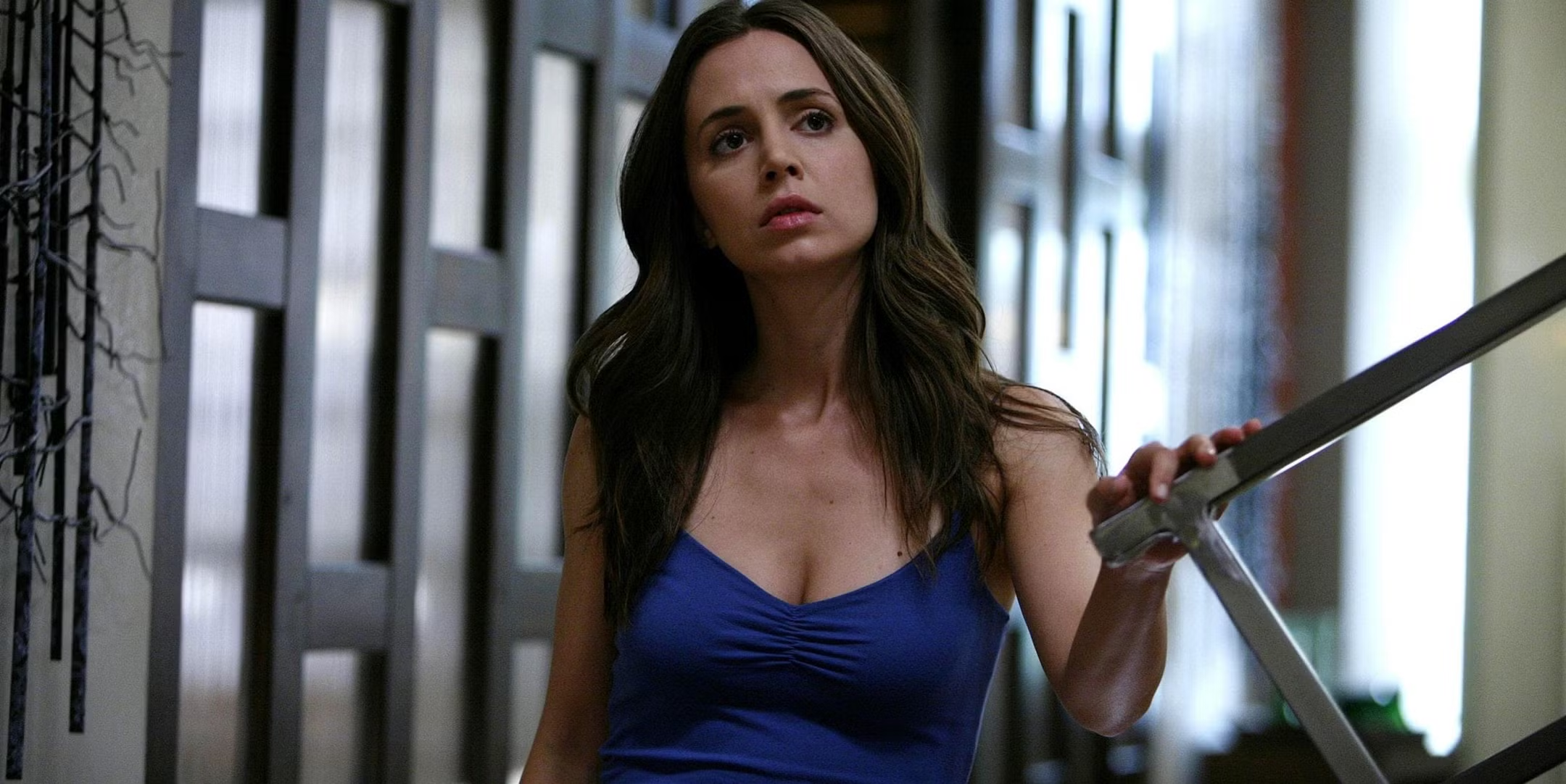
Once again, Fox didn’t treat Joss Whedon’s series very well. They did order a second season – which was something of a miracle in itself – but didn’t air the final episode of the first season. Epitaph One showed the future awaiting the characters, and a rather grim one at that, and it’s quite possible more viewers would have tuned in later to see what led to that outcome.
Dollhouse raises a lot of other uncomfortable questions. Does the human soul truly exist? Can it be removed somehow, or are we always bound to it? Is voluntary slavery still slavery?
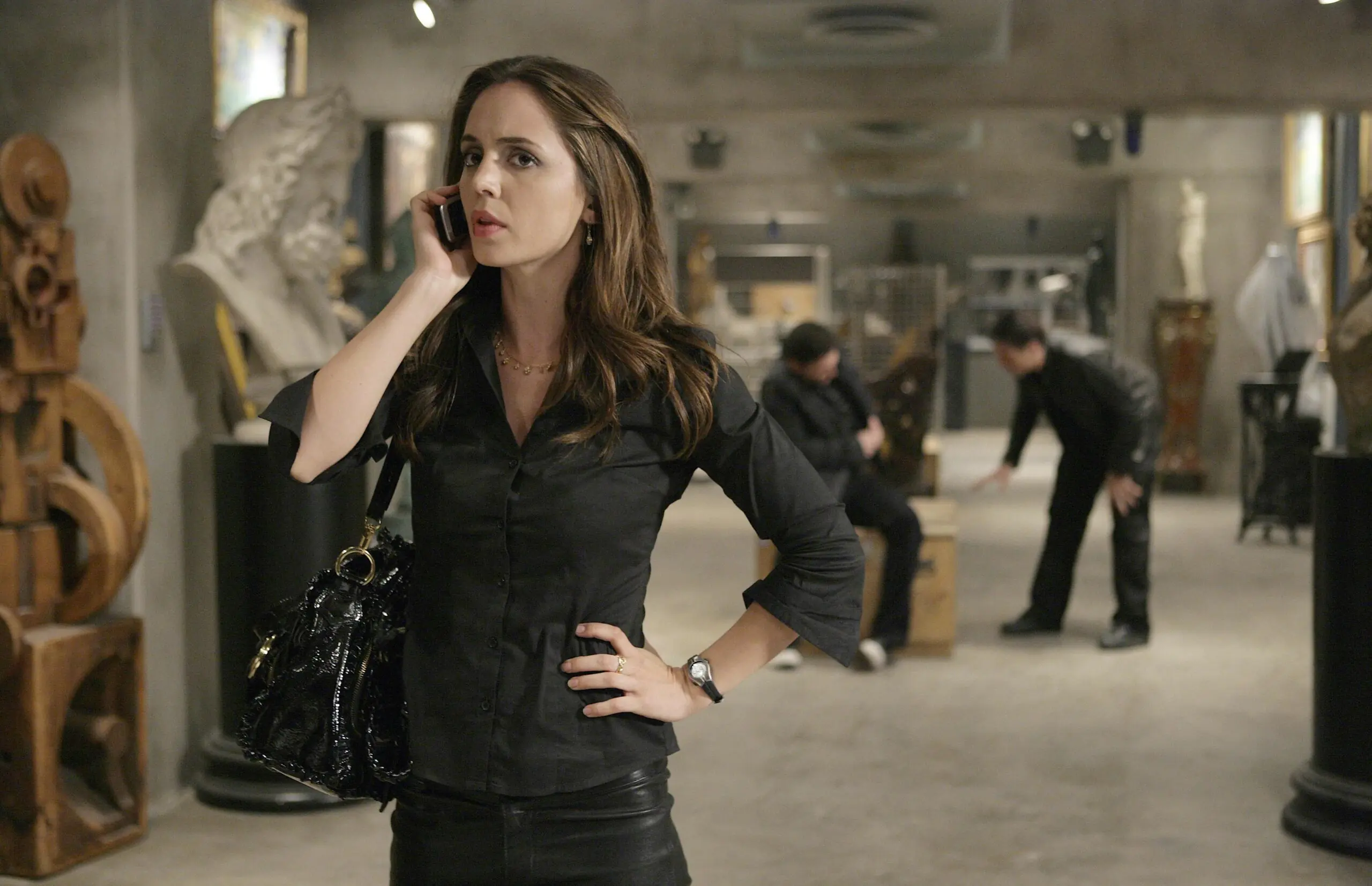
In this world, there are no definitively good or definitively evil people. Everyone has done something, been through something, something that made them who they are. Uncovering their pasts and watching their transformations is very enjoyable. One such transformation is experienced by Topher (Fran Kranz), initially shown as a stereotypical computer geek, a nerd among nerds – also a bit shy and snarky.
It’s similar with FBI agent Paul Ballard (Tahmoh Penikett), who changes sides at one point – but not in an unexpected way. This isn’t a series where characters suddenly do strange things against their nature.
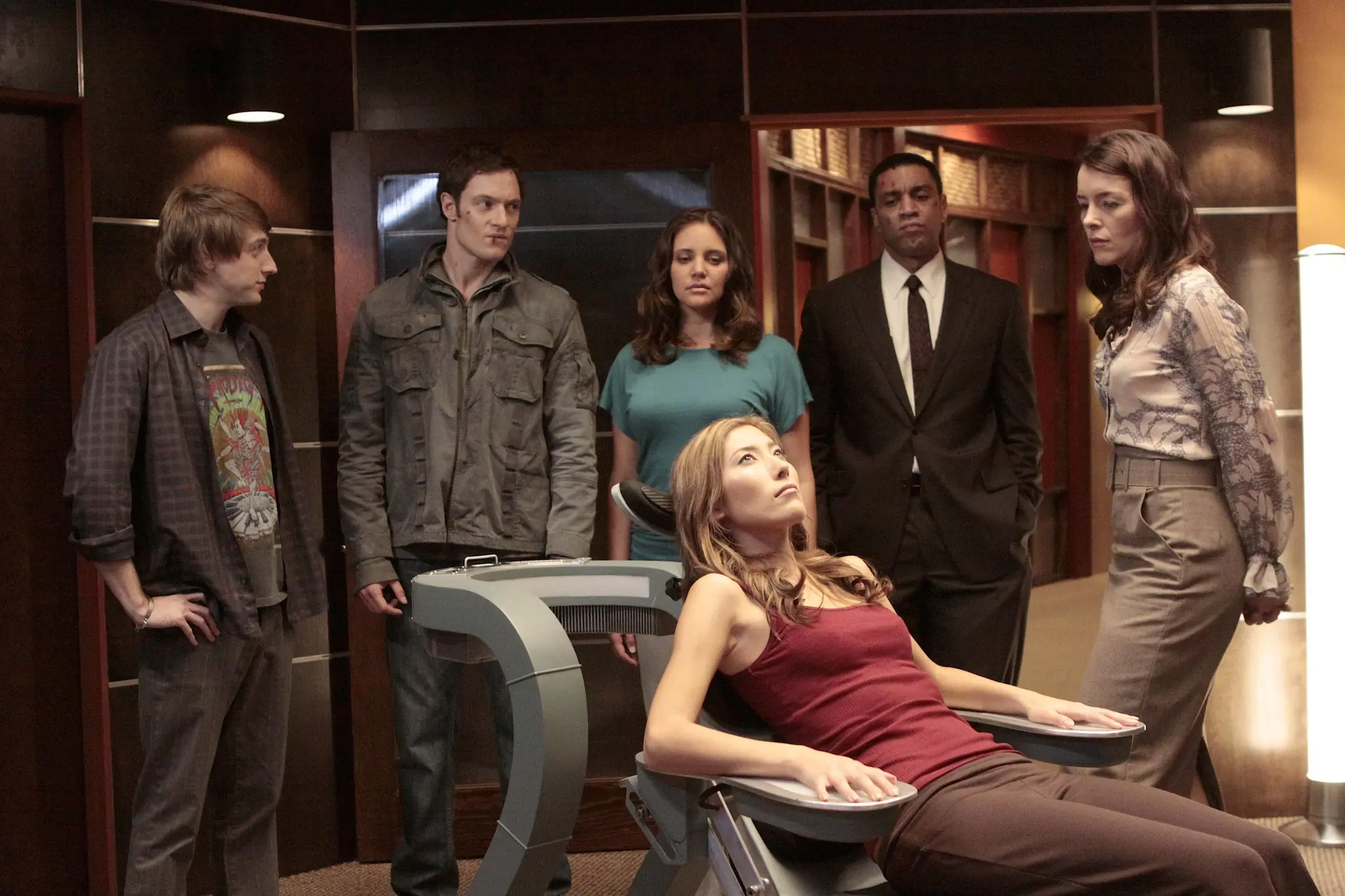
There is, however, a lot of darkness and sadness in this world. Very few happy endings, few heroes, little joy. That’s undoubtedly one of the reasons Dollhouse isn’t held in high regard even among Whedon fans, who rarely name it among their favorite shows. Whedon became known (among other things) for combining darkness with a certain smile, joy, and optimistic vision of the future.
Angel, though also grim, had far more humor than Dollhouse. Typical Whedon-style quips are present here too, but in much smaller doses.
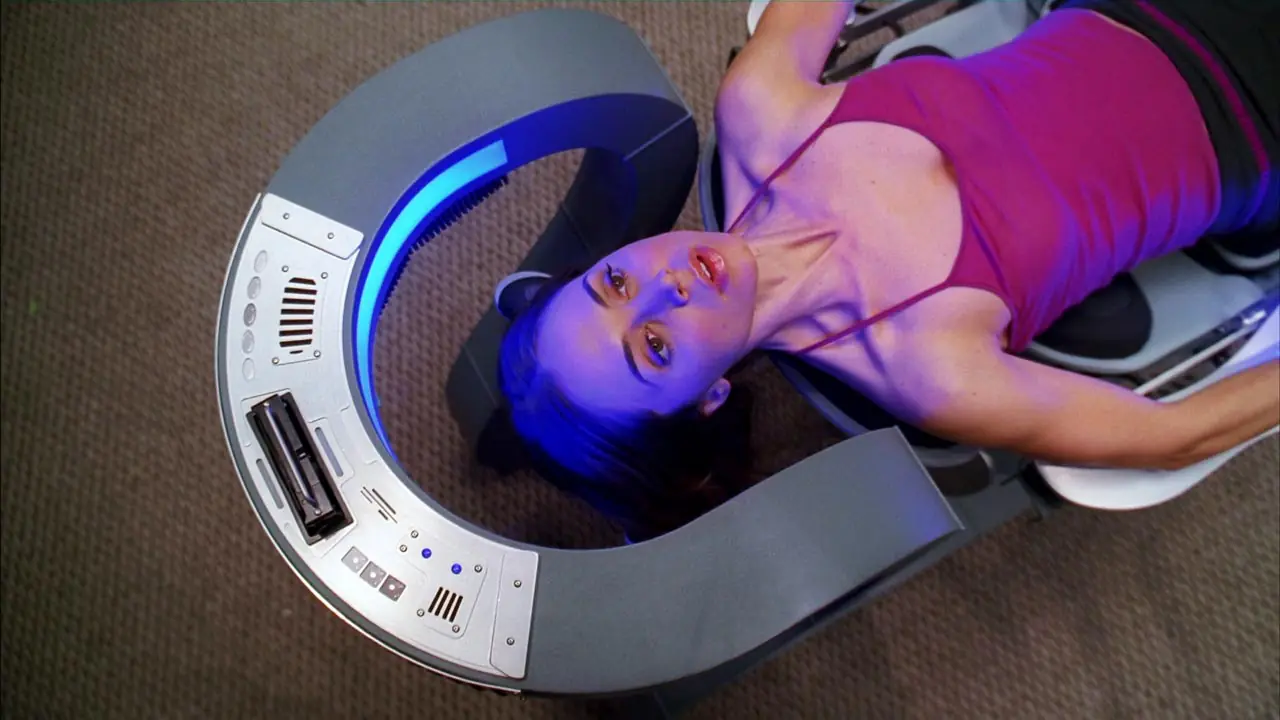
Eliza Dushku also didn’t entirely rise to the challenge of playing a completely different character each week. She’s not a bad actress, but she’s certainly no Tatiana Maslany. Dushku is good enough to make her various roles believable, but she doesn’t dazzle. Overall, in this regard Dollhouse is a tricky case.
There are really no weak actors here – but also no one who steals every scene. It’s a good, genuinely solid cast… just without fireworks.
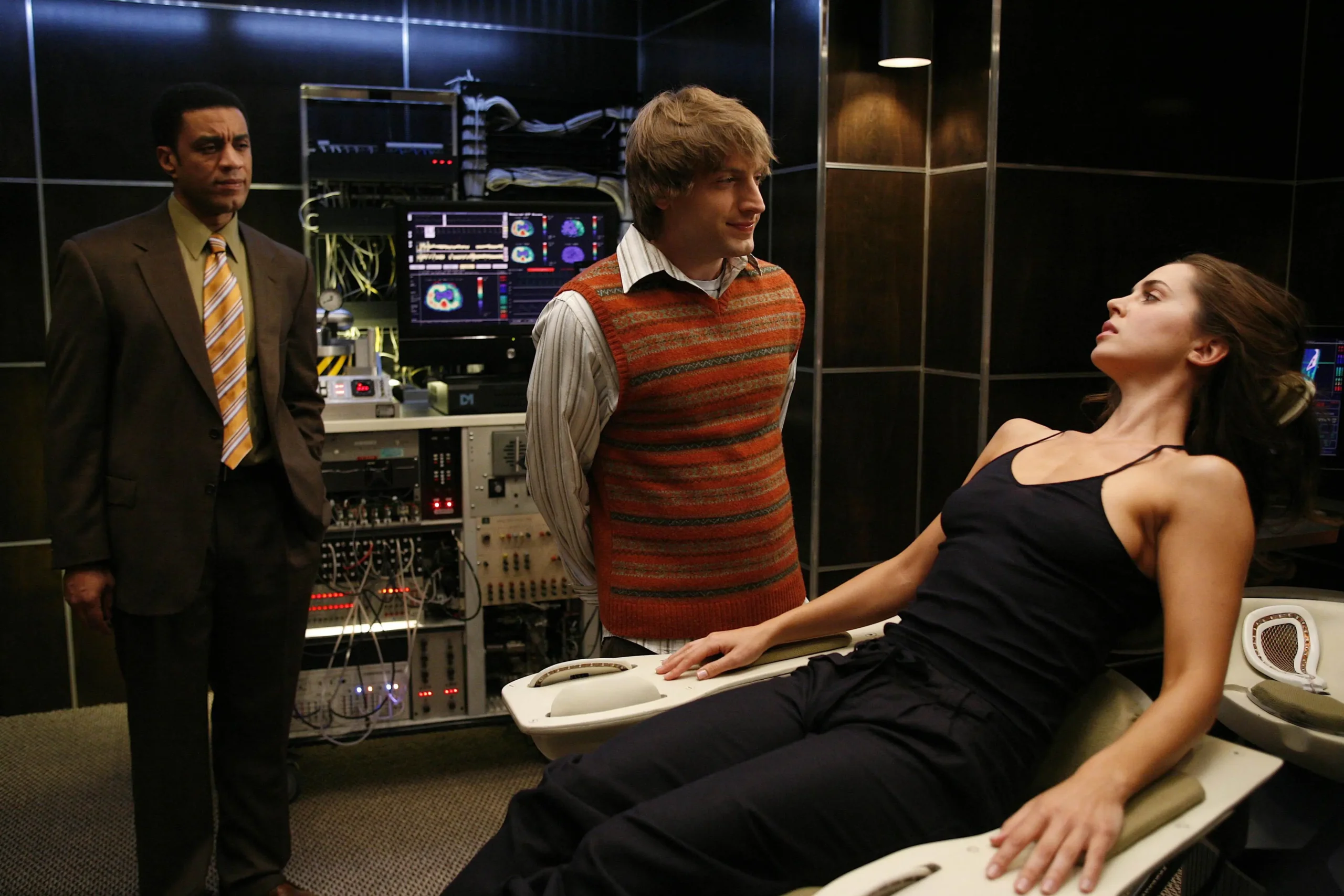
All this combined meant that Dollhouse passed largely under the radar, but it has its loyal fans – myself included. The reality of this world speaks to me far more than that of Buffy or Firefly. Buffy had horned monsters, vampires, and witches; Firefly took place in space, in the distant future.
And I like both of those series. But Dollhouse takes place almost now. It’s a world we know – there’s a city, there are regular people doing regular things. Only, in secret, the Dollhouse operates. It could be our reality. Because who’s to say we’re not just one step away? You’re unlikely to stumble across a vampire or spaceship anytime soon, but how can we be sure that some shady organization isn’t already researching how to wipe the human mind and overwrite it with entirely new memories and abilities?

