
Review
BIRDBOY: THE FORGOTTEN CHILDREN. Social Courage
Following the model of the best horror films, terror, nightmare, and evil in Birdboy are not merely technical exercises in cultivating an oppressive mood.

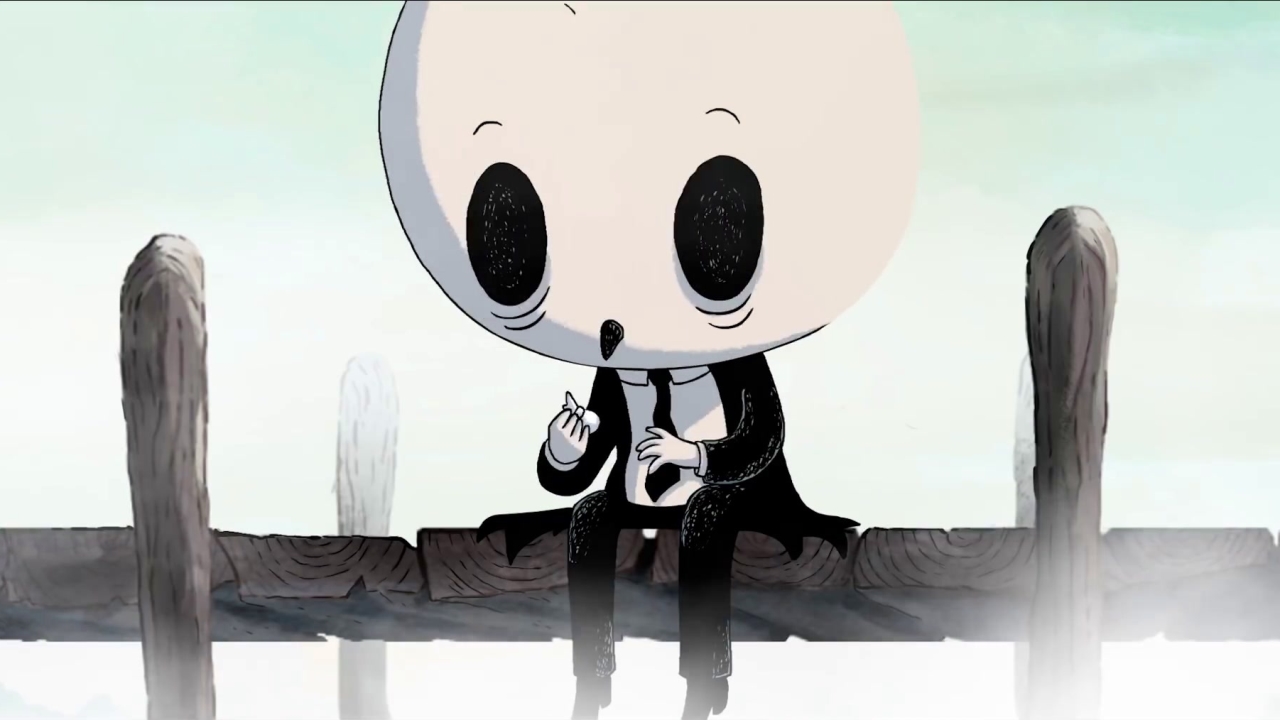
The narrative template of Birdboy: The Forgotten Children may evoke more than one children’s fairy tale. Three friends decide to leave a dangerous area in search of a better place to live. One of them, Dinky, is seriously at odds with her parents and spontaneously decides to run away from home. We also have a boy who can fly, Birdboy, who reminisces about the days when he lived with his father in a lighthouse—now regarded as a lair of evil forces. If we look toward the ocean surrounding the island, we notice a small boat. Its owner, Zacharias, also dreams of leaving the area, but he is tethered by his ailing, no-longer-independent mother.
Elsewhere, a father and son traverse a landfill stretching to the horizon in search of valuable copper. All the characters—like figures from a fable, dressed in animal costumes—look ahead, dream of a better life, and yearn to escape to a brave new world.
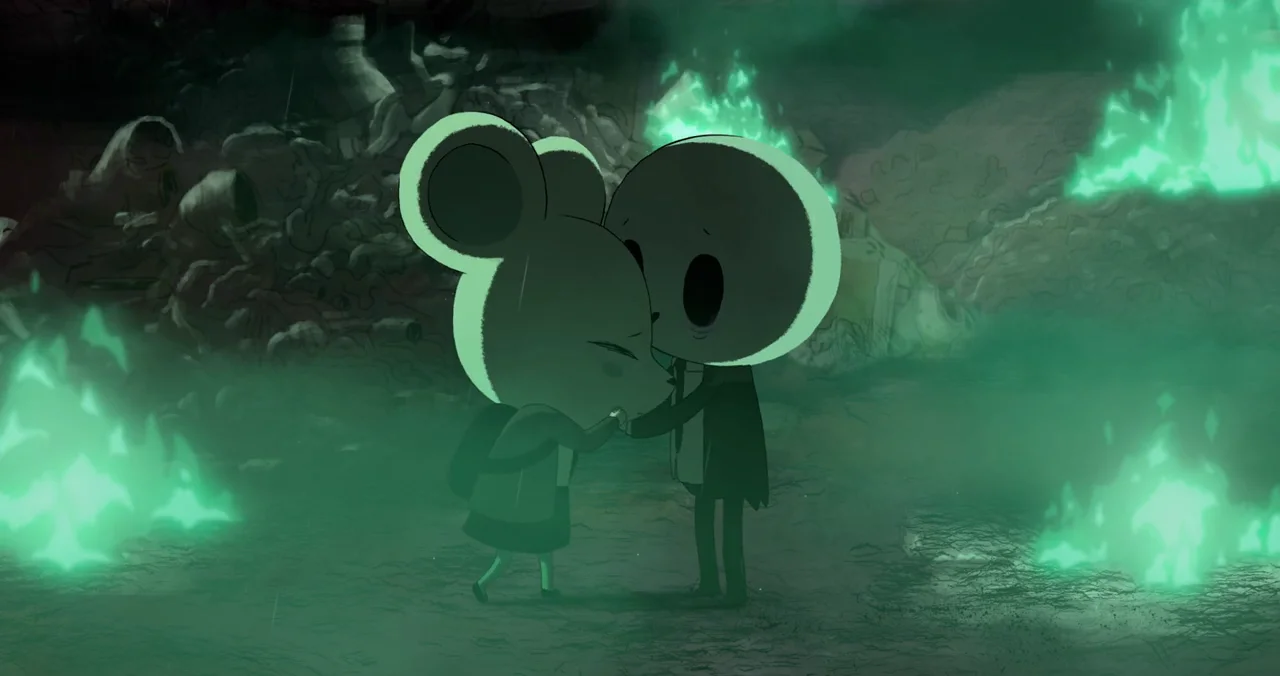
In Spanish animation, a question far more important than “what?” is “how?”. The directing duo of Pedro Rivero and Alberto Vázquez draws on an entire arsenal of horror conventions, leaping between its many subgenres. In Birdboy, references to monster movies and body horror mingle with tales of possession, and in the distance we glimpse a ghost-haunted lighthouse. We encounter a cult led by a brutal leader, and we peer into a home where deranged parents psychologically torment their daughter using a terrifying prop. On the roads of the island—now in a pitiful state—there are constant reckonings and acts of violence. Power always belongs to the stronger, the more desperate, the more ruthless.
Birdboy is also one of the few Western animated films that does not shy away from the sight of blood. It appears in more than one scene, used both literally and symbolically. Yet this is still an incomplete picture of the world depicted. Completing it is an extraordinarily important context that determines the course of events and shapes every motivation: we are on a planet shortly after nuclear annihilation. Birdboy thus becomes an exceptionally original voice in post-apocalyptic cinema—rendered with remarkable precision on the level of text and with memorable vigor and expressiveness in its visuals. Yes, Birdboy is a masterpiece, an absolute pinnacle of 21st-century animation.
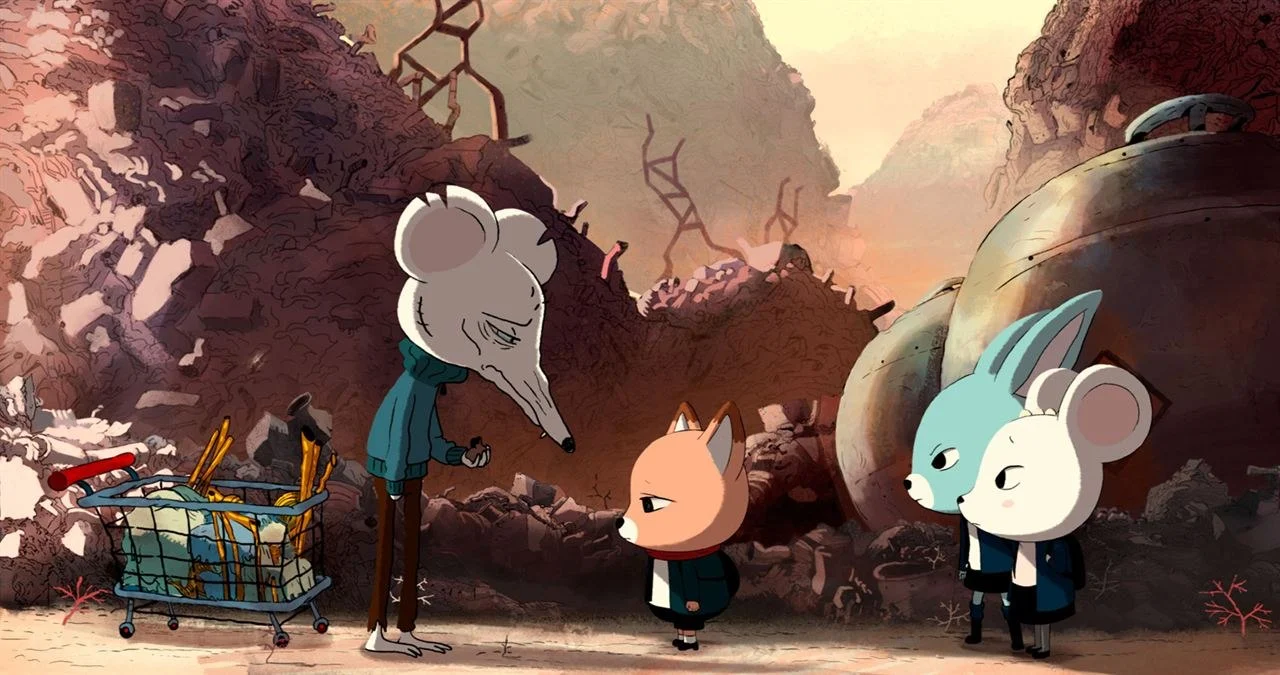
Setting aside the Spanish animation’s multilayered, allegorical structure, there is one scene in Birdboy that captures the film’s subversive nature and unique sensibility. Two rats—a father and son—wander across a landfill (which covers nearly half the island), searching for pieces of copper, a valuable resource melted down into coins. One day they encounter an identical pair. A territorial conflict erupts. In the world of Birdboy, conciliation and diplomacy are not the first options for resolving disputes. Barely seconds pass before the two fathers and two sons hurl themselves at one another.
The goal is, of course, singular: to tear the opponent to death. In the end, neither pair remains intact. A child loses a parent. A parent loses a child. A new duo forms—two characters who were complete strangers moments before. Worse still is the alternative of total solitude. The devastated boy, with little other choice, grabs his bucket of treasures and follows the father who emerged victorious from the duel. Birdboy is a story about a world falling apart and about desperate, often futile attempts to rebuild it.
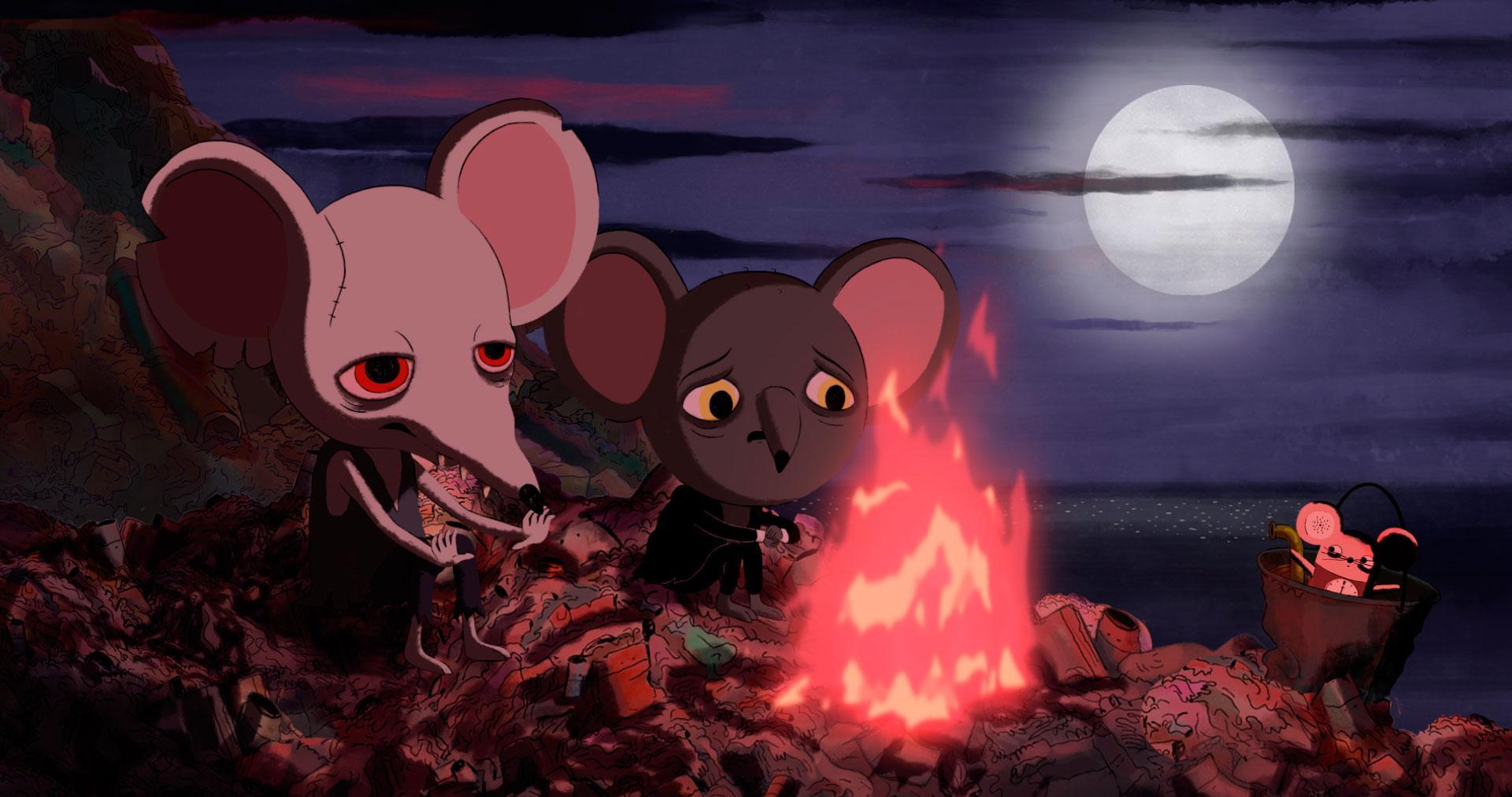
Following the model of the best horror films, terror, nightmare, and evil in Birdboy are not merely technical exercises in cultivating an oppressive mood; they are narratively fused with the film’s themes. They are expressions—sometimes imagined, sometimes real—that translate the characters’ fears and traumas into metaphor, exaggeration, and symbol. A perfect example is the storyline of Zacharias caring for his mother. Unconscious, dazed, and addicted to medication, the woman begs her son for more injections. When she hears refusal, her other nature reveals itself—the evil force slumbering within—taking the form of a massive, aggressive spider.
Enslaved, Zacharias will breathe freely only when his mother dies. Until then, he cannot think of leaving the island. Madness, despair, and frustration—these dramatic tones permeate every story in Birdboy.
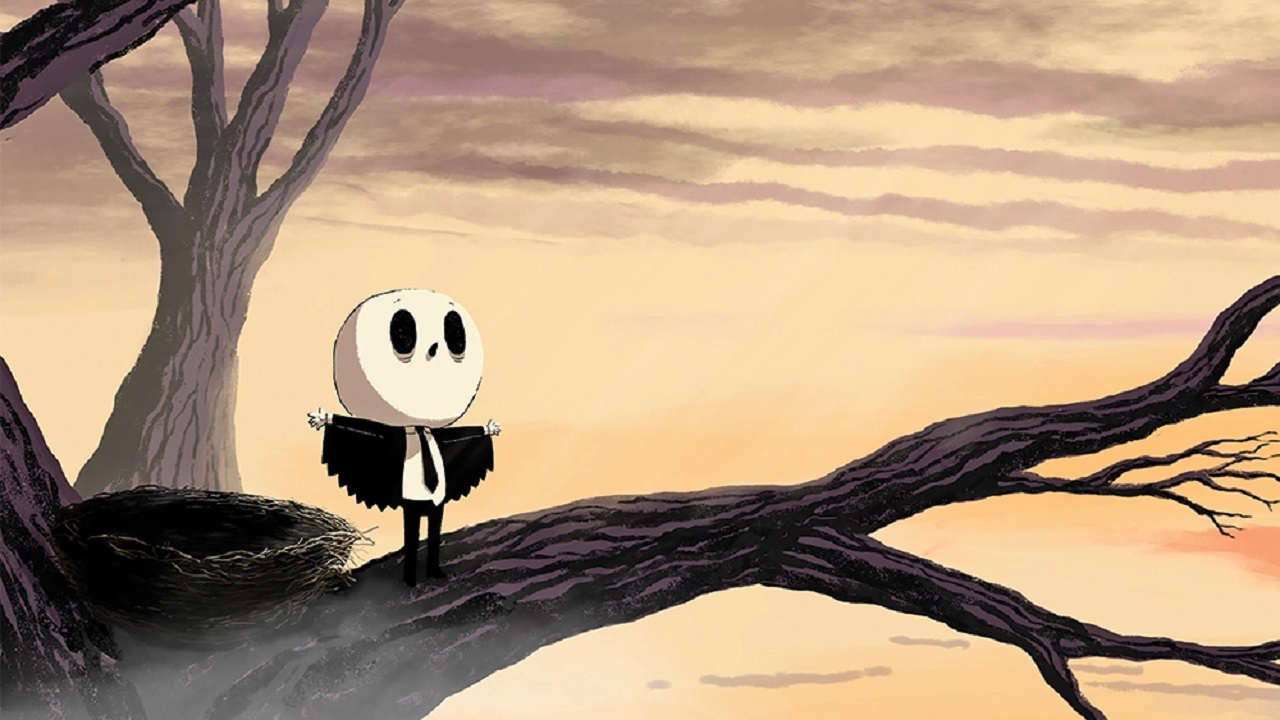
The animated film by Rivero and Vázquez possesses a social courage and stylistic uncompromisingness rarely seen even in live-action cinema. In Birdboy, the depicted world lives on multiple planes: on the scale of a global cataclysm and in details such as animated objects (a piggy bank, an alarm clock) that, once abandoned, desperately try to find a new purpose. Meanwhile, the visual opulence—present in reality, in waking life, and during drug-fueled trips—makes this a film worth repeated viewings. It is encoded so cleverly that a viewer aged ten, forty, or eighty will draw something unique from Birdboy every single time.

