Horror Movies
THE CAR: When B-Movies Attack on Four Wheels

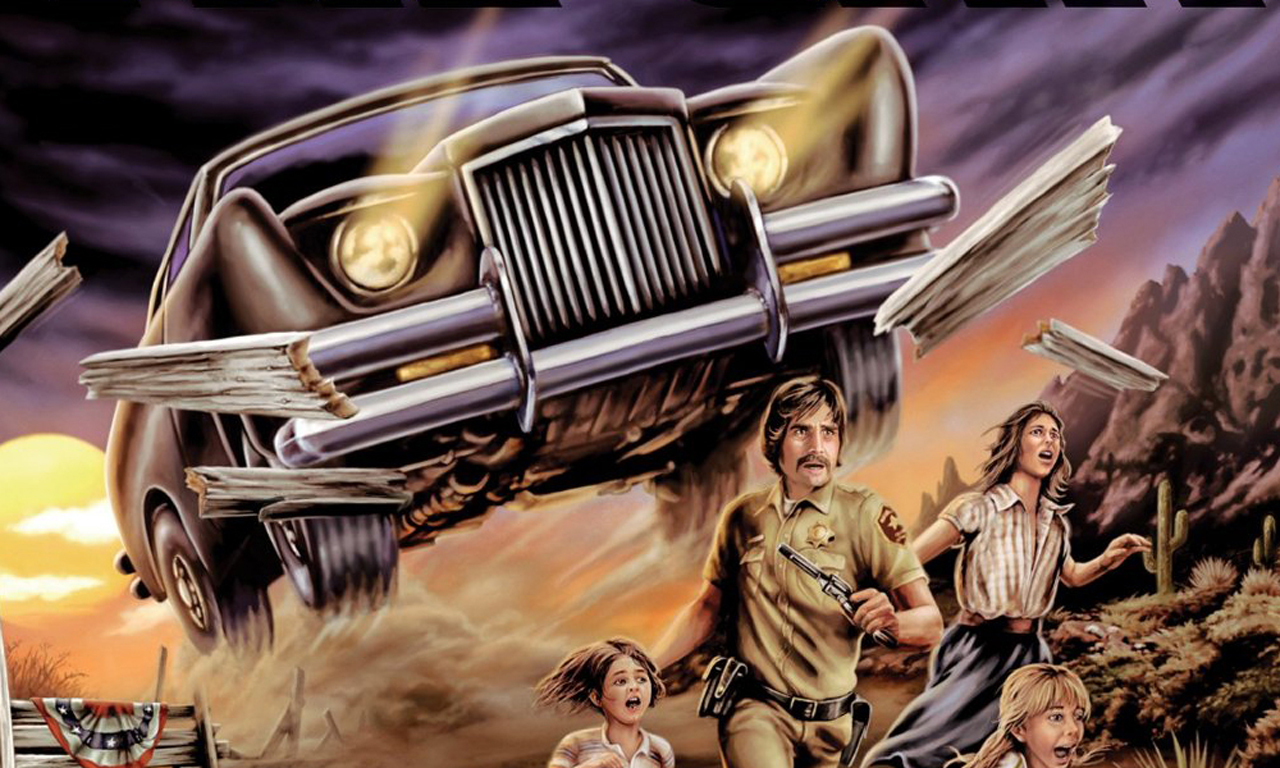
Killer cars are a popular theme for B-movie cinema. The footage can be shot almost entirely outdoors, usually in the middle of nowhere along a stretch of highway. Add a few actors to play the good, the bad, and the ugly characters who will fall victim to or resist the confrontation with a bloodthirsty vehicle. There are various models to choose from: Steven Spielberg in Duel terrorized viewers with an old tanker truck, while John Carpenter preferred an elegant red Plymouth Fury named Christine. Meanwhile, a lesser-known director – Elliot Silverstein – made a film about a small town in the middle of nowhere and its decent residents, who begin to die in road accidents. A large black car of unknown make is involved in every death – The Car.
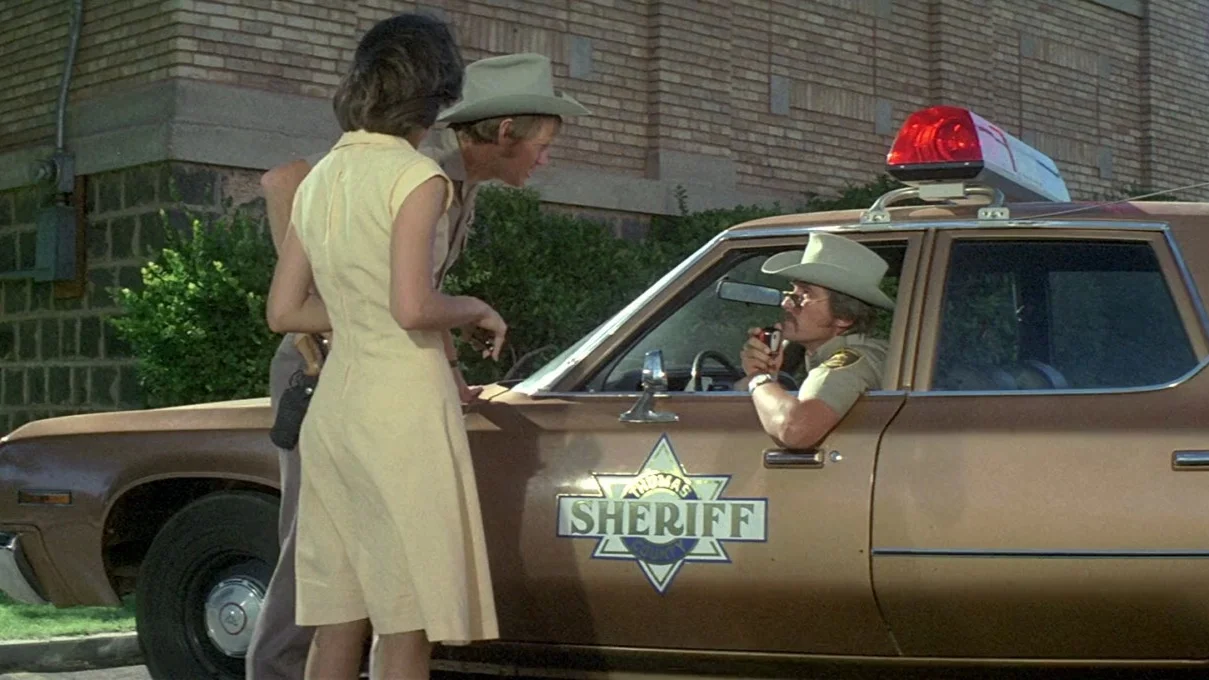
James Brolin appears as Wade, the mustachioed policeman investigating the case. Apart from keeping order in the town, he is raising two daughters and is in a happy relationship with a young teacher, Lauren (Kathleen Lloyd). His superior and good colleague at work is Sheriff Everett, played by none other than John Marley. The two men respect each other and share a rough friendship, and outside work they gladly spend time together. Unfortunately, one evening Wade’s boss dies in a car accident, and the only witness to the incident mentions a large black car that was driving even though there was no driver inside.
At this point the jokes end, and our hero begins a real crusade against the four-wheeled killer. On the one hand Wade must plan an effective manhunt, and on the other keep watch over his daughters and Lauren. The longer the investigation drags on, the more the black car seems unbeatable.
The Car is the younger but also cleverer brother of Duel. Both films focus on the clash between man and machine, and the arena is a road in the wilderness. The fundamental difference is that Spielberg reduced the background of the story to a minimum – what matters is the escape, and then the confrontation between the tanker from hell and an innocent passerby who simply tries to stay alive.
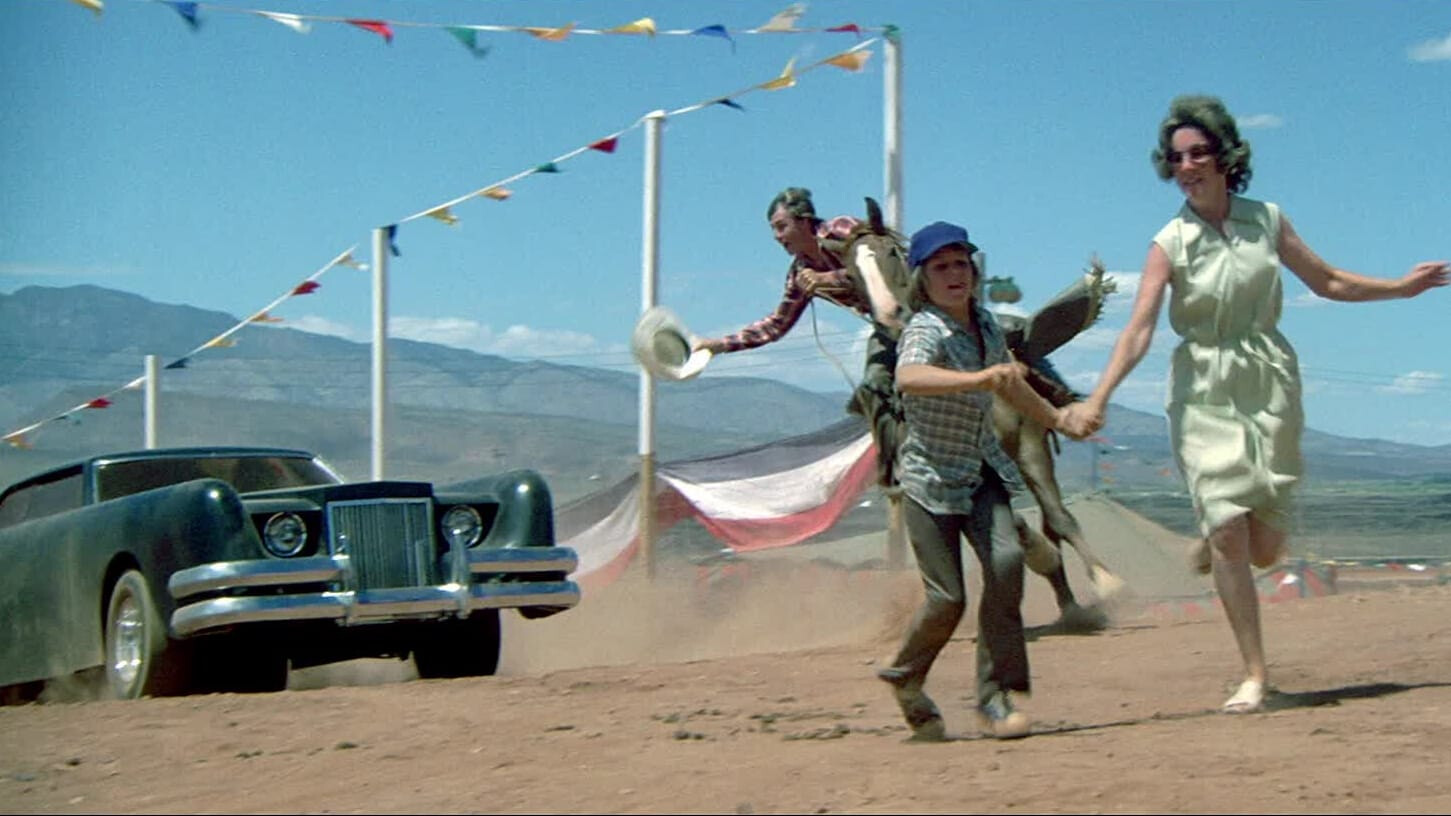
Of course, the machines racing along the road and the increasingly oppressive atmosphere build the climate of the era, but Duel in essence offers little more. Meanwhile, in The Car it is clear that the background has been developed in far greater detail.
Wade has a girlfriend who – apart from ticking off the romantic subplot with a hint of tragedy – plays a role in the development of events. When a group of locals together with Lauren hides in a cemetery and the black Volga cannot enter and angrily circles in front of the gate, the girl is the only one who tries to make contact with the supposed driver. However one looks at it, a strong female character worthy of our times.
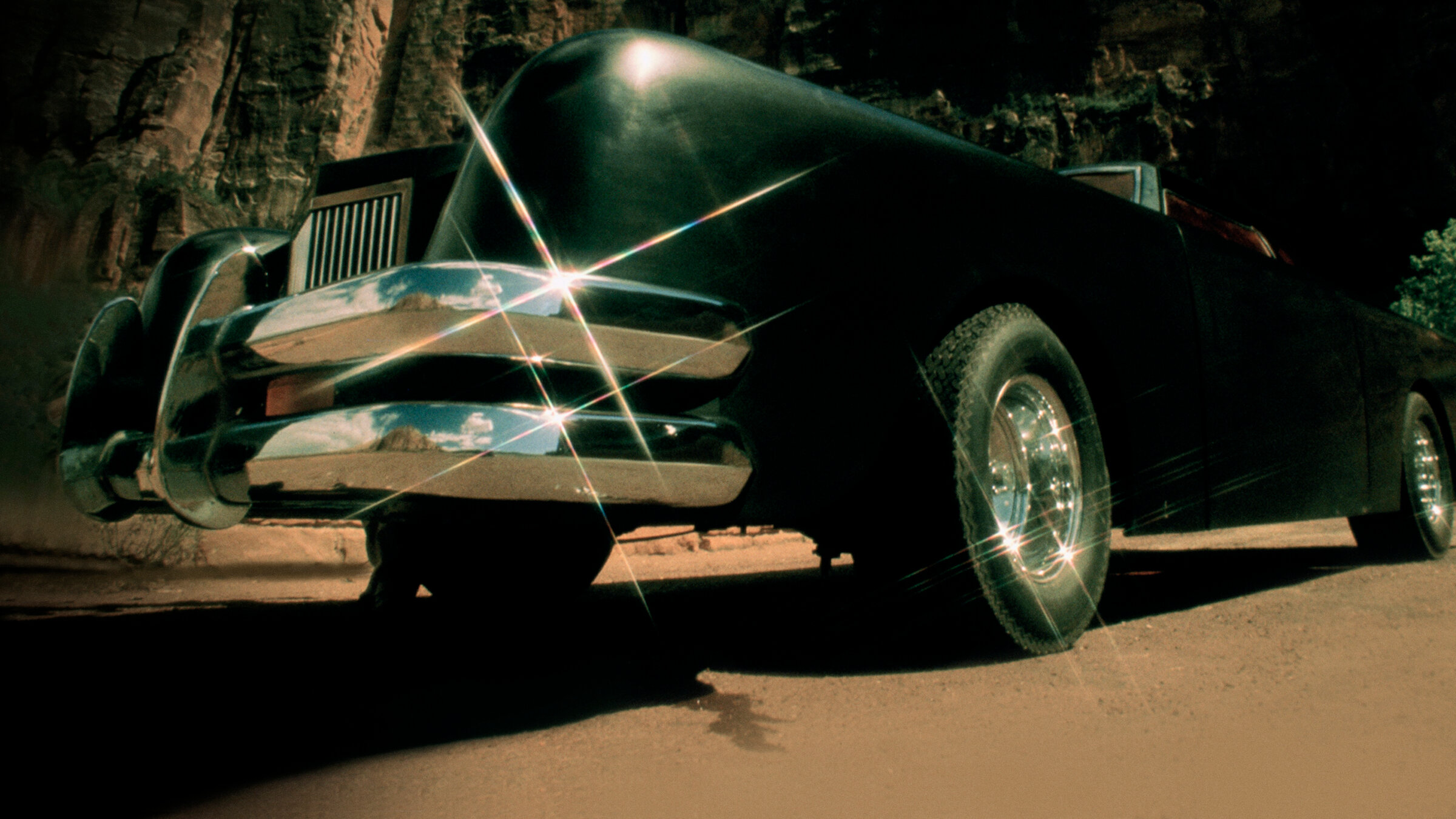
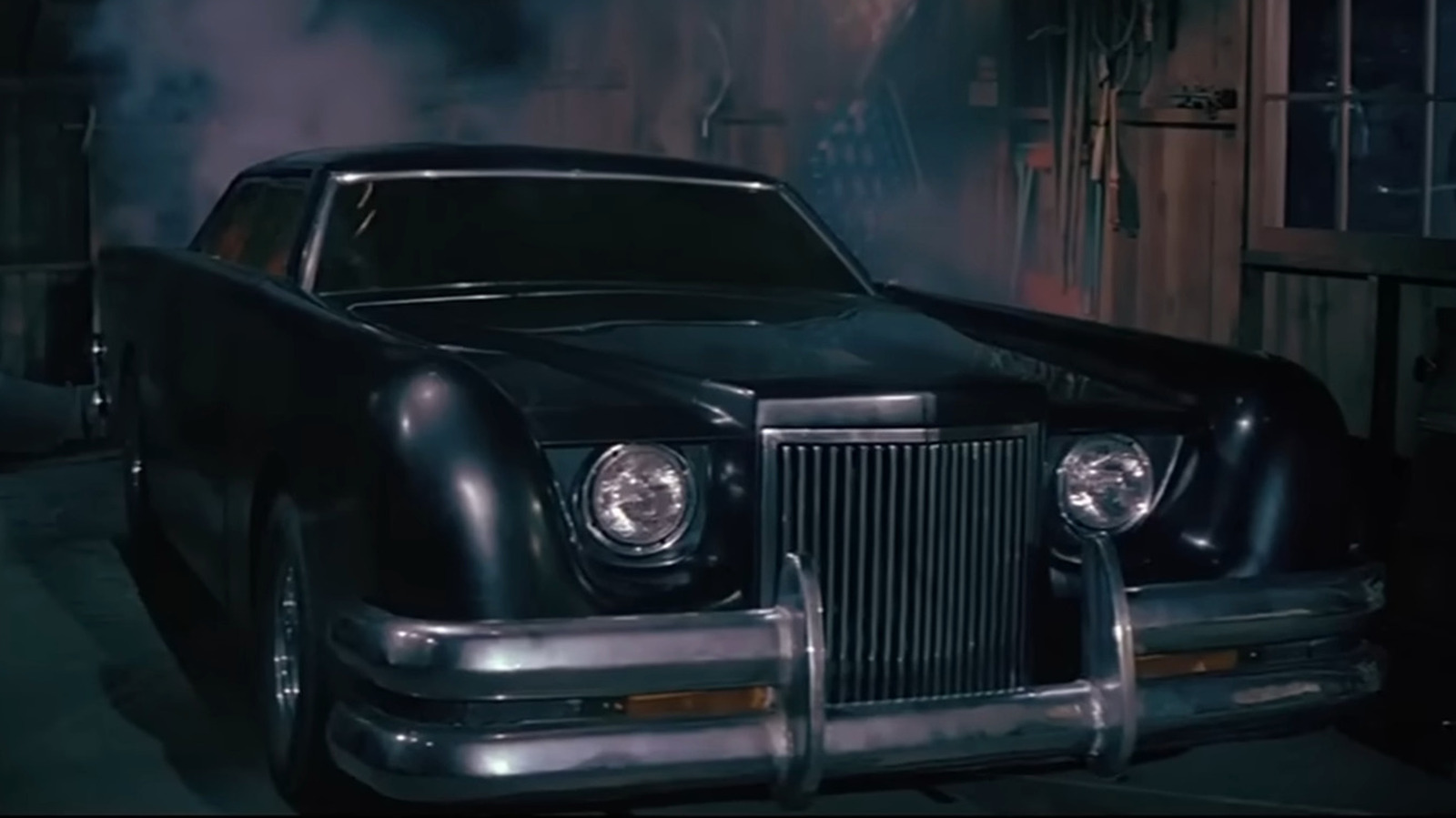
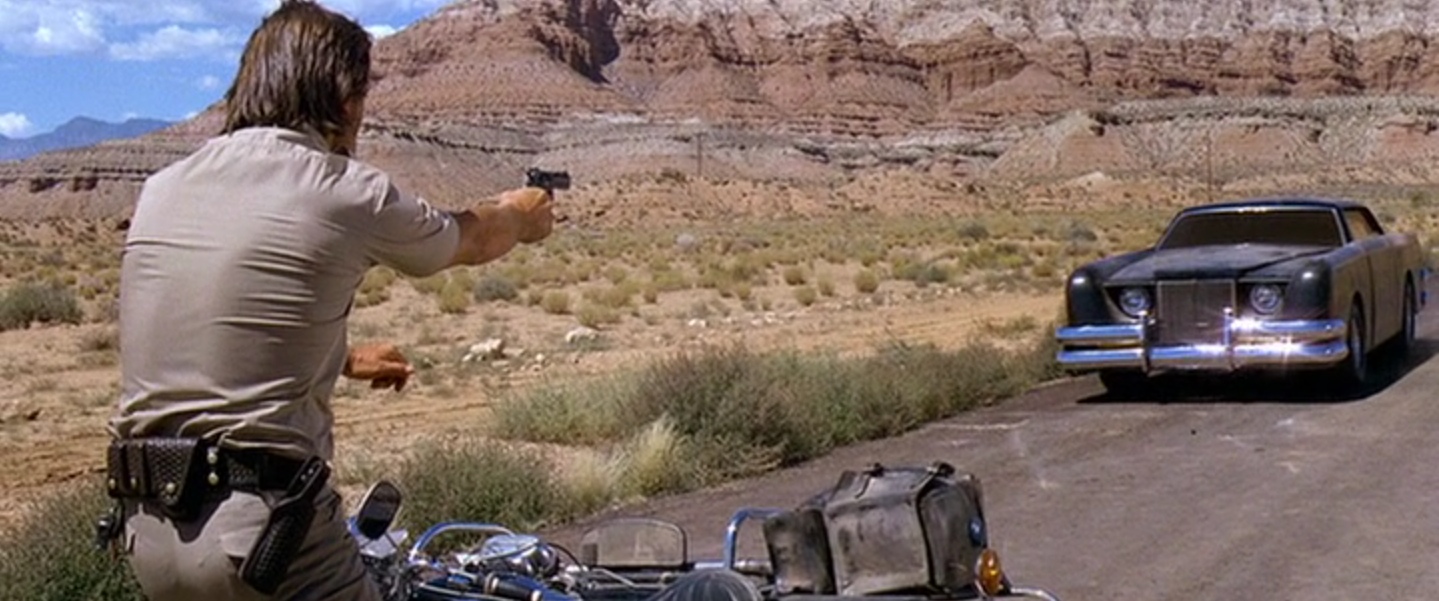
Apart from the landscapes of the Californian province, one can also enjoy the appearance of the title hero. The black Volga in Silverstein’s film was played by a modified Lincoln Continental, and the final effect is worth the sin. A massive black automobile with slightly tinted windows commands respect even without a driver.
In all the chase scenes it is clear that this is not a prop but a real vehicle of such dimensions that a double bed with a frame could easily fit inside. Thanks to the camera work, the title hero becomes even more ominous. Shot either in close-ups (where it fills almost the entire frame) or in clouds of dust, it resembles a predator made of black metal or a raw version of the Batmobile. Thanks to the cameraman’s appropriate techniques, the car became a full-fledged character that the rest of the cast should not underestimate.
The Car is not today as much of a classic as the aforementioned Duel, although it is worth comparing both films, especially because of the climate of the era and the design of the prop-hero. Besides, it is a worthy representative of the subgenre about murderous cars that are either driven by a madman, or possessed by Satan, or ate Paris.