Horror Movies
HAGAZUSSA: A Hypnotic and Intimate Folk Horror

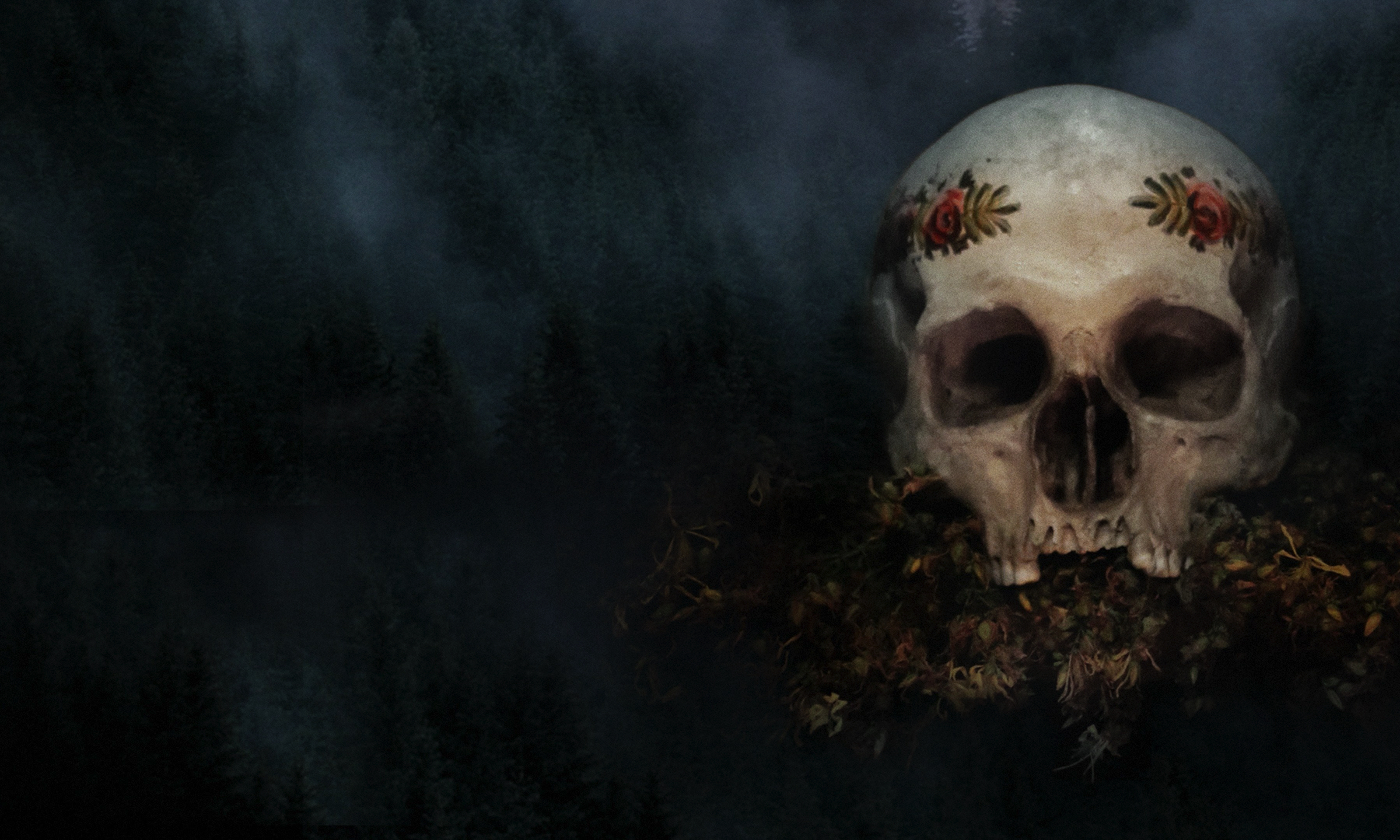
Hagazussa was not the kind of film that was expected. Even if one anticipated an arthouse horror in the style of The Witch: A New-England Folktale (2015), the film surprises with its manner of storytelling and the point to which it ultimately leads.
At the outset it should be emphasized that this is the work of a student – not only a feature-length debut, but also a diploma project from the German Film and Television Academy Berlin (Deutsche Film-und Fernsehakademie Berlin). The film was partially financed thanks to a crowdfunding campaign.
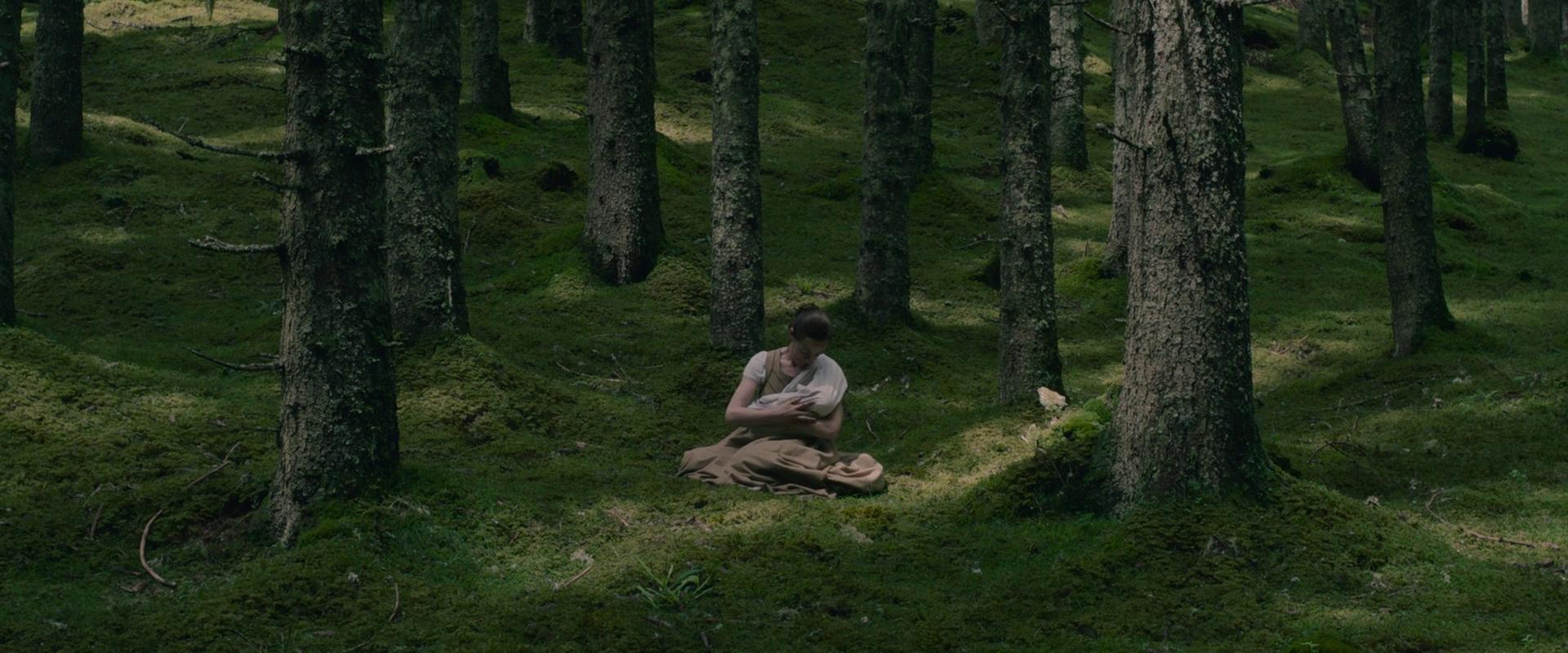
The plot could probably be contained within thirty minutes, but the director loaded his film with such a dose of artistic sequences that one either absorbs the images like an art connoisseur or capitulates halfway through the film. I was intrigued, because although this is more of a formal experiment than a typical folk horror, there is a coherent vision here as well as a specific, yet shrouded in mystery, storyline.
At the center of attention stands a female character who undergoes an interesting metamorphosis. By means of nuances and skillfully constructed atmosphere, the director told a mystical story full of dread and metaphors about barren life in solitude and in fear of people. To a large extent this is cinema based on mood, created by means of refined nature photography.
The cinematography was carried out in the Austrian Alps. Standing behind the camera, Mariel Baqueiro mixed dark shades of green and brown, emphasizing the rawness of the landscape, its difficult and dangerous nature together with a hypnotic beauty that is hard to resist. Her ability to work with the camera is also visible in intimate sequences focused on human faces. An important role in building the atmosphere is played by ominous ambient sounds by the Greek avant-rock musical group MMD.
They use so-called drones, that is, long and repetitive bass sounds which do not create a coherent melody, focusing on extracting from the instruments the proper tonality and symmetry. Emptiness dominates in the dialogues, and the main heroine hardly speaks at all. She is subdued and mysterious, afraid of contact with another person. She becomes silent like the surrounding nature.
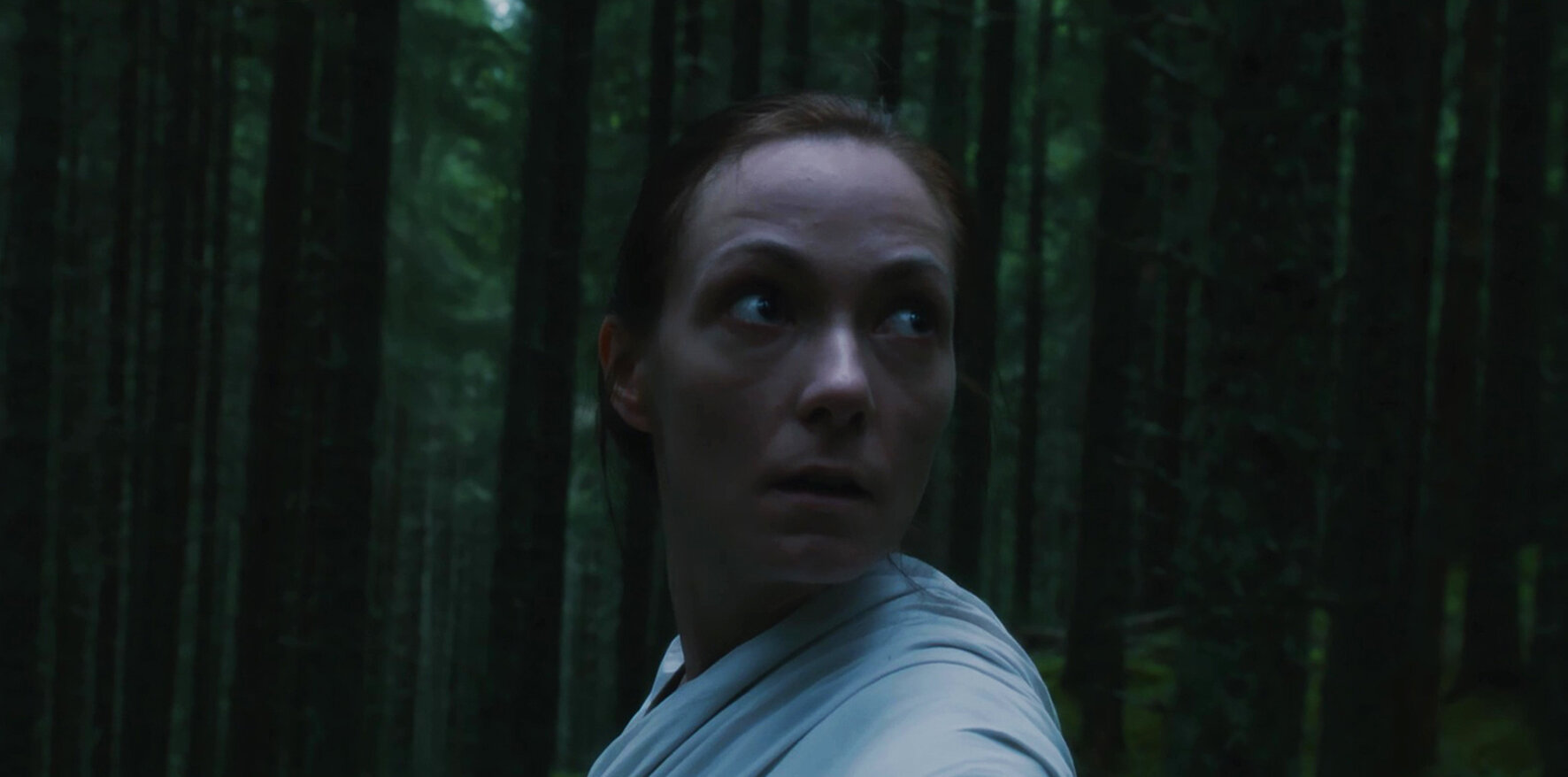
This device was certainly intentional and does not result from the lack of language proficiency of the performer of the main role. It should be noted, however, that the leading character named Albrun was played by a Polish actress. Her name is Aleksandra Cwen and for eighteen years she worked at the Jan Kochanowski Theatre in Opole. In her theatrical career she did not avoid hardcore roles, appearing, among others, as a victim of lynching or rape.
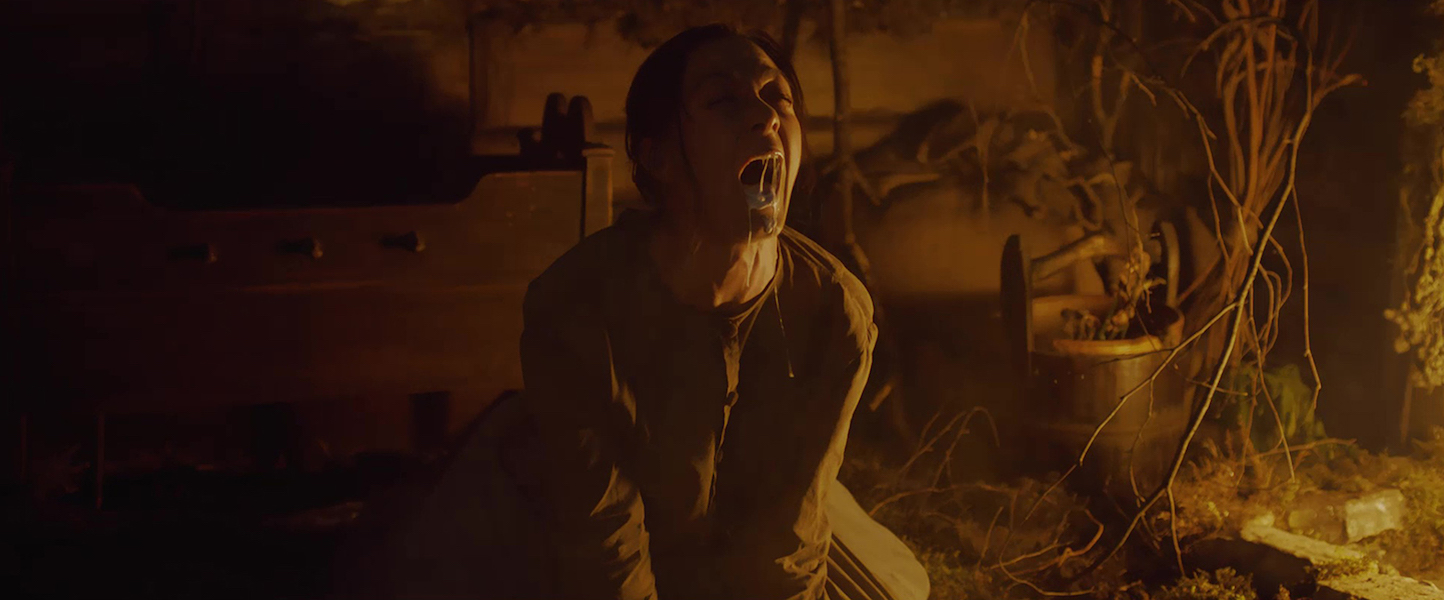
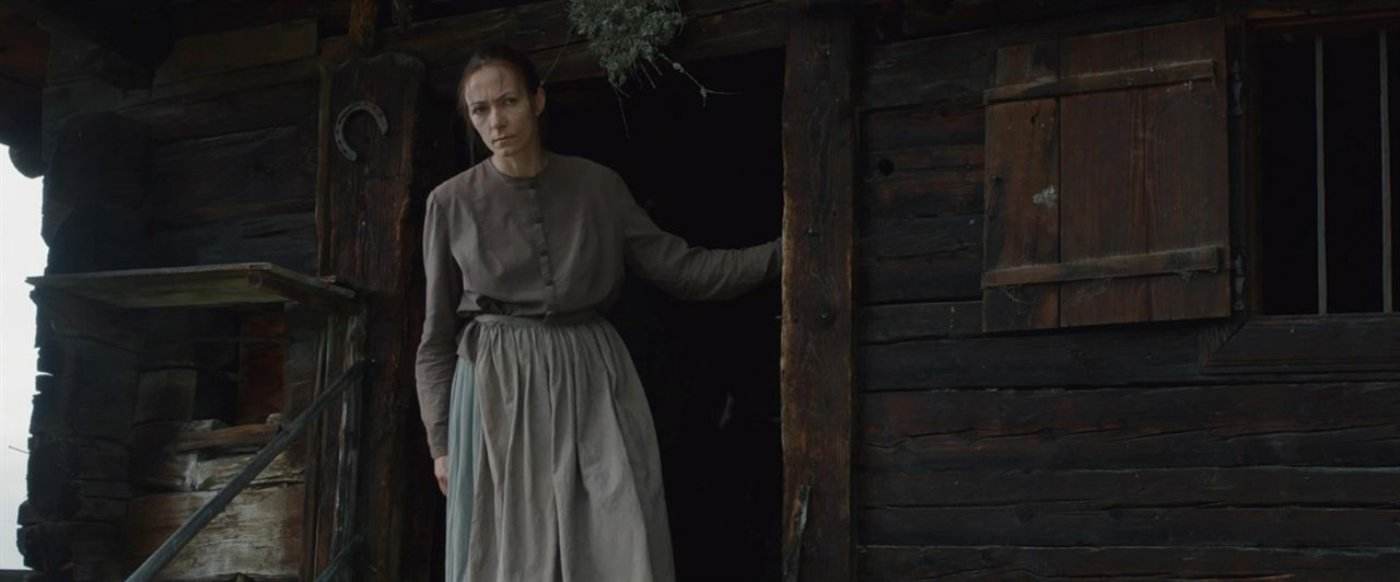
With such temperament and courage she seems ideal for roles in horror films. She portrayed the character of the single mother named Albrun very realistically and did not need words for that. The cinematographer managed perfectly to capture in her face fears, anxieties and frustrations. Aleksandra Cwen had already collaborated earlier with Feigelfeld and Baqueiro on Interferenz (2014).
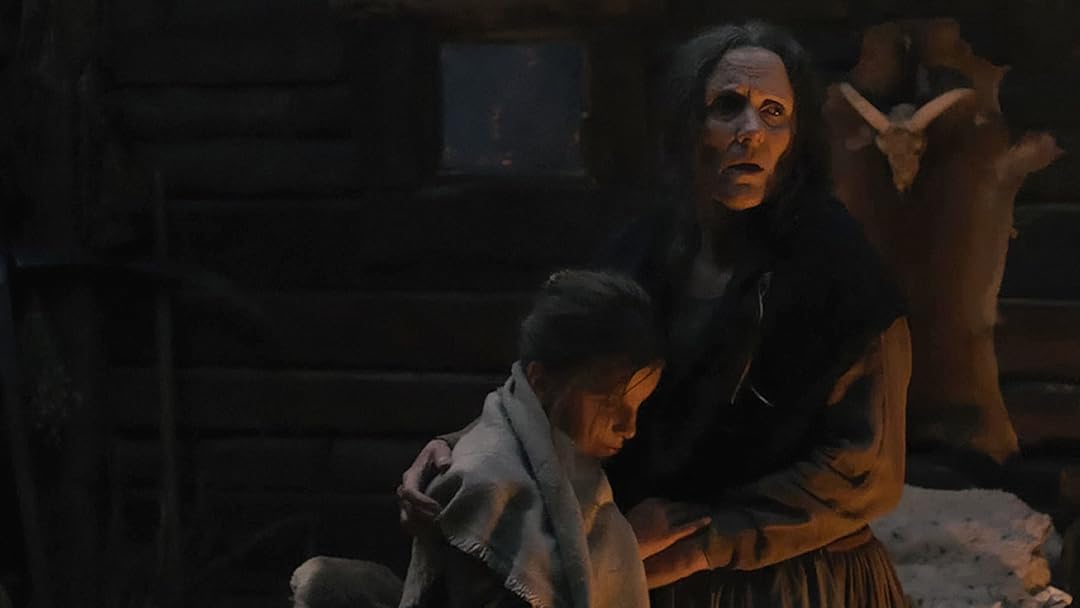
The titular Hagazussa means the same as the title of Robert Eggers’ film The Witch. It is an archaic term used in the Middle Ages to describe witches and female demons in the German-speaking part of Europe. Both films share common features – they are not classic horrors, but auteur cinema addressing the subject of superstitions and paranoia in a distant era. That film transported the viewer to seventeenth-century New England and contained fairy-tale elements that left no doubt as to the character of the story.
Lukas Feigelfeld’s film is more enigmatic and metaphorical, being cinema totally unpredictable and more difficult in reception. The director in a refined and perverse manner plays with the viewer’s habits, not flattering any tastes. The action takes place in the fifteenth century in the surroundings of the Austrian Alps. The story was divided into four parts with laconic titles: Shadows, Horn, Blood and Fire. This is a certain facilitation, both for the director and for the viewer, because it allows the story to be organized in a reasonably sensible way.
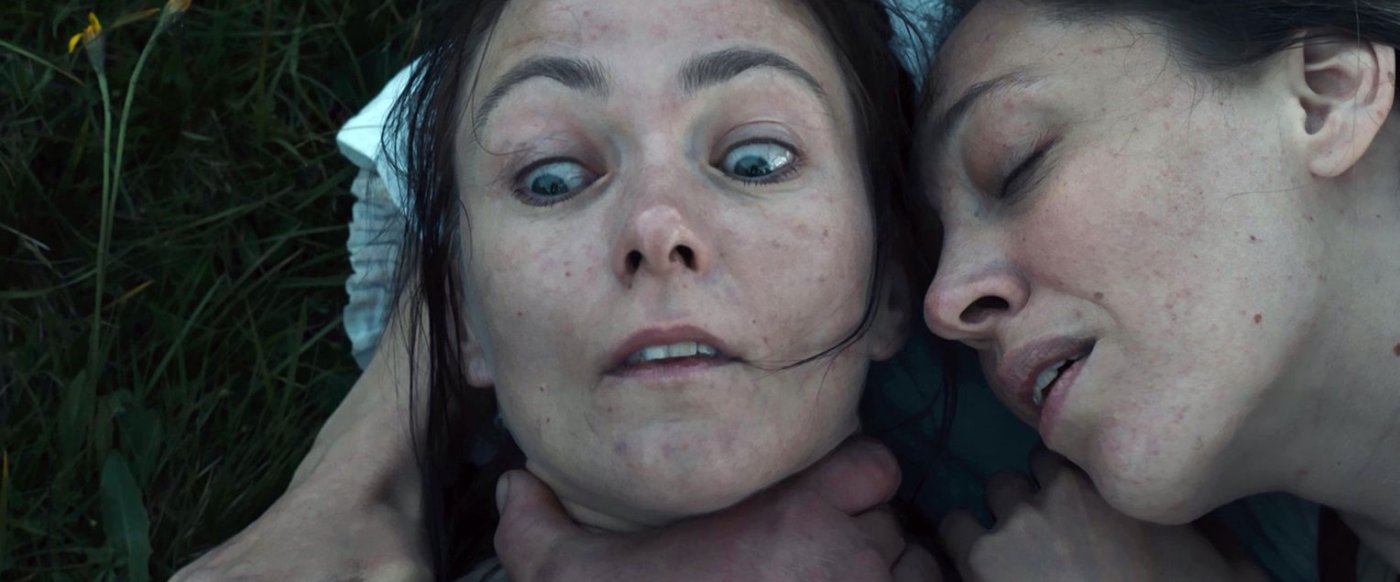
The first part tells about the shadows of the past that shape the heroine. The death of the mother, who avoided people and was considered a witch, has a significant influence on Albrun’s life. She died of some plague, but in the eyes of the community she became a sorceress, which strongly shaped her daughter. The second part presents the already adult daughter as a goatherd.
The goat was, moreover, an important character in the aforementioned film by Eggers, therefore the viewer senses a premonition that the diabolical character of this animal will also manifest itself here. Meanwhile Lukas Feigelfeld at a certain moment surprises, because he charged the milking of the goat with such eroticism that it is watched with astonishment and consternation.
The subsequent episodes show the heroine integrating with her surroundings. We observe, for example, a very disturbing scene in which Albrun sinks deeper and deeper into a swampy pond. The boundary between reality and a nightmarish dream slowly blurs. There is no absolute certainty whether the abstract visions are merely a product of the sick mind of a lonely woman, or whether supernatural forces truly lurk in the surrounding forests, wishing to exert influence on her.
Her behavior may be the result of paranoid psychosis or another illness. Perhaps Albrun herself consciously chooses occultism as a sign of opposition to the Christian community that condemned her to a barren existence surrounded by nature.
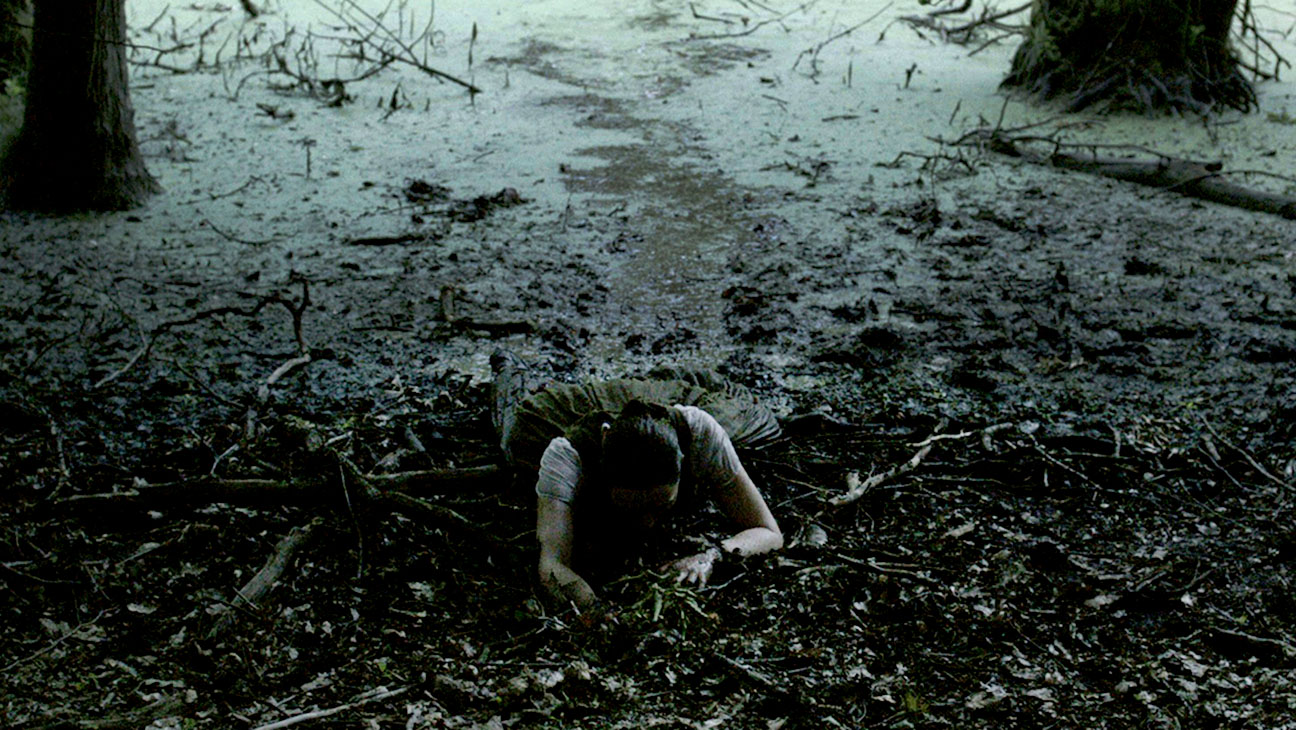
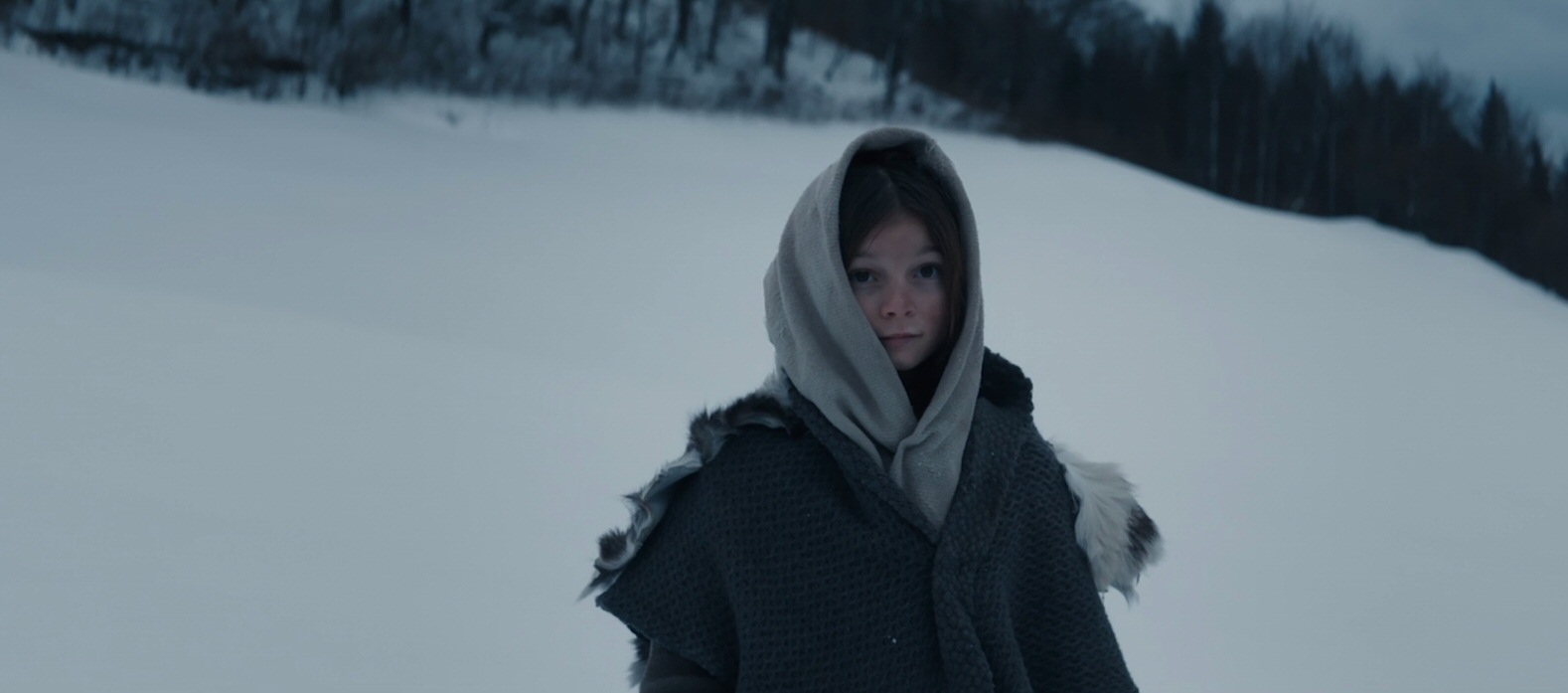
Snow-covered landscapes, faded forests and mountain slopes are the silent creatures of Mother Nature, which do not sneer, do not hurl insults, do not discriminate against people. But they possess an extraordinary power of attraction, which was presented in a truly poetic and psychedelic way. There are scenes saturated with symbolism and religious metaphor, for example the fragment in which a snake crawls along the neck of the main heroine.
A film decidedly for demanding viewers who do not evaluate horror films in categories of scary or not scary, striving to find the key to understanding the director’s vision. Cinema resembling the dream of a man who has eaten hallucinogenic mushrooms. An intimate story told through images and operating with metaphors. Played out in long, slow, hypnotic – not to say tiring – shots. Ambiguous and not easy in reception.
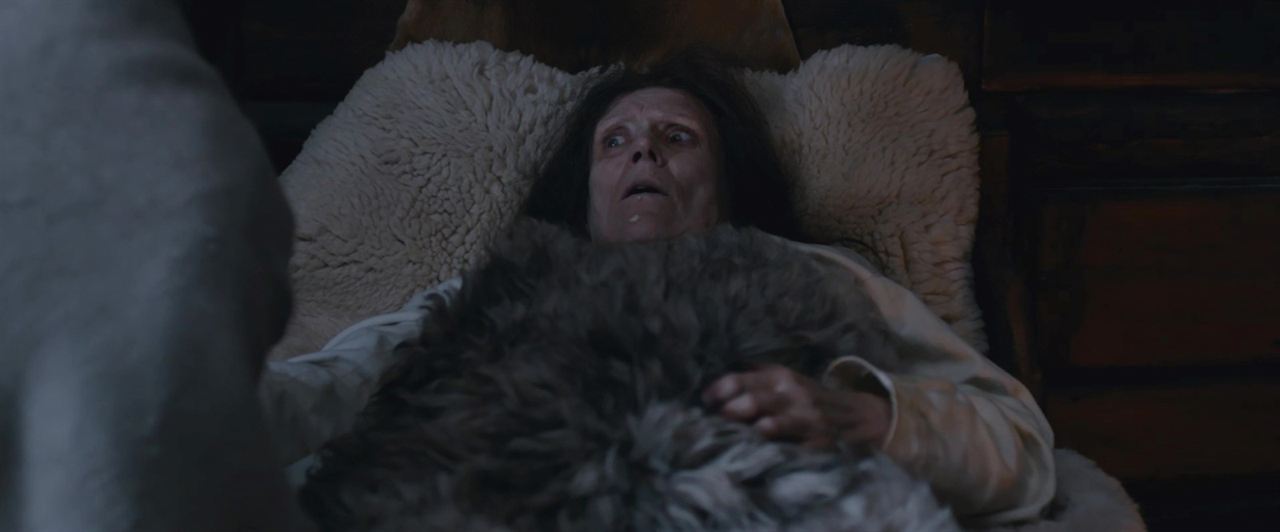
Directly after the screening – probably under the influence of the reactions of other viewers – I was somewhat disappointed, because the excess of long arthouse scenes overshadowed everything else.
But after deeper reflection I noticed more nuances and it is difficult for me not to appreciate the work of the director and the contribution of the actress, Aleksandra Cwen, who created an interesting psychological portrait of a woman slowly leaving the real world, entering the land of darkness.