
Review
LEFT-HANDED GIRL. Mothers and Daughters in Taipei [REVIEW]
Left-Handed Girl is a rather unassuming and ultimately predictable film. It doesn’t break any new ground or shock the viewer—instead, it gently soothes.

![LEFT-HANDED GIRL. Mothers and Daughters in Taipei [REVIEW]](https://filmfolly.com/wp-content/uploads/2025/09/LEFTHANDED-GIRL-Mothers-and-Daughters-in-Taipei-REVIEW.webp "left-handed-girl | FilmFolly.com")
Left-Handed Girl is most easily marketed with the name Sean Baker (credited here as co-writer and editor), but that hardly does justice to the film’s director, Shih-Ching Tsou. In her solo directorial debut, the longtime collaborator of the American filmmaker speaks in her own voice. That’s not to say the film’s form or subject matter is particularly groundbreaking. Left-Handed Girl recalls a whole lineage of festival films about the hardships of daily life in a big city—the good ones, the gentle and soothing ones. It reminded me, for instance, of last year’s All the Colours of Light.
Just like in Payal Kapadia’s lyrical work, the protagonists here lose and find themselves in the cracks of night through mutual (if difficult) love, and the director tells their stories with a similar mix of tenderness and humor. Tsou’s film also closely resembles the works of Hirokazu Kore-eda, sharing his sensitivity toward characters and his attention to unconventional details of family life. 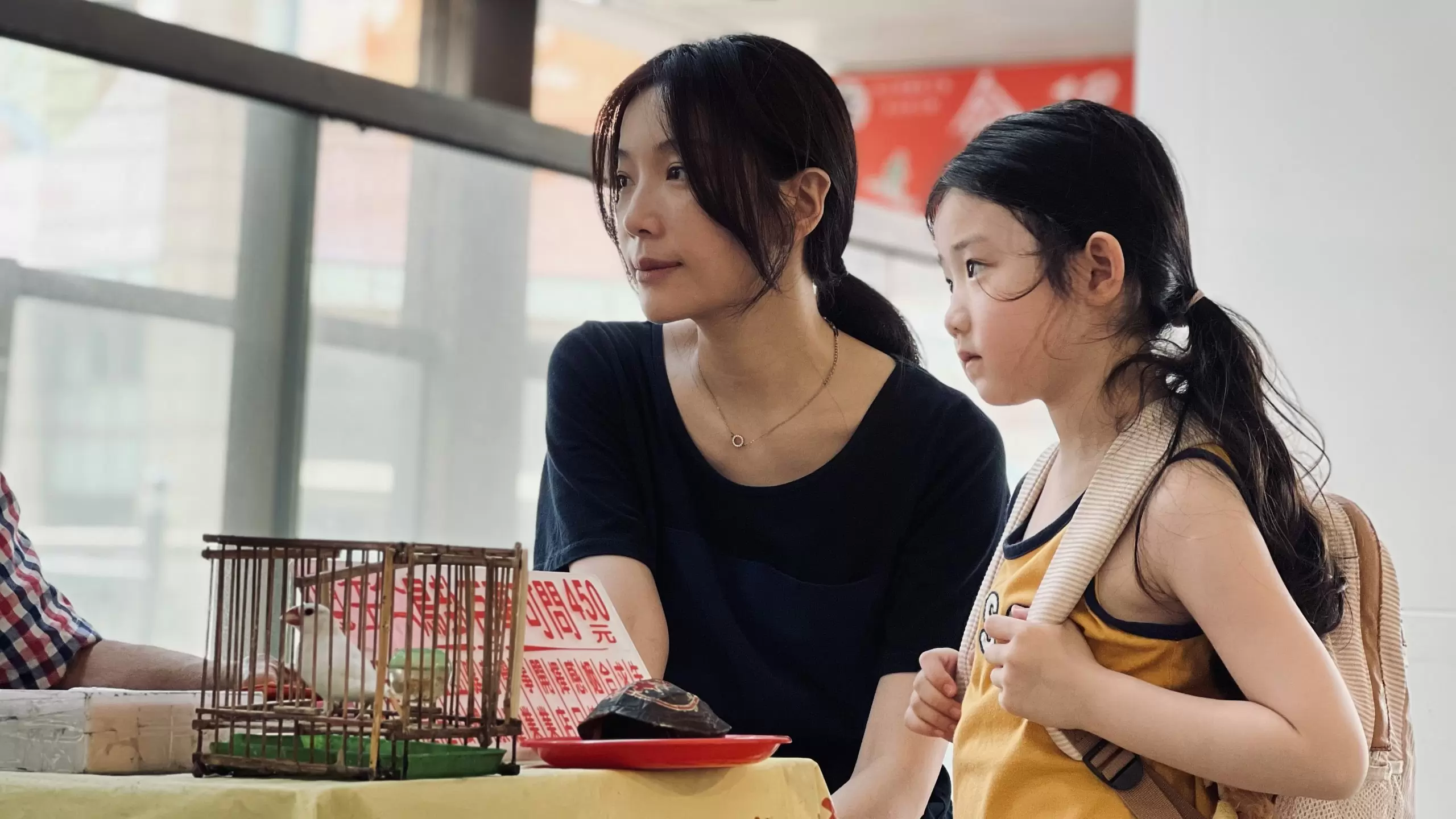 Set against the neon-lit, restless yet ultimately safe backdrop of Taipei, the story follows Shu-Fen (Janet Tsai) and her daughters, I-Ann (Shih-Yuan Ma) and I-Jing (Nina Ye).
This modest family returns to the Taiwanese capital after years away and tries to find stability, but nothing comes easy. Tsou explores their day-to-day struggles within capitalism by painting distinct micro-worlds of three generations of women. Shu-Fen is constantly exhausted and always in a rush, trying to launch a noodle stall at the night market while clinging to fleeting hopes for love. I-Ann, a rebellious, clever, and sensitive college-age girl, also seeks connection but has to make do with a shady job at a shady shop. The most joy, however, comes from following the discovery of the city through the eyes of the title character—I-Jing, a delightful little girl whose precociousness is truly something else.
On screen, we witness three protagonists and three vastly different yet coexisting experiences of the world, each sensitively captured by the director: the pragmatic reality of Shu-Fen’s financial burdens, the emotional intensity of I-Ann’s youthful longing, and the slightly fairy-tale view of I-Jing, who is just learning how the world works—and whose worldview can be flipped upside down by a single comment suggesting that left-handedness is a devilish trait. Tsou treats each of these perspectives with respect and equal seriousness, focusing most of the film’s attention on the title girl’s explorations of Taipei. This establishes a warm tone, occasionally tempered by the anxieties of the older women. 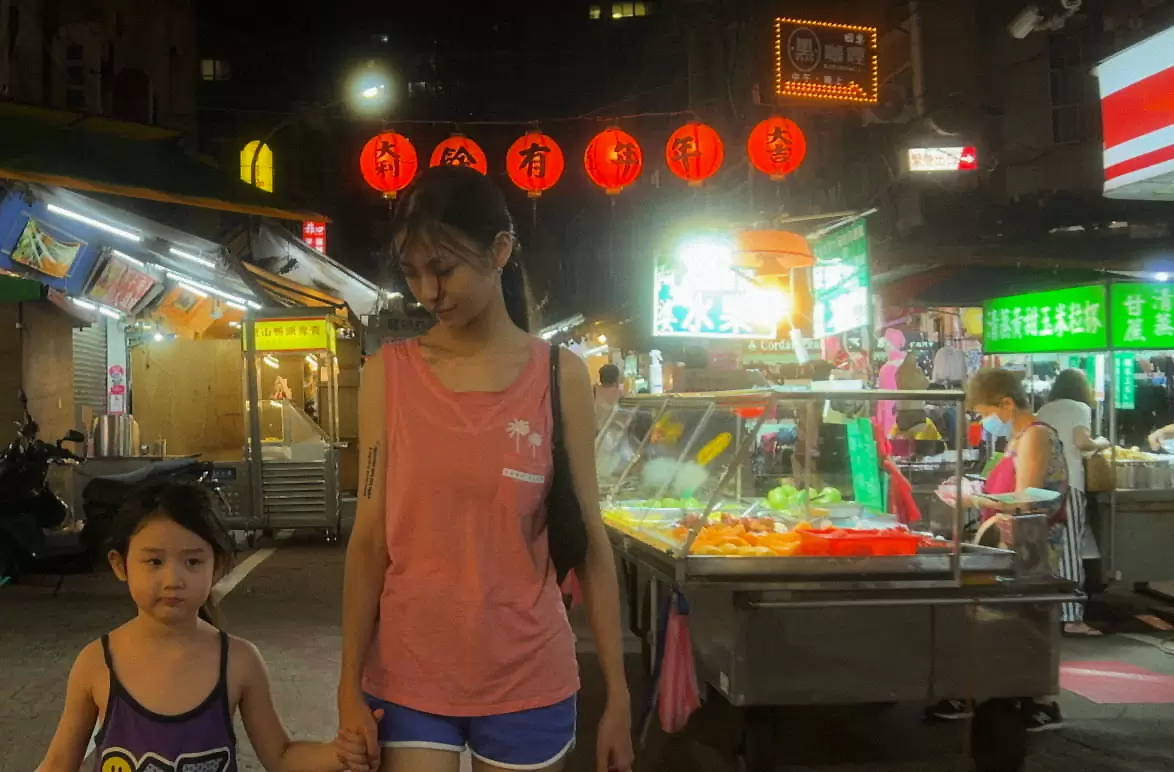 For a film that has been gestating in the director’s mind for over 25 years, Left-Handed Girl feels remarkably fresh. Many scenes appear almost spontaneous and chaotic, reflecting the rhythm of everyday life, where coincidence disrupts plans, secrets are revealed at the worst possible times, and the truly important moments are often hidden in quiet pauses amid the bustle. Taipei, Tsou’s hometown, becomes a central witness to it all—its spaces like the night market, toy shops, and scooter-filled streets glowing with life provide the film’s emotional and physical map.
Food, a favorite visual motif for Tsou, is shown so vividly that you can almost smell it through the screen. Left-Handed Girl is a rather unassuming and ultimately predictable film. It doesn’t break any new ground or shock the viewer—instead, it gently soothes. Some plotlines may feel overly smoothed out or simplified, but the film makes up for it with the tenderness it shows toward its characters and the city. It’s a story about what it means to be a mother and a daughter; about individuals finding their place within a multigenerational family. Above all, it lets us experience Taiwanese everyday life alongside protagonists we can’t help but root for. It’s true comfort cinema—unafraid of discomfort, but mostly staying within safe emotional terrain.

